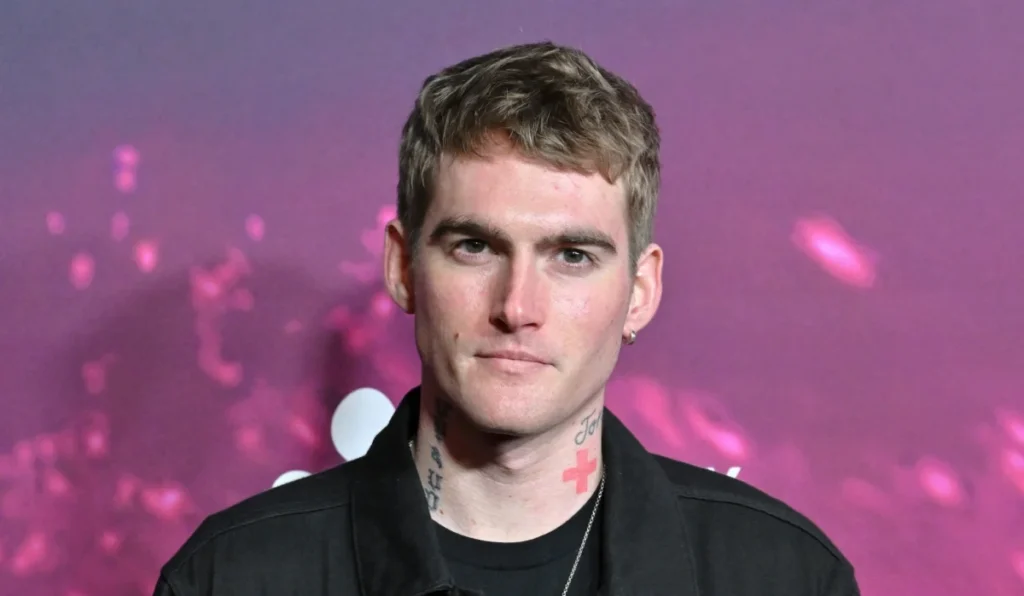

The entertainment industry and the fashion world are in mourning following the confirmation of the death of Presley Gerber, a model and public advocate for mental health awareness. A representative for the Gerber family issued a brief but poignant statement to the press, confirming the news and requesting privacy for the family as they navigate what they described as a "very difficult and painful time." According to records obtained from the Los Angeles County Medical Examiner, Gerber passed away on Sunday, September 20, at a rehabilitation facility. While an official cause of death has yet to be determined, authorities have confirmed that an autopsy is pending to clarify the circumstances surrounding his passing.
A Career Defined by Fashion and Legacy
Born on July 2, 1999, in the enclave of Beverly Hills, California, Presley Gerber was raised in the spotlight as the son of one of the most recognizable faces in fashion history, Cindy Crawford, and nightlife entrepreneur Rande Gerber. Growing up in an environment where aesthetics and public perception were paramount, Presley began his own foray into the professional sphere at a young age. By 15, he had already begun to carve out a path in the modeling industry, officially making his runway debut at 16.
Over the next decade, he became a fixture in the international fashion circuit. His portfolio included high-profile collaborations with luxury houses such as Burberry, Ralph Lauren, Dolce & Gabbana, and Tommy Hilfiger. Beyond the runway, he was perhaps most famously recognized by the general public for his appearance alongside his mother in a widely broadcast 2018 Super Bowl commercial for Pepsi, a nod to Crawford’s own iconic 1992 campaign. Despite these professional milestones, Gerber’s life was increasingly defined by his candid efforts to address the intersection of celebrity, mental health, and the struggle with substance use disorders.
Chronology of Public Struggles and Advocacy
Gerber’s journey in the public eye was marked by significant personal challenges that he eventually chose to address with transparency. His legal troubles began in January 2019, when he was arrested and charged with driving under the influence (DUI). The legal ramifications included three years of probation, mandatory participation in a DUI education program, and the completion of two days of community service.
In the years following that arrest, Gerber transitioned from a private figure to a vocal advocate for mental health awareness. In 2023, he appeared on the Studio 22 podcast, where he articulated his philosophy on sharing his experiences. He expressed a desire to reach others struggling with depression and addiction, emphasizing that his goal was to provide support, even if it meant helping only a small number of people escape the cycle of despair he had experienced.
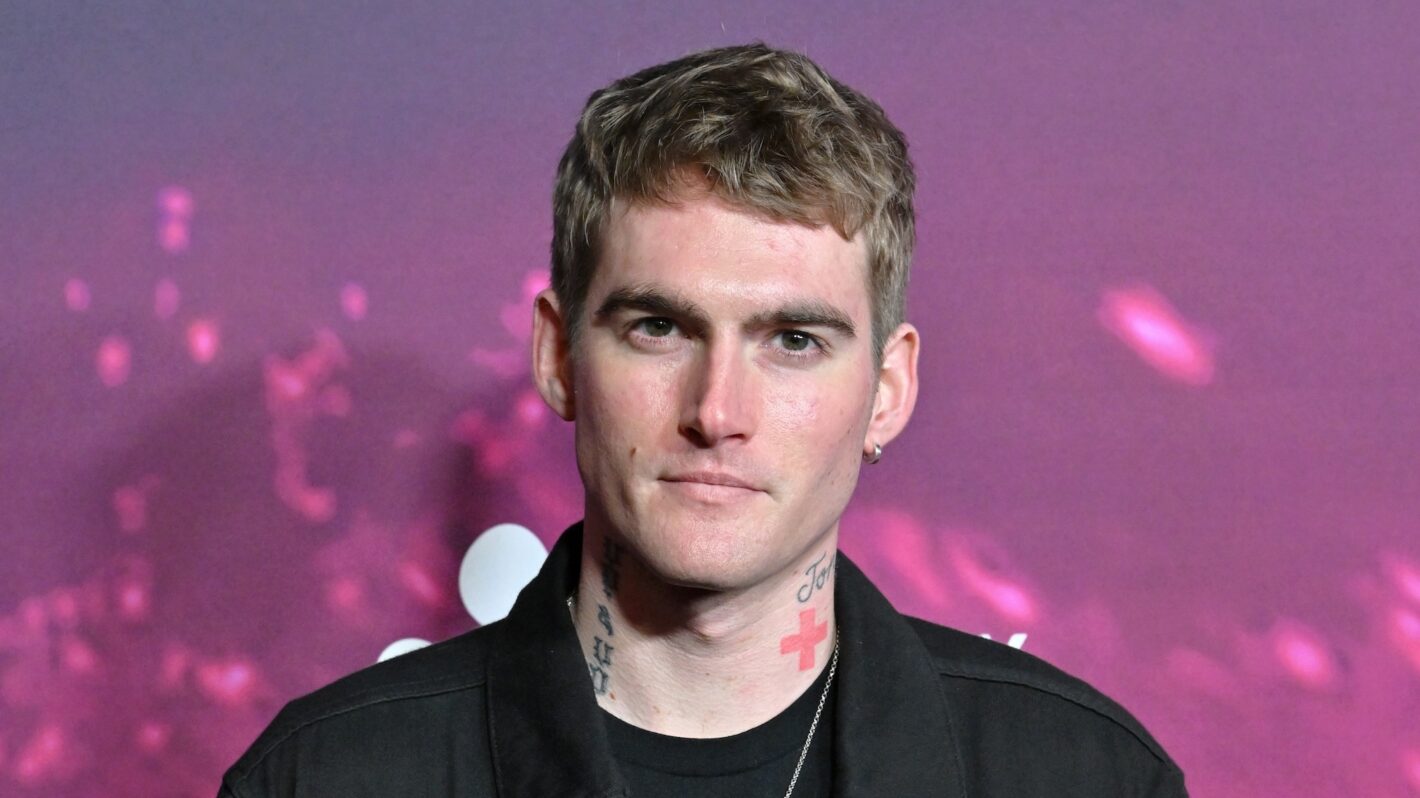
"Mental health is an issue. It is such a big part of my life. It’s a 24/7 job, and there’s so much to it," he noted during the broadcast. His commitment to this cause was further evidenced through his social media presence, particularly his "Mental Health Mondays" series on Instagram. In these sessions, he offered raw, often vulnerable insights into the medications he was prescribed, including Buprenorphine, Xanax, and Valium, while offering advice to followers grappling with similar burdens.
As recently as June 2026, Gerber participated in a mental health symposium in Malibu. During this event, he spoke at length about the unique pressures associated with being raised in the public eye. He identified the age of 23 as a turning point in his life, describing a sense of liberation that came after he finally stopped attempting to conceal his struggles from the world.
The Role of Family and Public Perception
The narrative of Presley’s life in the final years was heavily influenced by his relationship with his sister, model and actress Kaia Gerber. In a recent profile for the September 2026 issue of Vogue, Kaia spoke openly about her brother’s decade-long battle with drug addiction. She praised his bravery, noting that his decision to speak out was a stark departure from the traditional privacy maintained by their parents.
"My parents for most of our lives were very, very private and didn’t share anything," Kaia explained to the publication. "And now we have this absolute teacher, my brother, who says, ‘I’m going to be very human for everyone.’ There’s only so much you can hide from the world. And trying to put a lid on something just makes the person feel like you’re ashamed of them." This shift in the family dynamic toward transparency is widely seen as a reflection of a broader cultural change in how high-profile families address mental health and addiction.
Industry Tributes and Community Reaction
The news of Gerber’s passing has triggered an outpouring of tributes from friends, colleagues, and figures within the fashion and entertainment sectors. Paris Hilton, who shared a close connection with Gerber, took to her social media platforms to express her grief. "I’m completely heartbroken. I still can’t believe this is real," she wrote, accompanying her message with photographs of the two. She lauded his character, describing him as a "beautiful soul" who possessed a level of sensitivity and kindness that was evident to those who knew him.
Brooklyn Beckham, son of David and Victoria Beckham, also shared his condolences, citing the kindness that defined his interactions with Gerber. These tributes underscore a sentiment held by many in their social circle: that Gerber was an individual who, despite his personal battles, maintained deep, genuine connections with those around him.

Broader Implications: The Burden of Celebrity
The passing of Presley Gerber has reignited discussions regarding the toll of mental health struggles within the entertainment industry, particularly for those raised in the public eye. Experts note that children of celebrities often face a specific set of challenges, including the pressure to maintain a certain image, the lack of traditional anonymity during formative years, and the increased accessibility to substances that can exacerbate underlying mental health conditions.
Data from the Substance Abuse and Mental Health Services Administration (SAMHSA) consistently highlights that addiction is a chronic, relapsing condition that requires ongoing medical and therapeutic support. The fact that Gerber was in a rehabilitation facility at the time of his death highlights the persistent danger posed by these conditions, even when an individual is actively seeking treatment.
Furthermore, the "Mental Health Monday" format that Gerber utilized is indicative of a growing trend in digital advocacy, where influencers and public figures leverage their platforms to destigmatize therapy and medication. While his death is a tragic outcome, his supporters point to his legacy of openness as a vital contribution to the ongoing conversation about mental health in the 21st century.
Conclusion and Moving Forward
As the investigation into the circumstances of his death continues, the focus remains on the family’s request for privacy. The loss of a young man who was so committed to helping others navigate the complexities of their own mental health serves as a somber reminder of the severity of these issues.
For the fashion community, which he was a part of, and the public who followed his journey, Presley Gerber’s death marks the end of a life that—while short—was characterized by an earnest effort to bridge the gap between the polished exterior of celebrity and the very real, often painful, human experience of depression and addiction. His family, including his parents, Cindy Crawford and Rande Gerber, and his sister, Kaia, have yet to issue further statements beyond their initial request for space, as they begin the process of mourning a son and brother whose voice will be remembered for its courage and its honesty.