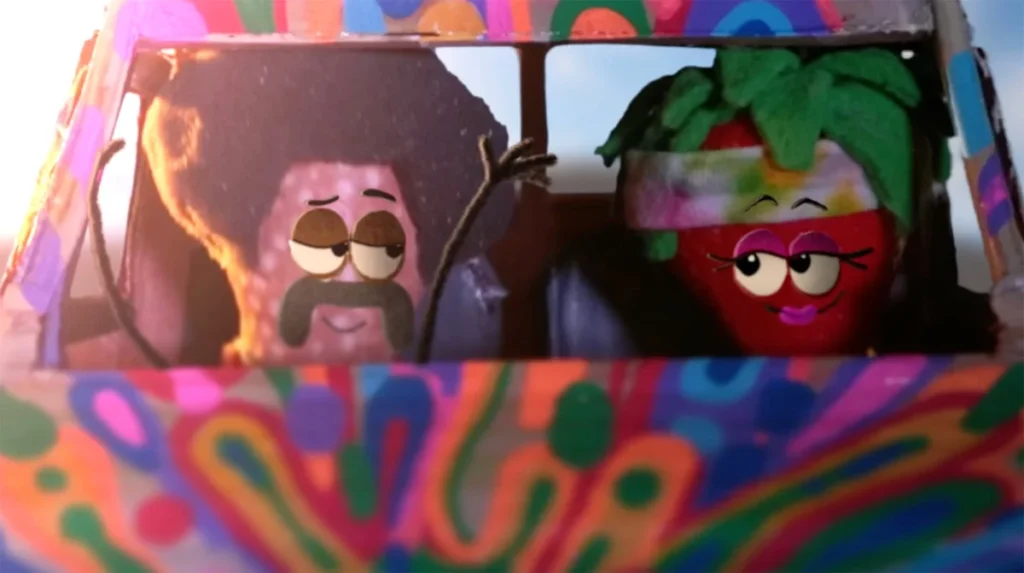

Pixar Animation Studios has officially released its latest experimental project, an imaginative and humorous seven-minute short film titled Fruit and Nut. The newly debuted short represents a significant departure from the studio’s traditional computer-generated animation roots, stepping boldly into the tactile world of stop-motion filmmaking. Created through the specialized "Pixar Labs" initiative and released via the studio’s official YouTube channel, the project serves as a creative playground for internal talent. Fruit and Nut tells the whimsical, tongue-in-cheek origin story of the world’s very first peanut butter and jelly sandwich, utilizing a free-spirited hippie strawberry and a penniless peanut as its unlikely protagonists in a storyline that heavily channels classic cinematic road-trip tropes, most notably Ridley Scott’s 1991 masterpiece Thelma & Louise.
This release is part of an ongoing company initiative known as "A Pixar Artist’s Short Film" series, which acts as a spiritual successor to the studio’s critically acclaimed SparkShorts program. While SparkShorts historically provided a platform for internal directors to experiment with alternative digital pipelines and narrative themes, this newer creative avenue encourages artists to explore entirely different mediums of animation craftsmanship. Fruit and Nut stands as only the second stop-motion production in Pixar’s storied history, following the recent release of the experimental short film Self, which premiered to favorable reviews and is currently streaming on Disney+. Industry analysts and animation historians view this gradual diversification of animation techniques as a strategic evolution for a studio that has long defined the standard for mainstream 3D computer graphics.
Creative Minds Behind the Canvas
Fruit and Nut was conceived, written, and directed by veteran Pixar story artists Rej Bourdages and Tony Maki, with production duties managed by Paige Johnstone. Both Bourdages and Maki bring decades of collective industry experience to the table, having previously lent their narrative and visual storytelling expertise to a vast roster of celebrated feature films produced at Pixar’s Emeryville, California headquarters. Their extensive credits include critically acclaimed box office hits and audience favorites such as The Good Dinosaur, Coco, Inside Out 2, Soul, Luca, Elio, and the upcoming feature Hopoppers.

Transitioning from digital storyboards to physical miniature sets required a distinct set of operational adjustments for the filmmakers. While story artists typically deal with two-dimensional representations of three-dimensional spaces, stop-motion animation demands a meticulous physical realization of characters, lighting, and environments frame by frame. Despite the medium shift, Bourdages and Maki infused the project with the signature emotional warmth, comedic timing, and visual polish expected from creators deeply steeped in the Pixar tradition. The resulting short combines handcrafted imperfections with polished cinematic framing, giving the physical models of the strawberry and the peanut a distinct and memorable personality.
The Evolution of Pixar’s Experimental Initiatives
To understand the significance of Fruit and Nut, one must examine the chronological evolution of Pixar’s internal R&D and artist-empowerment programs. Founded on the principle of technological innovation combined with character-driven storytelling, the studio has consistently sought ways to prevent creative stagnation among its massive workforce of artists, animators, and technicians.
Historically, Pixar’s public-facing shorts were tightly coupled with their theatrical feature releases, serving as technical testing grounds for new rendering software, hair-and-fur simulations, or lighting algorithms. Classics like Geri’s Game (1997) tested realistic cloth and skin simulation, while For the Birds (2000) advanced feather-rendering technologies. However, as the digital landscape matured, the studio recognized a growing desire among its staff to tell smaller, more personal, and stylistically diverse stories outside the constraints of feature film production cycles.
This realization led to the creation of SparkShorts in 2019, which gave select employees six months and limited budgets to bring independent short film concepts to life. Projects like Purl, Loop, and Float allowed the studio to tackle mature social themes, neurodivergence, and workplace culture. With the industry landscape shifting further toward multi-platform distribution and creator-driven content, the "A Pixar Artist’s Short Film" banner—alongside Pixar Labs—has pushed the envelope even further. By allowing veteran artists like Bourdages and Maki to venture entirely outside the digital realm into physical stop-motion, Pixar is actively diversifying its institutional skill set and acknowledging the enduring artistic appeal of tactile animation.

Technical Craftsmanship and Production Background
Produced entirely within the walls of Pixar Animation Studios in Emeryville, California, Fruit and Nut required a specialized approach to asset fabrication and set design. Unlike traditional stop-motion powerhouses such as Laika or Aardman Animations, which possess dedicated physical stop-motion stages and decades of infrastructure built specifically for claymation and puppet fabrication, Pixar’s foray into the medium represents an interesting cross-pollination of digital and physical artistry.
The production involved sculpting physical puppets of the strawberry and the peanut, complete with articulated internal armatures that allowed animators to manipulate their movements incrementally for every single frame captured on camera. The texture of the strawberry—complete with its seed indentations and leafy green top—required careful material selection to ensure it photographed with the right tactile quality under studio lighting. Similarly, the peanut’s rough, woody shell required specialized casting techniques to achieve both structural rigidity and the flexibility needed for expressive performance.
By paying homage to Thelma & Louise, the filmmakers injected a high-octane cinematic sensibility into a miniature scale. The short utilizes dramatic lighting angles, sweeping camera movements over diminutive terrain, and classic outlaw tropes to elevate what could have been a simple, static gag into a fast-paced, high-stakes narrative adventure. The tongue-in-cheek resolution—framing the chaotic journey as the historical genesis of the modern peanut butter and jelly sandwich—cements the short’s comedic tone while grounding its absurdity in a universally recognized cultural touchstone.
Industry Implications and Future Outlook
The release of Fruit and Nut on digital platforms highlights a broader trend within major animation houses: the democratization of alternative animation styles to capture shifting audience demographics. As streaming platforms demand a constant stream of diverse content, studios are increasingly willing to greenlight projects that break away from their house styles. For Pixar, a company historically synonymous with polished, Pixar-branded computer animation, diversifying into stop-motion acts as a vital exercise in artistic flexibility.

Furthermore, these experimental shorts serve a dual purpose within the studio ecosystem. Operationally, they function as low-risk test beds for emerging directors and department heads, allowing management to evaluate leadership potential in a controlled environment before committing hundreds of millions of dollars to a feature-length production. Creatively, they provide an invaluable morale boost for artists who spend years working in specialized, compartmentalized roles on massive feature films, granting them the rare opportunity to see a project through from conception to final delivery with a high degree of creative autonomy.
Audience reception to experimental offerings like Self and Fruit and Nut will likely dictate the future longevity of the Pixar Labs initiative. Early digital engagement metrics on YouTube and positive community responses across social media platforms suggest a healthy appetite for these bite-sized, unconventional narratives. As Disney continues to leverage its various digital channels and streaming services to distribute these boutique projects, fans can likely expect further artistic excursions from Pixar artists eager to test the limits of their creativity outside the digital render farm.
Ultimately, Fruit and Nut stands as a testament to the enduring spirit of play at Pixar Animation Studios. By stepping away from the computers, embracing the physical limitations and raw charm of stop-motion, and applying their world-class storytelling sensibilities to a comedic outlaw narrative about a strawberry and a peanut, Bourdages, Maki, and the production team have delivered a memorable entry into the studio’s growing library of independent shorts. Whether this brief foray into stop-motion will ever manifest as a full-length feature film remains to be seen, but for now, animation enthusiasts have a delightful, handcrafted piece of culinary folklore to enjoy.