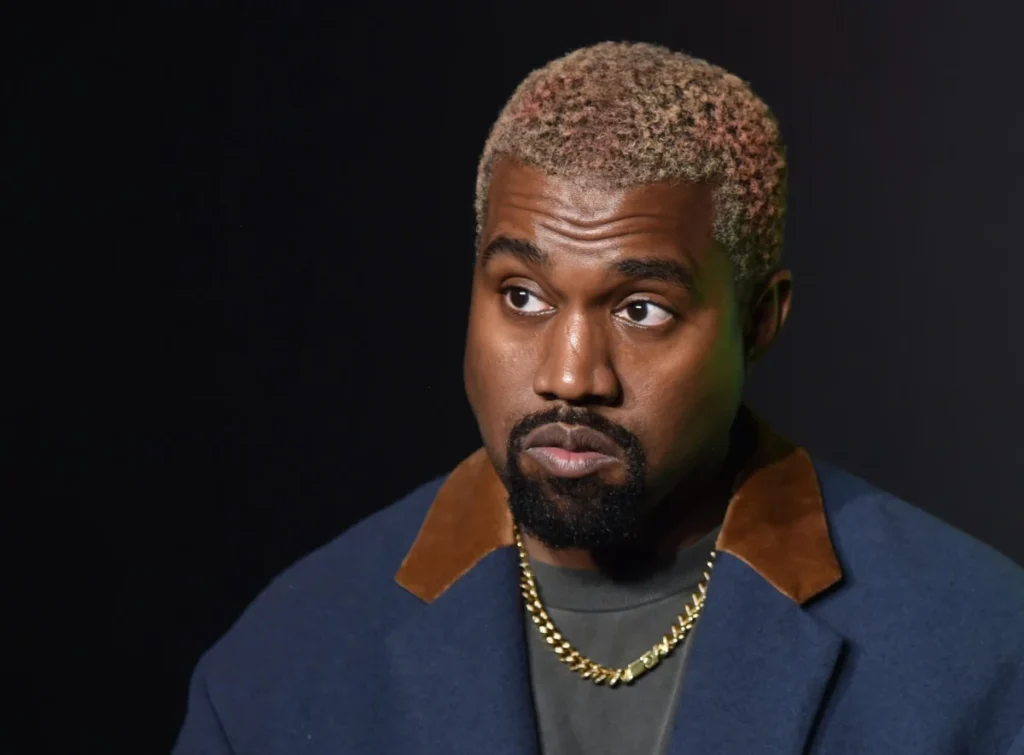

Festival Republic managing director Melvin Benn has broken his silence following the widespread backlash to the controversial booking of Ye, formerly Kanye West, as the headline act for the 2026 Wireless Festival. In a candid interview with NME, Benn addressed the fallout from the decision, which ultimately led to the festival’s cancellation this year, and offered insights into the lessons learned and the future of the prominent music event.
Lessons Learned from a Divisive Booking
Benn acknowledged that the controversy surrounding Ye’s planned headlining slot prompted significant introspection. "Timing, I think, is an important lesson," he stated in the interview published on Wednesday, July 15. He emphasized the importance of forgiveness in a fractured world, suggesting, "I would hope that other people learn the lesson of forgiveness, because forgiveness is an important part of being a decent human being, in my view." However, Benn clarified that while he advocates for forgiveness, the primary lesson for organizers was related to the timing of such announcements.
Despite the significant disruption and negative publicity, Benn expressed strong confidence in the return of Wireless Festival. "Wireless will return. We’re very confident about that," he affirmed, indicating that plans are already underway to ensure the festival’s successful revival.
The Unfolding Controversy
The decision to feature Ye as the main act for Wireless Festival 2026, scheduled to take place from July 10-12, ignited a firestorm of criticism shortly after its announcement in March. The festival, renowned for its focus on hip-hop and urban music, faced immediate and significant backlash from various quarters. Prominent figures, including London Mayor Sadiq Khan, and numerous Jewish organizations voiced their strong objections, citing Ye’s history of antisemitic remarks.
Ye had publicly apologized for his repeated hate speech in January of that year, issuing a statement through an advertisement in The Wall Street Journal. In the advertisement, he attributed his behavior to a brain injury. Nevertheless, the past remarks continued to cast a long shadow over the festival booking.
The repercussions of the announcement extended beyond public and political condemnation. Several key sponsors, including major brands such as Pepsi, Rockstar Energy, Diageo, and PayPal, withdrew their support from the festival. This exodus of corporate backing underscored the severity of the concerns raised by Ye’s controversial history. Benn later stated that multiple stakeholders had been consulted prior to the booking and that no reservations had been expressed at that initial stage.
Defending the Decision and the Principle of Second Chances
In the immediate aftermath of the criticism, Benn initially defended the decision to book Ye. He argued for the rapper’s right to an opportunity for redemption and change. In an April statement, he acknowledged the gravity of Ye’s past statements but articulated a belief in the possibility of accountability and personal growth.
"Forgiveness and giving people a second chance are becoming a lost virtue in this ever-increasing divisive world," Benn stated at the time. He urged the public to reflect on their immediate reactions and to consider offering forgiveness and hope, mirroring his own approach.

Government Intervention and Festival Cancellation
The situation took a decisive turn on April 7, just a week after Wireless Festival’s announcement. The British government confirmed that Ye would be denied entry into the U.K. on an Electronic Travel Authorization visitor visa. The Home Office cited the rapper’s history of antisemitic and pro-Nazi comments, asserting that his "presence would not be conducive to the public good."
This government decision effectively sealed the fate of Wireless Festival 2026. Festival Republic subsequently announced the cancellation of the event for that year and confirmed that all ticket holders would receive full refunds. The cancellation marked a significant disruption for the festival’s organizers, attendees, and the artists who were slated to perform.
Ye’s Recent Musical Endeavors
The controversy surrounding his festival booking occurred amidst Ye’s return to the music scene. On March 28, he released his album Bully, which achieved considerable commercial success, peaking at number two on the Billboard 200 chart. To support the album’s release, Ye held a pair of sold-out concerts at the SoFi Stadium in Los Angeles in early April, demonstrating his continued influence and appeal within the music industry, albeit a presence now heavily scrutinized.
Background and Significance of Wireless Festival
Wireless Festival has been a cornerstone of the U.K. music festival calendar for nearly two decades. Launched in 2005, it quickly established itself as a premier destination for fans of hip-hop, grime, R&B, and other urban genres. Held annually in London, the festival has a history of attracting major international and homegrown talent, playing a crucial role in shaping the U.K. urban music landscape.
Over the years, Wireless has evolved, moving from its original location at Hyde Park to various sites including Finsbury Park and, more recently, Crystal Palace Park. Its programming has consistently reflected the dynamic and ever-changing nature of contemporary urban music, making it a highly anticipated event for music enthusiasts. The festival’s ability to draw massive crowds and secure headline acts of global stature speaks to its significant cultural and economic impact.
The cancellation of the 2026 edition, even before it could take place, represents a considerable setback for the festival and its organizers. It highlights the complex challenges faced by large-scale music events in navigating the intersection of artistic freedom, public sentiment, and corporate responsibility, particularly when dealing with artists whose public personas are marked by controversy.
Broader Implications and Future Outlook
The Wireless Festival incident and its resolution raise important questions for the music industry regarding artist vetting, brand partnerships, and the responsibilities of festival organizers. The swift governmental intervention underscores the potential for political and social factors to directly impact the viability of cultural events.
Melvin Benn’s reflections on "timing" and "forgiveness" suggest a desire to move forward with a more nuanced approach. The organizers’ unwavering confidence in the festival’s return indicates a belief in its enduring appeal and its capacity to overcome such significant hurdles. The future of Wireless Festival will undoubtedly be watched closely, as it navigates the complex landscape of public opinion and industry standards in its efforts to re-establish itself as a leading platform for urban music. The lessons learned from this year’s controversy will likely shape its booking policies and public relations strategies for years to come, emphasizing the delicate balance required to curate a successful and responsible major music festival in the current socio-political climate.