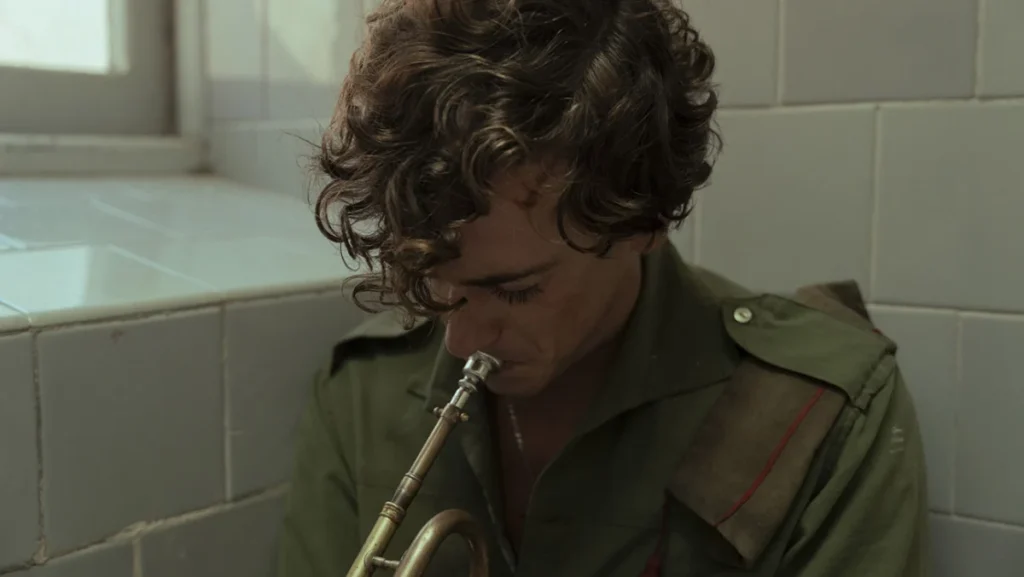

Netflix has successfully acquired the U.S. distribution rights for The Black Ball (La Bola Negra), a highly anticipated competition title from the prestigious Cannes Film Festival. The Spanish-language drama, which features Academy Award winners Penélope Cruz and Glenn Close in significant supporting roles, captivated audiences and critics alike upon its world premiere. The deal, confirmed by The Hollywood Reporter on Saturday, was brokered by leading sales agents CAA Media Finance and Goodfellas, underscoring the fierce competition for high-profile festival films in the contemporary market. This acquisition marks a pivotal moment for Netflix, reinforcing its strategic commitment to securing artistically ambitious international cinema for its vast global subscriber base, particularly those titles poised for critical acclaim and potential awards season recognition.
The Acquisitional Landscape at Cannes: A Battle for Prestige
The Cannes Film Festival, renowned as one of the most significant cinematic events globally, serves not only as a platform for showcasing world-class cinema but also as a vibrant marketplace for film acquisitions. Each year, major studios, independent distributors, and streaming giants converge on the French Riviera, engaging in intense bidding wars for films that stand out in the festival’s various sections. The competition titles, in particular, garner immense attention, often setting the tone for the upcoming awards season and influencing industry trends. Netflix’s swift move to secure The Black Ball immediately following its universally lauded premiere demonstrates the streamer’s aggressive pursuit of prestige content, mirroring a broader industry trend where streaming services increasingly vie with traditional theatrical distributors for exclusive rights to festival darlings.
This year’s festival has been characterized by several high-stakes acquisition battles. For instance, just prior to the The Black Ball deal, A24 famously won a competitive bidding war for Jordan Firstman’s Club Kid, another hotly tipped title. Such intense competition highlights the immense value placed on films that combine critical appeal, directorial vision, and potential for cultural impact. For Netflix, securing The Black Ball is not merely about adding another film to its catalogue; it’s about solidifying its reputation as a home for cinematic excellence, capable of attracting top-tier talent and challenging traditional notions of film distribution. The streamer has, in recent years, navigated a complex relationship with festivals like Cannes, which historically prioritize theatrical releases. However, the increasing dominance of streaming platforms has necessitated a recalibration of these relationships, with festivals now recognizing the undeniable reach and financial power that services like Netflix bring to the global film ecosystem.
Los Javis’s Cinematic Return: A Deep Dive into The Black Ball
At the helm of The Black Ball are the acclaimed Spanish creative duo, Javier Ambrossi and Javier Calvo, affectionately known as Los Javis in their native Spain. Former romantic partners who continue to collaborate artistically, Los Javis have carved out a distinctive niche in Spanish popular culture, known for their bold, often queer-themed narratives that blend humor, heart, and social commentary. Their journey began in television, where they gained widespread recognition for their work on series like Paquita Salas and Veneno, both of which garnered significant critical praise and a devoted following for their groundbreaking portrayals of LGBTQ+ characters and stories.
The Black Ball marks their highly anticipated return to feature filmmaking, their first since the immensely successful 2017 musical comedy-drama Holy Camp! (La Llamada). Holy Camp!, which originated as a stage play, became a cultural phenomenon in Spain, earning multiple Goya Award nominations and cementing Los Javis’s reputation as innovative storytellers. The film, a joyous celebration of self-discovery and faith set in a Catholic summer camp, showcased their unique ability to craft narratives that are both deeply personal and universally resonant. With The Black Ball, Los Javis pivot to a more dramatic and historically charged narrative, signaling a significant evolution in their artistic trajectory while maintaining their characteristic depth and emotional resonance.
The film’s intricate narrative structure spans three distinct periods in Spanish history: 1932, 1937, and 2017. It masterfully weaves together the lives of three different men, each grappling with their identities and desires against the backdrop of profound societal change. What connects these disparate timelines and characters are the final, posthumously published works of Spain’s revered poet and playwright, Federico García Lorca. Lorca, a towering figure of the Generation of ’27, remains an enduring symbol of artistic brilliance and tragic loss. His life and work were deeply intertwined with themes of love, death, repression, and identity, often implicitly or explicitly exploring queer desires in a deeply conservative society. His brutal execution by Nationalist forces at the outset of the Spanish Civil War in 1936 has made him a martyr for artistic freedom and a symbol of the devastating impact of political extremism. By centering their film around Lorca’s legacy, Los Javis not only pay homage to a national treasure but also use his story as a powerful lens through which to examine the enduring struggles and triumphs of queer individuals across generations in Spain.
A Star-Studded Ensemble: Cruz and Close’s Impact
The involvement of actresses of the caliber of Penélope Cruz and Glenn Close in supporting roles significantly elevates the film’s international profile and lends considerable prestige to the project. Penélope Cruz, an icon of Spanish cinema and a global star, is an Academy Award winner known for her intense performances in films by directors like Pedro Almodóvar, Woody Allen, and Ridley Scott. Her presence in any Spanish-language production immediately draws international attention, and her commitment to The Black Ball speaks volumes about the quality and artistic ambition of Los Javis’s vision. Cruz’s ability to imbue even minor characters with profound depth and authenticity will undoubtedly be a major draw for audiences.
Similarly, Glenn Close, a seven-time Academy Award nominee and a celebrated veteran of stage and screen, brings an unparalleled gravitas and experience to the ensemble. Known for her versatile and powerful performances in films such as Fatal Attraction, Dangerous Liaisons, and The Wife, Close possesses a commanding screen presence. Her decision to take on a supporting role in a Spanish-language independent film from emerging directors underscores the compelling nature of the script and the talent involved. The collaboration of these two formidable actresses, each bringing their unique artistic sensibilities to the project, creates a powerful intergenerational and international dynamic within the film, further enhancing its appeal to a diverse global audience. Their participation not only adds star power but also signals a strong endorsement of the film’s artistic merit and its important thematic explorations.
Unpacking the Narrative: History, Identity, and Art
The Black Ball delves deep into a crucial, often overlooked aspect of history: the lost narratives of gay individuals living in dangerous and repressive eras. The film’s temporal framework – 1932, 1937, and 2017 – is meticulously chosen to illustrate the societal shifts and persistent challenges faced by the LGBTQ+ community in Spain. 1932 represents the burgeoning freedoms of the Second Spanish Republic, a brief period of progressive social reform before the onset of civil war. This era saw a relative loosening of social strictures, allowing for nascent expressions of identity that would soon be brutally suppressed. 1937 plunges viewers into the heart of the Spanish Civil War, a period of immense violence and ideological conflict, where individual identities were often subsumed by collective struggle and political repression. Lorca’s murder in 1936 epitomizes the dangers faced by those deemed "different" or subversive during this tumultuous time. Finally, 2017 brings the narrative to contemporary Spain, a country that has made significant strides in LGBTQ+ rights, including legalizing same-sex marriage in 2005. This modern timeline allows Los Javis to explore the legacy of the past, the echoes of historical trauma, and the continued journey toward full acceptance and understanding.
The film’s connection to Federico García Lorca is not merely symbolic; it is deeply woven into its thematic fabric. Lorca’s poetry and plays, with their themes of forbidden love, social constraint, and the yearning for freedom, provide a powerful intertextual layer. His own suspected homosexuality, though never openly declared due to the societal norms of his time, has long been a subject of scholarly discussion and artistic interpretation. By linking the stories of their three protagonists to Lorca’s "last works," Los Javis suggest an enduring artistic and spiritual connection across generations, highlighting how art can transcend time to give voice to the silenced and illuminate universal human experiences. The film becomes a meditation on how repression, war, and societal prejudice can shape lives, yet fail to extinguish the innate human need for connection, love, and self-expression.
Critical Acclaim and Technical Prowess
The thunderous and lengthy standing ovation The Black Ball received at its Cannes world premiere on Thursday evening was a clear indicator of its profound impact. This reception was further solidified by glowing critical reviews, including The Hollywood Reporter‘s assessment, which lauded the film as a "consideration of so much lost gay history" and an "acknowledgment of what it must have been for men of a dangerous and repressive era to find themselves helplessly drawn to one another." The review particularly praised Los Javis’s masterful execution of this ambitious vision, highlighting their "thrilling technical bravado."
The critical consensus points to a film that is not only emotionally resonant but also visually stunning. THR‘s review noted that "Nearly every shot in the film is a carefully composed wonder, either an eye-popping still-life tableau or a breathtaking bit of camera movement, all done up in lush, expensive-looking period detail." This meticulous attention to visual aesthetics, combined with a sophisticated narrative structure that gracefully toggles between timelines, marks The Black Ball as a truly ambitious and accomplished work. The ability of Los Javis to infuse humor and surprising levity into scenes, preventing them from "tilting into turgidity," further demonstrates their nuanced storytelling capabilities. Such praise from a major industry publication at a festival like Cannes signifies the arrival of Los Javis as major international filmmakers, capable of delivering complex, thought-provoking cinema that resonates on multiple levels.
Netflix’s Strategic Play: Global Reach for Arthouse Cinema
Netflix’s acquisition of The Black Ball for the U.S. market is a calculated strategic move within its broader content acquisition strategy. With over 270 million subscribers worldwide, Netflix operates on a scale that demands a diverse and constantly refreshed content library. While the platform is known for its mainstream blockbusters and popular series, it has also increasingly invested in prestige arthouse films, particularly those with international appeal, to attract and retain a sophisticated subscriber base. These films often perform well during awards season, bringing critical acclaim and marketing opportunities that enhance Netflix’s brand as a home for quality cinema.
The acquisition of The Black Ball aligns perfectly with this strategy. Its Spanish-language origin, combined with themes of historical significance and LGBTQ+ identity, taps into growing global demand for diverse storytelling. Furthermore, the involvement of established stars like Cruz and Close, alongside the rising profile of Los Javis, provides significant marketing leverage. For Netflix, securing U.S. rights means they can offer this critically acclaimed film exclusively to their massive American audience, potentially drawing new subscribers interested in high-quality international cinema and generating significant buzz during the awards campaigning period. This move also positions Netflix as a key player in supporting and distributing independent and foreign-language films, offering a powerful platform for stories that might otherwise struggle to find widespread distribution in the highly competitive U.S. market.
Global Distribution Beyond the U.S.
While Netflix has secured the coveted U.S. rights, the distribution strategy for The Black Ball in other territories reflects a hybrid model, common for international co-productions. Elastica, a prominent Spanish distributor, is slated to release the film theatrically in Spain in October. This ensures that the film will have a significant big-screen presence in its home country, allowing Spanish audiences to experience Los Javis’s latest work in a traditional cinema setting. Similarly, co-producer Le Pacte will handle the theatrical release in France, a crucial market for arthouse cinema and the host country of the Cannes festival.
This multi-faceted distribution approach highlights the evolving landscape of film exhibition. While Netflix provides unparalleled reach in the U.S., traditional theatrical releases in key international markets remain vital for cultural impact, critical engagement, and generating initial buzz. It allows the film to benefit from the prestige and communal experience of cinema while also leveraging Netflix’s extensive streaming capabilities for long-term accessibility and global viewership in the U.S. and potentially other territories not covered by specific theatrical deals. This balanced strategy ensures that The Black Ball can maximize its audience reach and cultural footprint across different consumption platforms.
The Broader Impact: Spanish Cinema on the World Stage
The Black Ball‘s success at Cannes and its subsequent acquisition by Netflix represent a significant moment for Spanish cinema. It underscores the continued vitality and creativity of Spanish filmmakers, particularly those like Los Javis who are pushing boundaries with their storytelling. The film’s focus on Federico García Lorca and Spain’s complex history, particularly regarding LGBTQ+ experiences, offers a rich cultural tapestry that resonates far beyond national borders.
This acquisition further solidifies the global appeal of Spanish-language content, a trend that Netflix itself has significantly contributed to with the success of series like Money Heist and Elite. By investing in films like The Black Ball, Netflix not only diversifies its own portfolio but also acts as a powerful conduit for bringing diverse international voices and narratives to a global audience. The film’s exploration of "lost gay history" contributes significantly to the ongoing discourse around LGBTQ+ representation in mainstream cinema, offering a poignant and historically informed perspective. As the industry continues to prioritize inclusive storytelling, The Black Ball stands as a powerful example of how compelling narratives can bridge cultural divides and illuminate universal truths about identity, love, and resilience in the face of adversity.
In conclusion, Netflix’s acquisition of The Black Ball is more than just a business transaction; it is a testament to the film’s artistic merit, the directorial prowess of Los Javis, the star power of its cast, and the enduring relevance of its themes. It signifies Netflix’s continued evolution as a major player in the prestige film market and promises to bring a powerful, critically acclaimed piece of Spanish cinema to millions of viewers across the United States, further cementing the global reach of diverse storytelling.