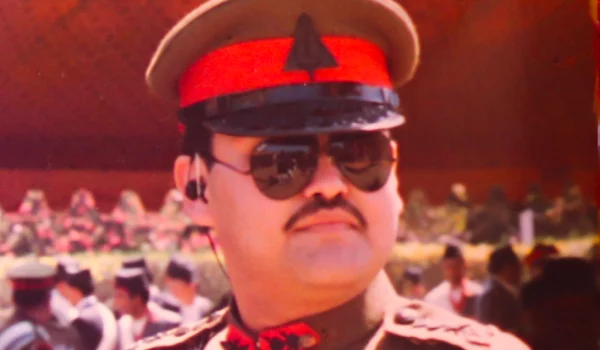

A quarter of a century has passed since one of the most shocking events in modern royal history unfolded behind the gilded walls of Nepal’s royal palace, an event that irrevocably altered the course of the nation and sent ripples of horror across the globe. On the evening of June 1, 2001, the Narayanhiti Royal Palace in Kathmandu, the opulent seat of the Nepalese monarchy, was the setting for what was intended to be a convivial family gathering. Instead, within the span of a few harrowing hours, the idyllic facade shattered, plunging the country into a profound abyss of mourning and disbelief as ten members of the royal family lay dead or dying. At the epicenter of this devastating tragedy was Crown Prince Dipendra, the heir to the Nepalese throne, whose actions, as per the official investigation, unleashed a torrent of violence upon his own family before he turned a weapon upon himself.
The Night of the Massacre: A Grim Chronology
The events of June 1, 2001, remain etched in the collective memory of Nepal as a night of inexplicable horror. The royal family had convened for a customary Friday night gathering at the palace, a tradition often involving informal dinners and social interaction. However, the atmosphere on this particular evening would soon transform into one of terror.
Approximately 7:30 PM (Nepal Standard Time): Reports indicate that Crown Prince Dipendra, reportedly under the influence of alcohol and possibly drugs, arrived at the gathering dressed in a camouflage military uniform. Initial accounts suggest he was agitated and had been involved in a heated discussion prior to his arrival.
Between 7:30 PM and 8:00 PM: The exact sequence of events within the palace is pieced together from survivor testimonies and the subsequent official inquiry. The Crown Prince, armed with automatic rifles, is believed to have first opened fire in the billiards room where many of the royal family members were assembled. The sudden and brutal nature of the attack left many without a chance to comprehend or react.
Immediate Aftermath: Chaos and pandemonium ensued within the palace walls. Those who were not directly targeted, or who managed to escape the initial onslaught, were faced with the grim reality of the massacre. Security personnel and palace staff, initially disoriented by the unprecedented violence, began to assess the horrific scene.
Crown Prince Dipendra’s Actions: According to the official investigation, the 29-year-old Crown Prince was responsible for the deaths of his parents, King Birendra and Queen Aishwarya, as well as several other close relatives, including siblings, aunts, and uncles. Following the rampage, he is believed to have shot himself in the head, sustaining critical injuries.
The Critical Hours: Critically injured and unconscious, Dipendra was rushed to the military hospital. In a peculiar and tragic turn of events, his condition rendered him unable to fulfill his royal duties, yet technically, he ascended to the throne.
June 2-4, 2001: Crown Prince Dipendra remained in a coma throughout these days. Despite efforts to save him, he never regained consciousness. His brief, unconscious reign concluded with his death on June 4, 2001.
Succession: Following Dipendra’s death, the throne passed to his uncle, Prince Gyanendra, who had not been present at the fatal gathering. His accession marked a significant shift in the Nepalese monarchy.
The Victims: A Devastated Royal Lineage
The massacre claimed the lives of ten members of the Nepalese royal family, leaving a gaping wound in the nation’s heart. The victims included:
- King Birendra Bir Bikram Shah Dev: The reigning monarch, widely respected for his measured approach and efforts to steer Nepal through a period of political transition.
- Queen Aishwarya Rajya Lakshmi Devi Shah: The beloved Queen Consort, known for her grace and significant involvement in philanthropic activities.
- Crown Prince Dipendra Bir Bikram Shah Dev: The perpetrator of the massacre and, for a brief period, the King.
- Princess Shruti Rajya Lakshmi Devi Shah: The King and Queen’s only daughter.
- Prince Niranjan Shah Dev: The King and Queen’s younger son.
- Prince Dhirendra Shah: King Birendra’s younger brother.
- Princess Shanti Rajya Lakshmi Devi Singh: King Birendra’s elder sister.
- Princess Sharada Rajya Lakshmi Devi Shah: King Birendra’s sister.
- Kumar Khadga Bikram Shah: Princess Sharada’s husband.
- Princess Jayanti Rajya Lakshmi Devi Shah: King Birendra’s cousin.
The loss of such a significant portion of the royal family in a single incident was unprecedented and sent shockwaves of grief and bewilderment throughout Nepal and the international community.
The Official Investigation and Lingering Questions
The immediate aftermath of the massacre saw a swift official investigation, led by a committee appointed by the government. The findings, released shortly after the event, unequivocally pointed to Crown Prince Dipendra as the sole perpetrator. The report detailed his alleged motive, citing a deep-seated unhappiness and resentment stemming from a disapproved romantic relationship.
The Devyani Rana Connection: One of the most widely discussed and persistent theories surrounding Dipendra’s motive centers on his relationship with Devyani Rana, a woman from a prominent political family. Reports at the time suggested that Dipendra was deeply in love with Rana and intended to marry her. However, it is believed that this proposed union faced significant opposition from within the royal family, particularly from Queen Aishwarya, who reportedly had reservations about the match. The narrative suggests that Dipendra’s desperation and frustration over this unfulfilled desire may have culminated in the tragic events of that night.
Despite the official conclusion, the question of "why" has never been fully settled in the public consciousness. The official explanation, while providing a framework, has been unable to entirely quell the speculation and doubt that continue to surround the massacre. The intense pressure of royal life, potential psychological issues, and the rigid traditions of the monarchy are often cited as contributing factors that may have exacerbated the situation.
Conspiracy Theories and Doubts: The extraordinary nature of the event naturally fueled conspiracy theories. The absence of Prince Gyanendra, Dipendra’s uncle, from the fateful gathering led some to question the official account, suggesting a potential involvement or foreknowledge on his part. However, no concrete evidence has ever emerged to substantiate these claims. The official investigation maintained its stance, attributing the massacre solely to Dipendra’s actions.
Broader Impact and Implications: A Nation in Turmoil
The royal massacre of June 1, 2001, was not merely a personal tragedy for the Nepalese royal family; it was a cataclysmic event that had profound and far-reaching consequences for the nation of Nepal.
Erosion of Public Confidence in the Monarchy
The deeply unsettling nature of the massacre, coupled with the subsequent reign of Prince Gyanendra, significantly eroded public confidence in the monarchy. The institution, once a symbol of national unity and stability, found itself grappling with questions of legitimacy and effectiveness. The tragic events cast a long shadow over the monarchy’s future, creating an environment ripe for political change.
Political Instability and the Rise of Republicanism
The years following the massacre were marked by significant political instability. Nepal was already facing a burgeoning Maoist insurgency, and the weakened state of the monarchy further destabilized the political landscape. The public’s disillusionment with the traditional power structures, amplified by the royal tragedy, created fertile ground for more radical political movements.
The End of the Monarchy
The cumulative effect of the royal massacre and the subsequent political turmoil ultimately led to the dismantling of Nepal’s centuries-old monarchy. In 2008, just seven years after the massacre, Nepal formally transitioned into a federal democratic republic. This momentous shift brought an end to the Shah dynasty’s rule, a dynasty that had presided over Nepal for over two centuries. The royal massacre, in many ways, served as a catalyst for this fundamental transformation of Nepal’s governance.
A Lasting Trauma
For many Nepalese people, the events of June 1, 2001, remain a deeply painful and traumatic chapter in their nation’s history. The memory of a beloved King and Queen, and the horrific circumstances of their deaths, continues to haunt the collective consciousness. The royal massacre stands as one of the most haunting and mysterious episodes to have ever affected a modern monarchy, a stark reminder of the fragility of power and the unpredictable nature of human tragedy.
International Reactions and Global Concern
The news of the Nepalese royal massacre sent shockwaves across the international diplomatic and royal circles. Royal households worldwide expressed their profound shock and sorrow. Condolences poured in from heads of state and government, highlighting the global concern for Nepal during this period of immense crisis. The event underscored the vulnerability of even the most established monarchies to unforeseen and devastating acts of violence. The BBC reported extensively on the unfolding tragedy, providing live updates and expert analysis that kept the world informed. The New York Times also dedicated significant coverage, detailing the events and the subsequent political ramifications.
Enduring Legacy: A Symbol of Unanswered Questions
Twenty-five years on, the Narayanhiti Royal Palace massacre continues to be a subject of fascination and sober reflection. While the official narrative provides a conclusion, the unresolved questions surrounding motive and the lingering aura of mystery ensure that the event remains etched in the annals of modern history as a deeply unsettling testament to the complexities of human nature and the volatile interplay of power, tradition, and personal turmoil within the confines of a royal dynasty. The tragedy serves as a poignant reminder that even in the most gilded of settings, the darkest of human impulses can manifest with devastating consequences, forever altering the destiny of a nation.