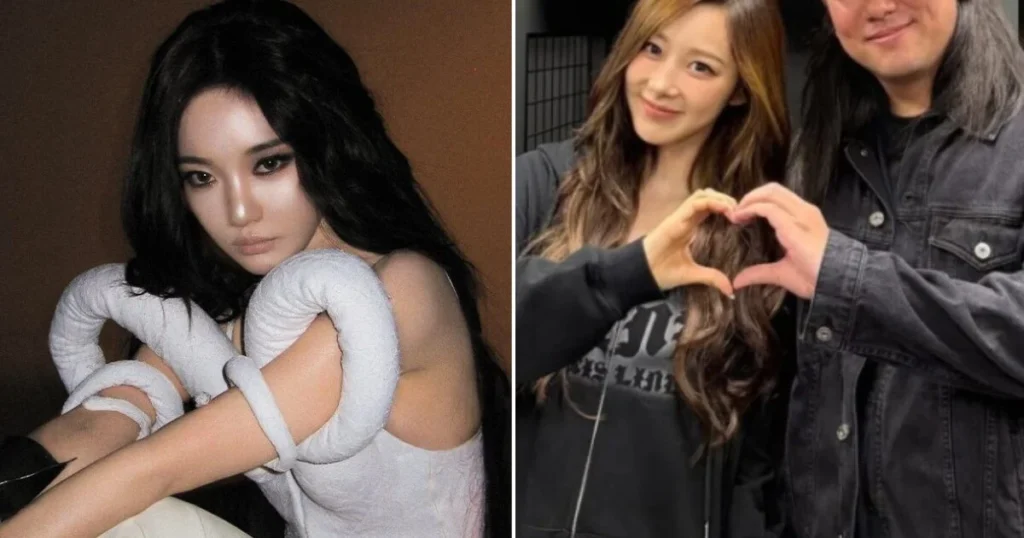

The landscape of the South Korean entertainment industry, particularly the world of K-pop, is traditionally characterized by a high degree of mediation between artists and the public. Official statements regarding the personal lives of idols are typically funneled through corporate public relations departments, often resulting in carefully worded denials or vague acknowledgments. However, a recent incident involving NingNing, a member of the globally renowned girl group aespa, has signaled a potential shift in this dynamic. NingNing has garnered significant international attention after she took the unprecedented step of directly commenting on social media regarding dating rumors involving her fellow group member, Giselle. This direct intervention, characterized by its brevity and informal nature, has sparked a broader conversation about artist autonomy, the validity of "rumor-mill" journalism, and the evolving relationship between idols and their digital audiences.
The Genesis of the Rumors: Giselle and Yasuda Shintaro
The controversy began when speculative reports surfaced across various online communities and social media platforms linking aespa’s Giselle to Yasuda Shintaro, a prominent Japanese songwriter and producer. Shintaro is a well-known figure within the music industry, having contributed to the discographies of several high-profile K-pop acts, including NCT 127. The rumors suggested a romantic entanglement between the two, though no concrete evidence beyond typical netizen speculation—such as perceived "lovestagram" coincidences or shared professional circles—was initially provided.
In the K-pop ecosystem, dating rumors involving high-profile idols like Giselle are rarely treated as minor news. Given aespa’s status as a leading fourth-generation group under SM Entertainment, any speculation regarding the members’ private lives carries the potential to impact brand reputation, stock prices, and fan sentiment. Traditionally, the protocol for such events involves the agency conducting an internal investigation and issuing a formal "yes," "no," or "we cannot confirm private matters" statement.
NingNing’s Unprecedented Social Media Interaction
The situation took a turn toward the unconventional when an Instagram account dedicated to K-pop news and rumors shared a post detailing the alleged relationship between Giselle and Shintaro. While most idols maintain a strictly professional distance from such accounts, NingNing broke this unspoken rule. Observers were shocked to find a comment from NingNing’s verified personal Instagram account on the post. Her response was simple but potent: a single "laughing with tears" emoji (😂).
This reaction was immediately captured via screenshots and disseminated across platforms like X (formerly Twitter), TikTok, and various South Korean forums such as Pann and TheQoo. The simplicity of the response was interpreted by the majority of the fanbase, known as MYs, as a definitive, albeit informal, debunking of the rumors. By laughing at the post, NingNing effectively signaled that the claims were, in her view, too absurd to be taken seriously.
A Chronology of Direct Idol Communication
To understand the weight of NingNing’s comment, one must look at the timeline of how dating rumors have been handled in the recent past. For decades, the "dating ban" was a staple of K-pop contracts, and even as these bans have loosened, the "scandal" of a relationship remains a sensitive topic.
- Early 2024: Karina, the leader of aespa, was confirmed to be in a relationship with actor Lee Jae-wook. The news resulted in a significant backlash from a subset of fans, leading to Karina issuing a handwritten apology on Instagram. This event highlighted the immense pressure idols face regarding their personal lives.
- Mid-2024: Following the resolution of Karina’s public narrative, the members of aespa appeared to adopt a more assertive stance regarding their public images. During the promotional cycle for their first full-length album, Armageddon, the group emphasized themes of self-confidence and multi-dimensional identity.
- May 21, 2026: The rumors regarding Giselle and Yasuda Shintaro reached a fever pitch on social media.
- May 21, 2026 (Later that day): NingNing’s comment appeared on the Instagram post, marking the first time a member of a top-tier active girl group has used their personal account to react derisively to a peer’s dating rumor in real-time.
Analysis of the Impact: Shifting PR Paradigms
NingNing’s decision to engage with the rumor is seen by industry analysts as a bold move that reflects a growing trend of "Gen Z" idols demanding more control over their narratives. There are several implications to this specific type of interaction:
The "Debunking" Power of Authenticity
When an agency issues a denial, it is often viewed with skepticism by some netizens who believe the company is simply "protecting the asset." However, when a fellow member—someone who spends the majority of their time with the individual in question—publicly mocks a rumor, it carries a different kind of social currency. NingNing’s laughter suggests a level of insider knowledge that makes the rumor appear baseless to the public.
Risk and Reward for SM Entertainment
For SM Entertainment, this type of "rogue" PR is a double-edged sword. On one hand, it effectively shuts down a potentially damaging rumor without the need for a stiff, corporate press release. On the other hand, it sets a precedent where idols might feel empowered to respond to more serious or sensitive allegations, which could lead to legal or reputational complications if not managed carefully.

The Humanization of the Idol
For many fans, NingNing’s reaction was refreshing. The K-pop industry is often criticized for being overly manufactured. Seeing an idol react to "fake news" in the same way a regular person might—by laughing at it—humanizes the artist. This fosters a deeper sense of loyalty and connection among fans who feel that the members are being "real" with them.
Fan Reactions and Global Discourse
The global reaction to NingNing’s comment has been overwhelmingly positive, with many praising her "savage" or "unbothered" attitude. On social media, fans highlighted that this was a landmark moment for female idols. One viral post on X noted, "This is the first time I have ever seen a female idol raise her voice on a dating rumor; it shows how much they are over the industry’s nonsense."
Other fans took a more humorous approach, jokingly referring to NingNing as "Giselle’s real girlfriend" or the "protector of the group." These reactions underscore a cultural shift where fans are increasingly prioritizing the mental well-being and agency of the artists over the traditional "fantasy" of idol availability.
Supporting Data: The Rising Influence of aespa
The significance of this event is amplified by aespa’s current standing in the music industry. As of 2024 and 2025, aespa has solidified its position as a "triple-threat" group, dominating digital charts, physical sales, and luxury fashion endorsements. Their recent tracks, such as "Supernova," achieved multiple "Perfect All-Kills" (PAK) on South Korean music charts, indicating a massive and broad public appeal.
When a group possesses this level of cultural capital, the actions of individual members carry more weight. NingNing, specifically, has seen a surge in individual popularity, with millions of followers on Instagram and a reputation for being one of the most vocally talented and fashion-forward idols of her generation. Her digital footprint is massive, meaning a single emoji can reach tens of millions of people within minutes, effectively neutralizing a tabloid narrative faster than any traditional news outlet could.

Broader Implications for the K-pop Industry
NingNing’s interaction with the Giselle rumor may serve as a blueprint for how future idols handle misinformation. As social media platforms become the primary source of news for younger generations, the ability of an artist to directly address their audience is becoming a vital tool in crisis management.
Furthermore, this incident highlights the growing irrelevance of "anonymous" rumor accounts. When idols themselves call out these accounts, it diminishes the credibility of the "leaks" and "insider info" these pages claim to possess. It suggests a future where the barrier between the "idol world" and the "real world" continues to thin, allowing for more transparent, albeit less controlled, communication.
Conclusion
While SM Entertainment has not released an official statement regarding the dating rumors or NingNing’s social media activity, the public consensus appears to have shifted in favor of the group. By utilizing a single emoji, NingNing managed to defend her teammate, entertain her fanbase, and challenge the traditional norms of K-pop PR.
As aespa continues their global trajectory, the members’ willingness to speak their minds—whether through music or a well-placed comment on Instagram—remains a defining characteristic of their brand. The "NingNing incident" will likely be remembered as a small but significant turning point in how K-pop stars navigate the complex and often invasive world of online speculation. For now, the rumors surrounding Giselle and Yasuda Shintaro appear to have been effectively laughed off the stage, leaving the group to focus on their upcoming international schedules and musical releases.