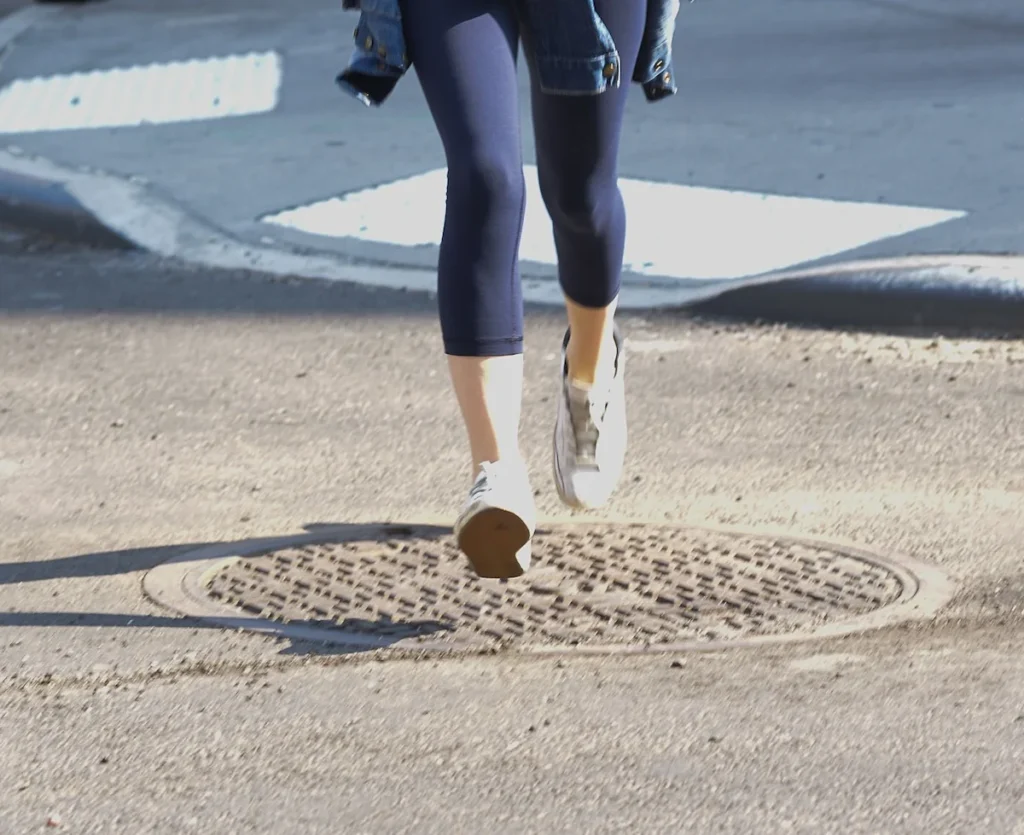

New York City’s labyrinthine subterranean world has become the focal point of an intriguing mystery, as a series of surveillance videos have captured multiple groups of individuals clandestinely entering and exiting city manholes under the cover of darkness. These bizarre occurrences, reported across Brooklyn and Queens over recent weeks, have ignited widespread curiosity, fueled online theories, and prompted official investigations into the unauthorized nocturnal activities beneath the bustling streets of the Big Apple. While authorities currently state there is no known threat to public safety, the incidents underscore the inherent dangers of the city’s vast underground infrastructure and raise questions about the motivations behind these covert excursions.
A Pattern Emerges: Documenting the Subterranean Incursions
The first reports of these peculiar activities began surfacing earlier this spring, but a notable increase in documented incidents over the past month has brought the issue to public attention. Surveillance footage, disseminated by news outlets like CNN and subsequently amplified across social media platforms, depicts scenes that many have likened to something from a cinematic thriller. The videos consistently show groups of people manipulating manhole covers and descending into, or emerging from, the depths of the city’s underground network, primarily during the late-night and early-morning hours.
One of the most striking incidents occurred in Williamsburg, Brooklyn. During the pre-dawn hours, approximately seven individuals were observed emerging from a manhole in the middle of an intersection. According to reports and visual evidence, some members of this group were equipped with headlamps and appeared to be carrying tools, suggesting a degree of preparation for their underground venture. The perilous nature of their emergence was starkly highlighted when one individual narrowly avoided being struck by a passing vehicle while clambering out, underscoring the extreme risks associated with such unauthorized access.
Another significant event was recorded in Brooklyn’s Gravesend neighborhood. Here, a similarly sized group was allegedly seen exiting a manhole around 2:00 AM. Following their emergence, these individuals reportedly moved towards parked vehicles where they changed into fresh clothing, indicating a potential prolonged stay underground or a desire to shed attire that had been exposed to the subterranean environment. Authorities estimate this particular group may have spent up to three hours within the sewer system before resurfacing.
Earlier in the spring, surveillance footage from Queens documented yet another instance. In this case, three individuals, noticeably dressed in what appeared to be waterproof gear, were observed opening a manhole cover and descending into the sewer system. Witnesses reported that the final person meticulously closed the manhole cover behind them, effectively sealing their disappearance underground and adding to the clandestine nature of these operations. The consistent pattern across these incidents – nocturnal timing, group participation, and the use of specific gear – suggests a deliberate and organized approach rather than spontaneous acts.
The City’s Subterranean Labyrinth: A Contextual Overview
New York City sits atop a colossal and intricate network of underground infrastructure, a hidden world essential for its daily functioning. This subterranean realm includes thousands of miles of sewer lines, storm drains, water mains, steam pipes, electrical conduits, gas lines, and subway tunnels. Much of this infrastructure dates back to the 19th and early 20th centuries, a testament to the city’s long history of urban development. For instance, the city’s sewer system alone comprises over 7,400 miles of pipes and 140,000 manholes, managed by the Department of Environmental Protection (DEP). This vast network, while vital, is also a highly hazardous environment.
Historically, urban exploration, often referred to as "urbex," has captivated a niche community. Enthusiasts are drawn to abandoned structures, forgotten tunnels, and utility spaces, seeking adventure, unique photographic opportunities, or a glimpse into hidden histories. New York City, with its layered history and extensive underground, has always been a magnet for such activities. However, unauthorized entry into active utility infrastructure, especially sewer systems, is distinctly different from exploring abandoned sites due to the immediate and severe dangers involved.
Past incidents in New York and other major cities have highlighted the severe consequences of unauthorized underground access. These range from fatalities due to toxic gases or confined space accidents to serious injuries from falls, electrocution, or steam burns. Furthermore, such incursions can pose security risks, particularly for critical infrastructure, making these recent manhole incidents a matter of serious concern for city officials, even in the absence of an immediate public threat.
Official Response and Warnings: Prioritizing Public Safety
In response to the circulating videos and growing public concern, New York City officials have initiated investigations into these incidents. The New York City Police Department (NYPD) and the Department of Environmental Protection (DEP) are the primary agencies involved. While the investigations are ongoing, authorities have been quick to emphasize that there is currently no indication of a broader threat to public safety stemming from these activities.
However, city officials are simultaneously issuing strong warnings about the extreme dangers of entering the sewer system or any other unauthorized underground infrastructure. Rob Wolejsza, a spokesperson for the city’s Department of Environmental Protection, provided a stern caution: "Sewers can contain numerous hazards, including noxious and potentially deadly gases, unstable surfaces, flooding risks, and confined spaces. For these reasons, members of the public should never enter a pipe, drain, catch basin, manhole, or outfall."
The DEP’s warning is rooted in decades of experience with the perilous conditions found underground. Sewer systems, in particular, are not designed for human presence. They are environments where decomposition processes release a cocktail of gases, including highly toxic hydrogen sulfide, flammable methane, and odorless carbon monoxide, which can rapidly lead to unconsciousness and death. Oxygen levels can also be critically low, creating immediately dangerous to life or health (IDLH) conditions. Furthermore, the structural integrity of older pipes can be compromised, leading to collapses, and sudden influxes of stormwater can cause rapid, life-threatening flooding.
Initial inspections conducted by city officials after some of the reported incidents have, so far, found no evidence of damage to the sewer infrastructure. While this is a reassuring finding regarding the immediate physical integrity of the system, it does not diminish the inherent risks to the individuals involved or the illegality of their actions. Trespassing into city infrastructure can carry significant legal penalties, including fines and potential imprisonment, depending on the specific statutes violated and the extent of any damage or disruption caused.
The Perils Below: Understanding the Dangers
The hazards associated with unauthorized entry into New York City’s underground utilities extend far beyond mere inconvenience. Confined spaces, a term used by safety professionals for areas with limited entry/exit, poor ventilation, and not intended for continuous occupancy, are notoriously dangerous. OSHA (Occupational Safety and Health Administration) mandates strict safety protocols for workers entering such spaces precisely because of the high risk of fatalities and serious injuries.
Specific dangers include:
- Toxic Gases: As mentioned, hydrogen sulfide, methane, and carbon monoxide are prevalent in sewers. Hydrogen sulfide, often recognizable by its "rotten egg" smell at low concentrations, rapidly dulls the sense of smell and can cause respiratory paralysis and death at higher concentrations. Methane is highly flammable and explosive. Carbon monoxide, an invisible and odorless killer, displaces oxygen in the blood.
- Oxygen Deficiency: Decomposition and rusting processes consume oxygen, leading to environments where oxygen levels fall below safe limits, causing dizziness, confusion, and suffocation.
- Flammability and Explosions: The accumulation of methane gas, combined with an ignition source (even a spark from tools or static electricity), can lead to devastating explosions.
- Falls and Unstable Surfaces: The underground environment is often dark, wet, slippery, and uneven. Ladders can be corroded, and surfaces can be unstable, leading to severe falls.
- Biological Hazards: Sewers contain pathogens from human waste, posing risks of infection and disease.
- Flooding: Sudden and unpredictable surges of water, especially during rainfall, can quickly trap and drown individuals.
- Entrapment: The labyrinthine nature of some systems, combined with confined spaces, can lead to individuals becoming lost or trapped.
These are not theoretical risks; there have been numerous documented fatalities and severe injuries globally related to unauthorized access to sewers and utility tunnels. The city’s warnings are therefore not merely bureaucratic pronouncements but critical safety advisories based on grim realities.
Speculation and Public Theories: What Are They Doing Down There?
The lack of an immediate official explanation for these incidents has created a fertile ground for public speculation and online theories. From the innocuous to the outlandish, the internet has wasted no time in attempting to unravel the mystery.
Common theories include:
- Urban Explorers/Adventurers: This is a popular theory, suggesting the groups are thrill-seekers documenting hidden parts of the city. Their headlamps and tools could support this.
- Treasure Hunters: The idea of searching for forgotten valuables or unique artifacts beneath the city.
- Graffiti Artists/Street Artists: Some speculate they might be seeking unique, inaccessible canvases for their art.
- Homeless Shelters/Secret Communities: While the groups appear well-equipped and not indicative of permanent habitation, the vastness of the underground has historically provided refuge for some.
- Criminal Activity: This theory, voiced by local resident Anthony Purdie, suggests more nefarious intentions. "They look like they were looking for something important, like money, or for doing some type of hurting. Ain’t no fun and games. I mean, seven grown adults going down there? Got to be something, man." This could range from copper theft (a significant problem for utilities) to planning heists, or even illicit drug operations that seek secluded, inaccessible locations.
- Art Projects/Performances: Some speculate about avant-garde art installations or performances utilizing the unique underground setting.
- Geocaching/Gaming: Though less likely given the tools and attire, some intricate games or scavenger hunts incorporate real-world locations.
The sheer scale and organization observed in some incidents, particularly the changing of clothes and apparent multi-hour excursions, lend credence to theories beyond simple, spontaneous curiosity. The fact that city officials found no damage to infrastructure might suggest that the groups are careful, perhaps experienced, or that their activities do not involve destructive acts.
Broader Implications: Security and Infrastructure
Beyond the immediate safety concerns for the individuals involved, these unauthorized entries raise broader questions about urban security and infrastructure vulnerability. New York City, as a global hub and a target for various threats, maintains heightened security awareness. While the NYPD has stated no public threat is indicated, any breach of critical infrastructure can theoretically open pathways for more serious issues.
- Security Vulnerabilities: Unauthorized access to utility networks could be exploited for malicious purposes, ranging from vandalism to espionage or even, in extreme scenarios, acts of terrorism. Understanding who is accessing these systems and why is crucial for national and urban security.
- Infrastructure Integrity: Even without immediate damage, repeated unauthorized access could lead to wear and tear, or inadvertently introduce foreign objects that could cause blockages or operational issues in a delicate system designed for specific flows and pressures.
- Resource Allocation: Investigations into such incidents divert valuable resources from emergency services and utility maintenance, incurring costs and potentially delaying other essential work.
- Public Trust and Misinformation: The proliferation of unverified theories online can erode public trust in official information and create unnecessary panic or sensationalism.
For utility companies like Con Edison, which manages vast electrical and steam networks under the city, and National Grid, responsible for gas lines, any unauthorized access to their conduits represents a serious breach of security and safety protocols. These companies invest heavily in securing their infrastructure precisely to prevent accidents and disruptions.
Ongoing Investigations and Future Outlook
As the investigations continue, authorities are undoubtedly working to identify the individuals involved, understand their motivations, and assess the full scope of these activities. The challenge lies in the vastness of the city’s underground network and the clandestine nature of these entries. Increased surveillance, public awareness campaigns, and enhanced security measures around manhole access points could be potential responses.
For now, the mystery of New York City’s manhole adventurers persists. The vivid images of groups disappearing into the urban underworld continue to circulate, fueling both fascination and apprehension. While the official stance remains cautious and focused on safety, the underlying questions – what are they doing, and why – continue to resonate. The incidents serve as a potent reminder of the hidden complexities and inherent dangers that lie beneath the surface of one of the world’s busiest cities, prompting residents and officials alike to ponder the secrets the Big Apple’s subterranean maze might still hold. The city reiterates its urgent warning: the underground is a hazardous environment, strictly off-limits to the public, and unauthorized entry is not only illegal but potentially fatal.