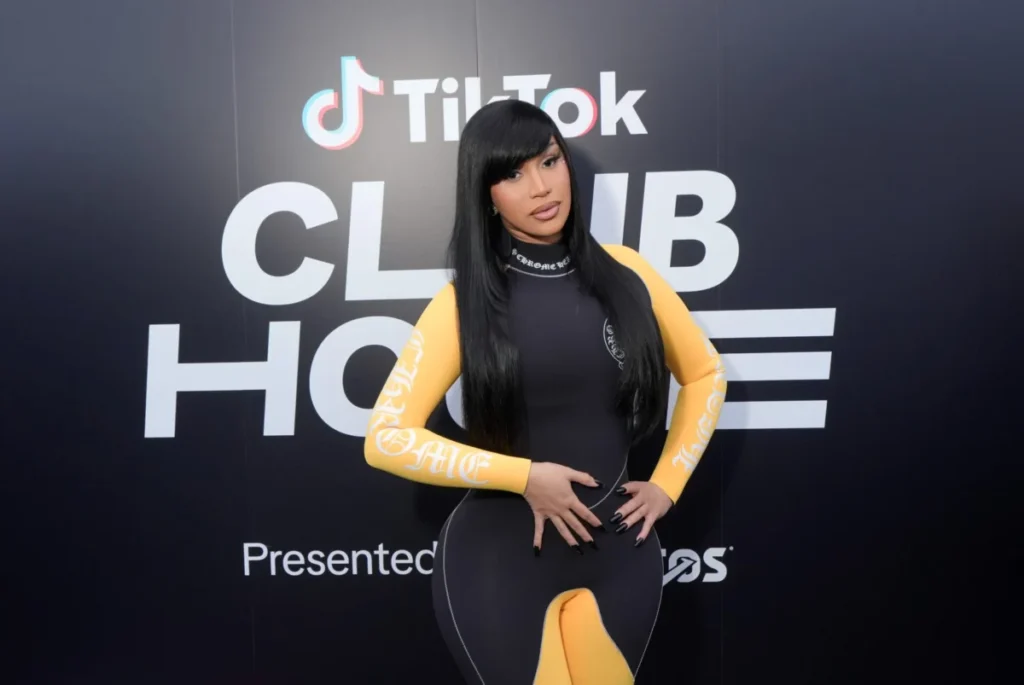

In a significant escalation of their ongoing legal battle, Grammy-winning rapper Cardi B is demanding that gossip blogger Tasha K, also known as Latasha Kebe, reimburse over $100,000 in legal fees. This demand stems from Tasha K’s alleged violation of a non-disparagement agreement, a crucial component of the bankruptcy settlement reached between the two prominent figures. The core of the dispute revolves around Tasha K’s continued public commentary, particularly concerning Cardi B’s personal life, which the rapper’s legal team asserts directly contravenes the terms of their agreement.
The legal action initiated by Cardi B’s attorneys seeks to hold Tasha K accountable for the expenses incurred in monitoring her online activities and enforcing the settlement. U.S. Bankruptcy Judge Scott M. Grossman previously ruled Tasha K in contempt of court last month for breaching the agreement. This ruling followed Tasha K’s social media posts and radio show statements that touched upon Cardi B’s estranged husband, Offset, and NFL player Stefon Diggs, the father of Cardi B’s youngest child.
Cardi B’s legal team, represented by attorneys James Moon and Lisa Moore of Meland Budwick and Moore Pequignot, has submitted a detailed accounting of the accrued fees. The total amount requested is $110,115, reflecting over 100 hours of "time-intensive and legally complex" work. These legal efforts were necessitated by the need to meticulously monitor Tasha K’s digital footprint across various platforms, including YouTube, X (formerly Twitter), Instagram, Facebook, Threads, and TikTok, as well as public radio broadcasts. The lawyers emphasized the systematic documentation required to build an evidentiary record for the motion to enforce compliance with the settlement terms.
"The compliance enforcement award category required continuous monitoring of debtor’s social media activity across multiple platforms over a period of more than fourteen months following confirmation, the systematic documentation of violations spanning YouTube, X (formerly Twitter), Instagram, Facebook, Threads and TikTok, as well as public radio broadcasts, and the preparation of a detailed evidentiary record for the motion," the attorneys stated in their filing, first obtained by Billboard.
Tasha K’s legal counsel did not immediately respond to requests for comment regarding the fee accounting. The blogger has a two-week window to submit a written response to Cardi B’s request before Judge Grossman renders a final decision.

The Genesis of the Legal Conflict
The protracted legal dispute between Cardi B and Tasha K dates back to a 2022 defamation trial. A federal jury found Tasha K liable for making false and defamatory statements about Cardi B, including allegations concerning drug use, sexually transmitted diseases, and prostitution. The jury awarded Cardi B $4 million in damages.
Following the verdict, Tasha K declared bankruptcy in 2023, asserting an inability to pay the substantial judgment. She sought to have the debt discharged through the bankruptcy proceedings. However, Cardi B, known for her assertive stance in protecting her reputation, vigorously opposed this move. She cited Tasha K’s continued online presence and her history of disseminating unsubstantiated claims as reasons why the debt should remain active. Cardi B famously tweeted, "imma come for everything … BBHMM" (referring to her song "B*tch Better Have My Money") after the verdict, signaling her intent to pursue the full judgment.
Judge Grossman ultimately ruled in Cardi B’s favor, refusing to discharge the defamation judgment, thereby ensuring the debt remained legally binding within the bankruptcy framework.
The Bankruptcy Settlement and Subsequent Breach
In the aftermath of the judge’s decision to uphold the judgment, Tasha K proposed a repayment plan. In February of the previous year, the court approved a plan wherein Tasha K agreed to pay $1.2 million to Cardi B over a five-year period. A critical condition of this settlement was Tasha K’s commitment to refrain from making any further public disparaging statements about Cardi B or her family. This non-disparagement clause was designed to bring a definitive end to the public animosity and protect Cardi B from continued reputational harm. Under this arrangement, Tasha K still owes the remaining balance of the original $4 million defamation verdict, which is to be addressed at a later stage.
For approximately a year, the settlement appeared to have brought a degree of stability to the relationship between the two public figures. However, this period of relative peace was shattered in April of the current year. Cardi B’s attorneys alleged that Tasha K had engaged in "willful violations" of the non-disparagement agreement, prompting the current legal action seeking financial redress for the enforcement efforts.
Broader Legal Entanglements and Implications
The legal ramifications for Tasha K extend beyond the current fee dispute. In May, Cardi B initiated a separate lawsuit against Tasha K’s husband, Cheickna Kebe. Cardi B alleges that Mr. Kebe orchestrated a fraudulent scheme to move and conceal marital assets, thereby shielding them from collection efforts related to the defamation judgment. This new legal front adds another layer of complexity to the ongoing saga, raising questions about financial transparency and accountability within Tasha K’s personal and business dealings. Cheickna Kebe has yet to formally respond to these allegations in court.

The current demand for over $100,000 in legal fees underscores the significant financial and personal toll that protracted legal battles can inflict. For Cardi B, the pursuit of these fees is not merely about financial recovery; it is also about enforcing the integrity of legal agreements and holding Tasha K accountable for her actions. The non-disparagement clause, a common feature in settlements designed to prevent further harm, has become a focal point of contention, demonstrating its importance in resolving high-profile disputes.
Analysis of the Current Situation
The legal strategy employed by Cardi B’s team appears designed to exert maximum pressure on Tasha K. By seeking reimbursement for legal fees, Cardi B aims to make Tasha K bear the direct costs associated with her non-compliance. This approach serves a dual purpose: to financially penalize Tasha K and to deter future violations by demonstrating the tangible consequences of breaching court-ordered agreements.
The fact that the legal fees encompass monitoring across multiple social media platforms and public broadcasts highlights the pervasive nature of online discourse and the challenges of controlling information dissemination in the digital age. The attorneys’ description of the work as "time-intensive and legally complex" points to the meticulous and resource-heavy nature of enforcing such agreements in the current media landscape.
The outcome of Judge Grossman’s final ruling on the fee accounting will have significant implications for Tasha K’s financial situation, especially in light of her ongoing bankruptcy proceedings. It could also set a precedent for how non-disparagement clauses are enforced in similar celebrity-driven legal disputes. The ongoing lawsuit against Tasha K’s husband further suggests that Cardi B’s legal team is prepared to explore all avenues to ensure full satisfaction of the original defamation judgment. The legal saga between Cardi B and Tasha K continues to be a prominent example of the intersection of celebrity, social media, and the law.