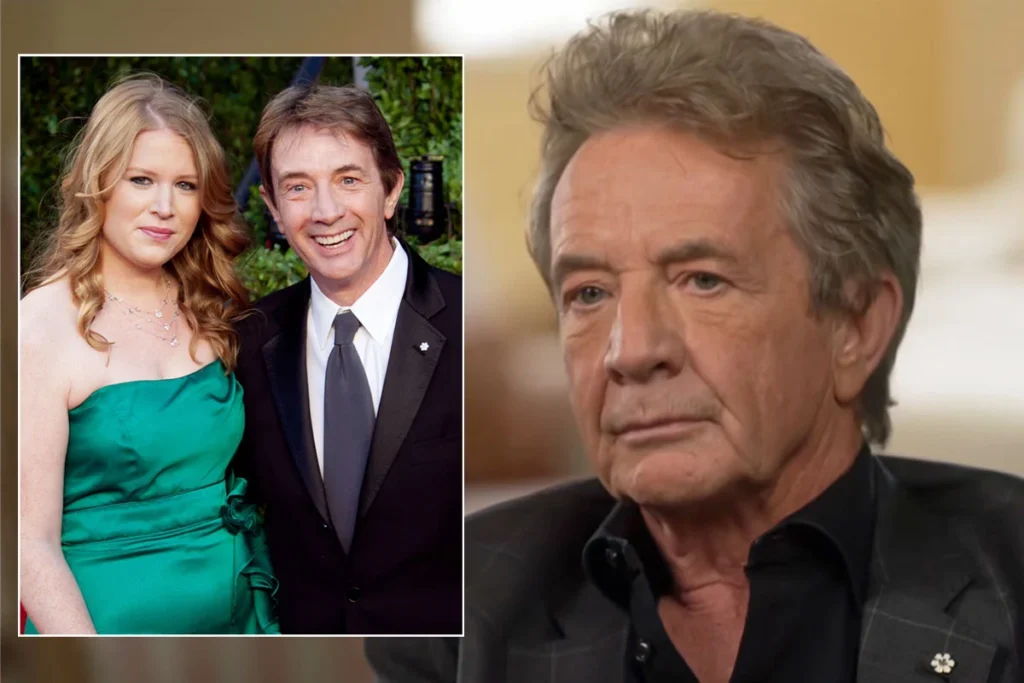

Iconic actor Martin Short has publicly addressed the profound loss of his eldest daughter, Katherine Short, who tragically passed away at the age of 42 nearly three months ago. In an emotional interview with CBS Sunday Morning, Short offered a poignant reflection on his family’s enduring grief, drawing parallels between mental illness and physical disease in a powerful call for understanding and destigmatization. The revelation of Katherine’s death by a self-inflicted gunshot wound on February 23 sent shockwaves through Hollywood and among fans, but the deepest impact has undoubtedly been felt by the Short family, who have now faced two devastating losses within a decade and a half.
A Father’s Heartbreak: Martin Short’s Candid Revelation
During the CBS Sunday Morning segment, Short, known for his decades of comedic brilliance and heartwarming performances, spoke with raw honesty about the "nightmare" his family has endured. His voice, usually vibrant with humor, carried the weight of a father grappling with unimaginable sorrow. This marked his first public statement regarding Katherine’s passing, providing a rare glimpse into the private pain behind his public persona. The interview served as a significant moment, not just for his fans, but for the broader conversation surrounding mental health.
Short articulated a profound understanding of mental illness, comparing it directly to physical diseases like cancer. "But the understanding [is] that mental health and cancer, like my wife, are both diseases, and sometimes with diseases, they are terminal," he stated, offering a perspective that challenges the societal stigma often associated with mental health conditions. This comparison is particularly poignant given his family’s history of loss. He elaborated on Katherine’s long-standing struggles, revealing, "And my daughter fought for a long time with extreme mental health, borderline personality disorder, other things, and did the best she could until she couldn’t."
The interview culminated in a heartbreaking parallel between Katherine’s final moments and those of his late wife, Nancy Dolman. "Nan’s last words to me were, ‘Mart, let me go.’ And what [Katherine] was just saying was, ‘Dad, let me go,’" Short recounted, underscoring the immense suffering his daughter experienced and the agonizing decision to accept her release from that pain. His words resonate deeply, offering a window into the complex emotions of love, loss, and the desperate yearning for peace.
A Family’s Enduring Grief: A History of Loss
The Short family’s journey has been marked by a series of profound losses. Prior to Katherine’s death, Martin Short’s beloved wife, Nancy Dolman, passed away in 2010 after a battle with ovarian cancer. Nancy, a talented actress and comedian in her own right, was the mother of their three children: Katherine, Oliver (40), and Henry (36). Her death was a significant blow to Short, who often spoke of their deep and enduring love. They were married for 30 years, and Nancy’s absence left an undeniable void.
Short has frequently reflected on Nancy’s life and passing, often sharing how he still feels her presence and guidance. He once remarked in an interview, "Our marriage was a triumph. So it’s not a failure, it’s a triumph. I still feel that connection with her." This philosophy of finding enduring love amidst grief has been a hallmark of his public narrative regarding Nancy. The subsequent loss of Katherine, who battled severe mental health issues, adds another layer of immense tragedy to a family that has already endured more than its share of heartbreak. The cumulative impact of these losses underscores the resilience required of the Short family and highlights the profound human experience of navigating successive waves of sorrow.
Katherine Short: A Life Dedicated to Helping Others
Katherine Short, unlike her famous father, largely maintained a private life away from the glare of the entertainment industry. She pursued a career as a social worker, dedicating herself to helping others, a testament to her compassionate nature. Her involvement extended to animal welfare, where she served on the board of Karma Rescue, a Los Angeles-based dog charity. This commitment to service and advocacy for vulnerable populations painted a picture of a woman deeply empathetic and driven by a desire to make a positive impact.
Days after Katherine’s death, Rande Levine, the founder of Karma Rescue, spoke to DailyMail.com about Katherine’s character and her struggles. "She was such a wonderful, giving, loving human being. I’m picturing her face right now, laughing. It’s just so devastating to find out she took her own life," Levine shared, expressing the shock and grief felt by those who knew her. Levine confirmed Katherine’s long battle with mental health, noting, "I knew she was battling with that stuff. But she put her soul into helping others that were experiencing the same things she was." This sentiment paints a poignant picture of someone who, despite her own internal struggles, channeled her empathy into supporting others facing similar challenges.
Levine further revealed that Katherine had also been grappling with a "physical illness" in the period leading up to her death. "She must have been in so much anguish to have done this. It’s just so sad," Levine lamented. This additional detail underscores the complex interplay of physical and mental suffering that can contribute to a person’s overall well-being and, in tragic cases, their ultimate decision. Katherine’s life, though private, was clearly one marked by both profound kindness and immense personal battles.
The Shadow of Mental Health: Understanding Borderline Personality Disorder and Suicide
Martin Short’s candid discussion about Katherine’s struggle with "extreme mental health, borderline personality disorder, other things" brings critical attention to often-misunderstood conditions. Borderline Personality Disorder (BPD) is a complex mental health condition characterized by difficulties with emotion regulation, impulse control, interpersonal relationships, and self-image. Individuals with BPD often experience intense mood swings, chronic feelings of emptiness, fear of abandonment, and engage in impulsive and sometimes self-destructive behaviors.
According to the National Institute of Mental Health (NIMH), BPD affects an estimated 1.4% of the adult U.S. population, though some research suggests prevalence rates could be higher. It often begins in adolescence or early adulthood. The challenges in managing BPD are significant, both for the individual and their support system. Treatment typically involves psychotherapy, particularly Dialectical Behavior Therapy (DBT), which focuses on teaching coping skills for emotion regulation, distress tolerance, and interpersonal effectiveness. While BPD is treatable, it requires consistent effort and a robust support network.
Suicide is a tragic outcome that can be associated with severe mental health conditions, including BPD. The Centers for Disease Control and Prevention (CDC) reports that suicide is a leading cause of death in the United States, with an average of 132 suicides per day. For individuals with BPD, the risk of suicide is significantly higher than in the general population, with studies indicating that up to 10% of individuals with BPD die by suicide. This grim statistic underscores the severity of the condition and the urgent need for effective intervention and support.
Martin Short’s comparison of mental illness to physical disease is a powerful statement in the ongoing effort to destigmatize mental health. Historically, mental health conditions have been viewed differently from physical ailments, often carrying a societal burden of shame, weakness, or personal failing. This stigma can prevent individuals from seeking help, delay diagnosis, and hinder effective treatment. By equating mental health struggles with conditions like cancer, Short joins a growing chorus of advocates, including many celebrities and public figures, who are working to normalize conversations about mental illness and encourage empathy and support rather than judgment. His words serve as a crucial reminder that mental illnesses are legitimate health conditions requiring medical attention and compassionate understanding, just like any other disease.
Chronology of Key Events and Public Awareness
The timeline of events surrounding the Short family’s personal tragedies and Martin Short’s public reflections highlights a sustained period of grief and resilience:
- 1980: Martin Short marries actress Nancy Dolman. Their relationship becomes a cornerstone of Short’s personal life.
- Early 1980s: Katherine Short is born, the first of their three children.
- August 21, 2010: Nancy Dolman tragically passes away at the age of 58 after a battle with ovarian cancer. This event marks the first significant public loss for the family, profoundly impacting Martin Short and his children.
- February 23, [Current Year]: Katherine Short dies by suicide at her home in Los Angeles at the age of 42. Law enforcement and fire department officials respond to the scene. The news of her death is reported shortly thereafter, sending shockwaves through the public and media.
- Days Following February 23: Rande Levine, founder of Karma Rescue, where Katherine served on the board, speaks to DailyMail.com, confirming Katherine’s mental health struggles and physical illness. His statements provide early insights into the private battles Katherine faced.
- [Approximately Three Months After Katherine’s Death]: Martin Short gives his first public interview about Katherine’s passing on CBS Sunday Morning. His candid remarks about mental health, BPD, and the comparison to terminal physical illness bring the family’s private pain into the public sphere with a powerful message of awareness.
This chronology illustrates the cumulative burden of grief on the Short family and underscores the prolonged period over which Martin Short has had to navigate profound personal losses while maintaining a public career. His decision to speak out now, months after Katherine’s death, suggests a carefully considered effort to process his grief and contribute meaningfully to the discourse on mental health.
Hollywood’s Response and Broader Implications
The entertainment industry, while often perceived as glamorous and carefree, is no stranger to the realities of mental health challenges and the profound impact of suicide. High-profile tragedies like Katherine Short’s death, and Martin Short’s subsequent candor, often serve as catalysts for renewed conversations within Hollywood and among the wider public. Colleagues and peers in the industry frequently rally around those who are grieving, offering support and solidarity.
Martin Short’s willingness to openly discuss Borderline Personality Disorder and the terminal nature of severe mental illness has significant implications. It helps to:
- Destigmatize Mental Illness: By drawing a direct parallel between mental and physical diseases, Short contributes to breaking down the stigma that prevents many from seeking help. When a respected public figure speaks so openly, it normalizes the experience of mental illness and encourages empathy.
- Raise Awareness for BPD: BPD is often misunderstood and can be highly stigmatized even within mental health communities. Short’s specific mention of the condition can prompt greater public awareness, encouraging research, better diagnostic practices, and more accessible, effective treatments.
- Promote Suicide Prevention: By highlighting the anguish Katherine experienced and his painful acceptance of her "letting go," Short underscores the extreme suffering that can lead to suicide. This can serve as a powerful reminder of the urgency of suicide prevention efforts and the importance of early intervention and continuous support for individuals at risk.
- Validate Grief: For families who have experienced similar losses, Short’s public expression of grief and his complex understanding of his daughter’s struggles can provide validation and comfort, letting them know they are not alone in their pain.
The broader impact extends to mental health advocacy groups and healthcare providers, who often leverage such high-profile statements to reinforce their messages about the importance of mental health care. Organizations like the National Alliance on Mental Illness (NAMI), the American Foundation for Suicide Prevention (AFSP), and the National Institute of Mental Health (NIMH) consistently advocate for increased funding for research, better access to services, and public education campaigns. Short’s interview undoubtedly amplifies these crucial messages, potentially encouraging more individuals to seek help and fostering a more compassionate societal response to mental health crises.
A Legacy of Love and Advocacy
Martin Short’s journey through successive tragedies, from the loss of his wife to cancer to the death of his daughter by suicide due to severe mental health struggles, embodies a profound narrative of love, resilience, and an emerging advocacy for understanding. His willingness to share such personal pain, particularly in the context of mental health, transforms his private grief into a public statement of compassion and awareness.
The final words he shared on CBS Sunday Morning, drawing a parallel between Nancy and Katherine’s implied requests to "let me go," are a testament to the depth of his love and the agonizing acceptance of conditions beyond his control. This sentiment encapsulates the immense burden carried by families grappling with terminal illnesses, whether physical or mental. His candor serves as a powerful reminder of the interconnectedness of physical and mental well-being and the urgent need for a societal shift in how we perceive, discuss, and treat mental health conditions.
As the Short family continues to navigate their grief, Martin Short’s voice adds a significant, empathetic dimension to the ongoing conversation about mental health, urging greater understanding, destigmatization, and support for those who battle unseen illnesses. His public vulnerability in the face of such immense loss underscores the universal human experience of sorrow and the enduring power of love.
If you or someone you know is contemplating suicide, help is available. Consider contacting the 988 Suicide & Crisis Lifeline at 988, by calling, texting, or chatting, or go to 988lifeline.org.
For resources on mental health, visit https://www.nimh.nih.gov/health/find-help.