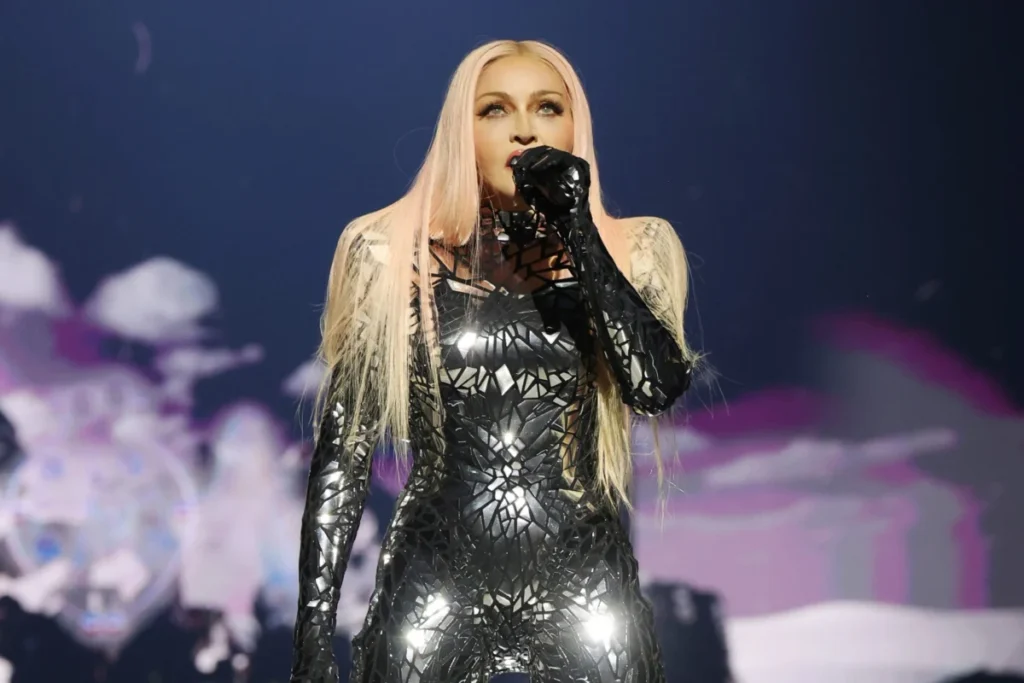

London’s vibrant streets pulsed with a dual spirit of celebration and resolute advocacy on Saturday, July 4, 2026, as Pride in London unfolded, attracting over a million participants and spectators. The day, however, began with a flurry of speculation surrounding an anticipated appearance by pop icon Madonna, rumors that were ultimately quashed by event organizers, though not before fueling considerable excitement among attendees.
Madonna Rumors: Anticipation and Clarification
For weeks leading up to the highly anticipated Pride in London event, whispers and online chatter had suggested that the "Queen of Pop," Madonna, aged 67, was poised to make a surprise appearance on the main stage in Trafalgar Square. The speculation reached a fever pitch on the day itself, with numerous attendees spotted proudly sporting Madonna-themed T-shirts, a testament to the enduring influence and deep connection the artist shares with the global LGBTQ+ community. Her legendary career, spanning decades, has consistently seen her champion queer rights, push boundaries, and embody an ethos of self-expression that resonates profoundly with the Pride movement.
However, the hopes of many were ultimately brought back to earth when Pride in London officially confirmed via their Instagram channels that the superstar would not be joining the lineup at Trafalgar Square. While organizers acknowledged that there had indeed been communication with Madonna’s representatives regarding a potential involvement, it was clarified that she had never been a confirmed attendee. The rumors, described by organizers as "all bluster," highlight the fervent desire among the community to see their long-standing allies participate in such landmark events. The anticipation was further stoked by the presence of British singer-songwriter MNEK, who performed on the Trafalgar Square stage. MNEK’s past collaboration with Madonna on her critically acclaimed thirteenth studio album, Rebel Heart (2015), where he co-wrote the track "Hold Tight," provided a tangible link that many fans clung to as evidence of a potential surprise duet or appearance. This connection underscored the organic nature of the rumors, born from shared artistic history and mutual respect within the music industry.
A Day of Unprecedented Scale and Solidarity

Despite the initial disappointment over Madonna’s absence, the spirit of Pride in London remained undimmed, with the event proving to be one of the largest and most impactful in its history. More than a million people converged on the capital, creating a kaleidoscope of colour, music, and unwavering solidarity. The sheer scale of the procession was remarkable, featuring over 35,000 marchers representing more than 600 diverse LGBTQ+ groups and their allies. The parade commenced at Hyde Park Corner, weaving its way through central London’s iconic streets, including Piccadilly, before culminating at Whitehall Place.
The celebratory atmosphere was palpable, with spectators lining the route, cheering enthusiastically as floats adorned with elaborate decorations and vibrant banners passed by. Each float was a mobile party, replete with dancers, DJs, and speakers blasting an eclectic mix of music that kept the energy high. This festive display was punctuated by powerful messages of protest and calls for equality, underscoring the dual nature of Pride as both a celebration and a demonstration for human rights.
Among the prominent figures leading the march was the Mayor of London, Sir Sadiq Khan, whose presence at the front of the procession underscored the city’s official support for its LGBTQ+ residents. Mayor Khan led activists in a resounding chant of "Happy Pride," a simple yet powerful affirmation that echoed through the streets. His participation served as a visible commitment from London’s leadership to fostering an inclusive and welcoming environment for all.
Performances and Cultural Contributions
The Trafalgar Square main stage, the epicentre of live entertainment for the day, hosted a diverse array of talent, captivating the massive crowds gathered there. Among the standout performers were American singer-songwriter Beth Ditto, known for her powerful vocals and unapologetic stage presence, and the aforementioned British sensation MNEK. Their performances added significant artistic depth to the celebrations, providing a platform for queer artists and allies to share their work and connect with the community. MNEK, a prominent figure in the UK music scene, brought his unique blend of pop and R&B, further cementing the event’s cultural significance.
Activism at the Forefront: A Call to Action

Beyond the spectacle and celebration, Pride in London 2026 served as a crucial platform for advocacy, with organizers and activists highlighting ongoing threats to LGBTQ+ rights, particularly those concerning the trans community. Rebecca Paisis, interim chief executive of Pride in London, articulated the core message of the 2026 campaign, emphasizing inclusivity and collective action. "We want 2026 to be the most inclusive Pride in London event yet," Paisis stated. "Our movement has always been built on many voices becoming one united front – from the people who marched in 1972 to those joining us for the first time this year. That’s where our power lies." Her words served as a poignant reminder of the movement’s roots in protest and its enduring need for unity.
Paisis further underscored the resilience of the community: "As LGBTQ+ people, we’ve never been strangers to adversity, but neither are we strangers to collective action. This year’s campaign is a reminder that whilst the community often faces challenges in isolation, it is by coming together that we can change history." This sentiment resonated deeply with the crowd, acknowledging the struggles while galvanizing hope for future progress.
Echoing these concerns, Lisa Power, co-founder of Stonewall and a veteran LGBT+ activist, delivered a stark warning about the erosion of rights. "Adversity is meant to shatter us but it can make us stronger as it did in the 80s," Power remarked, drawing a parallel to the struggles faced during the HIV/AIDS crisis. Her focus then shifted to contemporary challenges: "Right now, we have a Government and institutions meant to defend our rights that are attacking trans people’s rights, and the rest of ours will follow." This powerful statement highlighted the interconnectedness of LGBTQ+ rights and served as a rallying cry for increased vigilance and solidarity in the face of perceived governmental and institutional regressions. These remarks reflect broader anxieties within the UK LGBTQ+ community regarding policy shifts, public discourse, and legislative proposals that many perceive as undermining the hard-won rights of trans individuals, and by extension, the entire queer community.
Historical Context and Evolving Challenges
The statements from Paisis and Power provide crucial historical context to the 2026 Pride in London event. The first Pride march in London, held in 1972, was a radical act of defiance against a society that largely criminalized and stigmatized homosexuality. Over the decades, significant progress has been made, including the decriminalization of homosexuality (fully in 2003 in England and Wales), the introduction of civil partnerships (2004), and the legalization of same-sex marriage (2013). However, as Power’s comments underscore, the fight for full equality is far from over, with new challenges continually emerging.
The current debates surrounding the Gender Recognition Act, access to gender-affirming healthcare, and the rise of anti-trans rhetoric in public and political spheres represent a critical juncture for the LGBTQ+ movement in the UK. Pride in London, therefore, serves not just as a commemoration of past victories but as a vital annual platform to address contemporary issues, mobilize support, and demand accountability from those in power.

Safety and Inclusivity: A Priority
In preparation for the massive influx of people, the Metropolitan Police issued a clear statement ahead of the event, asserting a "no tolerance of hate crime" policy. This proactive stance aimed to ensure the safety and well-being of all attendees and to send a strong message that discriminatory behaviour would not be tolerated. Such assurances are critical for fostering an environment where LGBTQ+ individuals and their allies feel secure in expressing their identities. The police presence, while ensuring public order, also reflected a shift in institutional attitudes, moving from historical antagonism towards a role of protection and support for the community.
Broader Impact and Implications
The economic impact of an event of Pride in London’s magnitude is substantial. The influx of over a million visitors translates into a significant boost for London’s hospitality sector, including hotels, restaurants, bars, and retail businesses. Local businesses along the parade route and in key areas like Trafalgar Square experience a surge in trade, contributing millions to the city’s economy. Beyond the immediate financial gains, Pride also enhances London’s reputation as a diverse, welcoming, and culturally rich global city, attracting international tourists and talent.
Socially, Pride in London plays an invaluable role in fostering community cohesion and visibility. For many LGBTQ+ individuals, particularly those from smaller towns or conservative backgrounds, Pride offers a rare opportunity to be openly themselves in a supportive and celebratory environment. It provides a sense of belonging, reduces feelings of isolation, and reinforces the idea that they are part of a vast and powerful community. The media coverage generated by the event further amplifies these messages, reaching wider audiences and contributing to increased understanding and acceptance of LGBTQ+ issues.
In conclusion, Pride in London 2026 was a multifaceted event that expertly balanced joyous celebration with urgent calls for justice. While the much-anticipated appearance of Madonna did not materialize, the spirit of solidarity and advocacy she embodies was profoundly present. The march through London’s historic streets served as a vibrant testament to the resilience and unity of the LGBTQ+ community, a powerful reminder that while progress has been made, the fight for full equality and the protection of all rights, especially for the most vulnerable within the community, continues unabated. The voices of over a million people, united in celebration and protest, underscored the enduring power of Pride as a movement that consistently seeks to change history.