
The skies over Antigua and Barbuda opened up to welcome King Charles III and Queen Camilla as their high-profile Caribbean tour entered its next major phase. Touching down on the sun-drenched island nation, Their Majesties were greeted by a wave of diplomatic anticipation, setting the stage for a packed itinerary centered around the 2026 Commonwealth Heads of Government Meeting (CHOGM). This visit represents a crucial diplomatic mission for the British monarch, underscoring the enduring ties between the United Kingdom and Caribbean member states during a period of evolving global alliances and regional self-determination.
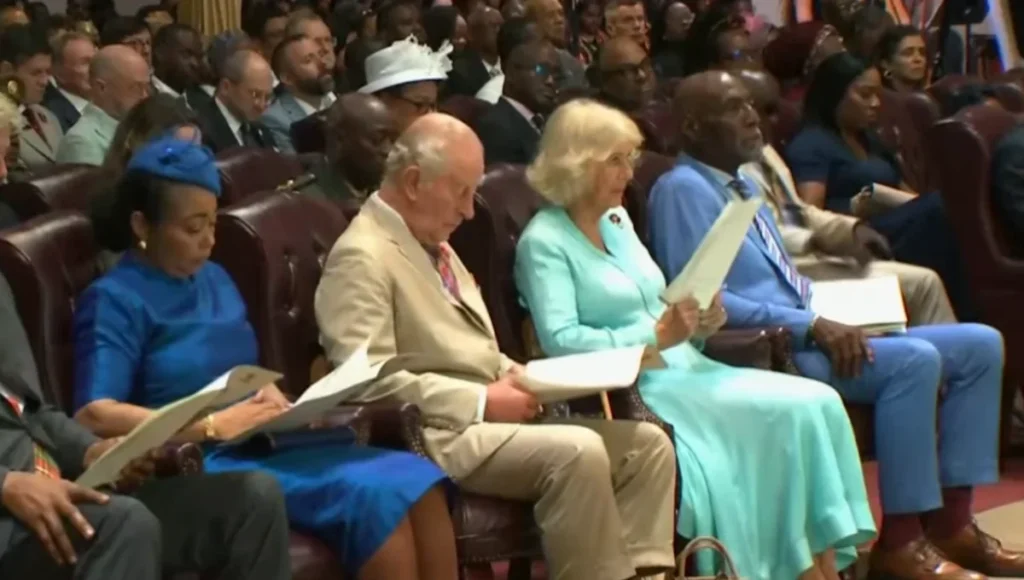
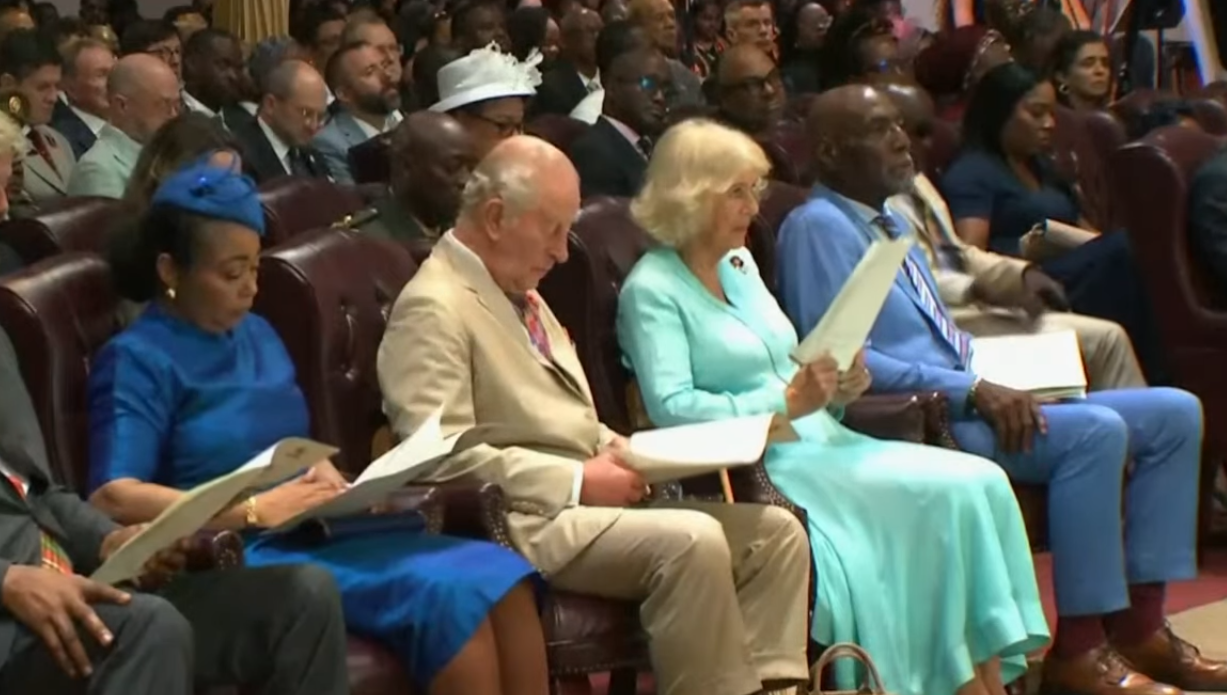
Almost immediately following their arrival, the royal couple immersed themselves in the local community, attending a special Anglican church service at St John’s Pentecostal House of Restoration. The service, designed to anchor the opening moments of the CHOGM summit in spiritual reflection, highlighted themes of global unity, mutual respect, and sustainable partnership among nations. The gathering brought together a diverse congregation comprising religious leaders, high-ranking politicians, and diplomatic representatives from across Antigua and Barbuda and the wider Commonwealth family, establishing a tone of collaborative diplomacy for the week ahead.
Official Reception and Distinguished Attendees
Upon arriving at the house of worship, King Charles and Queen Camilla were formally welcomed by the Governor-General of Antigua and Barbuda, Sir Rodney Williams, alongside his wife, Lady Sandra Williams. The reception set a warm tone for the visit, bridging formal state protocols with community-centered engagement.
Inside the venue, Their Majesties were introduced to several key figures spearheading both national governance and the CHOGM 2026 proceedings. Among them was Prime Minister Gaston Browne, accompanied by his wife, Maria Browne, who engaged in brief discussions with the King regarding the logistical preparations for the summit and pressing regional concerns, including climate resilience and economic development.
Further adding to the diplomatic weight of the gathering were Chet Greene, the Minister of Foreign Affairs and Chair of the CHOGM 2026 Task Force, and Commonwealth Secretary-General Shirley Botchwey. Their presence underscored the multilateral significance of the event, as member states prepare to negotiate policies addressing shared international challenges. Civil society and cultural representation were equally prominent, with Janet Cooper OBE, Chair of the Royal Commonwealth Society, in attendance, alongside legendary cricketer and CHOGM Envoy Sir Viv Richards, whose cultural stature added a distinctly local and celebrated voice to the royal welcome.
Musical Harmony and Youthful Heritage
Music served as an integral centerpiece of the service, reflecting the vibrant cultural landscape of the host nation. Hymns and musical interludes were led by the Antigua and Barbuda Youth Orchestra, joined by its dynamic vocal ensemble, the Inspire Youth Choir.
The choir’s performance carried a layer of historical continuity, given its longstanding relationship with the British Royal Family. Having secured victory in the 2016 Commonwealth Choir Competition, the ensemble previously traveled to the United Kingdom to perform at Buckingham Palace in 2018. Their return to perform before the King and Queen during such a monumental state event highlighted the exceptional artistic capabilities of Caribbean youth while reinforcing the cultural bridges connecting member nations across generations.
Broader Context of the 2026 Caribbean Tour
The arrival in Antigua and Barbuda marks the second leg of a carefully orchestrated Caribbean tour that initially commenced in the Bahamas. This regional voyage is designed to reinforce diplomatic relations, celebrate shared history, and acknowledge the distinct cultural identities of the realms and republics within the Caribbean basin.
The timing of the royal tour is inextricably linked to the 2026 Commonwealth Heads of Government Meeting. CHOGM serves as the supreme policy-making forum of the Commonwealth, convening every two years to deliberate on global issues, democracy, human rights, and sustainable development. For Antigua and Barbuda, hosting the summit places the small island developing state at the center of international attention, providing a vital platform to advocate for issues disproportionately affecting Caribbean nations—most notably, the existential threat of climate change, rising sea levels, and economic vulnerability in the post-pandemic global economy.
Background and Evolution of CHOGM
The Commonwealth Heads of Government Meeting has evolved significantly since its inception out of the historic Commonwealth Prime Ministers’ Conferences. As a voluntary association of 56 independent member countries—spanning Africa, Asia, the Americas, Europe, and the Pacific—the Commonwealth represents approximately 2.5 billion people, a third of the global population.
Hosting CHOGM rotates among member states, allowing developing nations to shape the agenda and draw international focus to regional priorities. In recent decades, the summit has increasingly prioritized climate action, youth empowerment, digital connectivity, and good governance. The 2026 gathering in Antigua and Barbuda is expected to place unprecedented emphasis on ocean governance and climate financing, areas where Caribbean nations have consistently demanded more robust commitments from larger industrialized economies.
Diplomatic Implications and Strategic Significance
The presence of King Charles III at CHOGM 2026 carries profound symbolic and political weight. As Head of the Commonwealth, the King plays a unifying role across member states, many of which are navigating complex constitutional debates regarding their future relationship with the British Crown. Several Caribbean nations have transitioned or expressed intentions to transition toward republican status in recent years, making direct, personal engagement by the monarch crucial for maintaining goodwill and cooperative diplomatic ties.
Observers note that modern royal tours are meticulously planned to project partnership rather than paternalism, focusing on collaborative solutions to contemporary crises rather than ceremonial pageantry alone. By engaging directly with local leaders, youth organizations, and cultural icons like Sir Viv Richards, the King and Queen are signaling a modern, adaptable approach to the Commonwealth’s future—one that respects national sovereignty while honoring historical shared networks.
Chronology of Events and Upcoming Engagements
The itinerary for the royal couple in Antigua and Barbuda is structured to balance formal diplomatic sessions with community outreach. Following the Sunday church service, the schedule features:
- Official Opening Plenary: The formal inauguration of the CHOGM 2026 proceedings, featuring addresses from Commonwealth leaders, the Secretary-General, and King Charles III.
- Environmental and Marine Symposia: Engagements highlighting Antigua and Barbuda’s marine conservation efforts, sustainable tourism initiatives, and adaptation strategies against climate change.
- Cultural Exhibitions: Showcasing local heritage, artisan craftsmanship, and agricultural innovations spearheaded by young entrepreneurs in the region.
- Bilateral Meetings: Private and public discussions between regional prime ministers and visiting dignitaries to forge trade agreements and cooperative frameworks.
As the summit progresses, security and logistical operations across St John’s remain tightly coordinated by local authorities and international protection teams. The outcomes of the 2026 CHOGM are anticipated to culminate in a joint communiqué outlining tangible policy commitments on climate resilience, economic equity, and democratic strengthening across the Commonwealth.
The successful commencement of the visit in Antigua and Barbuda sets a constructive tone for the remainder of the tour. Through a blend of religious observance, cultural celebration, and high-level statecraft, King Charles and Queen Camilla have reinforced their commitment to listening to the concerns of member nations, ensuring that the modern Commonwealth remains a relevant and influential platform on the global stage.