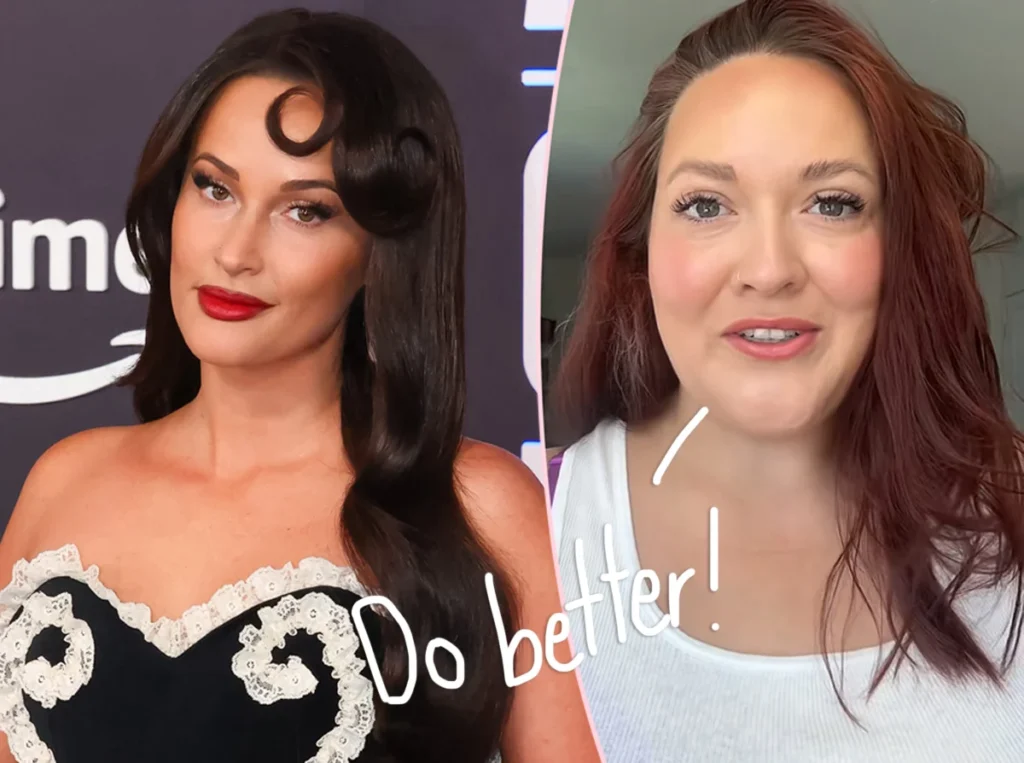

Country music superstar Kacey Musgraves has found herself at the center of a burgeoning controversy following the launch of her highly anticipated "Kacey Lee" fashion collaboration with heritage denim brand Lee, exclusively available at Walmart. The collection, which debuted on May 19, has been met with widespread criticism from consumers and advocates for its perceived lack of size inclusivity, sparking a vital conversation about accessibility in mainstream fashion and the responsibilities of celebrity endorsements.
The "Kacey Lee" Collection: A Vision of Americana Meets Accessibility
The "Kacey Lee" line was introduced with considerable fanfare, promising a fusion of Musgraves’ signature aesthetic with Lee’s timeless appeal, all made accessible through Walmart’s expansive retail network. Comprising over 100 distinct pieces, the collection spans a wide array of apparel categories, including dresses, tops, jeans, shorts, sleepwear, swimwear, and a variety of accessories for both men and women. In a unique touch, the collaboration even extends to items for pets, aiming to create a lifestyle brand experience. The partnership was seemingly designed to democratize fashion, bringing a celebrity-curated collection to a broad audience at affordable price points. However, the initial rollout quickly revealed a significant oversight that overshadowed these aspirations: a stark limitation in available sizing for women’s clothing.
While the collection boasted a diverse range of styles, the women’s clothing items primarily capped at a size 18/XXL. In a puzzling inconsistency, the swimwear portion of the line offered a more expansive range, stretching from XS up to 3X. This disparity immediately drew the ire of consumers and body positivity advocates who observed a clear exclusion of plus-size individuals from the majority of the collection. The decision to limit sizes, particularly for a line launched through a mass retailer like Walmart, which historically serves a wide demographic, including a substantial plus-size customer base, ignited a social media firestorm.
The Catalyst: Megan Ixim’s Powerful Critique
The most prominent voice in this unfolding controversy has been Megan Ixim, a content creator and self-identified fat activist known on social media as @msgigggles. On May 19, the very day the "Kacey Lee" collection went live, Ixim took to Instagram to express her profound disappointment and frustration. Her initial video rapidly gained traction, articulating the widespread sentiment of exclusion felt by the plus-size community.
Ixim’s critique was direct and unequivocal. "Guess who’s being excluded again? That’s right, fat people," she stated, cutting to the core of the issue. She elaborated on the specific grievances: while some "extended sizes" were purportedly available online, these options were described as "very, very limited," comprising only a fraction of the overall 100-piece collection. Furthermore, she highlighted the significant discrepancy in sizing, noting that the swimwear was virtually the only category offering genuinely extended sizes up to 3X, leaving the bulk of the apparel inaccessible to many.
Ixim underscored the particular irony of this limitation within a Walmart collaboration. "I personally find this really upsetting because plus sizes and not selling them at Walmart seems really silly to me," she explained. "I feel like that’s somewhere, historically, we’ve always found plus sizes." Her observation touched upon Walmart’s long-standing reputation as a retail destination where individuals of all sizes could reasonably expect to find clothing options, a reputation that the "Kacey Lee" line appeared to undermine.
This wasn’t Ixim’s first encounter with size limitations in Musgraves’ fashion ventures. She pointed out that Musgraves’ prior collaboration with the brand Reformation also featured similarly restricted sizing, offering extended options for only a handful of designs rather than the full collection. This pattern led Ixim to directly question the artist’s commitment to inclusivity, asking, "Kacey, what’s going on?"
Kacey Musgraves’ Response: Fueling the Fire
The controversy escalated significantly when Kacey Musgraves herself entered the conversation, leaving a comment directly on Megan Ixim’s Instagram video. Her response, delivered in a seemingly dismissive tone, quickly became another point of contention: "Hiii not in my control at all. Sorry you’re disappointed. Hope this helps! ❤️"
This statement, characterized by many as "passive aggressive" and "condescending," did little to quell the backlash. Instead, it ignited further criticism, with many perceiving it as a lack of empathy and a deflection of responsibility. While it is plausible that a celebrity collaborator may not have final veto power over every logistical aspect of a collection, particularly size ranges determined by the brand and retailer, critics argued that Musgraves, as the face and creative inspiration behind the line, holds significant influence and a moral obligation to advocate for her diverse fanbase. The phrase "hope this helps" was widely interpreted as sarcastic and dismissive of genuine consumer frustration.
The sentiment among advocates was clear: Megan Ixim’s frustration was entirely valid. The principle at stake is fundamental: plus-size individuals deserve the same shopping experience, the same access to fashionable clothing, and the same respect as any other consumer. The argument that "not every collaboration can accommodate everyone" was swiftly countered by the glaring inconsistency within the "Kacey Lee" collection itself—if swimwear could be produced up to a 3X, there was no logical or practical reason why other apparel items in the same line could not achieve similar size inclusivity. This internal contradiction highlighted a perceived lack of commitment rather than a genuine logistical barrier.
Megan Ixim’s Deeper Dive: "Disingenuous" and "Fat Phobia"
Unsatisfied with Musgraves’ response, Megan Ixim continued to articulate her concerns, calling the artist’s statement "disingenuous." In a follow-up video, she directly addressed Musgraves, stating, "As the person who is the entire reason and face of this launch, it feels like this would be something you could push back on to @walmart or to @leejeans. Your plus-size fans love you, and we want to have our moment in the sun supporting you, in store, just like everyone else. Us asking for better isn’t a direct slight to you but a reason to work towards more true inclusivity in the future." Her words resonated with many who believe that celebrity endorsements carry a responsibility beyond mere branding.
Ixim further expanded on her disappointment in a TikTok video over the weekend, offering a more personal and impassioned account of the experience. Identifying herself as a "fat activist" and former dedicated Kacey Musgraves fan (owning five of her records on vinyl and attending two concerts), Ixim shared her initial excitement for the "accessibility" and "inclusivity" that was purportedly central to the Walmart and Lee Jeans collaboration. She recounted the bitter disappointment upon realizing the extreme limitations: "this hundred-plus-piece collaboration only had a handful of items available in extended sizes."
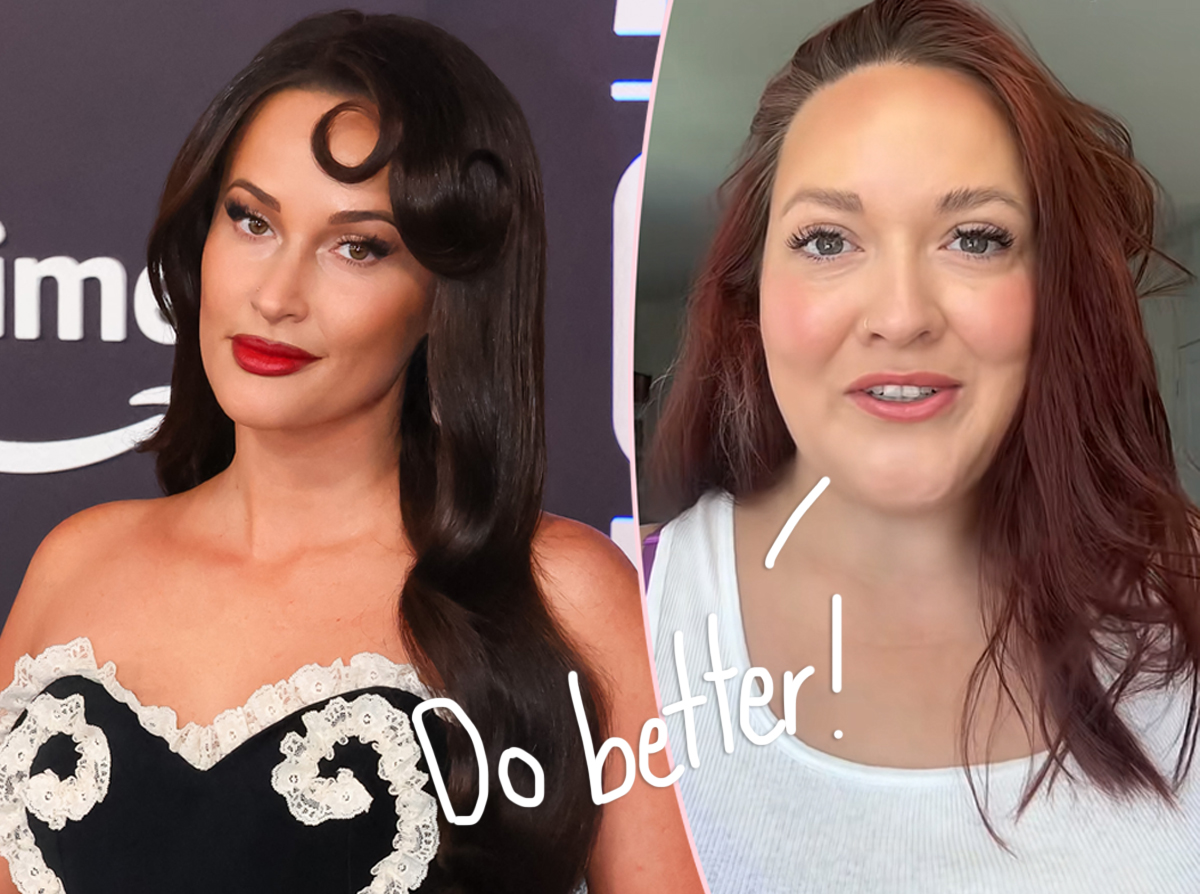
The discovery that none of the limited plus-size items would even be stocked or available in physical Walmart stores further exacerbated the issue. This meant that plus-size customers were not only offered fewer choices but were also denied the standard retail experience of trying on clothes in person, a basic right afforded to straight-size customers. The stark reality was highlighted by Ixim’s poignant observation that there were "more items available for dogs than there were plus sizes!" This powerful comparison vividly illustrated the perceived priorities of the collection, sparking outrage and disbelief among her followers.
Ixim’s video also delved into the broader context of "fat phobia," describing Musgraves’ response as "absolutely condescending" to her, the plus-size community, and the artist’s own fans. She candidly shared her lived experience, acknowledging that such reactions and fat phobia are "normal behavior for someone like me, a fat Latina posting on the internet." While she has "received a lot worse than this" in her daily life, she expressed genuine shock at receiving such a response from a "media-trained pop star who should know better." This, she argued, "really cemented the fact that fat phobia is a hell of a drug," suggesting that if the criticism had come from any other marginalized group, the response likely would have been far different.
As of the latest updates, Kacey Musgraves has not issued an apology for her comment, nor has there been any public statement regarding plans to expand the size range or in-store availability. Megan Ixim, though hurt, expressed skepticism about immediate change, lamenting that "nobody really cares enough to do anything." However, she remains hopeful that sustained conversations can eventually lead to systemic improvements, citing successful examples like Blogilates, which "demanded plus sizes in store when they did their Target launch," and Megan Thee Stallion, whose Walmart launch "had exclusive sizes available in-store." These precedents underscore the potential for celebrities and brands to leverage their platforms for genuine inclusivity.
The Broader Landscape: Plus-Size Fashion, Market Demand, and Retailer Responsibility
The "Kacey Lee" controversy is not an isolated incident but rather a symptom of a larger, ongoing struggle for true size inclusivity within the fashion industry. The plus-size apparel market represents a significant and growing demographic that has historically been underserved and often marginalized by mainstream fashion.
Market Size and Consumer Demand:
The U.S. plus-size apparel market is a powerhouse, estimated to be worth over $32 billion annually, with global figures significantly higher. This market continues to grow, driven by increasing awareness, body positivity movements, and the sheer demographic reality that the average American woman wears a size 16-18, falling squarely into the plus-size category. Despite this substantial consumer base and purchasing power, plus-size individuals frequently face challenges ranging from limited style choices and poor fit to a lack of in-store availability and, at times, a "fat tax" – higher prices for extended sizes. This consistent neglect fuels deep-seated frustration and a sense of being an afterthought rather than a valued customer.
Retailer Responsibility – The Walmart Context:
Walmart, as one of the world’s largest retailers, prides itself on offering "Every Day Low Prices" and accessibility to a vast customer base across diverse demographics. Its strength lies in its ability to cater to a broad spectrum of American consumers. For a brand like Lee and a celebrity like Kacey Musgraves to choose Walmart as the exclusive launch partner for a collection inherently suggests a commitment to widespread accessibility. Therefore, the decision to severely limit plus-size offerings, especially for in-store purchases, stands in stark contrast to Walmart’s foundational promise and customer expectations. Other successful collaborations, like Megan Thee Stallion’s with Fashion Nova for Walmart, have demonstrated that in-store plus-size availability is not only feasible but highly demanded and profitable.
Brand Responsibility – Lee Jeans:
Lee, a venerable American denim brand with a history stretching back over a century, has an opportunity to evolve with the times. While deeply rooted in classic styles, modern consumers expect heritage brands to adapt to contemporary values, including inclusivity. Partnering with a popular artist like Musgraves for a collection at Walmart was a clear attempt to broaden its appeal. However, the misstep in sizing risks alienating a significant portion of potential new customers and undermining its efforts to appear modern and relevant.
Celebrity Influence and Accountability:
The role of celebrities in fashion collaborations has evolved. It’s no longer sufficient for an artist to merely lend their name and image to a brand. Modern consumers, particularly those advocating for social justice and inclusivity, expect celebrities to use their considerable platforms to actively champion ethical practices and equitable representation. When a celebrity’s personal brand is built, in part, on values of authenticity and connection to their audience, a perceived lack of advocacy for a significant segment of that audience can lead to a crisis of trust. Musgraves’ "it’s not in my control" response, while potentially true in a literal sense regarding final production decisions, failed to acknowledge the moral control and influence she holds as the face of the brand. Consumers expect celebrities to push for better, to leverage their power to ensure that their collaborations truly embody the inclusive spirit they often project.
Industry Trends and Precedents in Inclusivity:
The past decade has seen a significant push for size inclusivity in fashion, driven largely by social media activism and the body positivity movement. Brands and retailers that have genuinely embraced this movement have often seen commercial success and enhanced brand loyalty.
- Growing Pressure: Consumers are increasingly vocal on platforms like Instagram and TikTok, demanding that brands cater to all body types. Hashtags like #SizeInclusivity and #PlusSizeFashion are powerful tools for advocacy.
- Success Stories: As Megan Ixim noted, brands like Blogilates (Cassey Ho’s POPFLEX activewear line at Target) have successfully negotiated for comprehensive in-store sizing, recognizing that visibility and accessibility are crucial for plus-size consumers. Similarly, Megan Thee Stallion’s collaboration with Fashion Nova, sold at Walmart, also made a point of offering extended sizes both online and in physical stores, demonstrating a conscious effort to reach a broader audience effectively. These examples prove that with deliberate intent and negotiation, comprehensive inclusivity is achievable, even within large-scale retail partnerships.
- The Cost of Exclusion: Beyond the ethical implications, excluding a major demographic like plus-size consumers represents a significant missed economic opportunity. Brands that fail to offer inclusive sizing are essentially leaving billions of dollars on the table and risking damage to their reputation.
Implications for Brand Reputation and Future Collaborations
The "Kacey Lee" controversy carries significant implications for all parties involved:
- Kacey Musgraves: Her public image, particularly among her diverse and often progressive fanbase, could suffer. The perception of her as being out of touch or lacking empathy for her plus-size fans could erode trust and loyalty, potentially impacting future music sales, tours, and brand partnerships.
- Lee Jeans: While seeking to modernize its image, Lee risks being associated with exclusionary practices. This incident could tarnish its efforts to appeal to a younger, more socially conscious demographic.
- Walmart: As a retailer that prides itself on serving all Americans, Walmart’s association with a collection criticized for its lack of inclusivity could subtly undermine its brand message of accessibility and value.
- Future Celebrity Collaborations: This incident serves as a cautionary tale and a powerful reminder to other celebrities and brands that inclusivity can no longer be an afterthought. Consumers are increasingly holding public figures and companies accountable for the social impact of their business decisions. The expectation is now for celebrities to not just sign off on designs but to actively advocate for equitable access and representation within their ventures.
Conclusion: An Unresolved Dialogue for True Inclusivity
As of now, Kacey Musgraves has not offered a public apology or revised her stance on the "Kacey Lee" collection’s size range. The situation remains a potent example of the ongoing friction between the fashion industry’s traditional practices and the growing demand for genuine inclusivity. Megan Ixim’s articulate and persistent advocacy highlights a critical truth: the call for better sizing is not merely a request for more clothes, but a demand for respect, equity, and the recognition that all bodies deserve to be clothed fashionably and accessibly.
This incident underscores that true inclusivity goes beyond token gestures; it requires a fundamental shift in design, production, and retail strategies. It demands that celebrities, brands, and retailers listen to their diverse consumer base and actively work to dismantle systemic barriers. The "Kacey Lee" controversy is more than just a fashion faux pas; it is a significant moment in the broader conversation about body positivity and the unwavering fight for a fashion world that genuinely welcomes and serves everyone.