
The 2026 MTV Video Music Awards delivered a blend of historic milestones, anticipated victories, and unexpected snubs during a tightly paced evening at the Peacock Theater in Los Angeles. Broadcast live on Sunday, September 27, the two-hour ceremony captured the current landscape of the global music industry, balancing the legacy of established superstars with the ascendance of international acts. Hosted by Snoop Dogg, the event was distributed across CBS, MTV, and Paramount+, drawing millions of viewers worldwide while showcasing a mix of high-production performances, career-spanning tributes, and competitive category outcomes.
Main Facts And Major Winners Of The Evening
While the 2026 VMAs featured a competitive slate, several major outcomes unfolded largely as predicted by industry analysts. Madonna secured the award for Best Long-Form Video for her project Confessions II — The Film. This victory marked a poetic bookend for the artist, who won the inaugural award in the same category back in 1991 with The Immaculate Collection, solidifying her enduring influence on visual media in music.
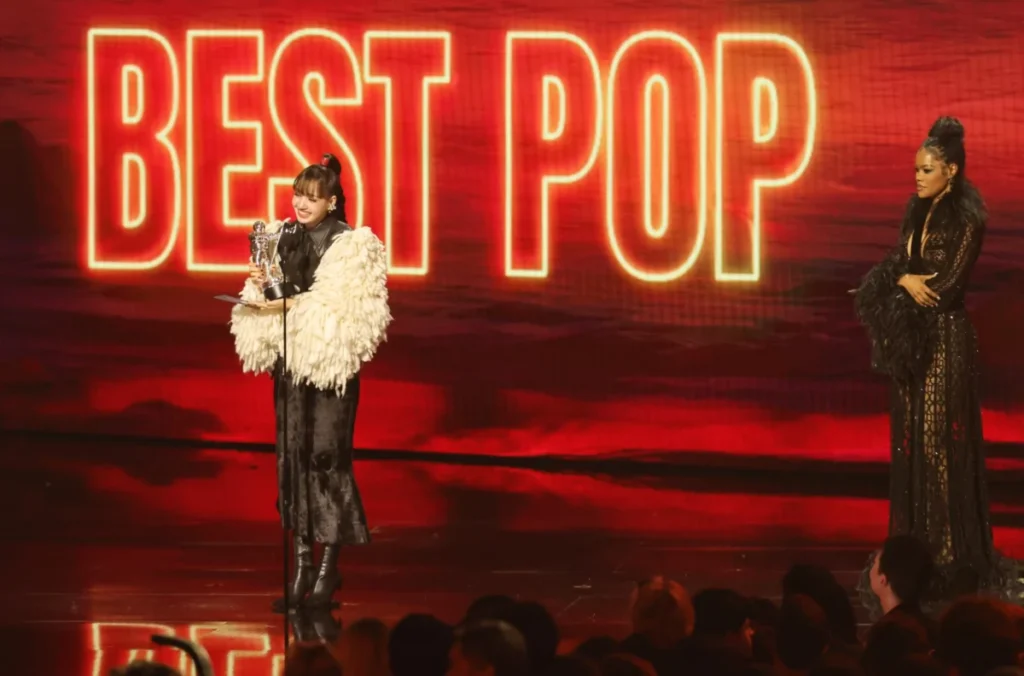
Similarly, BTS capitalized on their triumphant return to the global stage, capturing three competitive awards and capping off a massive comeback year that demonstrated the group’s unwavering commercial and cultural dominance. In the pop categories, global sensation Lisa took home the coveted "Best Pop" award for her collaborative track "Dream" featuring Kentaro Sakaguchi, reflecting the expanding cross-cultural collaborations defining modern mainstream charts.
Taylor Swift made history as the recipient of the inaugural VMA Artist Director honors, a new category designed to recognize exceptional visionary control across an artist’s visual output. Swift also used the global platform to premiere the music video for her new single, "Patient Zero," which immediately generated significant online traffic and critical discussion following the broadcast.
Chronology And Event Timeline
The evening’s schedule was packed with landmark moments, beginning well before the final category announcements.
Opening the show, Madonna delivered a high-energy performance that marked her first appearance on the VMA stage in 23 years. This performance also represented her fifth time opening the ceremony, establishing a new record in VMA history for the most show-opening sets by a single artist.
The mid-show chronology featured poignant emotional peaks through dedicated tributes. Country artist Kacey Musgraves delivered a heartfelt homage to Dolly Parton, celebrating the enduring legacy of the country music icon. Later in the evening, a powerhouse ensemble consisting of RAYE, SOMBR, Teddy Swims, and Adam Lambert united to honor the late George Michael, performing a medley of his timeless hits.
Further anchoring the night’s historical reverence, the pioneering alternative rock band Nirvana—which permanently disbanded following the tragic suicide of lead singer and guitarist Kurt Cobain—was formally awarded the prestigious Video Vanguard Award, reminding audiences of the enduring power of foundational music videos.
Supporting Data And Broadcast Logistics
The 2026 VMAs were executed through a robust production framework. Produced by Gunpowder & Sky, with industry veteran Van Toffler serving as producer, the event was broadcast live from the Peacock Theater in Los Angeles between 7:30 p.m. and 9:30 p.m. ET (4:30 p.m. to 6:30 p.m. PT).
The distribution strategy emphasized a cross-platform approach, leveraging traditional broadcast television via CBS, simultaneous cable coverage on MTV, and premium digital streaming through Paramount+. International accessibility was prioritized, with the broadcast scheduled for global rollout across Paramount+ and MTV platforms the following day. This multi-tiered broadcasting model ensures maximum reach across diverse demographic cohorts, capturing both traditional television audiences and digital-first streaming consumers.
Official Responses And Industry Reactions
Representatives from production banner Gunpowder & Sky, alongside network executives at Paramount, expressed satisfaction with the logistical execution and audience reception of the 2026 telecast. Industry stakeholders noted that the seamless integration of live-streaming metrics with traditional television ratings highlighted a maturing media consumption ecosystem.
Artists and their respective management teams also weighed in on the cultural impact of the evening. Representatives for BTS emphasized that the group’s three-win sweep validated their strategic musical evolution during their recent comeback phase. Meanwhile, visual directors and creative producers lauded the introduction of the VMA Artist Director honors—won by Taylor Swift—as a long-overdue acknowledgement of the collaborative labor behind modern music videos.
Broader Impact And Industry Implications
The 2026 MTV Video Music Awards served as more than just a trophy-handing ceremony; they functioned as a barometer for shifts within the global entertainment industry. The prominence of cross-border collaborations, such as Lisa and Kentaro Sakaguchi’s win, underscores the ongoing globalization of pop music charts, where geographic and linguistic barriers continue to dissolve.
Furthermore, the juxtaposition of legacy acts like Madonna and Nirvana alongside contemporary powerhouses like Taylor Swift and BTS illustrates the unique generational bridge that music award shows must maintain. By honoring past innovators while validating current commercial titans, the VMAs reinforce their status as a central cultural institution.
As the music industry continues to adapt to fractured digital landscapes and rapidly evolving consumption habits, events like the VMAs provide a centralized platform for cultural consensus. The balance of predictable legacy wins with unexpected category turns ensures that the franchise remains relevant, highly scrutinized, and capable of generating the discourse necessary to sustain its place in modern pop culture.