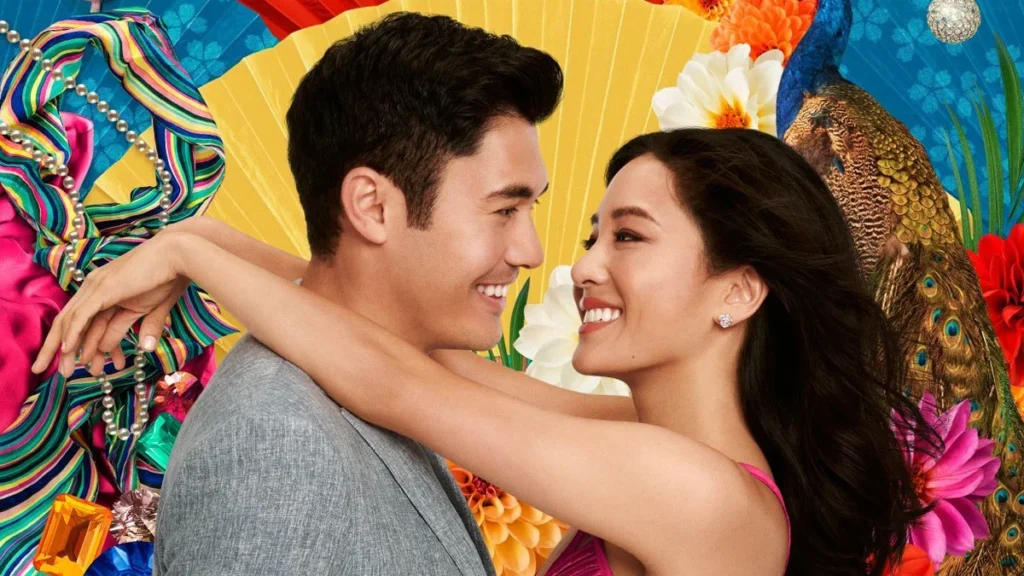

The 2018 cinematic phenomenon Crazy Rich Asians, which redefined the box office potential for Asian-led storytelling in Hollywood, is officially transitioning from the silver screen to the prestige television landscape. HBO has confirmed that it has greenlit a television series adaptation based on Kevin Kwan’s best-selling literary trilogy. This strategic expansion into episodic content will feature the return of several core cast members from the original Warner Bros. film, including Constance Wu, Henry Golding, and Ronny Chieng, while Academy Award winner Michelle Yeoh is slated to reprise her iconic role of Eleanor Young in a recurring capacity.
The series is set to be spearheaded by Adele Lim, who served as a co-writer on the 2018 feature film. Lim’s appointment as showrunner and executive producer marks a significant narrative of professional reclamation within the industry. Following the critical and commercial success of the film, Lim notably departed from discussions regarding a potential film sequel after it was revealed that she was offered a compensation package significantly lower than that of her male co-writer—a disparity she described as a reflection of systemic undervaluation. The cancellation of the film sequel, coupled with Lim’s return to the franchise in a leadership role, underscores a shift in how creative labor is valued and managed within major studio productions.
A Timeline of the Franchise’s Evolution
The journey of Crazy Rich Asians from a cultural touchstone to a television franchise has been marked by both immense success and complex behind-the-scenes negotiations.
- June 2017: Warner Bros. acquires the rights to Kevin Kwan’s 2013 novel, signaling a major commitment to diverse casting and global storytelling.
- August 2018: The feature film premieres in theaters. It becomes the highest-grossing romantic comedy in over a decade, earning over $238 million globally against a $30 million budget.
- September 2019: Screenwriter Adele Lim exits the planned film sequels following a high-profile public dispute regarding pay equity, sparking a broader industry conversation about diversity and compensation.
- 2020–2024: Development on follow-up films stalls as the pandemic shifts industry priorities and internal studio strategies evolve regarding theatrical versus streaming assets.
- October 2026: HBO formally announces the series adaptation, confirming an eight-episode order for the first season and the return of key talent.
Examining the Shift to Episodic Storytelling
The transition from film to television allows for a more expansive exploration of Kevin Kwan’s source material. The original film focused heavily on the central romance between Rachel Chu and Nick Young, often truncating the complex secondary storylines present in the subsequent novels, China Rich Girlfriend and Rich People Problems.
An eight-episode order provides the necessary narrative real estate to delve deeper into the secondary characters who anchored the original film. Among these are Astrid Leong-Teo and Charlie Wu, portrayed by Gemma Chan and Harry Shum Jr., respectively. Their brief interaction at the conclusion of the 2018 film served as a narrative "hook" that left audiences anticipating a continuation of their subplot. While HBO’s initial press release has remained silent on the specific contractual status of these actors, the structure of the series suggests that the production is leaning into a multi-perspective ensemble format, which is better suited for a serialized drama than a two-hour theatrical release.
Industry Implications and Economic Data
The decision by HBO to invest in the Crazy Rich Asians brand is part of a larger trend of studios leveraging established "intellectual property" (IP) to secure subscription stability. According to industry tracking firm Comscore, the original 2018 film reached a 91% approval rating on Rotten Tomatoes, indicating an exceptionally high degree of audience goodwill that persists years later. By bringing back original cast members like Constance Wu and Henry Golding, HBO mitigates the risk typically associated with reboots or spin-offs, ensuring a baseline level of fan engagement from day one.
Furthermore, the involvement of Adele Lim serves as a strategic move to solidify the creative integrity of the series. Her public stance on pay equity in 2019 made her a representative figure for fair labor practices in Hollywood. By placing her in the showrunner chair, HBO not only gains the voice that helped define the tone of the original film but also signals to the creative community that the studio is prioritizing equitable production environments.
The Role of Michelle Yeoh and Cast Retention
The return of Michelle Yeoh, who has since ascended to unprecedented heights following her Academy Award win for Everything Everywhere All At Once, adds significant prestige to the series. Her presence as a recurring character suggests that the series will maintain the high-stakes, opulent family dynamics that made the original film a success, while likely allowing for the introduction of new characters and regional settings as dictated by the later books in Kwan’s series.
The return of Ronny Chieng, whose performance as Eddie Cheng provided essential comedic relief and emotional depth, further indicates that the series will strive to maintain the tonal balance of the film. The production is expected to face the challenge of balancing the high-fashion, globetrotting aesthetic of the source material with the logistical constraints of a television production schedule. However, with the backing of HBO’s production budget and the established chemistry of the returning cast, the series is positioned to be a flagship title for the network.
Broader Cultural Context
When Crazy Rich Asians first debuted, it was the first major studio film to feature an all-Asian cast in a contemporary setting since 1993’s The Joy Luck Club. Its success proved that global audiences were eager for diverse, high-production-value narratives that did not rely on stereotypical tropes. The move to television suggests that the "Crazy Rich" brand has evolved beyond a singular cinematic event into a sustainable franchise, much like other successful literary adaptations that have found long-term homes on streaming platforms.
As the industry faces increased pressure to provide content that resonates with global, multi-generational audiences, the series adaptation of these novels serves as a case study in how to leverage domestic success for international appeal. The books, which are set across Singapore, Hong Kong, and Shanghai, provide a rich tapestry of settings that are likely to be utilized to maintain the "grand scale" feel that viewers associate with the franchise.
Looking Ahead: What to Expect
As production ramps up, industry analysts will be watching closely to see how the series navigates the narrative expectations of fans of the books. Adele Lim’s statement that "this series is the sequel we’ve been waiting for" indicates that the show will likely pick up the threads left hanging by the 2018 film while expanding the scope to cover the events of the second and third books.
The primary challenge will be maintaining the aesthetic and cultural specificity that defined the original film while navigating the different pacing requirements of television. With an eight-episode order, the show has the luxury of time to develop character arcs, though it must also justify its existence by moving the story forward in a meaningful way that justifies the return of the original actors.
Ultimately, the greenlighting of this series serves as a testament to the enduring power of the story and the importance of creator-led development. By bringing the original creative team back into the fold—and placing them in positions of authority—HBO has demonstrated a clear understanding of what made the original film a global phenomenon. Whether the series can replicate the lightning-in-a-bottle success of the 2018 original remains to be seen, but the foundational elements of talent, brand recognition, and creative leadership are firmly in place. As the production moves into its next phase, the focus will undoubtedly shift to casting announcements and potential filming locations, as fans of the franchise wait to see how the world of the Youngs and the Chus will be reimagined for the modern television era.