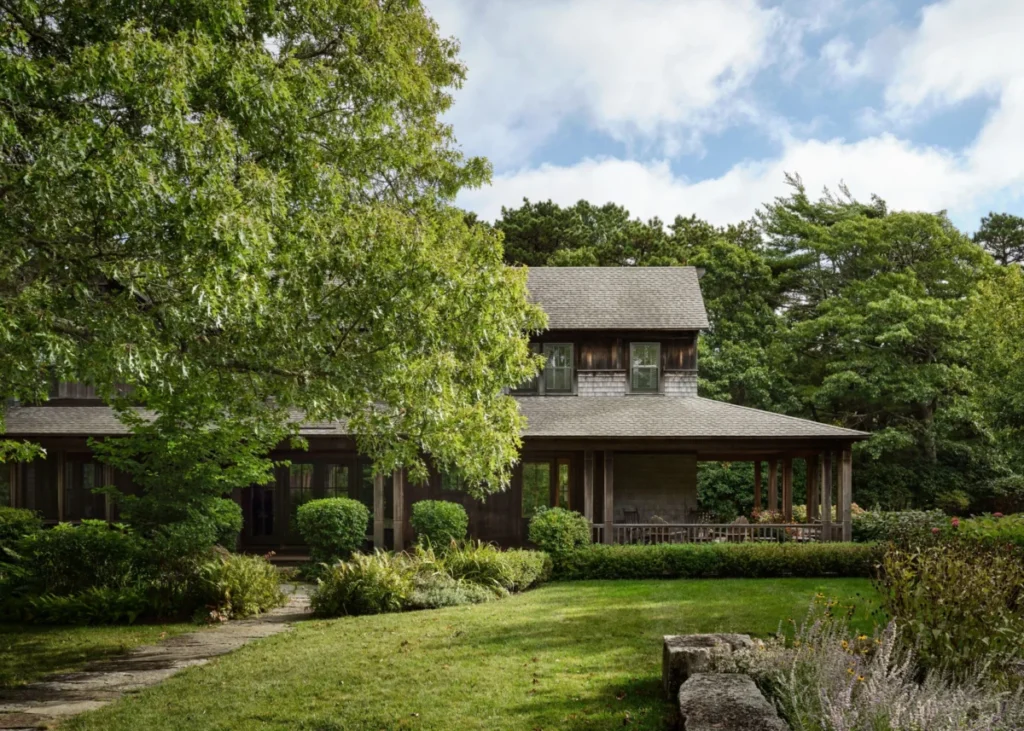

Boston-based designer Nina Farmer, a prominent figure in the AD PRO Directory, has recently completed a comprehensive interior transformation of a 4,900-square-foot compound in Edgartown, Massachusetts. The project, commissioned by a Harvard professor and longtime client, represents a significant departure from the polished, maritime-heavy aesthetics typically associated with Edgartown. Instead, Farmer opted for a design language rooted in the "up-island" vernacular—a style defined by agricultural history, weathered textures, and a deliberate sense of generational permanence. By prioritizing rustic charm over nautical clichés, the renovation aligns the home’s interior with the authentic, slow-paced lifestyle of Martha’s Vineyard.

Project Background and Client Vision
The genesis of the project was a six-year search for a permanent seasonal residence. The homeowners, who had rented in various neighborhoods across the island, sought a property that balanced proximity to Edgartown’s amenities with the seclusion and character of a country estate. They eventually secured a multi-structure compound featuring a primary residence and a guest house, situated behind a dense canopy of mature trees. While the property was within walking distance of Edgartown’s Main Street and the beach, its initial interior state lacked the warmth and historical resonance the family desired.
Nina Farmer’s approach was informed by the specific "ethos" of a Martha’s Vineyard summer. This cultural landscape is defined less by luxury retail and more by artisanal tradition, such as the annual Agricultural Fair in West Tisbury, the local farmer’s markets, and the informal pleasure of coastal dining. The client’s directive was to create a "country cottage" atmosphere rather than a standard "beach house," ensuring the home felt as though it had been curated over decades rather than furnished in a single season.

Chronology of the Transformation
The transition from a standard vacation rental to a bespoke family compound followed a deliberate timeline. Upon acquiring the property, the homeowners elected to live in the space for one full summer season without making any immediate changes. This period of observation allowed the family to understand the flow of the house and the play of natural light. It also confirmed that while the architectural layout was sound—negating the need for structural demolition—the "bland" interior required a total aesthetic overhaul to achieve the desired "Vineyard feeling."
Immediately following the conclusion of the summer season, Farmer initiated the renovation. The process began with the removal of all existing furnishings and fixtures. The subsequent redesign focused on introducing "patina" through reclaimed materials and vintage acquisitions. The project was completed in time for the following summer, culminating in a residence that the homeowner described as a "relief," finally matching the picturesque quality of the exterior grounds and wraparound porch.

Architectural and Material Specifications
The renovation is characterized by a sophisticated interplay of wood tones and artisanal finishes. A central element of the design is the use of reclaimed oak, sourced from regional barns, to clad the ceilings. This choice provides immediate historical weight to the 4,900-square-foot space. In the entryway, bluestone tile was selected to mirror the exterior stonework, creating a seamless transition between the manicured grounds and the interior.
In the living room, Farmer curated a mix of high-end contemporary pieces and midcentury antiques. The seating arrangement features a Zak + Fox-upholstered BDDW sofa paired with a Pierre Frey-covered Nickey Kehoe sofa. Texture is further enhanced by an Atelier Vime wicker pendant and 1930s Swedish stools sourced from 1stDibs. To anchor the room in its local context, Farmer placed a painting by Vineyard artist Jennifer Christy above the fireplace.

The kitchen serves as a focal point for the home’s color palette. Moving away from the white-on-white trend common in coastal properties, Farmer utilized Benjamin Moore’s Mediterranean Olive for the cabinetry. This deep green is complemented by a handmade backsplash from Bantam Tileworks. Notably, the project encountered real-world logistical challenges, as increased tariffs during the renovation period extended the lead times for these specific tiles. However, the designer and client agreed that the artisanal quality was essential for creating the necessary "patina."
The Guest House and Remote Work Integration
The compound includes a two-bedroom, three-and-a-half-bath guest house, which Farmer treated as a "junior version" of the main residence. Connected by a winding stone path, the guest house provides a private retreat for visitors while also serving as a functional workspace for the homeowners.

Reflecting the modern necessity for remote work capabilities, the guest house features a dedicated office and a full kitchen. The design maintains thematic consistency with the main house, utilizing similar wood tones and vintage elements, such as McGuire bamboo and rattan barstools and Nickey Kehoe pendants. This secondary structure allows the compound to function as a multi-generational hub, capable of hosting large groups while offering spaces for quiet withdrawal.
Regional Context and Design Philosophy
The distinction between "Edgartown" and "Up-Island" styles is central to understanding Farmer’s work on this property. Edgartown is traditionally characterized by its historic whaling captain’s houses, white clapboard siding, and formal maritime influences—often compared to the aesthetic of Nantucket. In contrast, the "up-island" areas of West Tisbury and Chilmark are defined by rolling hills, stone fences, and a more rugged, farmhouse-centric vernacular.

By bringing the up-island aesthetic into the heart of Edgartown, Farmer challenged the regional design norms. Her philosophy emphasizes that vacation homes should not feel "new" or "fussy." Instead, they should reflect the continuity of the families who inhabit them. The use of hand-knotted rugs, custom-painted lighting from Urban Electric, and wallcoverings from Jasper Textiles contributes to a sense of "intentionality" that is often missing in speculative vacation real estate.
Real Estate and Economic Implications
The Martha’s Vineyard real estate market has seen significant shifts in recent years, with a growing demand for "turnkey" properties that nonetheless offer unique architectural character. Edgartown remains one of the most expensive zip codes in Massachusetts, with median home prices often exceeding $2 million. In such a high-stakes market, the value of a property is increasingly tied to its "authentic" design credentials.

The renovation of this compound illustrates a broader trend in luxury interior design: the move toward "slow living" and "heritage interiors." Homeowners are increasingly willing to navigate the complexities of global sourcing and extended lead times for artisanal goods (as seen with the Bantam Tileworks backsplash) to avoid the "cookie-cutter" look of modern developments. This project also highlights the economic impact of the "work-from-anywhere" culture, as the inclusion of high-end office facilities in seasonal homes has become a standard requirement for high-net-worth individuals.
Conclusion and Broader Impact
The completion of this Edgartown compound serves as a case study in how interior design can be used to reconcile a property’s physical location with a client’s emotional and cultural aspirations. Nina Farmer’s rejection of nautical tropes in favor of a rustic, texture-rich palette has resulted in a home that feels deeply rooted in the history of Martha’s Vineyard.

The project stands as a testament to the importance of "place-making" in residential architecture. By sourcing from local artists like Jennifer Christy and utilizing materials that reflect the island’s natural landscape, Farmer has created a space that honors the traditions of the region. As the homeowner noted upon moving in, the ability to cook dinner with the doors open and feel an immediate sense of belonging is the ultimate metric of a successful design. This project confirms that for the modern vacationer, luxury is no longer defined by flash or formality, but by the quiet, buttery pleasure of a well-designed life.