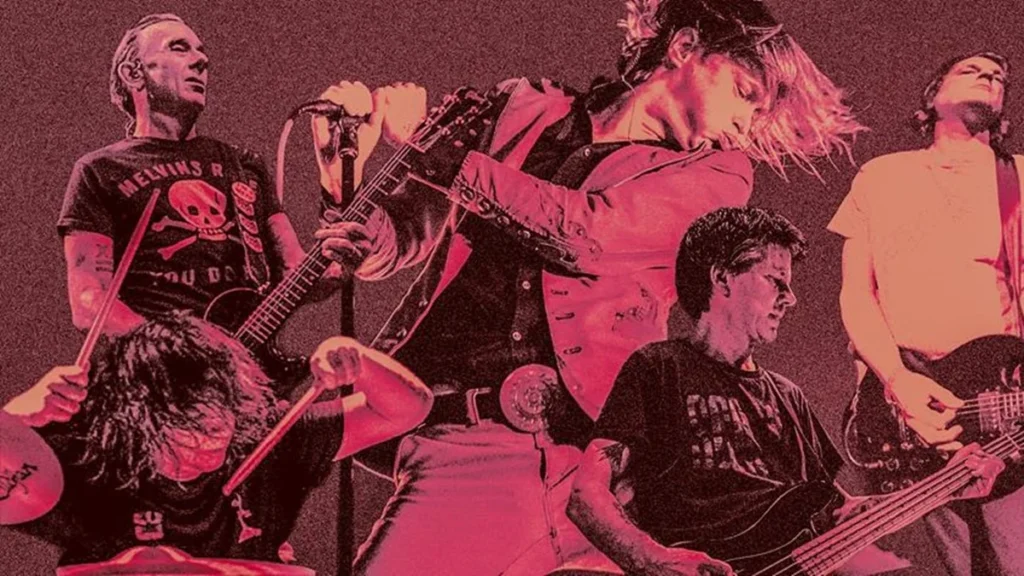

The punk supergroup Fake Names, a collective whose lineage reads like a definitive history of the American and Swedish underground hardcore movements, has officially released their latest single, "If You Could See Me Today." This track serves as the second major preview of their highly anticipated upcoming studio album, Punk Ruins, which is scheduled for a global release on October 23rd. The group, known for its members’ pedigree in bands such as Refused, Bad Religion, Minor Threat, and Rocket From The Crypt, continues to defy the stylistic constraints of their collective resumes by pivoting toward a more melodic, jangle-pop-infused sound.
The Evolution of the Fake Names Sound
While the individual members of Fake Names are cemented in the annals of hardcore punk history, their collaborative project has consistently sought to expand the definition of their musical identity. "If You Could See Me Today" exemplifies this shift. The track moves away from the aggressive, high-octane tempo synonymous with the members’ primary projects, instead leaning into a mid-tempo, earthy rock arrangement.
Musically, the song is characterized by chiming, jangle-pop guitar riffs that provide a counterpoint to the yearning, emotive vocal performance of Dennis Lyxzén. The arrangement invites comparisons to the classic craftsmanship of 1960s Motown soul, reimagined through the lens of power-pop icons Big Star. By integrating these melodic sensibilities with the raw energy that the band members are known for, Fake Names has created a sophisticated sonic space that challenges the expectations of their long-time fan base while simultaneously broadening their appeal to listeners of indie and jangle pop.
Chronology and Development
The trajectory of Fake Names has been one of deliberate, steady growth since their formation. The project first gained significant traction as an underground curiosity, drawing listeners primarily through the sheer star power of its personnel. However, over the past several years, the group has transitioned into a fully realized creative entity.
- Formation (2018–2019): The group formed organically, with Brian Baker (Minor Threat, Bad Religion) and Michael Hampton (S.O.A.) initiating the collaboration. The inclusion of Dennis Lyxzén provided a distinct lyrical and vocal depth, cementing the group’s international reach.
- The Debut Phase: Following early demos and self-titled releases, the band solidified their lineup, which currently includes Johnny Temple (Girls Against Boys, Soulside) on bass and recently added powerhouse drummer Mario Rubalcaba (Rocket From The Crypt, Off!).
- The "Punk Ruins" Campaign (2026): The buildup to the October 2026 album release began in earnest with the lead single, "Until It’s Normal." That track was widely acclaimed, earning "Heavy Song of the Week" honors from industry critics and establishing the thematic tone for the new record.
- Current Status: With "If You Could See Me Today," the band is firmly in the final promotional push for Punk Ruins, signaling a departure from the "supergroup" label toward a more cohesive, permanent band structure.
Personnel and Collaborative Dynamics
The chemistry within Fake Names is a result of decades of shared experience in the global punk circuit. Understanding the members’ backgrounds is essential to analyzing the group’s current output:
- Brian Baker: A foundational figure in the D.C. hardcore scene, Baker’s history with Minor Threat and his long tenure with Bad Religion provide the architectural backbone for the band’s songwriting.
- Dennis Lyxzén: As the frontman of the legendary Swedish band Refused, Lyxzén brings a theatrical, politically charged, and soul-inflected vocal style that is central to the band’s current melodic pivot.
- Michael Hampton: His work with S.O.A. and The Faith is legendary in the hardcore community. His guitar interplay with Baker is what allows for the seamless blending of punk intensity and pop melodicism.
- Johnny Temple: Bringing a rhythmic complexity derived from his time in Girls Against Boys and Soulside, Temple provides the groove necessary for the band’s mid-tempo shifts.
- Mario Rubalcaba: The newest member, Rubalcaba, is one of the most respected drummers in independent music. His ability to navigate complex rhythms has added a dynamic layer to the band’s sound, moving away from standard "punk beat" drumming.
Analysis: Implications of the "Jangle Pop" Pivot
The decision to incorporate jangle-pop elements is a strategic artistic choice that reflects the maturity of the musicians involved. In the contemporary music landscape, legacy acts from the hardcore scene often face the "nostalgia trap"—the expectation to recreate the sound of their formative years. By consciously steering toward a sound that references Big Star and the soulful structures of Motown, Fake Names is engaging in an act of artistic liberation.
This shift has several implications for the band’s career:
- Broadening the Demographic: By stripping away the sonic barriers of heavy hardcore, the band makes their music accessible to a wider audience, including those who may not have followed their respective legacy bands.
- Longevity: Creating music that relies on arrangement and melody rather than sheer volume allows for a more sustainable touring and recording career.
- Artistic Integrity: For musicians who have spent decades playing high-energy music, the pivot demonstrates that their creative impulses are not tethered to a specific genre, but rather to the evolution of their personal tastes.
The Tour Landscape
To support the release of Punk Ruins, Fake Names has structured an extensive touring itinerary. The logistical planning for these dates highlights the band’s commitment to reaching their global audience.
The tour is scheduled to commence in the United Kingdom and Europe in late January 2027, focusing on mid-sized venues that cater to the intimate, melodic sound of the new material. Following this, the group will return to the United States for a seven-date run beginning in mid-February. These performances are expected to showcase the breadth of their catalog, transitioning from the fast-paced punk of their early work to the textured, jangle-pop arrangements of their latest release.
Industry Reception and Anticipation
The industry response to the Punk Ruins era has been overwhelmingly positive. Critics have highlighted the band’s ability to maintain the "punk ethos"—a commitment to authenticity and DIY ethics—while refining their technical skills. The "Heavy Song of the Week" designation for "Until It’s Normal" served as a critical endorsement that the band had successfully transitioned into a new chapter.
Industry analysts suggest that the success of these singles is a barometer for how heritage acts can effectively transition into new musical territories. By eschewing the standard industry pressures of "staying in their lane," Fake Names has positioned itself as an outlier in the punk scene, effectively creating a sub-genre of their own.
Conclusion and Future Outlook
As October 23rd approaches, all eyes remain on the full release of Punk Ruins. The success of "If You Could See Me Today" is a testament to the band’s collective experience and their willingness to evolve. For fans of the individual members, the project is an interesting study in transition; for new listeners, it is an introduction to a band that values songwriting over scene loyalty.
The band’s upcoming tour represents more than just a promotional necessity; it is an opportunity for them to define this new era in front of a live audience. With a refined sound, a seasoned lineup, and a clear creative vision, Fake Names is effectively proving that they are far more than a casual collective of punk veterans. They are, rather, a sophisticated rock band in the midst of a significant creative transformation.
For those interested in following the group’s journey, the lyric video for "If You Could See Me Today" offers a glimpse into the visual and thematic aesthetics of the Punk Ruins album. As the release date draws near, the band’s ability to sustain this momentum will likely solidify their place in the modern indie-rock pantheon, proving that even after decades in the industry, there is always room for a new sound.