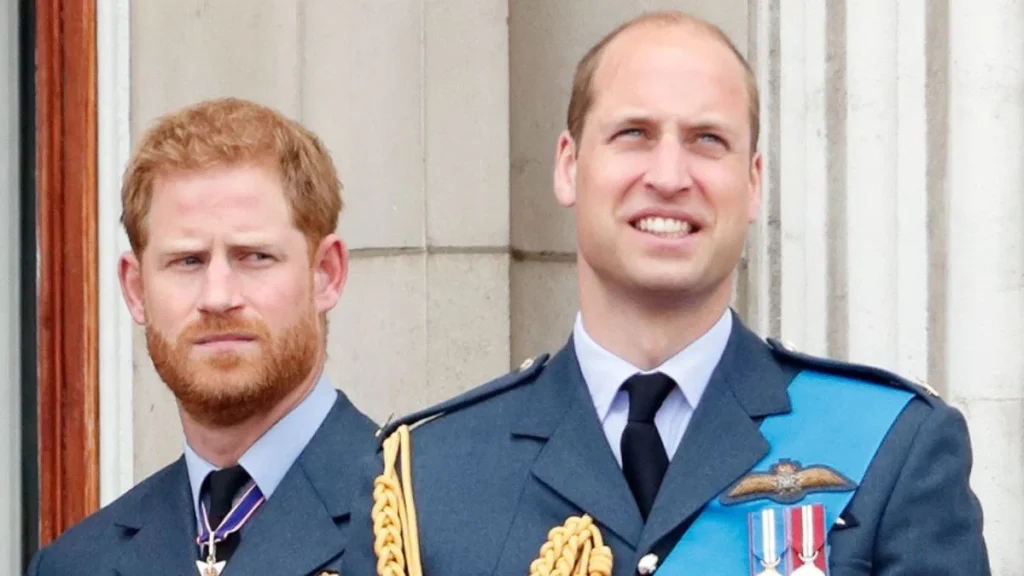

The protracted estrangement between Prince Harry, Duke of Sussex, and Prince William, Prince of Wales, has long dominated international headlines. However, recent developments suggest that a shift in family dynamics may be on the horizon. Following the decision of Prince Harry and Meghan Markle to relocate from California to a residence outside London, royal commentators and analysts are increasingly discussing the long-term implications for the younger generation of royals. According to royal experts, the desire to foster a sense of shared heritage and familial connection for Prince Archie and Princess Lilibet could eventually serve as a catalyst for a reconciliation between the feuding brothers, bridging a gap that has widened significantly over the past several years.
This move marks a substantial chapter in the lives of the Sussex family, ending a six-year residency in Montecito, California, that began following their departure from working royal duties in 2020. With the children now of school age, the relocation to the United Kingdom has opened up new possibilities regarding their education, daily routines, and exposure to British culture. Yet, despite their return to British soil in August, a public reunion with senior members of the House of Windsor—including Prince William and Catherine, Princess of Wales—has not yet materialized.
A Shift in Horizon: The Sussex Relocation and Family Dynamics
The decision by Prince Harry and Meghan Markle to move back to the UK has naturally sparked intense speculation about the future of their relationship with the wider Royal Family. While the primary motivation cited by sources close to the family involves educational opportunities and a desire for a different lifestyle for Prince Archie and Princess Lilibet, the physical proximity to the children’s extended British family cannot be overlooked.
Royal analyst Lynn Carratt recently addressed these shifting dynamics in an exclusive interview with media outlets, suggesting that an eventual rapprochement between the Sussexes and the Prince and Princess of Wales may become unavoidable. Carratt emphasized that as Prince Archie and Princess Lilibet grow older, questions regarding their heritage, their royal lineage, and their extended family in the United Kingdom will inevitably arise. Children naturally seek to understand their roots, and the curiosity surrounding their cousins—Prince George, Princess Charlotte, and Prince Louis—is anticipated to play a pivotal role in shaping the family’s trajectory.
The fundamental inquiry of childhood—asking who their relatives are, where they reside, and why interaction has been limited—presents a poignant challenge for parents navigating high-profile estrangements. Having experienced firsthand the close companionship of growing up within the royal household alongside his brother, Prince Harry is well-positioned to recognize the value of those formative sibling and cousin bonds. Carratt noted that Harry’s own upbringing instilled in him an understanding of how significant childhood familial connections can be, potentially prompting him to reevaluate the current status of his relationship with Prince William as his own children mature.
A Chronology of Estrangement: From Megxit to Memoir
To understand the complexity of any potential future reconciliation, it is necessary to examine the timeline of events that led to the current rift between the two royal brothers. The friction within the British Royal Family did not happen overnight; rather, it represents the culmination of mounting pressures, differing institutional philosophies, and public departures.
In January 2020, Prince Harry and Meghan Markle announced their decision to step back as senior working members of the Royal Family. Citing a desire for financial independence and relief from the intense scrutiny of the British tabloid media, the couple initially relocated to Canada before permanently settling in Southern California. While the early phase of their transition involved collaborative discussions with the late Queen Elizabeth II and senior palace officials—culminating in the formal Sandringham Summit—tensions began to simmer beneath the surface.
The divide deepened significantly in March 2021 during a televised interview with Oprah Winfrey, in which the Sussexes made several allegations regarding institutional lack of support and instances of racial insensitivity within royal circles. These public revelations strained relations further, leading to a noticeable coolness during subsequent brief returns to the UK, such as the funeral of Prince Philip in April 2021 and the Platinum Jubilee celebrations of Queen Elizabeth II in June 2022.
The nadir of the brothers’ relationship, however, arrived with the publication of Prince Harry’s explosive memoir, Spare, in January 2023. The autobiography offered an unprecedented, deeply personal look into the Duke of Sussex’s life, detailing his grievances with the institution, his perspective on the press, and the breakdown of his relationship with his father, King Charles III, and his brother, Prince William. Among the most damaging claims in the book were assertions regarding physical altercations and heated arguments between the brothers, cementing a public narrative of deep-seated animosity that appeared nearly impossible to reverse.
Historical Context and Comparative Family Dynamics
Family feuds within European monarchies are historical constants rather than modern anomalies. Throughout the history of the British Crown, sibling rivalries and succession disputes have frequently tested the stability of the institution. From the strained relations between King George VI and his brother, the Duke of Windsor (formerly King Edward VIII), to the complex domestic dynamics of Queen Victoria’s numerous children, the intersection of private familial duty and public scrutiny has always created unique pressures.
However, the modern era introduces a distinct set of challenges, heavily amplified by twenty-four-hour news cycles, social media discourse, and the monetization of personal narratives through memoirs, documentaries, and interviews. Unlike historical disputes that were largely mediated through letters, court advisors, or diplomatic channels, modern royal disagreements play out in the global public eye, making face-to-face diplomacy exceptionally difficult.
In the case of Prince William and Prince Harry, their roles are fundamentally divergent. Prince William, as the heir to the throne, is bound by strict institutional protocols and a future duty to lead the monarchy. Prince Harry, operating outside the formal working structure of the institution, possesses the autonomy to critique the establishment from a distance. These divergent paths have created a structural chasm that extends far beyond personal grievances, touching upon the very core of how the modern monarchy is managed and preserved.
Expert Analysis and Stakeholder Perspectives
While public statements from Buckingham Palace and Kensington Palace regarding the Sussexes remain strictly guarded—adhering to the traditional royal ethos of "never complain, never explain"—observers close to the royal household have offered measured insights into the institutional perspective.
From an institutional standpoint, any reconciliation between the brothers would require careful navigation. Palace aides and advisors are acutely aware of the reputational risks associated with high-profile family reconciliations, particularly given the commercial ventures the Sussexes have pursued since their departure. Trust, once broken in the public sphere, requires a prolonged period of private rebuilding.
Conversely, psychological and sociological experts specializing in family dynamics emphasize the role of children as natural bridges in long-standing feuds. Grandparents, aunts, uncles, and cousins often provide children with a broader sense of identity and belonging. Child development specialists frequently observe that parents who experienced loving, albeit complex, extended family networks during their own youth often feel a strong pull to recreate similar environments for their offspring, regardless of adult-level animosities.
Furthermore, King Charles III has maintained a desire for family unity, a sentiment expressed in various addresses and through private channels. While the King’s health and demanding royal schedule have limited his ability to personally mediate ongoing disputes, the overarching desire for a cohesive family unit remains a persistent theme within the broader royal ecosystem.
Broader Implications for the British Monarchy
The long-term implications of a potential reunion between the Sussexes and the core members of the Royal Family extend well beyond domestic peace; they touch directly upon the public perception and modernization of the British monarchy.
As the institution faces the challenges of the twenty-first century, the optics of ongoing internal division can be detrimental to its public standing, particularly among younger demographics who value transparency, mental health advocacy, and relational harmony. A visible healing of the breach—even if limited to private family interactions rather than a return to shared public duties—would likely be viewed favorably by the public and international observers alike.
However, any such development would necessitate a delicate balancing act. The Sussexes have established a distinct life and professional identity in North America and now their new base near London, while the Prince and Princess of Wales remain firmly anchored at the center of the working royal framework. Integrating the younger cousins—Prince George, Princess Charlotte, Prince Louis, Prince Archie, and Princess Lilibet—into a shared family dynamic would require mutual boundaries, discretion, and a shared commitment to keeping private matters away from the media spotlight.
Ultimately, while the path toward reconciliation remains fraught with historical grievances and institutional caution, the biological reality of growing children asking questions about their extended family may prove to be the most potent force for change. Whether this natural human impulse will ultimately bridge the vast divide separating Windsor and the Sussex household remains one of the most compelling narratives in contemporary royal watcher circles.