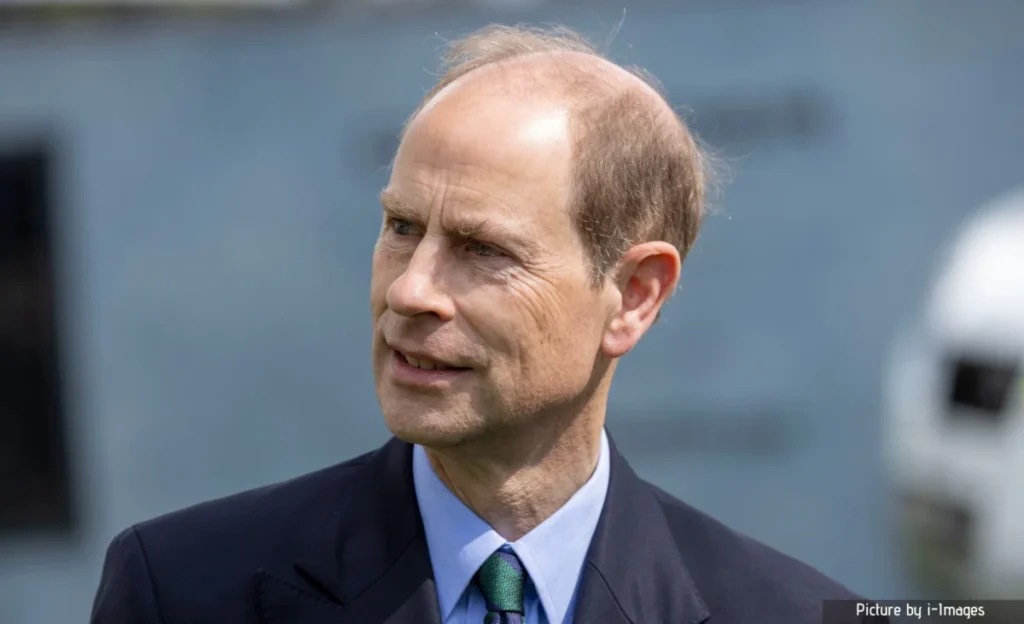

The Duke of Edinburgh has delivered a powerful message to education ministers from around the globe, asserting that formal academic qualifications alone do not define success or a person’s true capabilities. Speaking at a significant international forum in London, Prince Edward emphasized the paramount importance of real-world experience and practical application of knowledge over the sole pursuit of high grades. His remarks come at a time when educational systems worldwide are grappling with evolving demands and the need to equip young people with a broader range of skills for the modern workforce and life itself.
A Call for Holistic Education at the Education World Forum
The Education World Forum, an annual gathering that convenes over 100 education ministers and senior officials from diverse nations, provided the stage for the Duke’s compelling address. This esteemed event, held in the heart of London earlier this week, serves as a crucial platform for dialogue, collaboration, and the sharing of best practices in education. Against this backdrop of international educational discourse, Prince Edward’s intervention resonated deeply, shifting the focus from traditional metrics of success to a more experiential and holistic approach to learning and development.
The Duke articulated a clear perspective: "A formal qualification may or may not get you an interview, but there is one thing I can guarantee you. When you get to the interview, they will never ask you about your academic qualifications." This provocative statement underscores his belief that while academic credentials can open doors, it is the lived experiences, the challenges overcome, and the practical skills acquired that truly matter when individuals are assessed for their potential and suitability.
The Enduring Value of Experiential Learning
Prince Edward elaborated on his conviction, stating that what truly distinguishes individuals in professional and personal contexts is "what people have done and the experiences they have had." He advocated for an educational philosophy that actively encourages individuals to "do things and gain knowledge of the world through experience." Without this crucial element, he posited, individuals are left with "nothing to talk about" during crucial interactions like job interviews. He further illuminated the learning process in the real world as being about "generating that experience, to find out who you are, what your passion is, and what your purpose is." This perspective highlights education not merely as the acquisition of theoretical knowledge, but as a journey of self-discovery and purpose-finding, intrinsically linked to active engagement with the world.
The Duke’s emphasis on experiential learning aligns with a growing global trend in education, which recognizes the limitations of purely academic assessments in preparing individuals for the complexities of the 21st century. Employers increasingly seek candidates with strong soft skills, adaptability, problem-solving abilities, and a demonstrated capacity for teamwork – qualities often honed through hands-on experiences rather than solely through classroom study.
The Duke and Duchess of Edinburgh’s Personal Connection to Education
The Duke of Edinburgh’s insights into the importance of experience are not merely theoretical; they are deeply intertwined with his personal life and family. At present, both Prince Edward and his wife, Sophie, the Duchess of Edinburgh, are navigating the familiar pressures of formal examinations with their children. Their son, James, the Earl of Wessex, is currently undertaking his A-Levels, a critical juncture as he prepares to transition from secondary education. Meanwhile, their daughter, Lady Louise Mountbatten-Windsor, is in the final year of her university studies, pursuing an English degree at the esteemed University of St. Andrews in Scotland.
The public profile of both Lady Louise and James has led to speculation about their potential roles as working royals in the future. However, no official pronouncements have been made by them, their parents, or Buckingham Palace regarding their post-university or post-secondary education career paths. This period of academic intensity for their children likely provides the Duke and Duchess with a current, tangible understanding of the pressures and expectations placed upon young people undergoing formal assessments.
Lady Louise herself appears to be embodying her father’s philosophy. She was recently observed gaining valuable practical experience at the prestigious Royal Windsor Horse Show, a testament to her engagement with activities that extend beyond her academic pursuits. This hands-on involvement in an event that aligns with her known interests exemplifies the Duke’s broader message about the significance of practical engagement.
The Duke’s Own Educational and Career Journey
Prince Edward’s own trajectory offers a fascinating case study in the pursuit of diverse experiences. In his younger years, he actively explored various career paths, notably spending time building a career in the arts before committing to full-time royal duties. His academic record from his time at Gordonstoun School, where he achieved three A-Levels – a C in English and Ds in History and Politics – might be viewed by some as modest by traditional standards.
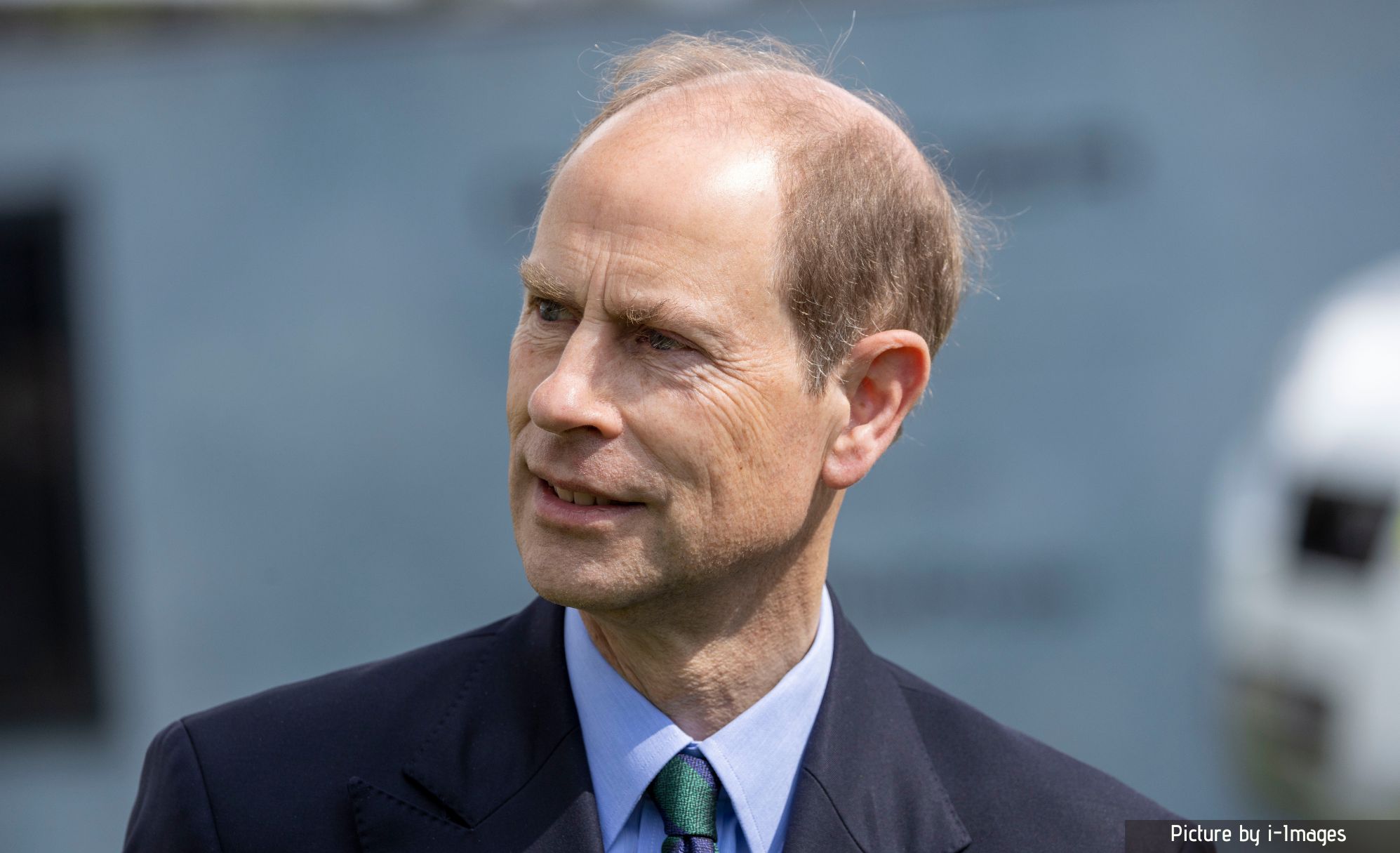
However, these results secured him a place to read History at the University of Cambridge, an institution typically associated with exceptionally high entry requirements. He pursued his studies at Jesus College, graduating with a 2:2 degree after three years. This academic path, while successful, has also drawn commentary, with critics suggesting that his royal lineage may have played a role in his university admission, a point that highlights the complex interplay of privilege and academic merit. Regardless, his journey demonstrates a willingness to pursue academic learning alongside a rich tapestry of practical and artistic endeavors.
The Duke’s enduring commitment to youth development is perhaps most visibly demonstrated through his patronage of the Duke of Edinburgh’s Award (DofE) and the International DofE Award. For decades, he has been a fervent advocate for this program, which empowers young people to develop essential life skills, resilience, and a sense of community through a structured framework of volunteering, expeditions, and skill acquisition.
This week’s events also saw the Duke host over 9,000 DofE Award holders at special garden parties at Buckingham Palace. These gatherings are a significant recognition of the achievements of young people who have successfully completed the rigorous requirements of the award, further underscoring the Duke’s dedication to fostering a generation of well-rounded and experienced individuals. The sheer scale of these events – honoring thousands of participants – signifies the profound impact of the DofE program and the Duke’s unwavering support for its mission.
Broader Implications for Educational Policy
The Duke of Edinburgh’s pronouncements at the Education World Forum carry significant weight, particularly given the diverse representation of global education leaders present. His emphasis on experiential learning and the limitations of solely academic metrics offers a timely challenge to conventional educational paradigms.
Data Supporting Experiential Learning
Numerous studies have highlighted the benefits of experiential learning. For instance, research from the Association for Experiential Education indicates that experiential learning can lead to increased student engagement, improved critical thinking skills, and a greater sense of personal responsibility. A 2021 report by the World Economic Forum also emphasized the growing importance of "21st-century skills" such as creativity, collaboration, and communication, which are often best developed through practical application and real-world problem-solving.
The growing demand for apprenticeships and vocational training programs worldwide further validates the Duke’s perspective. These pathways often prioritize hands-on skill development and on-the-job experience, demonstrating a clear societal recognition that academic qualifications, while important, are not the sole determinant of career readiness.
The Role of Soft Skills in the Modern Workforce
In an era increasingly shaped by automation and artificial intelligence, the demand for uniquely human skills – often referred to as "soft skills" – is on the rise. These include emotional intelligence, adaptability, leadership, and complex problem-solving. These are precisely the types of competencies that are cultivated through diverse life experiences, volunteering, and challenging expeditions, aligning perfectly with the principles advocated by Prince Edward and embodied in the Duke of Edinburgh’s Award scheme.
Potential Reactions and Future Directions
The Duke’s address is likely to be welcomed by educators and policymakers who advocate for a more balanced approach to education, one that values practical skills and personal development alongside academic achievement. It could serve as a catalyst for renewed discussions on curriculum reform, assessment methods, and the integration of experiential learning opportunities within formal educational structures.
While no direct official responses from the attending ministers have been immediately published, the very nature of the Education World Forum suggests that such sentiments would be met with serious consideration. The ongoing evolution of global education systems indicates a shared understanding that preparing young people for an unpredictable future requires a more comprehensive and adaptable approach than has been traditionally emphasized. The Duke of Edinburgh’s message serves as a powerful reminder that true education is a lifelong journey of discovery, engagement, and the cultivation of a well-rounded individual, equipped not just with knowledge, but with the wisdom and experience to navigate the complexities of the world.