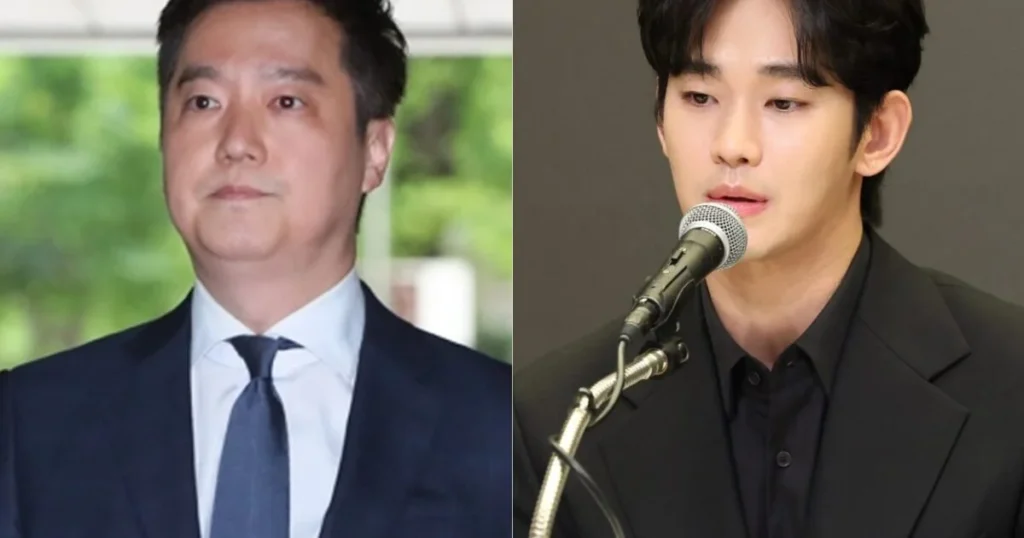

The legal landscape surrounding South Korea’s digital content creators has taken a dramatic turn as Kim Se Ui, the operator of the controversial YouTube channel Garo Sero Institute, has been placed in solitary confinement following his arrest. Currently detained at the Seoul Detention Center, Kim’s transition from a prominent social media figure to an isolated inmate comes amidst a flurry of legal battles, most notably involving high-profile defamation allegations against actor Kim Soo Hyun and separate charges involving the popular mukbang creator Tzuyang. The decision to move Kim to a single-occupancy cell was prompted by credible threats to his physical safety from within the correctional facility, highlighting the volatile nature of the "cyber-wrecker" subculture in South Korea.
The Arrest and Immediate Legal Context
The downfall of Kim Se Ui reached a critical juncture when the Seoul Central District Court approved an arrest warrant for the YouTuber last month. The warrant was issued following a series of investigative findings by the Gangnam Police Station, where Kim was initially held before his transfer to the Seoul Detention Center. The primary catalyst for this specific legal action was Kim’s dissemination of unsubstantiated and highly damaging rumors concerning Kim Soo Hyun, one of South Korea’s most globally recognized actors.
In a series of broadcasts, Kim Se Ui alleged that Kim Soo Hyun was involved in the "demise" of actress Kim Sae Ron. These claims, which lacked any evidentiary support, sent shockwaves through the entertainment industry and prompted immediate legal retaliation from the actor’s representatives. Under South Korea’s Act on Promotion of Information and Communications Network Utilization and Information Protection, defamation via digital platforms carries significant penalties, especially when the information disseminated is proven to be false and intended to damage a public figure’s reputation.
Safety Concerns and the Transition to Solitary Confinement
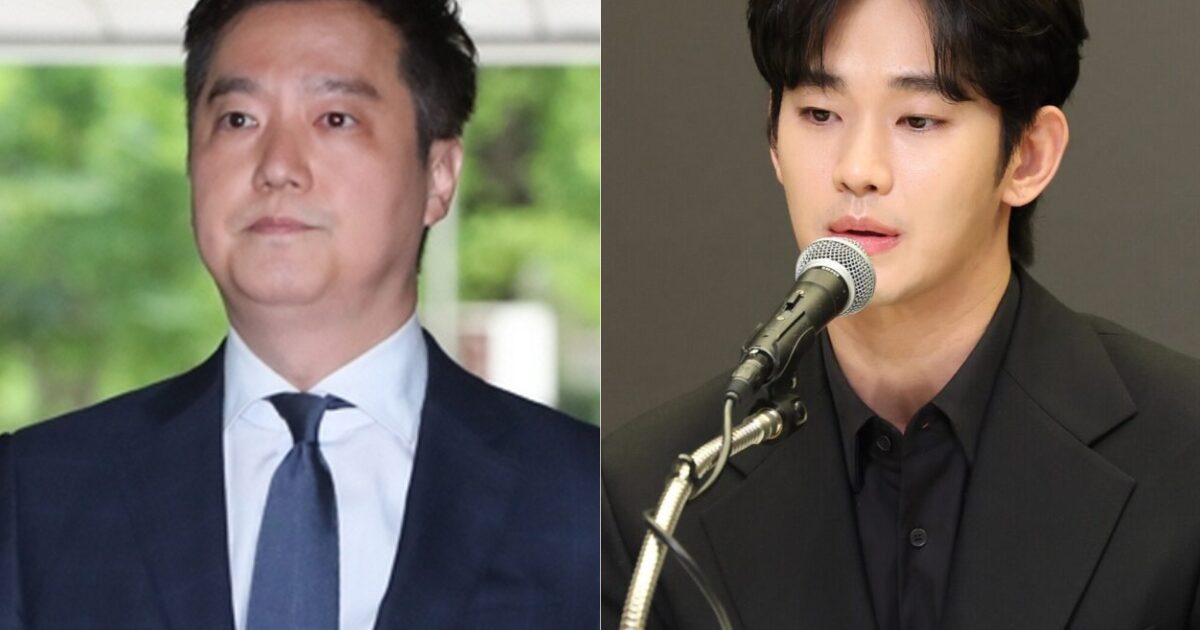
According to reports from Kyunghyang Shinmun dated June 29, Kim Se Ui has been assigned to a solitary cell since early June. In the South Korean penal system, communal housing is the standard practice for detainees. The move to a single-occupancy unit is considered an exceptional measure, reserved for instances where the inmate’s safety is at risk or where the inmate poses a risk to the order of the facility.
Kim’s legal team reportedly petitioned for this change, citing specific threats made by another YouTuber, Eun Hyun Jang. The animosity between the two creators dates back to earlier accusations made by Kim Se Ui, who linked Eun to an investment fraud scheme. Following Kim’s arrest, Eun allegedly held a livestream in which he issued veiled threats, suggesting that he would compensate prison "cell leaders" to target Kim while he was behind bars. These statements were interpreted by Kim’s defense as a direct solicitation of violence, leading prison authorities to conclude that solitary confinement was a necessary preventative measure to avoid internal conflict or physical harm.
The Multi-Front Legal Battle: From Defamation to Stalking
Kim Se Ui’s legal woes extend far beyond the defamation case involving Kim Soo Hyun. He is currently facing a complex web of litigation that touches upon various aspects of South Korean law.
The Kim Soo Hyun Defamation Case
The first hearing regarding the defamation of Kim Soo Hyun is scheduled for July 14. This case is viewed as a landmark instance of a top-tier celebrity taking a firm stand against the "cyber-wrecker" phenomenon—YouTubers who profit from sensationalism, rumors, and the character assassination of public figures. Kim Soo Hyun’s agency, Goldmedalist, has historically maintained a "zero-tolerance" policy regarding malicious rumors, and this trial is expected to test the judiciary’s willingness to impose stricter penalties on digital creators who abuse their platforms.

The Tzuyang Stalking and Intimidation Charges
In addition to the defamation case, Kim is slated to stand trial on August 13 for the alleged stalking and intimidation of the famous mukbang creator Tzuyang. This case has drawn significant public attention, as it involves allegations of systematic harassment and the exploitation of a creator’s personal life for views and financial gain. The prosecution’s decision to include stalking charges indicates a shift in how authorities view the persistent and unwanted digital surveillance often employed by controversial YouTube channels.
The Eun Hyun Jang Fraud Lawsuit
The ongoing feud with Eun Hyun Jang adds another layer of complexity. Eun’s lawsuit against Kim for false accusations of fraud serves as the backdrop for the threats that led to Kim’s solitary confinement. This cyclical nature of "exposés" and counter-lawsuits is a hallmark of the competitive and often toxic YouTube ecosystem in South Korea, where creators frequently target one another to gain viewership.
Background: The Rise and Fall of the Garo Sero Institute
The Garo Sero Institute, co-founded by Kim Se Ui (a former journalist) and the late lawyer Kang Yong Suk, established itself as a polarizing force in South Korean media. By combining political commentary with celebrity gossip, the channel amassed a massive following but also a staggering number of lawsuits.
The channel’s methodology often involved "breaking news" about the private lives of celebrities, politicians, and other public figures. While they claimed to be acting in the public interest by uncovering the truth, critics argued that their content was more akin to digital vigilantism or simple extortion. The arrest of Kim Se Ui is seen by many industry analysts as the beginning of the end for an era of unchecked "cyber-wrecking," as the South Korean government and judiciary begin to tighten regulations on digital content.
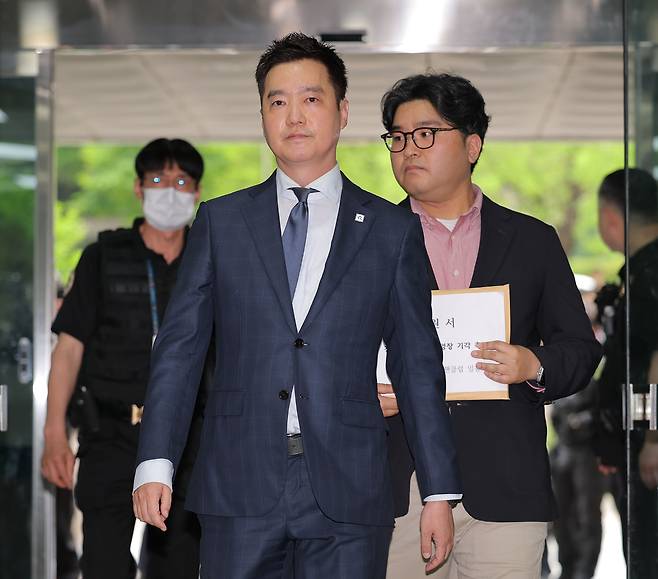
The Cultural and Legal Impact of "Cyber-Wreckers"
The term "cyber-wrecker" has become a buzzword in South Korea, referring to YouTubers who "wreck" the lives of others for profit. The psychological toll on victims has been immense, with several high-profile individuals citing online harassment as a factor in severe mental health struggles.
In response, the South Korean National Assembly has seen several proposed amendments aimed at increasing the accountability of platform operators and creators. The case of Kim Se Ui serves as a practical application of existing laws, demonstrating that the anonymity and reach of the internet do not provide a permanent shield against legal consequences.
The assignment of a solitary cell to Kim Se Ui also highlights the practical challenges the correctional system faces when dealing with high-profile "enemies" within the same facility. The fact that prison authorities found merit in the safety concerns suggests that the rivalries birthed on digital platforms can manifest as real-world violence, necessitating specialized handling by the state.
Official Responses and Industry Reactions
While Kim Soo Hyun’s legal team has remained relatively quiet ahead of the July 14 hearing, the broader entertainment industry has expressed a sense of cautious relief. For years, agencies have struggled to manage the rapid spread of false information on YouTube, which can devalue a celebrity’s brand and cause irreparable personal distress.
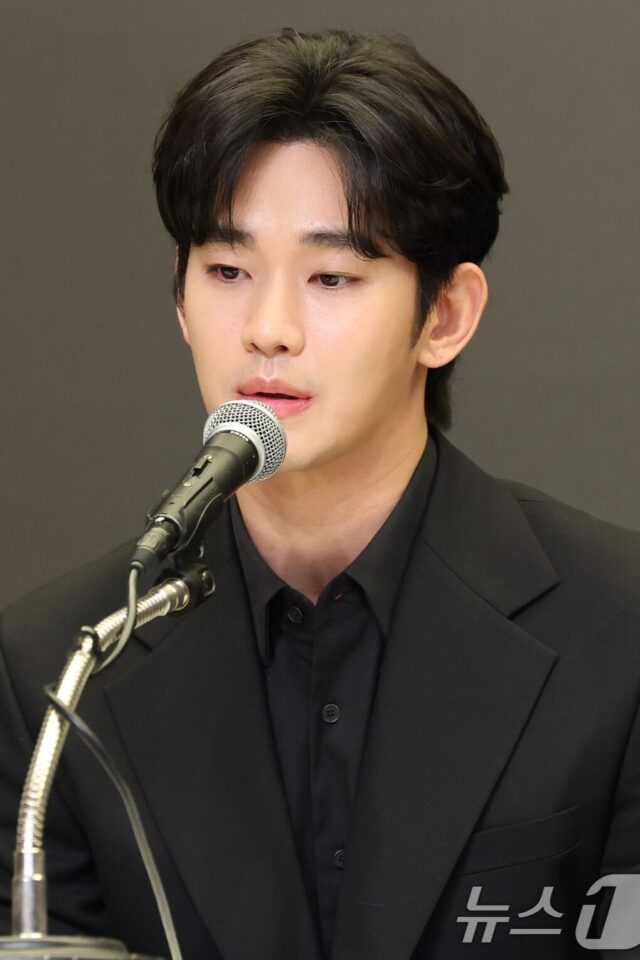
Legal experts suggest that if Kim Se Ui is convicted across multiple counts—defamation, stalking, and intimidation—it could set a precedent for cumulative sentencing that would effectively deter other creators from similar behavior. "The judiciary is under pressure to show that digital crimes are just as impactful as physical ones," noted one legal analyst. "The transition from a YouTube studio to a solitary cell is a powerful visual and legal message to the ‘cyber-wrecker’ community."
Chronology of Events
- Early 2024: Kim Se Ui and Garo Sero Institute begin a series of broadcasts targeting Kim Soo Hyun and Eun Hyun Jang.
- May 2024: Seoul Central District Court approves the arrest warrant for Kim Se Ui based on defamation and stalking allegations.
- Late May 2024: Kim is detained at Gangnam Police Station.
- Early June 2024: Kim is transferred to Seoul Detention Center. Following threats from Eun Hyun Jang’s livestream, he is moved to a solitary cell for his protection.
- June 29, 2024: Official reports confirm Kim’s status in solitary confinement and his upcoming trial dates.
- July 14, 2024 (Scheduled): First hearing for the Kim Soo Hyun defamation case.
- August 13, 2024 (Scheduled): Trial begins for the stalking and intimidation of Tzuyang.
Future Implications for Digital Media Ethics
The incarceration of Kim Se Ui marks a pivotal moment in the evolution of digital media in South Korea. It raises critical questions about the line between freedom of speech and the protection of individual reputation. As Kim awaits his day in court, the case serves as a somber reminder of the consequences of digital sensationalism.
For the victims—Kim Soo Hyun, Tzuyang, and others—the legal proceedings offer a path toward vindication. For the public, it is a lesson in the dangers of consuming unverified content. As the legal system catches up with the digital age, the "solitary cell" may become an increasingly common destination for those who seek to build empires on the ruins of others’ reputations. The upcoming trials in July and August will undoubtedly be closely watched, not just by fans of the celebrities involved, but by anyone concerned with the future of online discourse and the rule of law in the 21st century.