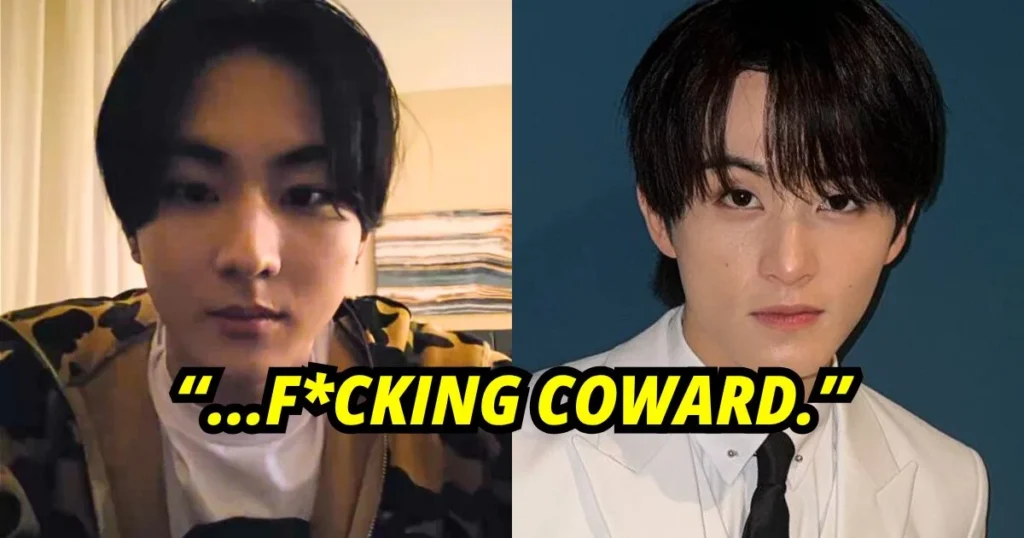

The global K-pop industry, characterized by its rapid content production and international reach, frequently finds itself at the intersection of diverse cultural sensitivities. On July 18, 2026, Yang Jung-won, the leader of the prominent boy group ENHYPEN, became the center of a burgeoning controversy after appearing in promotional social media content wearing attire deemed offensive to the Kazakh people. The incident, and Jungwon’s subsequent personal response, has ignited a broader conversation regarding the responsibilities of idols, the role of corporate styling teams, and the evolving expectations for public apologies in the digital age.
The Genesis of the Controversy: A TikTok Dance Challenge
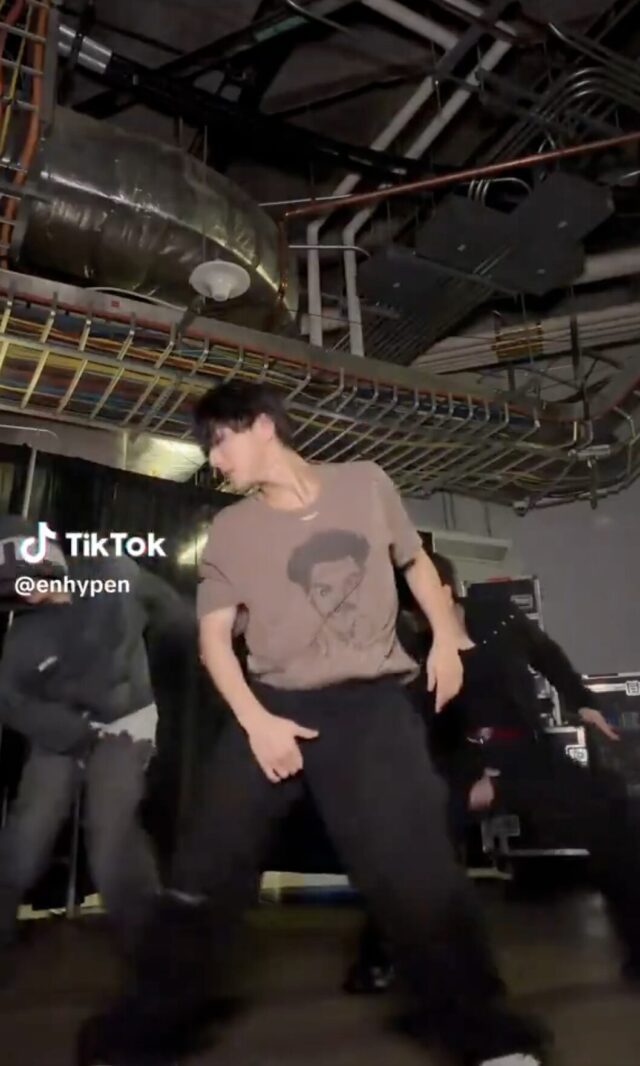
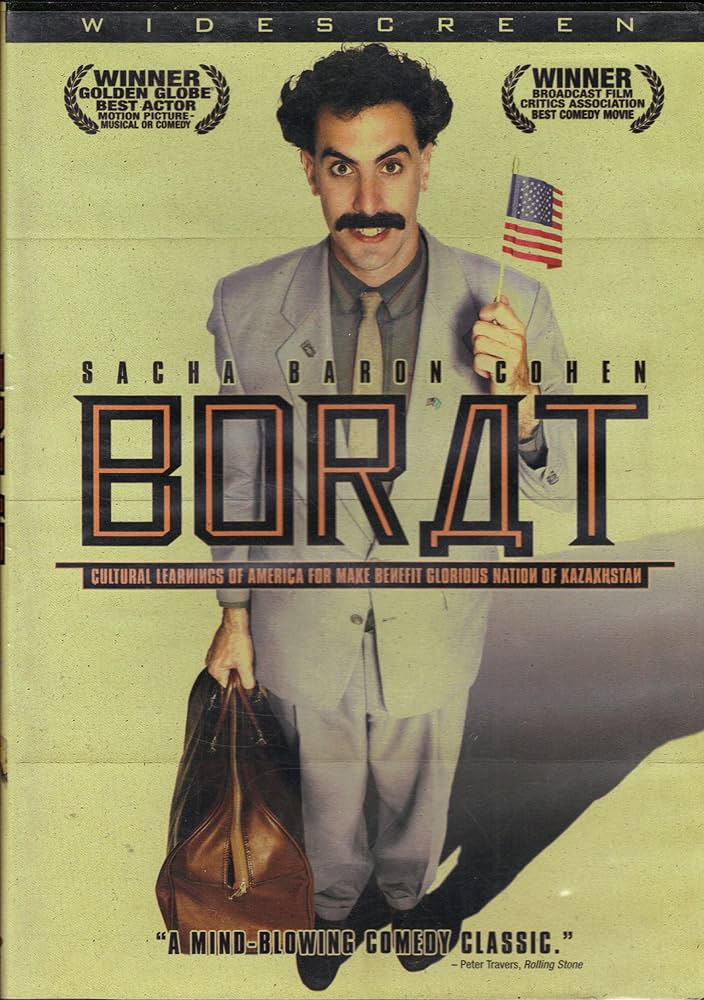
The incident began when a short-form video was uploaded to ENHYPEN’s official TikTok account. The video featured Jungwon performing a dance challenge alongside two backup dancers. While the choreography was intended to promote the group’s recent activities, viewers quickly shifted their attention from the performance to Jungwon’s wardrobe. He was seen wearing a t-shirt featuring an image of Sacha Baron Cohen in character as Borat Sagdiyev from the 2006 mockumentary, Borat! Cultural Learnings of America for Make Benefit Glorious Nation of Kazakhstan.
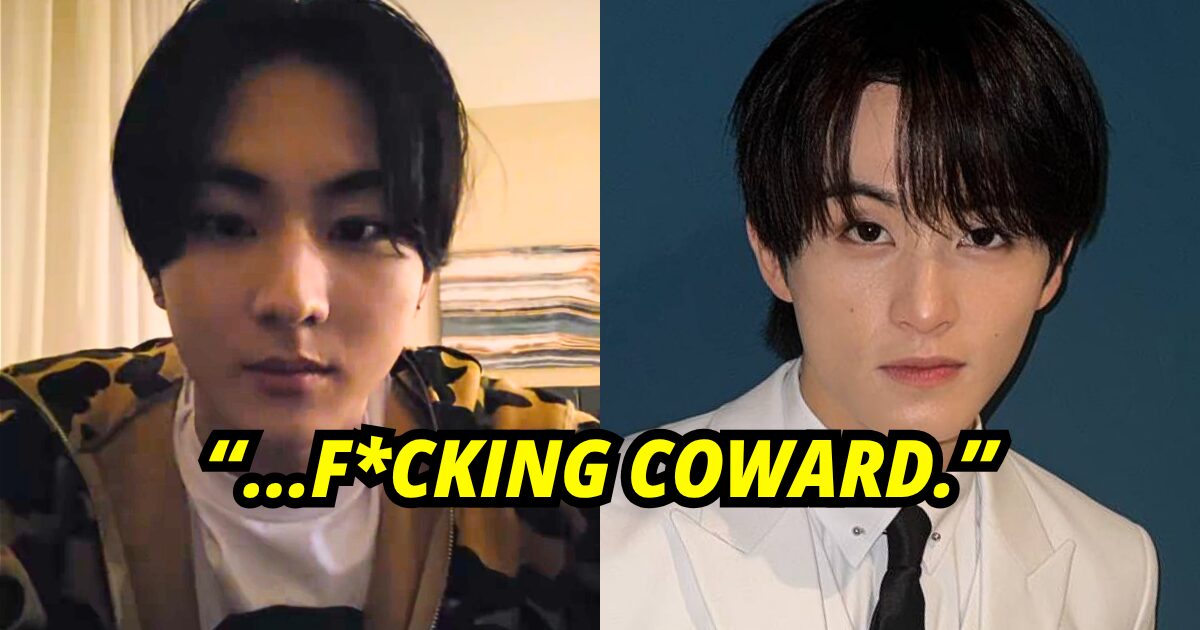
The film, while a commercial success in the West, has long been a subject of intense criticism for its portrayal of Kazakhstan. The character Borat is depicted as a journalist from a fictionalized, primitive, and highly prejudiced version of the country. For many Kazakhs, the film represents a racist and xenophobic caricature that propagates harmful stereotypes on a global scale. The controversy was further compounded by the fact that the choreography Jungwon was performing had been created by a Kazakh dancer. This intersection of cultural appreciation—through dance—and cultural insensitivity—through attire—led to immediate backlash from the group’s fanbase, known as ENGENE.
Historical Context: The Impact of "Borat" on Kazakhstan
To understand the gravity of the offense, one must look at the history of the Borat franchise. Upon its release in 2006, the Kazakh government initially banned the film and discouraged its distribution, citing the movie’s potential to damage the nation’s international reputation. The film does not use the Kazakh language, nor was it filmed in Kazakhstan; instead, it utilizes a mix of Hebrew and mock-Slavic gibberish to represent the character’s "native" tongue.
While some defenders of the film argue it is a satire of American ignorance rather than a critique of Kazakhstan, the collateral damage to Kazakh identity has been documented for two decades. In 2020, following the release of a sequel, the Kazakh American Association called for the film to be banned from award consideration, labeling it a "racist film" that incites "xenophobia and bullying." For Jungwon to wear the image of this character—especially while performing a dance by a Kazakh creator—was seen by many as a failure of both personal and corporate due diligence.

Timeline of the Response and Accountability
The backlash began on X (formerly Twitter) and TikTok almost immediately after the video’s publication. Kazakh fans and allies created educational threads explaining why the shirt was problematic, tagging the group’s management company, BELIFT LAB, and its parent company, HYBE.
- July 18, 2026: The TikTok video is posted and quickly goes viral. Within hours, the comment section is flooded with requests for the video’s removal and an explanation.
- July 18, 2026 (Late): BELIFT LAB removes the video from the official ENHYPEN account without an initial statement.
- July 19, 2026: Jungwon initiates a surprise live broadcast on the fan communication platform Weverse to address the issue directly.
During the live stream, Jungwon demonstrated a level of transparency that is often rare in the highly managed world of K-pop. He confirmed that he had become aware of the meaning behind the shirt through fan feedback and stated that he had discarded the item immediately. Crucially, Jungwon mentioned that he had checked the local time in Kazakhstan before starting the broadcast to ensure that the fans most affected by the incident would be awake to hear his apology.
"First of all, I want to apologize," Jungwon stated during the broadcast. "I threw that t-shirt away right away. Even though I didn’t know the meaning, I realize it caused hurt."
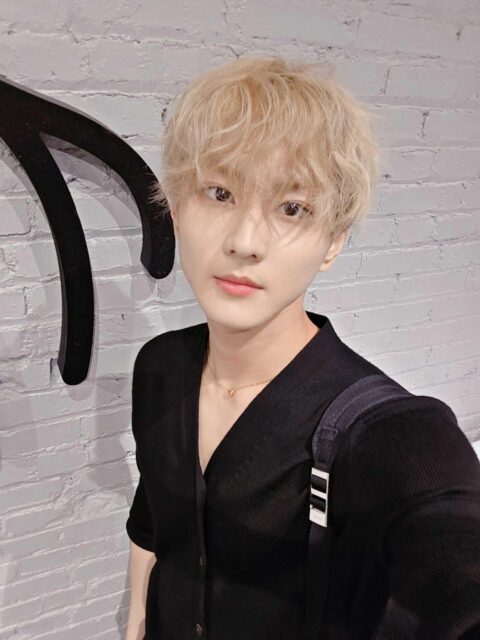
Comparative Analysis: The "Standard" of the Modern Apology
Jungwon’s approach has been widely praised by fans and industry observers as a potential "standard" for how idols should handle cultural missteps. This praise often comes through direct comparison with other recent controversies, most notably involving Mark Lee, a former member of NCT who has transitioned into a solo career and independent management.
Earlier in 2026, Mark Lee faced significant criticism after being seen in attire featuring the Confederate flag, a symbol deeply associated with slavery, white supremacy, and the American Civil War. The apology issued by Mark’s team was criticized by a segment of the international community as being "impersonal" and "corporate." Some fans even speculated that the apology might have been generated by AI, citing its lack of specific emotional resonance.
The contrast between the two situations highlights a growing divide in fan expectations:
- Directness vs. Delegation: Jungwon spoke directly to his fans on video, whereas Mark’s apology was a written statement.
- Cultural Consideration: Jungwon’s effort to time his apology for the Kazakh audience was seen as a sign of genuine remorse and research.
- Accountability: While many fans defend Mark Lee by noting that he apologized quickly and admitted fault, critics argue that as an independent artist who now "runs his own company," he should have been more personally involved in the rectification process compared to Jungwon, who is still under a major label’s strict management.
The Role of Stylists and Corporate Oversight
While Jungwon took personal responsibility, the incident raises ongoing questions about the "gatekeeping" of idol fashion. In the K-pop industry, outfits for promotional content are typically selected by professional styling teams. These teams are tasked with ensuring that idols look "on-trend," often sourcing vintage or "ironic" streetwear from global markets.
The "Borat" shirt is a prime example of "ironic" Western fashion that may not translate well in a globalized context. Stylists may view such items as kitschy pop-culture artifacts without fully grasping their sociopolitical implications. This recurring issue suggests a need for better cultural sensitivity training within the creative departments of major labels like HYBE and BELIFT LAB. When a stylist’s choice leads to a PR crisis, it is the idol who ultimately faces the public’s ire, making Jungwon’s decision to step forward personally even more significant to his supporters.
Impact on Global Fan Relations and Industry Implications
The "Jungwon Standard," as some are calling it, may force a shift in how K-pop agencies handle international controversies. For years, the standard operating procedure for many labels was to "delete and ignore" or issue a vague apology in Korean that failed to address the specific marginalized group affected.
Jungwon’s apology addressed several key pillars of crisis management:
- Immediate Action: The offensive content was removed.
- Acknowledgment of Harm: He did not hide behind the "I didn’t know" excuse as a way to minimize the offense.
- Symbolic Restitution: Discarding the shirt served as a symbolic gesture that the brand it represented was no longer welcome in his space.
- Direct Engagement: By choosing a live format, he allowed for a more human connection, which often diffuses anger more effectively than a sterile text post.
However, the situation also reveals the "double standard" that often exists within fan communities. While many praised Jungwon, some fans of Mark Lee and other idols argued that the backlash against their favorites was disproportionate. They contended that expecting every idol to be an expert on global history and political symbols is an unrealistic burden, especially when they are primarily focused on their demanding performance schedules.
Conclusion: A Step Toward Cultural Competency
The resolution of the Borat shirt controversy marks a pivotal moment for ENHYPEN and the wider K-pop landscape. As the genre continues to dominate global charts, the scrutiny of its cultural output will only intensify. Jungwon’s proactive stance has seemingly protected his reputation and strengthened his bond with the ENGENE community, particularly those in Central Asia.
The incident serves as a reminder that in the age of global connectivity, ignorance is no longer a viable defense for long-term brand sustainability. Whether Jungwon’s actions truly become the "standard" remains to be seen, but they have undoubtedly provided a blueprint for how personal accountability can navigate the complex waters of international cultural sensitivity. For the industry at large, the lesson is clear: sincerity, research, and direct communication are the most effective tools for mending the rift between a global idol and an offended audience.