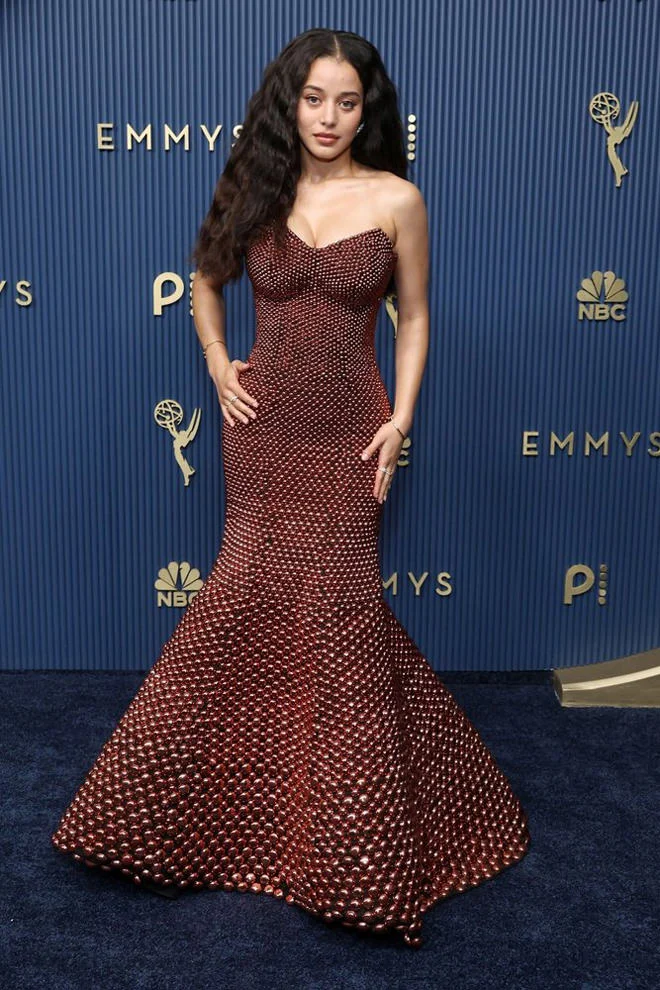

The 78th Primetime Emmy Awards officially concluded its week of celebrations with a dazzling display of haute couture, architectural tailoring, and polarizing red carpet choices. As television’s biggest stars gathered to honor the medium’s finest achievements of the past television season, the surrounding fashion landscape proved just as dramatic as the competitive categories inside the venue. Following a series of spotlight features, menswear rundowns, and the first installment of the evening’s style evaluations, critics and fashion historians alike turned their attention to the remaining roster of attendees to finalize the verdict on the 2026 Emmy Awards red carpet.

The evening’s sartorial choices offered a fascinating case study in how luxury design houses balance traditional Hollywood glamour with avant-garde experimentation. From archival revivals to contemporary minimalism, the red carpet functioned as a high-stakes runway where major fashion houses—including Louis Vuitton, Prada, Armani Privé, and The Row—vied for the attention of global audiences and fashion publications.

Architectural Statements and High-Impact Silhouettes
The overarching narrative of the 2026 Emmy Awards red carpet was the embrace of architectural drama, though success varied widely depending on execution and individual styling.

Chase Infiniti emerged as an early standout of the evening, stepping out in a sculptural creation by Louis Vuitton. Industry analysts noted that while the avant-garde design was engineered strictly for visual impact rather than seating comfort or relaxed interaction, its striking photographic presence justified the structural rigidity. Similarly, Sarah Michelle Gellar turned heads in a classic Versace gown that played with traditional eveningwear tropes by offering an understated, elegant front contrasted with a daring, high-fashion back. Fashion commentators pointed out, however, that the industry’s ongoing love affair with heavy satin fabrics may be reaching a saturation point, prompting calls for a seasonal palette cleanser.

In contrast, several high-profile looks drew mixed reviews due to miscalculated color pairings and cumbersome embellishments. Elle Fanning arrived in a custom Ralph Lauren gown that divided critics. While the silhouette possessed an undeniable elegance, the specific shade of green drew unfavorable comparisons to interior design, and a polarizing fringe-heavy train ultimately hindered the overall execution.

Meanwhile, actress Abby Elliott opted for an Erdem creation that struggled on multiple fronts. Beyond featuring a design language that critics deemed overly familiar, the garment’s chintzy skirt construction was compounded by a color choice that washed out the wearer, failing to harmonize with her natural complexion.

The Tensions of Minimalism and Archival Revival
The red carpet also highlighted a stark generational and stylistic divide between minimalist restraint and ornate archival pieces.

Carey Mulligan surprised observers by selecting a piece from The Row. Known for its ultra-discreet luxury, the choice was uncharacteristic for Mulligan and generated considerable discussion. While the bold, eye-catching color successfully commanded attention, the structural integrity of the bustline left style critics debating whether the garment’s fit was intentionally challenging or simply flawed.

Conversely, veteran actress Dale Dickey provided one of the night’s most heartwarming fashion moments, gracing the red carpet in an archival Marchesa gown. Fashion historians lauded the opportunity for Dickey to experience a quintessential Hollywood glamour moment, noting that such high-fashion platforms are infrequently afforded to seasoned character actors. While the heavy beading clustered around the waist occasionally threatened to overwhelm the design, her overall presentation—anchored by polished styling and immaculate hair—was widely celebrated.

Sarah Pidgeon offered another unexpected triumph, selecting a whimsical lavender Chanel gown that successfully defied several traditional red-carpet taboos. Despite a general industry aversion to lavender hues, satin textiles, and heavily draped embellishments, Pidgeon’s look radiated a light, effortless whimsy that translated exceptionally well across both live broadcasts and subsequent digital fashion roundups, including prominent placements in major entertainment publications.

Missteps and Design Failures
Not all high-end collaborations achieved success. Several anticipated pairings suffered from poor tailoring, uninspired color choices, or design elements that failed to flatter the wearer.

Actress Kristen Bell faced a difficult reception in an Alberta Ferretti creation that drew harsh critiques from style commentators. The gown featured an overly complex bodice paired with an unappealing colorway that failed to complement her personal style, resulting in a disjointed look that fell flat across multiple fashion indices.

Similarly, Jessica Williams’s choice of an Honor gown drew sharp rebukes from style analysts. Critics pointed out that the skirt’s fabric closely resembled discount bedding, while the bodice’s aggressive and unflattering fit marred the overall presentation.

Julia Garner encountered similar difficulties in a Loewe ensemble. The design featured a burdensome, overly thick halter strap that weighed down the upper silhouette, causing the dress to hang awkwardly rather than drape fluidly. Coupled with a muted color palette that did little to enhance her complexion, the look failed to meet the high sartorial standards established during her previous award-season appearances.

Tailored Precision and Looking Forward
The evening concluded with a series of measured, elegant successes that reinforced the importance of proper fit and thoughtful accessorizing.

Actresses such as Julianna Margulies in Cong Tri and Karolina Wydra in Marmar Halim delivered sharp, polished, and undeniably sophisticated looks. While Wydra’s elegant Marmar Halim gown might have been elevated further with the inclusion of a statement piece of fine jewelry, both women showcased the enduring power of classic tailoring.

As the 2026 Emmy Awards red carpet officially draws to a close, the fashion community is left to dissect a night that rewarded bold risks while harshly penalizing execution errors. The event underscored a shifting landscape in television fashion—one where performers and their styling teams are increasingly willing to gamble on architectural experimentation, even if it occasionally results in notable misfires.