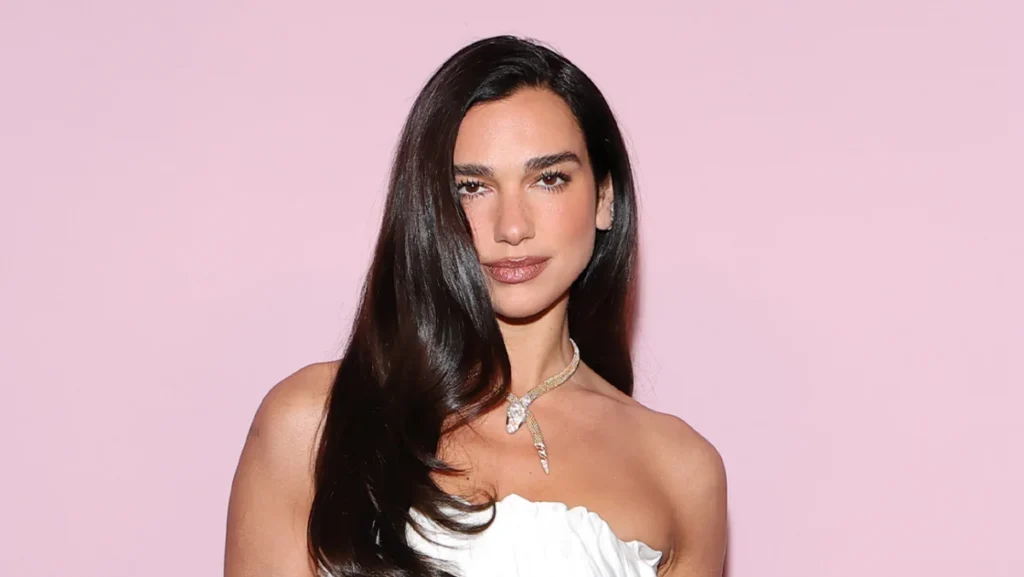

Pop superstar Dua Lipa has initiated a substantial legal challenge against electronics giant Samsung, filing a $15 million lawsuit that accuses the company of exploiting her image and likeness without permission or compensation to market its televisions. The multi-Grammy award-winning artist alleges a clear violation of her intellectual property rights, including copyright infringement, trademark infringement, and the unauthorized commercial exploitation of her valuable right of publicity. This legal action underscores the growing vigilance of celebrities in safeguarding their personal brands against corporate misuse in an increasingly digital and image-driven marketplace.
The Core Allegations
The complaint, formally lodged on a recent Friday in the Central District of California, details a series of grievances against Samsung. At the heart of the dispute is a specific photograph, which Dua Lipa claims to own the copyright to, reportedly taken backstage at the Austin City Limits Music Festival in 2024. According to the lawsuit, Samsung has prominently featured this image on the packaging of various Samsung television models since 2025, utilizing it for retail sale without any form of authorization or licensing agreement with Lipa or her representatives.
The lawsuit asserts that Samsung, "recognizing Ms. Lipa’s notoriety and goodwill," deliberately leveraged her image as a key component of its marketing strategy. This alleged misuse, the complaint argues, has falsely conveyed to consumers that Lipa endorses Samsung’s products, despite her having no involvement, control, or input in the campaign. The financial demand of $15 million reflects the perceived scale of unauthorized commercial exploitation and the significant value attributed to Lipa’s global brand and endorsement potential.
Understanding the Legal Framework: Copyright, Trademark, and Right of Publicity
To fully grasp the implications of Dua Lipa’s lawsuit, it’s essential to understand the distinct legal concepts she invokes:
Copyright Infringement
Copyright law protects original works of authorship, including photographs. If Dua Lipa (or an entity she designated) indeed owns the copyright to the photograph in question, then any unauthorized reproduction, distribution, or display of that image for commercial purposes would constitute copyright infringement. The artist’s legal team must demonstrate that Samsung used the specific copyrighted photo without a license. This claim suggests that Samsung bypassed standard licensing procedures, which typically involve direct negotiation and payment to the copyright holder.
Trademark Infringement
Trademark law protects brand names, logos, and other distinguishing marks used in commerce to identify the source of goods or services. While Dua Lipa’s face itself isn’t a registered trademark in the traditional sense, her name, likeness, and associated imagery can function as "common law trademarks" or "trademarks by use" when used in commerce to identify her as a source or endorser. The lawsuit’s claim of trademark infringement likely argues that by prominently displaying her image, Samsung created a false association, implying that Lipa was endorsing or affiliated with their product, thereby diluting her brand’s integrity and potentially confusing consumers about her commercial relationships.
Right of Publicity
The right of publicity is a state-level legal concept that protects an individual’s right to control the commercial use of their identity, including their name, likeness, voice, and other identifiable attributes. It essentially grants celebrities and public figures the exclusive right to profit from their fame. Unlike copyright, which protects the work itself, or trademark, which protects source identification, the right of publicity protects the individual’s inherent economic value derived from their celebrity. Lipa’s claim here is that Samsung has unlawfully capitalized on her personal brand and fame without her consent, thereby appropriating her identity for commercial gain. This is often the most significant claim in celebrity endorsement disputes, as it directly addresses the unauthorized monetization of an individual’s persona.
The Alleged Timeline of Infringement
The complaint outlines a specific chronology of events central to the accusation:
- 2024: The photograph in question is taken backstage at the Austin City Limits Music Festival. This event is a major annual music festival held in Austin, Texas, known for attracting high-profile artists and large audiences. Backstage areas are often sites for informal photography, but the rights to such images are typically held by the artist or their official photographers.
- Since 2025: Samsung allegedly begins using this specific copyrighted image on the front of cardboard packaging for various Samsung-manufactured televisions intended for retail sale. This implies an ongoing and extensive marketing campaign, suggesting a widespread distribution of products featuring Lipa’s image. The timeframe "since 2025" for a lawsuit filed in a current year suggests the alleged infringement began relatively recently but has continued over a period, leading to the accumulation of damages.
- Ongoing Profit and Refusal to Comply: Lipa’s legal team asserts that Samsung has continued to profit from this unauthorized use and has shown a dismissive and callous disregard for her demands to cease the infringement. This continued use, despite formal requests, forms a critical part of the argument for willful infringement, which can lead to enhanced damages in intellectual property cases.
Dua Lipa’s Brand Value and the Economics of Celebrity Endorsements
Dua Lipa is one of the most commercially successful and recognizable pop artists globally. Her career trajectory, marked by chart-topping albums like "Future Nostalgia" and numerous hit singles such as "Levitating" and "Don’t Start Now," has solidified her status as a cultural icon. This success translates into immense brand power and significant earning potential through endorsements, partnerships, and licensing deals.
Celebrity endorsements are a multi-billion dollar industry, with brands often paying millions, or even tens of millions, to align themselves with popular figures. The appeal lies in a celebrity’s ability to instantly connect a product with a vast audience, imbue it with their personal brand attributes (e.g., coolness, sophistication, trustworthiness), and drive consumer purchasing decisions. For a global star like Lipa, the commercial value of her image and endorsement can be substantial, reflecting her reach across music, fashion, and social media. Her large following on platforms like Instagram and X, where she frequently engages with millions of fans, makes her a highly desirable partner for major brands seeking to boost visibility and sales.
The $15 million sought in damages is not an arbitrary figure. It likely represents an assessment of the fair market value of what Samsung would have paid for a legitimate endorsement deal with Lipa, coupled with damages for the unauthorized use, potential reputational harm, and the profits Samsung allegedly generated from the deceptive marketing. Such figures are often calculated by examining comparable endorsement deals, the duration and scale of the alleged unauthorized use, and the potential impact on the celebrity’s future earning capacity.
Consumer Perception and Evidentiary Support
A crucial aspect of Lipa’s claim is the alleged false conveyance of endorsement to consumers. The lawsuit provides direct evidence of this perceived endorsement by quoting comments from social media platforms, specifically X (formerly Twitter) and Instagram. These comments reportedly demonstrate that consumers were indeed influenced by Lipa’s image on the TV packaging:
- "I wasn’t even planning on buying a tv but I saw the box so I decided to get it."
- "I’ll get that tv just because Dua is on it."
These statements serve as compelling anecdotal evidence that Samsung’s use of Lipa’s image had a direct, measurable impact on consumer purchasing decisions, thereby strengthening the argument that the company directly benefited from the unauthorized use of her likeness. Such direct consumer feedback can be powerful in demonstrating actual confusion and the commercial advantage gained by the alleged infringer.
Samsung’s Market Position and Corporate Responsibility
Samsung is a global leader in consumer electronics, with a dominant market share in televisions, smartphones, and various home appliances. Its marketing strategies are typically sophisticated and extensive, involving significant investments in advertising, sponsorships, and celebrity endorsements. Given its vast resources and legal department, the allegation of unauthorized use, particularly involving a high-profile celebrity, raises questions about the company’s internal protocols for image licensing and intellectual property clearance.
The complaint characterizes Samsung’s response to Lipa’s demands to cease the use of her image as "dismissive and callous." This suggests that Lipa’s legal team attempted to resolve the issue outside of court before filing the lawsuit, a common practice in intellectual property disputes. A company of Samsung’s stature is expected to have robust legal and compliance departments to prevent such infringements, making the alleged continued use even more problematic from a corporate responsibility standpoint.
At the time of the article’s publication, The Hollywood Reporter had reached out to Samsung for comment but had not received a response. This lack of immediate public comment is typical in ongoing litigation, as companies often defer to legal counsel and avoid making statements that could prejudice their case.
Legal Implications and Industry Precedents
This lawsuit is not an isolated incident but rather part of a broader trend of celebrities and artists vigorously defending their intellectual property and right of publicity against corporate entities. High-profile cases involving unauthorized use of celebrity images or music are frequent and serve as cautionary tales for advertisers.
Previous cases have set important precedents:
- Bette Midler v. Ford Motor Co. (1988): Midler sued Ford for using a sound-alike singer in a commercial after she declined to participate. The court ruled in her favor, establishing that a distinctive voice can be part of one’s protected identity under the right of publicity.
- Tom Waits v. Frito-Lay, Inc. (1992): Similar to Midler, Waits won a significant judgment against Frito-Lay for using a sound-alike in a Doritos commercial, further solidifying protections for celebrity voices.
- Michael Jordan v. Safeway/Dominick’s (2015): Michael Jordan successfully sued grocery store chains for using his name and likeness in commemorative advertisements without permission, resulting in multi-million dollar judgments. This case particularly highlighted the high commercial value of a celebrity’s persona.
These cases, among others, underscore the legal principle that a celebrity’s persona holds significant commercial value, and unauthorized appropriation constitutes a tort. Dua Lipa’s lawsuit falls squarely within this established legal landscape, aiming to protect her control over her own image and the commercial benefits derived from her fame. The outcome of this case could further refine the standards for corporate due diligence in marketing and advertising, especially concerning digital assets and celebrity imagery.
The Path Forward
The lawsuit will likely proceed through several stages, beginning with discovery, where both parties exchange information and evidence. This will involve detailed investigations into how Samsung acquired the photograph, who authorized its use, the extent of its distribution, and the profits derived from products featuring the image. Samsung will have the opportunity to present its defense, which could include arguments such as:
- Lack of direct knowledge: Claiming an internal misstep or that a third-party agency was responsible without their explicit instruction for unauthorized use.
- Fair use or public domain: Although less likely for a commercial product package featuring a celebrity.
- Disputing copyright ownership: Challenging Lipa’s claim to own the copyright of the specific photograph.
- Minimizing damages: Arguing that the commercial impact or the value of a legitimate endorsement would be less than $15 million.
The case could ultimately result in a settlement, where both parties agree to a confidential financial resolution, or it could proceed to trial, where a judge or jury would determine liability and damages. Regardless of the outcome, the lawsuit serves as a powerful reminder to corporations about the stringent requirements for obtaining proper authorization when leveraging celebrity images and brands for commercial gain. For Dua Lipa, this action is a critical step in asserting control over her valuable intellectual property and reinforcing the message that her likeness is not for unauthorized exploitation. The resolution of this high-stakes legal battle will undoubtedly be closely watched by both the entertainment and advertising industries.