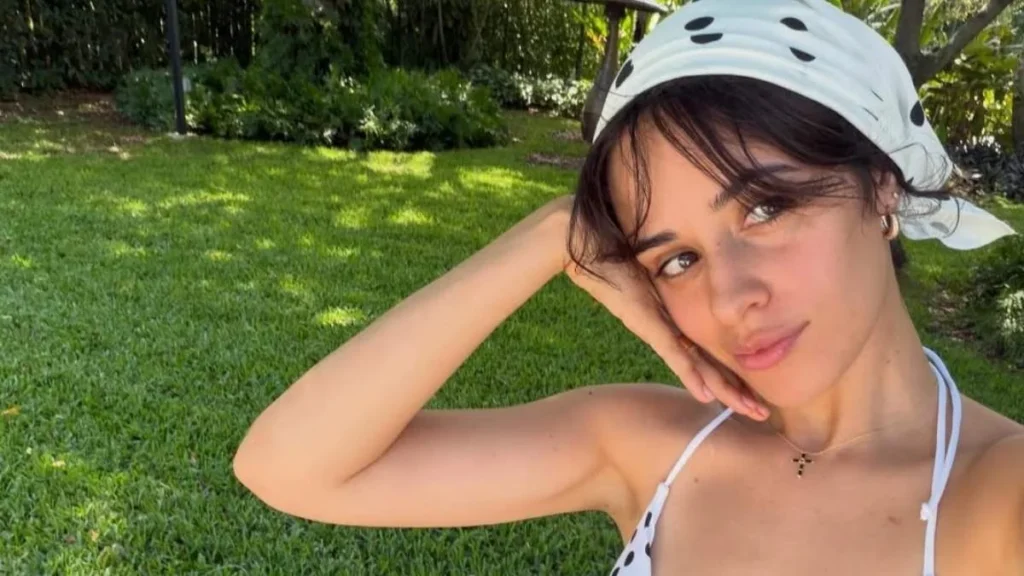

Camila Cabello, the multi-platinum singer-songwriter and global pop icon, has once again captured the attention of the international digital community following a strategically curated social media appearance. On a recent Instagram story, the 29-year-old artist shared a high-glamour photograph that transitioned beyond traditional celebrity lifestyle content, effectively serving as a high-profile endorsement for Waymo, the autonomous driving technology subsidiary of Alphabet Inc. The post, which featured Cabello posing alongside one of the company’s self-driving vehicles, has generated significant traction across various social media platforms, highlighting the increasing intersection between the entertainment industry and the burgeoning sector of autonomous transport.
The visual content showcased Cabello in a meticulously styled champagne-hued satin slip dress, a garment characterized by its minimalist 1990s-inspired aesthetic and daring silhouette. The choice of attire, featuring a plunging neckline and delicate spaghetti straps, was paired with high-heeled brown mules and a selection of understated gold jewelry, including a chain necklace and multiple rings. This specific aesthetic choice aligns with current "clean girl" and "quiet luxury" fashion trends, which prioritize sophisticated simplicity over overt branding. By situating this high-fashion look against the backdrop of a Waymo autonomous vehicle, the campaign successfully bridged the gap between futuristic technology and contemporary lifestyle aspirations.
The Intersection of Pop Culture and Autonomous Technology
The collaboration between Camila Cabello and Waymo represents a sophisticated shift in how technology companies approach public relations and consumer trust. For years, the autonomous vehicle (AV) industry has faced hurdles regarding public perception and safety concerns. By partnering with a figure like Cabello, who commands a massive and loyal following—particularly among Gen Z and Millennial demographics—Waymo is able to humanize its brand and associate its cutting-edge technology with the concepts of ease, luxury, and safety.
Industry analysts note that celebrity endorsements in the tech sector are evolving. No longer confined to traditional television commercials, these partnerships now thrive on "organic-looking" social media content. The Instagram story format, which disappears after 24 hours but often lives on through fan reposts and media coverage, creates a sense of immediacy and exclusivity. For Waymo, appearing in the background of a lifestyle post by a global superstar provides a level of cultural "cool" that traditional advertising struggles to replicate.
A Detailed Breakdown of the Viral Aesthetic
The technical execution of Cabello’s appearance was noted by fashion commentators for its balance of glamour and accessibility. Her hair was styled in a semi-updo, with loose strands framing her face to create a relaxed yet polished look. The makeup followed a natural palette, utilizing soft pink tones and a dewy finish that emphasized a healthy, youthful glow. This "natural" approach to beauty is a hallmark of Cabello’s personal brand, which often fluctuates between high-octane stage costumes and more relatable, everyday fashion.
The champagne-colored satin dress served as the focal point of the imagery. Satin, as a fabric, is notoriously difficult to photograph due to its reflective properties, yet the lighting in the shot emphasized the material’s sheen, adding to the "dreamy" quality described by fans. The inclusion of the Waymo vehicle—a sleek, white SUV equipped with a visible sensor suite—provided a stark, industrial contrast to the soft, feminine lines of the dress. This juxtaposition is a common trope in high-fashion photography, used to create visual tension and interest.
The Strategic Evolution of Camila Cabello’s Public Persona
To understand the impact of this viral moment, it is necessary to examine the trajectory of Camila Cabello’s career. Since her departure from the girl group Fifth Harmony in late 2016, Cabello has methodically built a solo brand that spans music, film, and fashion. Her debut solo single, "Crying in the Club," and the subsequent global phenomenon "Havana," established her as a formidable force in the music industry.
Over the past eight years, her career has followed a distinct timeline of growth:
- 2017–2018: The release of her self-titled debut album Camila, which debuted at number one on the Billboard 200. This era was defined by her exploration of her Cuban-Mexican heritage.
- 2019–2021: The "Romance" era, featuring the hit "Señorita," and her foray into acting with the lead role in the 2021 film Cinderella. During this period, she became a frequent fixture at major fashion events like the Met Gala.
- 2022–2024: The release of Familia and her most recent project, C, XOXO. This latest era has seen a stylistic shift toward a more experimental, "hyper-pop" influenced sound and a bold, edgy fashion sense, exemplified by her recent blonde hair transformation and more daring wardrobe choices.
The Waymo post fits perfectly into this current "C, XOXO" era, which emphasizes independence, technological integration, and a sophisticated, urban aesthetic.
Waymo and the Integration of Celebrity Influence in Tech
Waymo, originally known as the Google Self-Driving Car Project, has been at the forefront of autonomous vehicle development since 2009. As the company expands its commercial operations in cities like Phoenix, San Francisco, and Los Angeles, its marketing strategy has shifted from proving the technology works to proving the technology is a desirable part of a modern lifestyle.
The use of influencers and celebrities is a key component of this strategy. By having Cabello pose with the vehicle, Waymo is targeting a demographic that may not yet be the primary users of ride-hailing services but are the primary trendsetters of the digital age. This is particularly relevant as competitors like Tesla and Cruise continue to vie for dominance in the autonomous space. High-profile visibility in the "lifestyle" category allows Waymo to differentiate itself from being just a "utility" or a "tech project."
Market Impact and Social Media Analytics
While specific engagement metrics for a single Instagram story are rarely made public, the broader impact can be gauged through social media listening tools and the speed at which the content was disseminated. Within hours of the post, the image had been shared across X (formerly Twitter), TikTok, and various fashion blogs.
Supporting data suggests that celebrity endorsements of this nature have a measurable impact:
- Brand Recall: Studies in digital marketing indicate that consumers are 40% more likely to remember a brand when it is associated with a celebrity they follow.
- Sentiment Shift: For emerging technologies like autonomous driving, association with a trusted or admired public figure can lead to a 15-20% increase in positive brand sentiment among skeptical demographics.
- Search Volume: Following the post, searches for "Waymo" and "Camila Cabello dress" saw a synchronized spike, indicating that the post successfully drove curiosity for both the brand and the artist’s aesthetic.
Broader Implications for the Influencer Economy
The "viral mini dress" moment is a microcosm of the modern influencer economy, where the lines between personal expression, commercial advertising, and artistic promotion are permanently blurred. For Cabello, the post serves as a way to maintain her status as a fashion icon while fulfilling potential commercial obligations. For the audience, it is a piece of "snackable" content that provides aesthetic inspiration.
However, this trend also raises questions about the transparency of digital advertising. While the post appeared to be a promotional piece for Waymo, the seamless integration of the product into a high-fashion photoshoot reflects a broader trend where "ads" no longer look like ads. This "native advertising" approach is highly effective but requires a sophisticated audience to navigate.
Future Outlook: Music, Fashion, and Tech
As Camila Cabello continues to promote her latest musical ventures, the public can expect more of these high-concept digital moments. The integration of technology brands into the music industry is not a new phenomenon—product placement has existed for decades—but the level of aesthetic integration seen in the Waymo post represents a new frontier.
For Waymo and the autonomous vehicle industry, the road ahead involves scaling these operations and making them a mundane part of the urban landscape. Collaborations with figures like Cabello accelerate this normalization. As autonomous vehicles become more common, the focus of marketing will likely shift further away from the "how it works" to the "how it makes you feel."
In conclusion, Camila Cabello’s latest social media update is more than just a "spicy" fashion statement. It is a calculated piece of digital communication that serves multiple interests: it reinforces Cabello’s position as a trendsetter, provides Waymo with invaluable cultural capital, and feeds the insatiable appetite of the global digital audience for high-quality celebrity content. As the worlds of pop culture and high technology continue to merge, such viral moments will become the standard for brand engagement in the 21st century.