
The much-anticipated finale of the critically acclaimed series Imperfect Women has finally aired on Apple TV+, bringing to a dramatic close the tangled mysteries that have captivated audiences throughout its run. The final episode, number 8, provided definitive answers to the central question that has plagued viewers: who killed Nancy? While the penultimate episode cast a spotlight on Nancy’s stepfather, Scott, as a prime suspect, the season finale meticulously unraveled the truth, revealing a complex web of illicit affairs, desperate pleas, and violent confrontations that culminated in Nancy’s tragic demise.
The Killer Revealed: A Tragic Confrontation
The shocking truth, as revealed in the finale, is that Howard (Corey Stoll), Nancy’s lover with whom she was engaged in a clandestine affair, was the perpetrator of the murder. Nancy, fearing exposure of her relationship to her best friend and Howard’s wife, Mary (Elisabeth Moss), had sought protection from her stepfather, Scott. Despite a history fraught with complication and distress, Nancy’s plea for help stemmed from Howard’s threats to reveal their affair to Mary.
The climax of the murder plot unfolded when Scott arrived at Nancy’s location, armed with a gun, intending to confront Howard and deter him from his threats. However, upon his arrival, Scott was met with a scene far more horrific than he could have imagined: Howard was already present, attempting to conceal Nancy’s lifeless body. This revelation exonerated Scott from the act of murder itself, though his involvement as a figure present at the scene of the crime, and his prior history with Nancy, contributed to his initial suspicion.
The Aftermath: A Chain of Violent Retribution
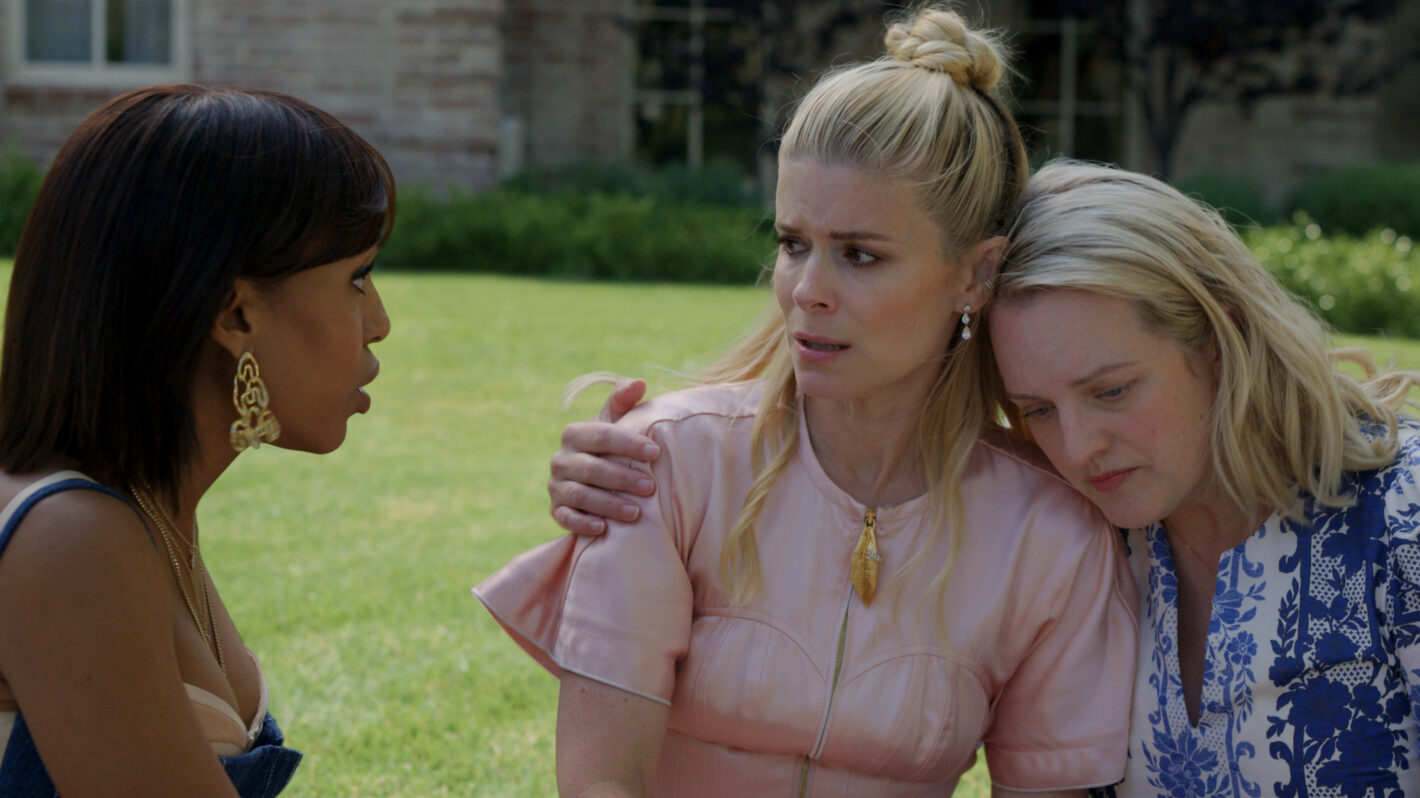
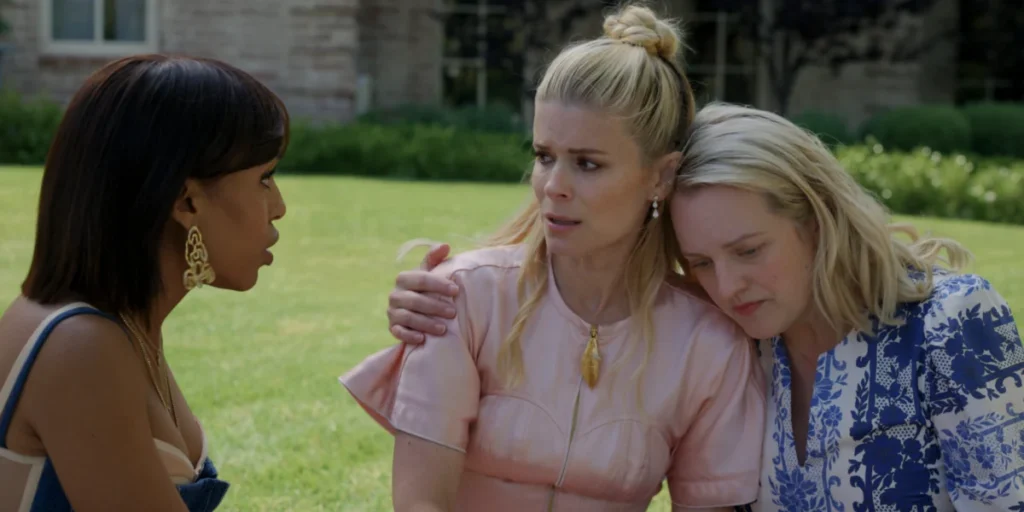
The fallout from Nancy’s murder was swift and brutal. Driven by the fear of being exposed for his actions, Howard turned his attention to his wife, Mary, and her confidante, Eleanor (Kerry Washington), who were both beginning to suspect his involvement. A violent confrontation ensued between Howard and Mary. In a desperate bid to protect her friend and herself, Eleanor intervened, using her car to run Howard down. This act of defiance, however, did not bring an immediate end to Howard’s reign of terror. In the ensuing chaos, Mary ultimately delivered the fatal blow, stabbing Howard to death, thus avenging Nancy and ending Howard’s destructive path.
A Glimpse into the Future: Unanswered Questions and Lingering Mysteries
The series then leaped forward one year, offering a glimpse into the lives of the surviving characters. Eleanor, having found a measure of peace, was depicted enjoying a luxurious life aboard a yacht with a new romantic interest, suggesting a move towards personal happiness and recovery. Mary, meanwhile, was shown celebrating her daughter’s birthday, appearing to be in good spirits and having seemingly regained stability.
However, the finale concluded with a moment that has sparked significant discussion and speculation among fans and critics alike: the appearance of Nancy’s husband, Robert (Joel Kinnaman), at Mary’s daughter’s birthday party, carrying the cake. This was followed by a lingering, enigmatic look exchanged between Mary and Robert, leaving audiences questioning the nature of their connection and its potential implications.
Elisabeth Moss, who plays Mary, addressed the ambiguity of this final scene in an interview with TV Insider. "What is going on there? It’s exactly what we were asking," Moss stated. "We very purposefully talked a lot about what we were going to do with it and how far we were going to go and what not to do. We really wanted to raise the question, ‘What is going on there?’ But not answer it. So there is not an answer right now. We would need a Season 2 to tell you!"
This sentiment was echoed by Kerry Washington, who portrays Eleanor. "I think we really did want to leave it very open-ended," Washington explained. "A lot of the spirit of the show is rooted in the paradigm of the book, which is you think you know what’s happening, but it’s important to remember that until you understand somebody else’s point of view or live in somebody else’s shoes, you may not understand the full story." She further elaborated on the show’s thematic exploration of navigating uncertainty, stating, "Our imperfect women learn how to navigate how to live with questions and how to live with uncertainties, so we knew we wanted that quality to be in our finale, while still resolving the major questions."
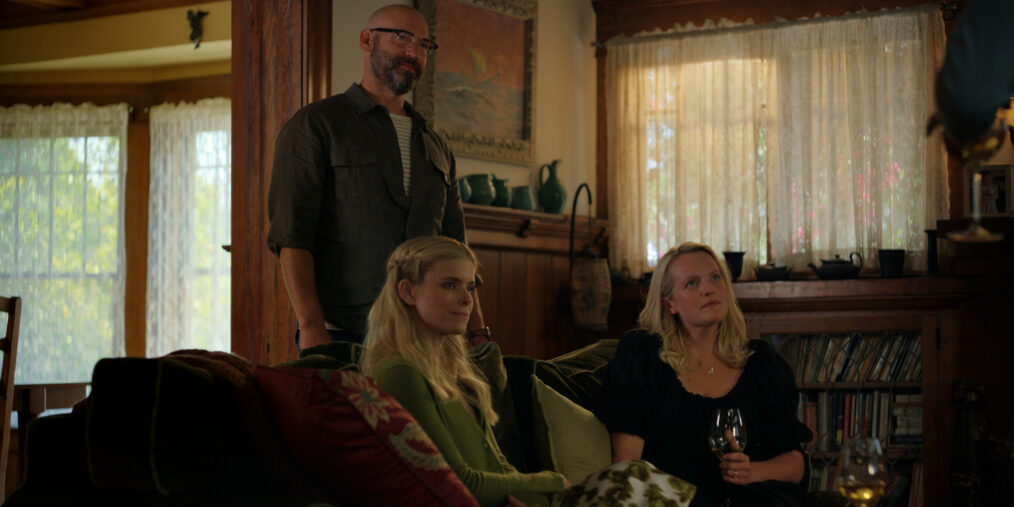
Creator Annie Weisman characterized the final look as a "gag," suggesting an unspoken understanding between Mary and Robert. "There’s some understanding between the two of them that she’s keeping a little bit to herself," Weisman commented. "I think in the end, there’s something she’s not telling us and we’re left having to guess." When pressed on the possibility of a romantic connection between Mary and Robert, Weisman acknowledged, "There’s the potential, I think. There’s potential."
Joel Kinnaman offered his perspective on Robert’s state of mind, stating, "I mean, who knows? Robert doesn’t really know who he is. I still think he’s in the process of putting his pieces back together. I think if the right woman or the wrong woman… anyone that kind of is assured and makes him feel whole, I think there’s a possibility there, for sure."
Moss further elaborated on the dynamic between Mary and Robert, highlighting a pivotal scene earlier in the episode where Mary was the only one honest with him. "She calls him out and says what she really thinks of him. And she’s right. He hears her," Moss noted. "And I think there is something interesting about this show that is all about secrets, all about betrayal, all about communication and lack of it and what do we hide from people… when he is actually able to hear [her]."
Character Arcs and Thematic Exploration
The finale also provided closure and insight into the journeys of other key characters. Eleanor’s decision to prioritize her new life and relationship, symbolized by her absence from the birthday party but presence through a thoughtful gift, was interpreted as a sign of personal growth and healing. Washington described Eleanor’s current state as being in a "really happy, peaceful place and in an expansive, abundant place." Weisman added that while Eleanor and Mary have taken space to heal, their connection remains strong.
Regarding Mary’s recovery from her pill addiction and potential regaining of custody of her children, Weisman confirmed a positive trajectory. "Yeah, the beauty of what healing looks like for her is that she told her story and was finally believed. That’s why she was relying on pills and escaping – she wasn’t respected and believed. She’s finally respected and believed, so she’s in a good place."
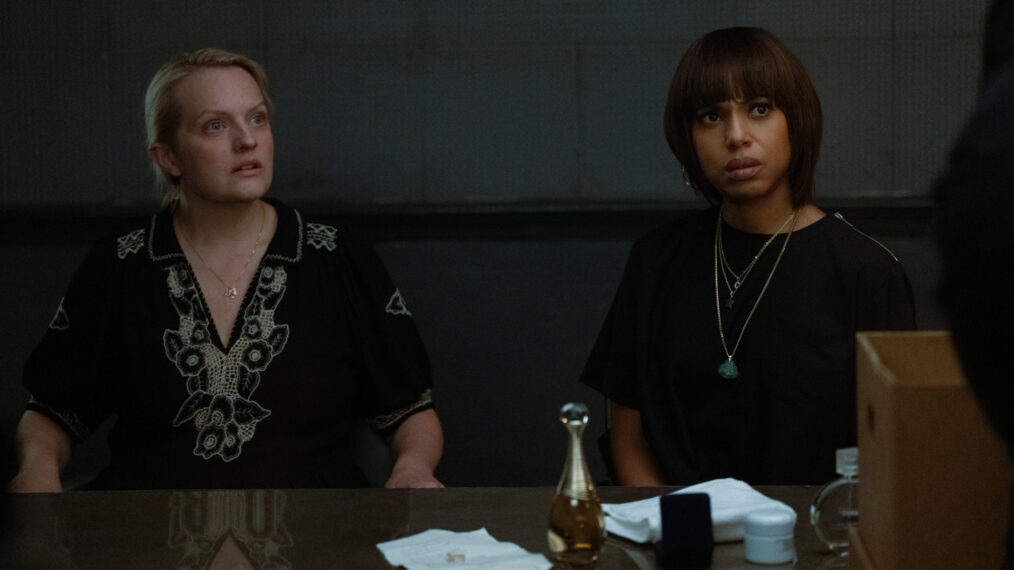
The lingering guilt over Eleanor’s perceived failure to support Nancy on the night of her death was also addressed. Washington acknowledged that this would be a burden Eleanor carries, but that the process of sharing her truth and moving through it with Mary has been healing.
Corey Stoll shed light on Howard’s motivations on the night of Nancy’s murder, revealing it was not premeditated. "No, he thought they were going to run off together," Stoll said. "He was swept up in this romantic fervor. He really thought that they were living out some story from ancient Roman literature or something. That part of it was a pure act of passion."
The possibility of reconciliation between Nancy and Robert, had she lived, was explored. Kinnaman expressed confidence that Robert would have forgiven Nancy, given the complexities of a 20-year marriage. Weisman emphasized the tragedy of Nancy’s death, stating, "It was really important to me, I think, that we feel like her loss is so much more tragic if they could’ve worked it out. I think they could have." She highlighted that the series often depicts characters making bad choices due to internal brokenness, but that true love involves the capacity for forgiveness.
Finally, the question of Scott’s arc – whether it was intended as redemption or if he remains a figure to be disliked – was posed. Weisman clarified that while there is no forgiveness for his past actions towards Nancy, there is gratitude from Mary and Eleanor that Nancy was able to express her truth to him. "I think getting to sit in front of him as an adult and tell him her truth was meaningful. I think that’s kind of as far as it goes," Weisman concluded. "But the friends are the ones who kind of have to carry her truth forward in the world."
The Imperfect Women finale, while providing answers to the central mystery, masterfully left threads dangling, inviting audiences to contemplate the future of its complex characters and the enduring power of unresolved emotions and unspoken connections. The series, available for streaming on Apple TV+, has undoubtedly left an indelible mark on the television landscape, prompting reflection on themes of betrayal, forgiveness, and the intricate nature of human relationships.