
The direct-to-consumer (DTC) furniture market has undergone a significant transformation over the past decade, shifting from a niche online experiment to a dominant force in the home furnishings industry. Among the key players defining this shift is Article, a Canadian-based company that has carved out a substantial market share by specializing in midcentury modern aesthetics delivered directly to consumers. Since its inception in 2013, Article has streamlined the supply chain, bypassing traditional retail intermediaries to offer high-quality furniture at price points that remain competitive in an increasingly expensive housing market.

As the company transitions from a digital-only storefront to a hybrid model with physical showrooms in cities like Vancouver, and with ongoing expansion plans for the U.S. markets in California and Washington, the brand serves as a primary case study for the evolution of modern furniture retail. For years, editorial teams, including those at Architectural Digest, have rigorously tested these pieces for durability, assembly ease, and aesthetic versatility. This analysis covers the performance of key Article collections, the logistical benefits of their service model, and the broader implications of their design strategy on the contemporary home.
The Evolution of the DTC Furniture Model
The rise of Article coincides with the broader "disruption" of the furniture industry, where traditional retailers often struggled with bloated inventory costs and lengthy wait times. Article’s strategy focused on a lean, tech-forward approach. By managing its own logistics—from manufacturing to delivery—the company significantly reduced the overhead typically associated with large-scale furniture showrooms.

This efficiency has allowed the brand to invest more in material quality, such as solid woods and high-grade leathers, while maintaining a price-to-value ratio that appeals to urban professionals and young homeowners. The company’s growth trajectory has been marked by a transition from a limited collection of basics to a comprehensive catalog that includes everything from outdoor sectionals to ergonomic office equipment.
Product Performance and Design Analysis
The Shop AD team has conducted long-term evaluations of various Article pieces, focusing on how these designs hold up in real-world environments, ranging from compact New York City apartments to spacious family homes in the suburbs.

The Seating Collection: Balancing Aesthetics and Comfort
Seating remains the cornerstone of Article’s catalog. The "Sven" sectional, which first gained traction in 2022, serves as an essential example of the company’s "Goldilocks" approach—designing pieces that are neither too oversized for city living nor too small for family gatherings. The Sven’s popularity is attributed to its classic midcentury silhouette, which allows it to function as a chameleon in various decor schemes. Editors noted that the assembly process is straightforward, a critical factor for the DTC model, where consumers often handle the final installation themselves.
Similarly, the "Sanders" velvet sofa offers a more refined, luxurious option for those seeking a "jewel-toned" impact. The use of smoked oak legs and high-density foam padding suggests a focus on longevity, while the rounded edges cater to current interior trends that prioritize softness and organic shapes.

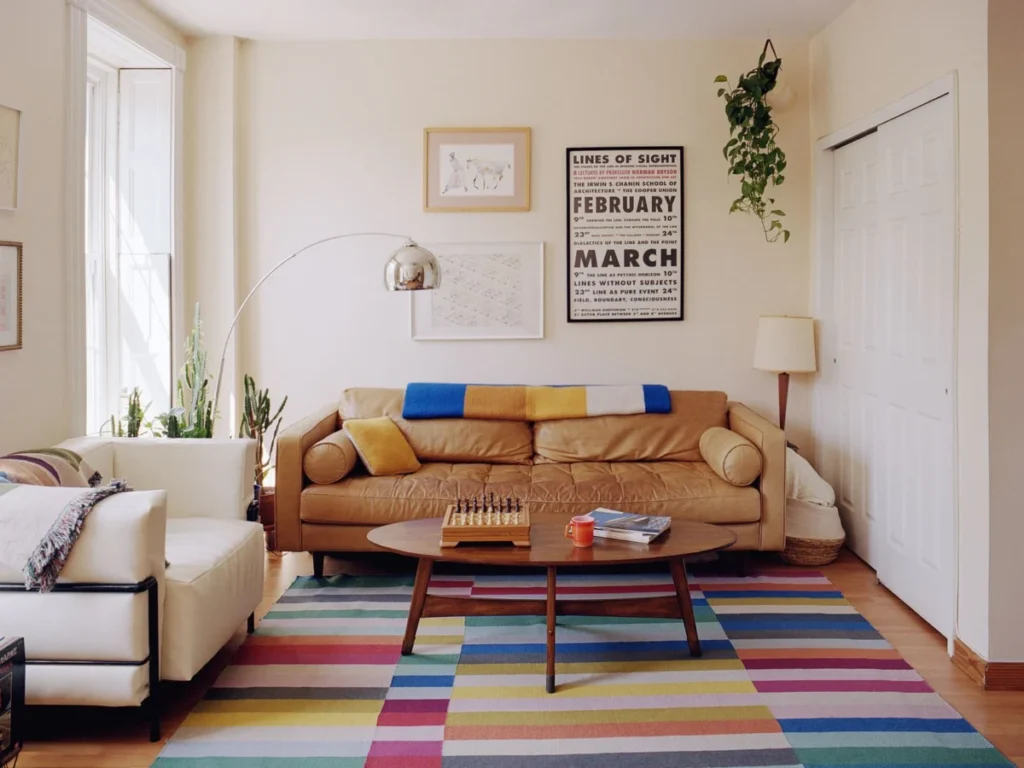
For those requiring more robust options, the "Cigar" leather sofa is often cited for its durability. The rawhide tan leather mimics the feel of high-end, broken-in vintage pieces. Its low back profile is specifically advantageous for apartments with narrow entryways or restrictive floor plans, proving that Article considers the logistical constraints of modern urban architecture as much as the visual design.
Dining and Workspace Functionality
The "Meja" dining chair and "Plumas" extendable table represent a shift toward multifunctional living. As many individuals continue to work from home, the ability to transition a space from a dining area to a workspace has become paramount. The Meja chair, with its curved backrest and angular legs, has been noted for its comfort during extended sessions.

The Plumas table’s extendable mechanism is a testament to the brand’s engineering focus. By incorporating a simple latch-and-slide system, the table accommodates both intimate daily meals and larger, potluck-style gatherings. The "Adel" round dining table further exemplifies this, offering a sturdy white oak surface that is heavy enough to feel premium while remaining compact enough to maintain an open floor plan.
In the workspace category, the "Torme" adjustable desk has addressed the demand for ergonomic office solutions. The desk’s ability to transition from sitting to standing—coupled with a fully assembled lift mechanism—has significantly reduced the barrier to entry for home office upgrades. Its compact footprint is particularly effective for those attempting to fit a productive workspace into a bedroom or living area.

Outdoor Living and Storage Solutions
Article has also successfully captured the outdoor furniture market, which historically was split between low-quality big-box store items and prohibitively expensive designer brands. The "Lubek" outdoor sectional stands out for its Scandi-inspired aesthetic and weather-resistant materials. Testing in varied climates, such as the snowy winters of Colorado, has demonstrated that the structural integrity of the frame holds up against significant environmental stress.
Meanwhile, the "Krossa" shelving unit and "Moa" storage side table highlight the brand’s focus on organization. The Krossa unit’s tapered design maximizes vertical space, while the Moa side table provides a concealed storage solution for clutter, reinforcing the brand’s commitment to "elegant deception"—keeping essential items accessible but hidden from view.

Logistical Support and Consumer Satisfaction
A significant portion of Article’s reputation is built on its service infrastructure. In an industry notoriously plagued by shipping delays and damaged goods, the company has implemented a 30-day satisfaction guarantee and a one-year furniture warranty. These policies act as a risk-mitigation tool for the consumer, encouraging higher-priced purchases that would otherwise require an in-person test.
The "free exchange" policy and the efficiency of their delivery network have allowed Article to maintain a high level of customer loyalty. By controlling the supply chain, the company can often provide more transparent shipping timelines than retailers who rely on third-party freight services.

Broader Economic and Market Implications
The success of Article highlights several trends in the furniture sector:
- The Shift to "Collected" Interiors: Modern consumers are increasingly moving away from "matching sets" and toward a "collected" aesthetic. Article’s pieces, which share a cohesive, midcentury-modern design language, are easily mixed with vintage finds or family heirlooms, making them an attractive option for those looking to curate a home over time.
- Increased Demand for Flat-Pack Professionalism: While flat-pack furniture was once synonymous with low-quality, temporary solutions, brands like Article have elevated the category. By using higher-quality joinery and materials, they have proven that flat-pack shipping can accommodate high-end design.
- The Hybrid Retail Future: Even for a brand that began as a digital native, the move toward brick-and-mortar showrooms is a response to a fundamental truth in the furniture industry: consumers still want to touch and feel high-investment items. The expansion into California and Washington suggests that physical touchpoints are vital for future growth and brand authority.
Challenges and Future Outlook
Despite its successes, the brand faces challenges inherent to the furniture industry. Rising costs of raw materials, particularly sustainable wood and high-quality leather, require the company to constantly balance price-sensitivity with production quality. Additionally, as the market becomes more crowded with other DTC competitors, the ability to maintain a unique aesthetic voice while scaling production will be a primary hurdle.
.jpeg)
Furthermore, the environmental impact of shipping large-scale items remains a topic of scrutiny. As consumers become more eco-conscious, Article’s future may depend on its ability to further optimize its logistics to reduce its carbon footprint and potentially explore more circular models, such as furniture refurbishment or resale programs.
Conclusion
Article has cemented itself as a reliable, style-forward option for a wide demographic of homeowners. By focusing on timeless silhouettes—rather than fleeting, hyper-specific trends—the brand ensures that its pieces remain relevant long after the initial purchase. As they continue to expand their physical footprint and refine their catalog, the company’s focus on the intersection of design, logistics, and customer service will likely keep them at the forefront of the home furnishings industry. Whether through a robust leather sofa or an intelligently designed storage table, Article continues to offer a blueprint for how a modern furniture retailer can achieve both scale and substance in the digital age.