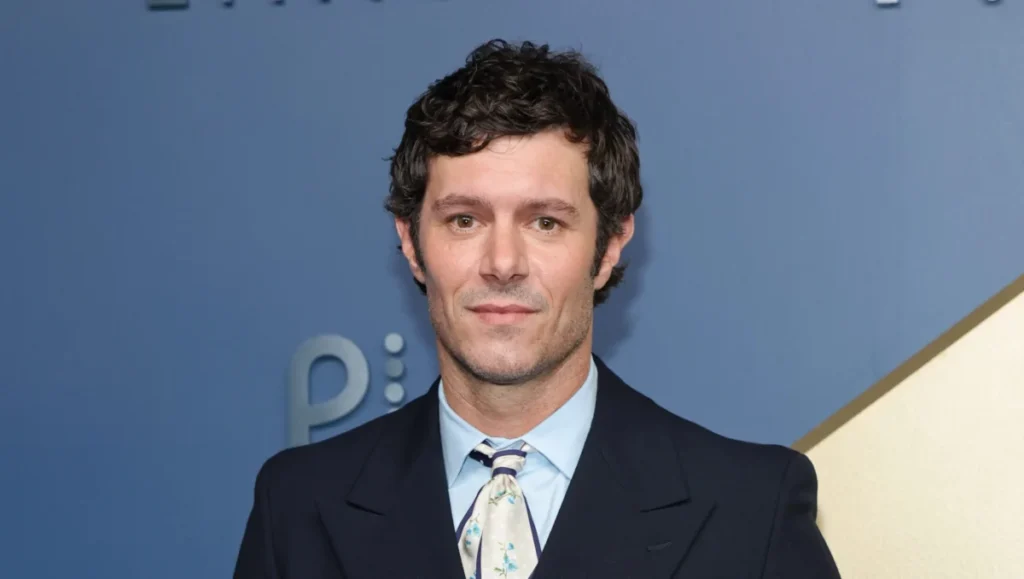

Adam Brody, the acclaimed star of Netflix’s hit romantic comedy series Nobody Wants This, has used a recent high-profile interview to share his candid perspectives on international politics, industry shifts, and his personal beliefs. Speaking extensively with GQ, the Emmy-nominated actor addressed the ongoing Israel-Gaza war, stating unequivocally that he supports "a free Palestine" and views the conflict through the lens of genocide. These remarks arrive at a sensitive juncture for the actor, who is currently preparing for the October 22 premiere of the third season of his popular television series, in which he portrays a modern-day rabbi.
The interview offers a rare glimpse into the political viewpoints of an actor largely known for his lighthearted comedic and dramatic television roles, ranging from his breakout turn in The O.C. to his recent accolades for Nobody Wants This. Beyond foreign policy, Brody’s conversation touched on broader cultural shifts within the entertainment industry, the perceived rise of industry conservatism, and the ways in which global crises have impacted his personal worldview.
Perspectives on the Israel-Gaza Conflict and Political Activism
During his conversation with GQ, Brody was questioned about whether his public platform or messaging had touched upon the protracted Israel-Gaza conflict. The actor admitted that while he had largely refrained from broadcasting his opinions broadly on social media, his private stance has remained firm.
"Truthfully, it hasn’t. I have spoken a lot about it privately. I haven’t spoken much about it publicly," Brody remarked, before expanding on his perspective when prompted. "Put me down as thinking it’s a genocide. Put me down as wanting a free Palestine."
Brody expressed deep sorrow regarding the mounting humanitarian toll of the conflict, noting the psychological weight the ongoing crisis has carried for observers worldwide. "It’s awful that it’s taken so much death and misery, but it does feel like it’s reaching a breaking point that it should have a while ago," he stated. Looking toward the future of American leadership and foreign policy, the actor added, "I’m hopeful that another administration can really do some good and correct some of these policies that are helping that situation be as awful as it is."
The actor’s willingness to weigh in on one of the most polarizing geopolitical issues of the modern era marks a distinct shift toward more overt political expression, a trend that has increasingly characterized the contemporary entertainment landscape.
Observations on Industry Shifts and Hollywood Conservatism
In addition to foreign affairs, Brody addressed broader cultural trends within Hollywood, offering his assessment of whether the entertainment industry has shifted in a more conservative direction in recent years.
"I guess outspokenly so, yes," Brody told GQ, analyzing the psychology behind political alignment within high-powered professional circles. "Again, as one side has more power, it makes sense that it draws people to it for all the human reasons that would be attractive: groupthink, your own well-being, your own money and success."
Reflecting on the turbulent sociopolitical events of recent years, Brody noted that global crises have fundamentally altered his perception of his peers and society at large. "Between COVID, a second Trump term, Israel-Gaza, it’s really brought out some different beliefs that I was ignorant to, and then disheartened by," he said.
These comments underscore a growing tension within the creative community, where industry figures are increasingly forced to navigate complex ideological divides among colleagues, executives, and audiences alike.
Contextualizing Nobody Wants This and Creative Intentions
Brody’s political commentary coincides with a pivotal professional period. Netflix is currently preparing to release the third season of Nobody Wants This on October 22. The series, which stars Brody alongside Kristen Bell, has become a major cultural touchstone and critical darling. For his performance as Rabbi Noah Roklov, Brody earned a 2025 Emmy nomination and secured the Critics Choice Award for Best Comedy Actor that same year.
The show follows the unlikely romance between an irreverent, sex-positive podcaster (Bell) and a newly single rabbi (Brody). Given the religious background of the central character, the series has naturally invited conversations regarding Jewish identity, representation, and cultural storytelling in television.
However, the creators of the series have consistently maintained that the show is intentionally designed to be a romantic comedy rather than a vehicle for tackling Middle Eastern geopolitics. Speaking to The Hollywood Reporter in an interview ahead of the show’s previous milestones, series creator Erin Foster addressed the delicate balance of producing positive Jewish media in a climate marked by global tension.
"It was really important to me and continues to be really important to tell positive Jewish stories," Foster said in August 2025. "I know that it can be polarizing, but it shouldn’t be. This is not the show to tackle conflict in Israel and Palestine."
Foster elaborated on the creative decisions made by the production team in the wake of the October 7, 2023, attacks and the subsequent escalation of the conflict. "I’m not the person to tell that story," she added. "And after [the attacks on] Oct. 7 happened, there were conversations around if we were going to dive into it, and the truth is, the way that I can get my message across best is by shedding a positive light on Jewish characters and Jewish traditions. I don’t think somebody watching wants to see another voice give you their opinion on what’s happening."
Broader Industry Implications and Celebrity Activism
Adam Brody’s recent remarks highlight a recurring debate within the entertainment industry regarding the responsibilities and boundaries of celebrity activism. In an era defined by hyper-connectivity and pervasive social media discourse, public figures face mounting pressure from fans, critics, and advocacy groups to take definitive stances on complex international conflicts.
At the same time, actors involved in commercial entertainment properties often navigate the risk of alienating segments of their audience or creating friction with the studios and networks that employ them. By speaking candidly to a mainstream publication, Brody joins a growing cohort of artists who choose to voice deeply held political convictions despite the potential for professional fallout or public scrutiny.
As Nobody Wants This prepares for its third-season rollout, the juxtaposition between Brody’s personal political commentary and the lighthearted, escapist nature of his television work serves as a reminder of the multifaceted realities facing modern entertainers. While creative teams strive to maintain safe spaces for romantic storytelling and cultural celebration, the actors bringing those stories to life increasingly find it impossible to remain detached from the turbulent geopolitical currents shaping the wider world.