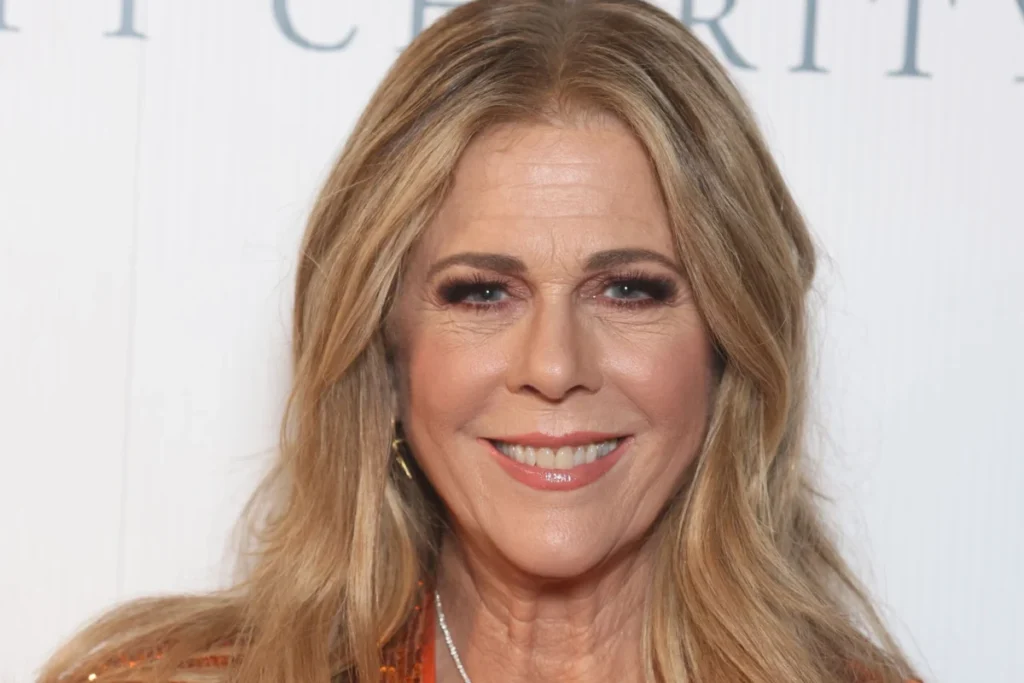

American actress and singer Rita Wilson has offered profound insights into her evolving relationship with her body following her breast cancer diagnosis and subsequent treatment, including a double mastectomy and reconstructive surgery in 2015. Speaking recently to People magazine, Wilson described the experience of observing her body post-treatment as "interesting," shedding light on the complex emotional and physical journey many survivors navigate. Her candid reflections underscore a broader conversation about body image, resilience, and the advancements in modern medicine that offer renewed hope and choices for those facing similar health challenges.
The Initial Diagnosis and Transformative Treatment
In April 2015, Rita Wilson publicly disclosed her breast cancer diagnosis, revealing she had undergone a double mastectomy and reconstructive surgery. The announcement sent ripples through Hollywood and beyond, drawing immediate support for the beloved actress and her husband, Academy Award winner Tom Hanks. Wilson’s openness at the time was lauded as a courageous step, helping to demystify a disease that affects millions globally and encouraging proactive health screenings. Her decision to undergo a double mastectomy, a procedure involving the surgical removal of both breasts, was made after being diagnosed with invasive lobular carcinoma and ductal carcinoma in situ. This proactive measure is often chosen by women with a high risk of recurrence or a strong family history of breast cancer. The reconstructive surgery that followed aimed to rebuild the shape of her breasts, a critical step for many women in regaining a sense of normalcy and confidence post-mastectomy.
A Decade of Resilience and Gratitude
Last year, Wilson, now 69, marked a significant milestone: ten years of being cancer-free. She took to social media to express her profound gratitude for reaching this benchmark, a testament to her strength and the efficacy of her treatment. This period of being cancer-free has allowed Wilson to process the profound changes her body endured and to openly share her journey, contributing significantly to public awareness and support for cancer survivors. Her continued advocacy, albeit often through personal sharing, highlights the importance of early detection and the advancements in medical science that have dramatically improved survival rates and quality of life for cancer patients.
Navigating the Landscape of Post-Treatment Body Image
Wilson’s recent interview delved deeper into the emotional and psychological dimensions of her recovery, particularly regarding her body image. She articulated the visceral sense of loss experienced when "these parts of your body that had been there for you in such a beautiful way were gone." This sentiment resonates deeply with countless women who undergo mastectomies, facing not only the physical scars but also the profound psychological adjustment to a changed body. The breasts, for many, are symbols of femininity, maternity, and sensuality, and their removal can precipitate feelings of grief, loss, and an altered sense of self.
However, Wilson also emphasized a profound sense of gratitude for contemporary medical advancements. She drew a stark contrast between her experience and that of her mother’s generation, noting, "I’m very grateful that there are things nowadays in modern medicine like reconstruction and implants, because in my mum’s generation, if you had breast cancer, that was it. There was nothing. You were left with sort of a shadow." This comparison highlights the remarkable progress in breast cancer treatment and reconstructive techniques, which now offer a range of options, from implant-based reconstruction to autologous tissue reconstruction (using the patient’s own tissue), empowering women to make choices that align with their personal comfort and aesthetic goals. These options were largely unavailable decades ago, leaving many women with few alternatives beyond a flat chest or rudimentary prosthetics.
Wilson further elaborated on the unique perspective gained through this experience: "It was interesting to look at my body in that way and see it, understand what is missing, but also (see) what my body could do to keep me healing and healthy and have that appreciation." This dual perspective—acknowledging loss while simultaneously appreciating the body’s incredible capacity for healing and maintaining health—speaks to a powerful form of self-acceptance and resilience. It shifts the focus from what was lost to what remains and what the body continues to achieve. Her lighthearted remark, "I like to say that I’ve finally gone Hollywood now and I have some in place," referring to her implants, serves as a testament to her ability to find humor and personal comfort in her post-reconstruction reality, transforming a challenging experience into a narrative of empowerment.

The Broader Impact of Breast Cancer on Women’s Body Image
Breast cancer remains one of the most common cancers among women worldwide, with millions of new cases diagnosed annually. According to the American Cancer Society, about 1 in 8 women in the United States will develop invasive breast cancer over the course of her lifetime. While survival rates have significantly improved due to early detection and advanced treatments, the journey through diagnosis, treatment, and recovery can profoundly impact a woman’s physical and psychological well-being.
A critical aspect of this journey is the impact on body image. Studies consistently show that women who undergo mastectomies often report issues with body image, self-esteem, and sexuality. The loss of a breast or breasts can lead to feelings of incompleteness, a diminished sense of femininity, and challenges in intimate relationships. The visibility of scars, the asymmetry that can sometimes result even after reconstruction, and the psychological weight of having faced a life-threatening illness all contribute to this complex dynamic. Support groups, psychological counseling, and resources focusing on post-mastectomy body positivity have emerged to help women navigate these challenges, fostering communities where experiences can be shared and coping strategies developed. Public figures like Rita Wilson sharing their personal stories play a crucial role in normalizing these discussions and encouraging other survivors to seek support and embrace their healing journeys.
A Parallel to Postpartum Body Changes: Celebrating the Body’s Capabilities
Beyond her cancer journey, Rita Wilson drew a compelling parallel between the body image challenges faced after a mastectomy and those experienced postpartum. This connection highlights a universal theme for women: the body’s incredible capacity for transformation and the need for appreciation beyond aesthetic ideals. She reflected on motherhood, stating, "When you have a baby or when you carry a baby like I did, and you give birth to that life, and then you nurture that life… I nursed both my sons – you really have this extraordinary awe for what your body can do, what it has done, how it’s there for you, and it’s there for others."
Wilson, who is married to Tom Hanks and shares two sons, Chet (35) and Truman (30), has experienced firsthand the dramatic physical changes that accompany pregnancy, childbirth, and breastfeeding. She emphasized that "even though your body changes and it shifts, and it might look different, you have such an appreciation for it. I remember distinctly just being amazed at what it could do." This perspective transcends superficial appearance, focusing instead on the body’s functional power and its role in sustaining life. By drawing this parallel, Wilson encourages a deeper, more holistic appreciation for the female form, recognizing its resilience and profound capabilities, whether in surviving illness or creating new life. Both experiences challenge conventional beauty standards and prompt women to redefine their relationship with their bodies based on strength, function, and personal journey rather than societal expectations.
Rita Wilson: A Multifaceted Career and Enduring Public Figure
Rita Wilson’s life and career provide a rich backdrop to her personal revelations. Born Margarita Ibrahimoff, she embarked on her acting career in the late 1970s, making her mark in both film and television. Her notable film credits include beloved titles such as Sleepless In Seattle (1993), Now and Then (1995), and Runaway Bride (1999). She has also graced television screens in popular series like The Good Wife and Girls, showcasing her versatility and enduring talent.
Beyond her acting prowess, Wilson has carved out a successful career as a producer, bringing to life acclaimed films such as My Big Fat Greek Wedding (2002), which became a massive independent box office hit, and Mamma Mia! (2008), a global musical phenomenon. Her work as a producer demonstrates her keen eye for compelling storytelling and her influential presence behind the scenes in Hollywood.
In addition to her cinematic achievements, Wilson is a respected singer-songwriter, having released several studio albums that showcase her vocal talents and lyrical depth. Her musical journey further solidifies her status as a multifaceted artist. In recognition of her significant contributions to the entertainment industry, she was honored with a star on the Hollywood Walk of Fame in 2019, a testament to her decades-long impact.

Throughout her public life, Wilson has maintained a reputation for warmth, authenticity, and grace, qualities that undoubtedly amplify the resonance of her personal health journey. Her marriage to Tom Hanks, one of Hollywood’s most enduring and admired couples, further places her in the public eye, making her openness all the more impactful for a wide audience.
Implications and Broader Societal Impact
Rita Wilson’s decision to share her intimate reflections on post-mastectomy body image holds significant implications. Firstly, it contributes to the de-stigmatization of cancer and its aftermath. By speaking openly about the physical and emotional challenges, she helps normalize experiences that many women face in silence. This transparency fosters a sense of community and validation for survivors, letting them know they are not alone in their struggles with body image.
Secondly, her narrative reinforces the importance of modern medicine and the advancements in reconstructive surgery. By highlighting the contrast with her mother’s generation, Wilson effectively champions the ongoing research and development in medical fields that offer improved quality of life for patients. This can encourage newly diagnosed individuals to explore all available options for treatment and reconstruction, knowing that support and solutions exist.
Thirdly, Wilson’s message of appreciation for the body’s capabilities, irrespective of its aesthetic changes, serves as a powerful call for self-acceptance. In a society often driven by unrealistic beauty standards, her emphasis on the body’s function, resilience, and ability to heal offers a refreshing and empowering perspective. This can help shift the public discourse towards a more inclusive understanding of beauty and strength, particularly for women who have undergone life-altering medical procedures or the natural transformations of motherhood.
Finally, as a prominent public figure, Wilson’s willingness to discuss such personal topics influences media portrayals and public perception. Her story encourages other celebrities and individuals to share their journeys, creating a ripple effect that can lead to increased awareness, empathy, and support systems for those navigating similar health challenges. It underscores the profound responsibility and potential positive impact of public figures when they choose to use their platform for genuine advocacy and human connection.
Conclusion
Rita Wilson’s poignant reflections on her post-mastectomy body image offer more than just a personal account; they provide a powerful narrative of resilience, gratitude, and profound self-appreciation. Her journey from diagnosis to being cancer-free, and now to openly discussing the intimate aspects of her physical and emotional recovery, serves as an inspiration. By connecting her experiences with breast cancer to the universal transformations of motherhood, Wilson champions a holistic view of the female body—one that celebrates its incredible capabilities, acknowledges its changes, and embraces its journey with grace and gratitude. Her continued candor enriches the public discourse around health, body image, and the enduring strength of the human spirit, leaving an indelible mark on both the entertainment world and the broader community of cancer survivors.