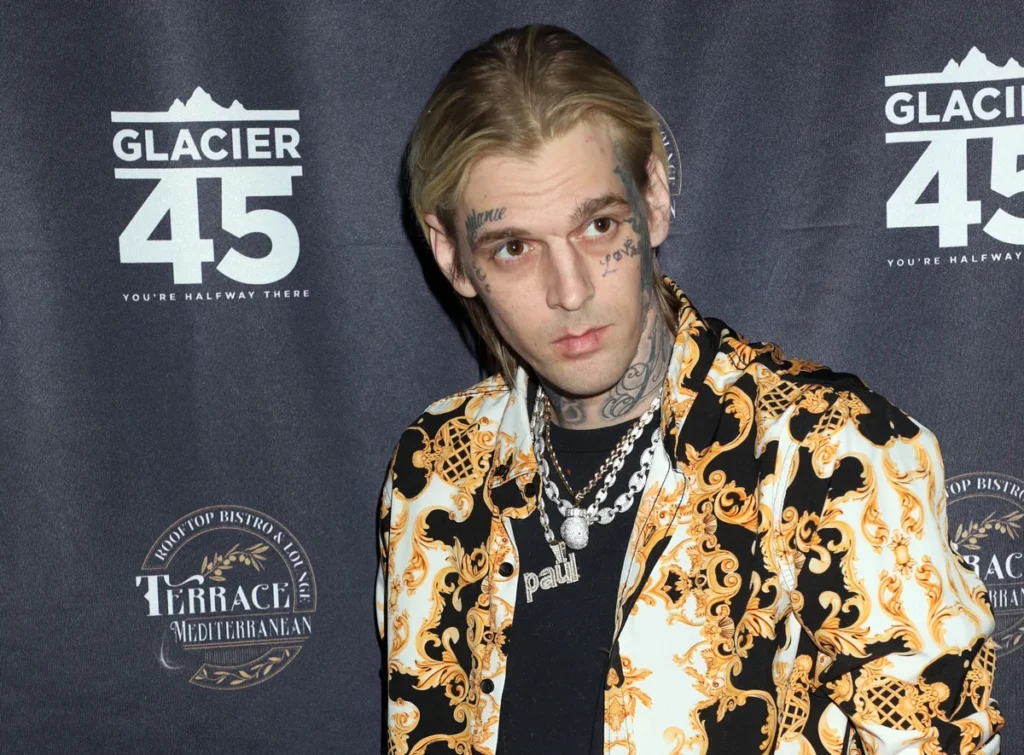

A significant development has emerged in the protracted wrongful death lawsuit filed on behalf of Princeton Lyric Carter, the son of late pop star Aaron Carter. Confidential legal documents, revealed on Wednesday, confirm that a psychiatrist and a mental health clinic involved in the case have reached a financial settlement, marking a partial resolution in the complex legal battle surrounding Carter’s tragic passing in November 2022. While the precise terms and monetary value of the settlement remain undisclosed due to a confidentiality agreement, this development signals a pivotal moment in the ongoing pursuit of accountability by Carter’s estate. The lawsuit, initiated by Carter’s ex-fiancée Melanie Martin, alleges that multiple medical professionals and pharmaceutical entities contributed to the singer’s death through the inappropriate and unjustified prescription of various potent medications.
The Tragic Passing of Aaron Carter
Aaron Carter, a pop sensation who rose to fame in the late 1990s and early 2000s, was found deceased in his Lancaster, California, home on November 5, 2022, at the age of 34. The Los Angeles County Medical Examiner-Coroner’s office later concluded that his death was accidental, attributing it to the effects of alprazolam (generic Xanax) and difluoroethane, an inhalant commonly found in compressed air products, leading to drowning in his bathtub. This official determination underscored the severe struggles Carter faced with substance abuse and mental health throughout much of his adult life, a battle often played out in the public eye. His death sent shockwaves through the entertainment industry and among his fan base, reigniting conversations about mental health support and the perils of addiction, particularly for child stars navigating the complexities of fame.
The Genesis of the Wrongful Death Lawsuit
Nearly a year after Carter’s untimely death, his ex-fiancée, Melanie Martin, took legal action. Acting on behalf of their then-infant son, Princeton Lyric Carter, Martin filed a wrongful death lawsuit that expanded the scope of inquiry beyond the immediate circumstances of his passing. The lawsuit explicitly named several medical entities and professionals, including doctors, dentists, mental health clinics, and pharmacies, as defendants. The core contention of the legal action was that these parties allegedly contributed to Carter’s death by prescribing him a dangerous cocktail of medications without sufficient medical justification, and critically, without adequately considering his well-documented history of mental health issues and substance abuse. The suit aimed to hold these entities accountable for what it argued was a professional dereliction of duty, leading to a devastating outcome for Carter and, by extension, his young son.
Key Allegations: Unjustified Prescriptions and Missed Red Flags
The lawsuit meticulously detailed the specific medications central to its claims: Hydrocodone, Oxycodone, and Alprazolam (the generic form of Xanax). These are powerful controlled substances with high potential for abuse and dependence, particularly dangerous when prescribed in combination or to individuals with a history of addiction. The plaintiffs asserted that the physicians involved prescribed these three drugs with "zero medical justification" for Carter’s condition. Furthermore, the legal filing contended that these medical professionals were fully aware of Carter’s "mental health and psychiatric condition," which should have prompted extreme caution. The lawsuit argued that the quantity, frequency, and combination of these drugs, especially given Carter’s publicly known struggles, should have "raised red flags" for any competent medical practitioner. The legal team representing Princeton Lyric Carter maintained that a responsible standard of care would have necessitated a far more conservative approach, including thorough evaluation, monitoring, and consideration of alternative treatments, rather than contributing to a potentially lethal polypharmacy scenario. This argument highlights a critical aspect of medical ethics and patient safety, particularly concerning vulnerable individuals.
Partial Resolution: Confidential Settlement Reached
The recent legal filings confirm that a partial resolution has been achieved in the complex litigation. In April, a psychiatrist and a mental health clinic, both named as defendants in the lawsuit, agreed to a financial settlement. As is common in such high-profile and sensitive legal matters, the specific details of the payout and the conditions attached to the agreement are confidential and have not been publicly disclosed. This confidentiality clause is a standard practice in legal settlements, often serving to protect the privacy of all parties involved and to prevent the disclosure of information that could impact ongoing or future litigation. While the settlement brings closure for some of the named defendants, it also provides a measure of progress for the plaintiffs, signaling a potential acknowledgment of some degree of liability, even if not explicitly stated. Legal experts often interpret such settlements, especially in cases involving medical negligence, as a strategic decision by defendants to mitigate further financial risk and negative publicity associated with a prolonged trial.
The Unfinished Legal Battle: Remaining Defendants
Despite the partial settlement, the wrongful death lawsuit against Aaron Carter’s medical providers is far from over. Several key defendants remain embroiled in the legal proceedings. Notably, Walgreens, a national pharmacy chain, a Santa Monica dentist, and a Santa Monica pharmacy are still active parties in the litigation. The lawsuit alleges that these entities also played a role in the chain of events leading to Carter’s death, either through dispensing medications inappropriately or through their own prescribing practices. The ongoing nature of the case means that these remaining defendants will either continue to litigate the claims against them, potentially proceeding to trial, or they may, at a later stage, also seek to reach their own settlements. The legal strategy for the plaintiffs will now likely focus on leveraging the momentum from the initial settlement while continuing to build their case against the remaining parties. The outcome for Walgreens, the dentist, and the pharmacy will be closely watched, as it could set further precedents for accountability in prescription drug practices.
A Broader Context: Aaron Carter’s Public Struggles
To fully comprehend the gravity of this lawsuit, it is essential to delve into Aaron Carter’s well-documented life and struggles. Born in 1987, Carter began his career as a child star, achieving significant success in the late 1990s and early 2000s with hits like "Crush on You" and "I Want Candy." His early fame, however, came with immense pressure and scrutiny, often cited as a contributing factor to his later difficulties. As he transitioned into adulthood, Carter openly battled substance abuse, addiction, and a range of mental health issues, including anxiety, depression, bipolar disorder, and schizophrenia. These struggles were often chronicled in reality television shows, interviews, and social media posts, making his vulnerability a public spectacle.

His older brother, Nick Carter of the Backstreet Boys, and other family members frequently expressed concern and, at times, sought legal interventions, such as restraining orders, citing fears for their safety and Aaron’s well-being. These public pleas and interventions underscored the severity of his condition and the desperate attempts by his family to help him. Aaron’s history included numerous stints in rehabilitation facilities and ongoing public appeals for support, highlighting the cyclical nature of his challenges. This extensive public record of his struggles forms a critical backdrop to the wrongful death lawsuit, as it reinforces the argument that any medical professional treating him should have been acutely aware of his high-risk profile for prescription drug misuse and addiction.
The Legal Landscape of Medical Malpractice and Wrongful Death
Wrongful death lawsuits stemming from alleged medical negligence in prescribing practices are inherently complex. To succeed, plaintiffs must typically prove several key elements:
- Duty of Care: That the medical professional owed a duty of care to the patient.
- Breach of Duty: That the medical professional breached that duty through negligence (e.g., by prescribing inappropriate medications, failing to monitor, or ignoring warning signs).
- Causation: That the breach of duty directly caused or significantly contributed to the patient’s death.
- Damages: That the death resulted in quantifiable damages (e.g., loss of financial support, emotional distress for surviving family).
The "causation" element is often the most challenging, particularly when a patient has a pre-existing history of substance abuse or multiple health issues. Defense attorneys frequently argue that the patient’s own actions or pre-existing conditions were the primary cause of death, rather than the alleged medical negligence. However, a partial settlement in such a case, even with confidentiality, can suggest that the defendants perceived a significant risk of being found liable, or at least that the cost of prolonged litigation outweighed the cost of settlement. Legal experts often point out that the legal burden of proof for "contributing factors" can be lower than for "sole cause," making a case like Carter’s potentially viable even with his complex medical history.
The Perils of Polypharmacy and Addiction
The Aaron Carter case also casts a harsh spotlight on the dangers of polypharmacy – the simultaneous use of multiple drugs – especially when potent opioids and benzodiazepines are involved, and when the patient has a known history of addiction or mental health disorders. Statistics from the Centers for Disease Control and Prevention (CDC) consistently show that prescription drug overdoses, particularly involving opioids and benzodiazepines, remain a significant public health crisis in the United States. Combining these types of drugs can dramatically increase the risk of respiratory depression, sedation, and overdose, a risk amplified in individuals with compromised respiratory function or those who may also be using illicit substances.
Medical guidelines strongly caution against co-prescribing opioids and benzodiazepines due to their synergistic depressant effects on the central nervous system. When mental health conditions like bipolar disorder, anxiety, or depression are also present, the prescribing process becomes even more delicate, requiring careful assessment of drug interactions, potential for abuse, and the patient’s overall stability. The lawsuit’s claim of "zero medical justification" for the prescriptions, despite knowledge of Carter’s "mental health and psychiatric condition," directly challenges the adherence to these critical safety guidelines, suggesting a potential failure to prioritize patient safety over convenience or other factors.
Implications for Medical Practice and Patient Care
Regardless of the ultimate outcome for the remaining defendants, the Aaron Carter wrongful death lawsuit and its partial settlement carry significant implications for medical practice and patient care, particularly in the realm of pain management and mental health treatment involving controlled substances. This case, like others before it, serves as a stark reminder to healthcare providers about the profound responsibility that comes with prescribing powerful medications. It emphasizes the critical need for:
- Thorough Patient Assessment: A comprehensive understanding of a patient’s medical history, including any past or current struggles with substance abuse and mental health.
- Careful Medication Selection and Monitoring: Adherence to established guidelines for prescribing controlled substances, vigilant monitoring for signs of misuse or adverse effects, and regular re-evaluation of treatment plans.
- Interdisciplinary Communication: Enhanced communication among all healthcare providers involved in a patient’s care (doctors, dentists, psychiatrists, pharmacists) to prevent potentially dangerous polypharmacy.
- Patient Education: Ensuring patients and their caregivers fully understand the risks and benefits of prescribed medications, especially controlled substances.
- Accountability: The legal system’s role in holding medical professionals accountable when breaches in the standard of care are alleged to lead to tragic outcomes.
This high-profile case has the potential to contribute to a broader societal conversation about the balance between treating complex conditions and preventing the devastating consequences of prescription drug misuse and addiction, especially in vulnerable populations.
The Legacy and Lingering Questions
The death of Aaron Carter left a profound void, not only for his family and fans but also for the ongoing discourse around mental health and addiction in the public eye. The wrongful death lawsuit, while focused on legal accountability, also serves as a poignant reminder of the systemic challenges individuals like Carter face in navigating complex health issues within the medical system. For his son, Princeton Lyric Carter, the lawsuit represents an attempt to secure a measure of justice and potential financial security following an unimaginable loss. The confidential settlement with the psychiatrist and mental health clinic marks a significant step, but the journey for full accountability continues against the remaining defendants. As the legal proceedings unfold, the case will undoubtedly continue to spark discussions about the responsibilities of medical professionals, the complexities of addiction, and the enduring legacy of a pop star whose life was cut short too soon. The quest for answers and justice for Princeton Lyric Carter remains a compelling and evolving narrative in the aftermath of Aaron Carter’s tragic death.