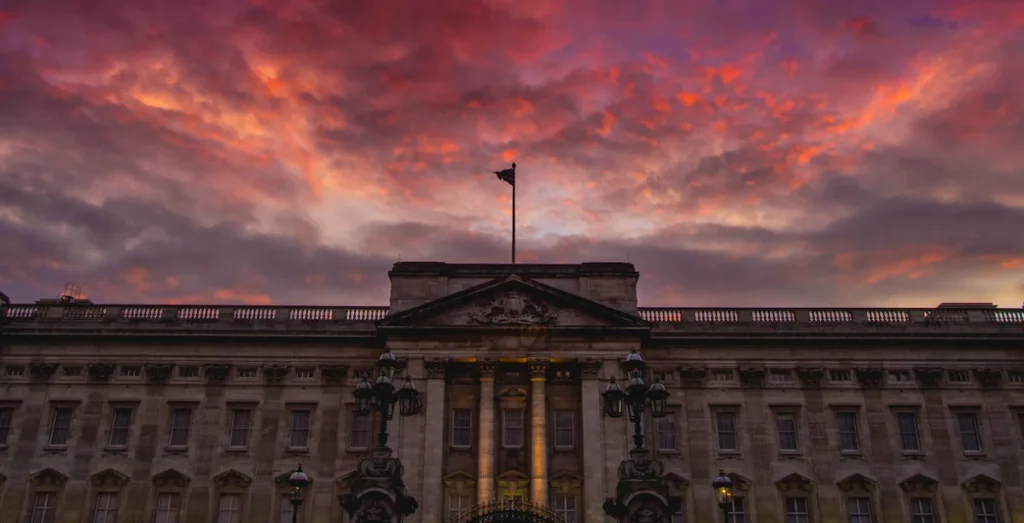

A Labour MP has shed light on a peculiar and centuries-old tradition that sees a Member of Parliament symbolically ‘held hostage’ at Buckingham Palace during the State Opening of Parliament, an event steeped in historical mistrust between the Crown and the legislature. Sir Nic Dakin, the Member of Parliament for Scunthorpe, found himself the subject of this unique ritual on a recent Wednesday morning, a custom that traces its origins back to the turbulent reign of King Charles I.
The Ancient Ritual of ‘Royal Custody’
The State Opening of Parliament, a cornerstone of the UK’s constitutional calendar, is marked by an array of time-honoured ceremonies designed to reflect the intricate relationship between the monarch and Parliament. Among the most intriguing of these is the practice of detaining a government whip at Buckingham Palace while the Sovereign makes their way to Westminster to deliver the King’s Speech. This seemingly unusual custom is not a mere quirk of protocol; it is a potent, albeit symbolic, reminder of a historical period when the powers of the monarchy and Parliament were in fierce contention.
The origins of this tradition lie in the tumultuous 17th century, a period that witnessed the English Civil War. During this era, deep-seated suspicion and conflict characterised the interactions between the Crown and Parliament. The execution of King Charles I in 1649, following his defeat by parliamentary forces and conviction for treason, marked a seismic shift in the balance of power. In the aftermath of such profound discord, measures were instituted to ensure a degree of separation and to symbolically underscore Parliament’s hard-won autonomy. The practice of holding an MP at the Palace can be seen as a vestige of these efforts, a ceremonial nod to the past when the monarch’s intentions towards Parliament were viewed with a critical and cautious eye.
A ‘Hostage’ Experience: Comforts and Companionship
Despite the dramatic terminology of being ‘held hostage,’ Sir Nic Dakin was quick to allay any fears of discomfort or undue duress. Speaking to BBC Radio Humberside, he humorously described his experience, stating, "No manacles, no torturing." His account painted a picture far removed from the grim connotations of his designated role. Instead, he explained, "I was just abandoned by my colleagues and left in the arms of the palace staff and the Lord Chamberlain, who sits in the House of Lords, to ensure I didn’t go anywhere."
His time at Buckingham Palace was not one of isolation but rather of observation and light refreshment. Sir Nic spent the duration of the State Opening watching the proceedings unfold on television within the Palace’s opulent surroundings. His sustenance for the morning consisted of "a cup of tea and small shortbread biscuits." This understated hospitality stands in stark contrast to the historical anxieties that gave rise to the tradition.
Evolving Traditions and Royal Humour
Sir Nic also offered a light-hearted observation on how the hospitality offered to these ceremonial ‘hostages’ has evolved. He joked that the refreshments, and perhaps the potency of the ‘detention,’ had become less formidable over the years. Recalling a past experience of a predecessor, he quipped, "A few years back, the drink that followed was rather stronger and one of my predecessors was rather wobbly on their legs as they left." This anecdote highlights how, over time, the tradition has softened from its historical roots into a more convivial and symbolic gesture.
The tradition has even been acknowledged and playfully referenced by the King himself. During a recent address to the United States Congress, King Charles III touched upon this unique aspect of British parliamentary custom. With a touch of regal wit, he remarked, "These days we look after our guests rather well, to the point that they often do not want to leave," a comment that was met with laughter from the American lawmakers. This shows a modern monarch acknowledging and even embracing the historical nuances of these long-standing traditions with a sense of humour and perspective.
The Role of the Vice-Chamberlain of the Household
Traditionally, the individual tasked with fulfilling the role of parliamentary ‘hostage’ is the Vice-Chamberlain of the Household, a position that is inherently a government whip. This dual role underscores the symbolic nature of the custom: the whip, a member of the government party responsible for party discipline, is placed under the symbolic ‘custody’ of the Crown’s representatives at the Palace, while the monarch, accompanied by other parliamentary officials, proceeds to Parliament.
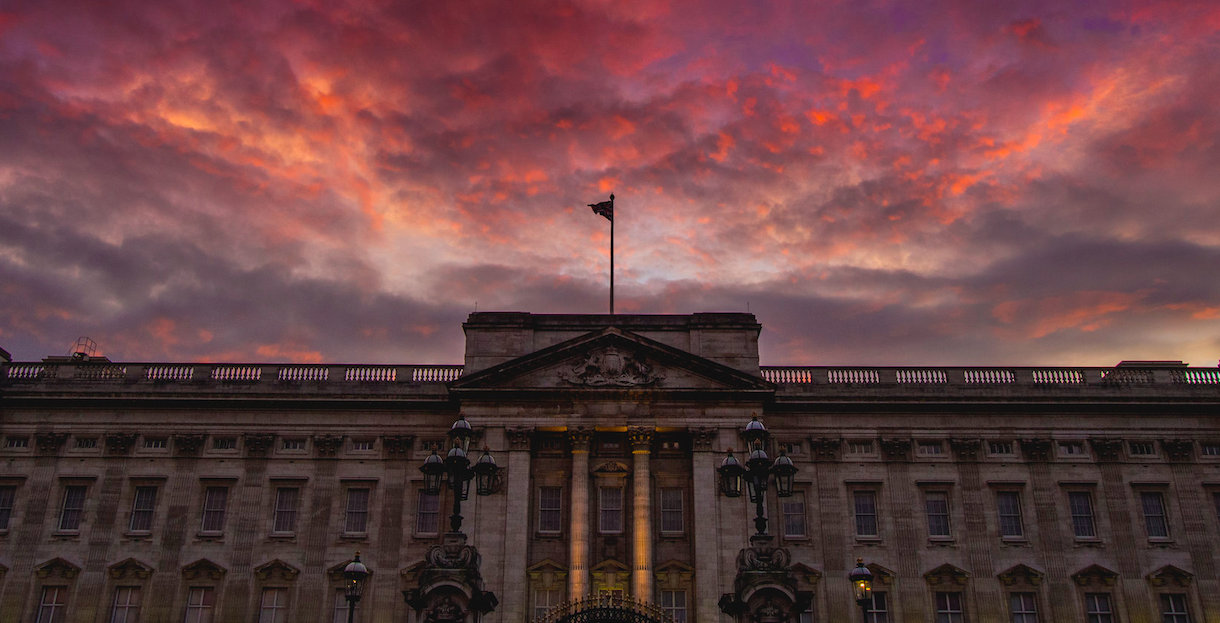
While the practice is now entirely ceremonial and devoid of any genuine threat, past accounts reveal the playful seriousness with which it has been treated. Former MP Jim Fitzpatrick once shared that palace officials had jokingly warned him he would face severe consequences, implying he might be shot, should anything untoward happen to Queen Elizabeth II during her journey to Westminster. Such anecdotes, while presented with a humorous undertone, further illuminate the historical weight and the evolving interpretation of this tradition.
A Tapestry of Pageantry: Beyond the ‘Hostage’
The ceremonial detention of an MP is just one thread in the rich tapestry of pageantry that surrounds the State Opening of Parliament. This grand occasion is replete with elaborate rituals, each carrying its own historical significance. These include the traditional search of the cellars of Westminster for gunpowder, a practice instituted in the wake of the Gunpowder Plot of 1605; the ceremony of Black Rod, who is tasked with summoning MPs to the House of Lords, and who famously has the doors of the House of Commons slammed in his face before being admitted; and the Sovereign’s procession from Buckingham Palace to Westminster in the Diamond Jubilee State Coach.
These elaborate performances are not mere historical reenactments; they serve to reinforce the constitutional order and the symbolic relationship between the monarch, Parliament, and the people. They are a visual representation of the historical evolution of British governance and the enduring strength of its institutions.
Preserving Tradition in a Modern Age
Sir Nic Dakin’s reflection on his experience extended to a broader appreciation for Britain’s capacity to preserve its historical traditions. He articulated, "One of the things we do really well is recognise tradition and all of the pageantry that goes alongside that. That was hugely on display yesterday." This sentiment underscores the value placed on continuity and the ability of the United Kingdom to integrate its past with its present.
The preservation of such traditions, even those with seemingly unusual or anachronistic elements, speaks to a national identity that is deeply intertwined with its history. The State Opening of Parliament, with its intricate ceremonies and symbolic gestures, provides a regular and visible reminder of this continuity. The ‘hostage’ tradition, while perhaps the most curious to an outsider, is a testament to the enduring power of historical memory and the ceremonial evolution of democratic governance. It serves as a subtle yet powerful narrative of the checks and balances that have shaped the relationship between the Crown and Parliament, a relationship that, through centuries of evolution, now embodies a cooperative rather than confrontational dynamic.
Broader Implications and Analysis
The continued observance of traditions like the ceremonial ‘hostage’ at Buckingham Palace, while largely symbolic in contemporary times, offers several layers of analysis. Firstly, it demonstrates the resilience of ritual in modern political life. These ceremonies provide a sense of stability and continuity, connecting contemporary events to historical precedents. They offer a narrative framework that can help the public understand and engage with the institutions of government.
Secondly, the practice highlights the symbolic power of historical mistrust. Even though the direct threat of monarchical overreach has diminished significantly since the 17th century, the tradition persists as a historical echo. This perpetuation signifies the importance of remembering past struggles for parliamentary sovereignty and the need for ongoing vigilance in safeguarding democratic principles.
Thirdly, the tradition, as experienced by Sir Nic Dakin and commented upon by King Charles III, showcases a modern adaptation of historical customs. The shift from a potentially tense situation to one of comfortable observation and light-hearted banter reflects a society that can acknowledge its past without being bound by its anxieties. This ability to reframe and reinterpret historical practices allows them to remain relevant and engaging without losing their symbolic weight.
The State Opening of Parliament, therefore, is not merely a ceremonial event but a living demonstration of Britain’s constitutional evolution. The ‘hostage’ tradition, in particular, serves as a unique historical footnote, a subtle reminder of the delicate balance of power that has been forged over centuries, and a testament to the enduring capacity for tradition to adapt and endure in the modern age. The continued participation of MPs like Sir Nic Dakin in these ceremonies underscores the respect for parliamentary history and the unique pageantry that defines British governance.