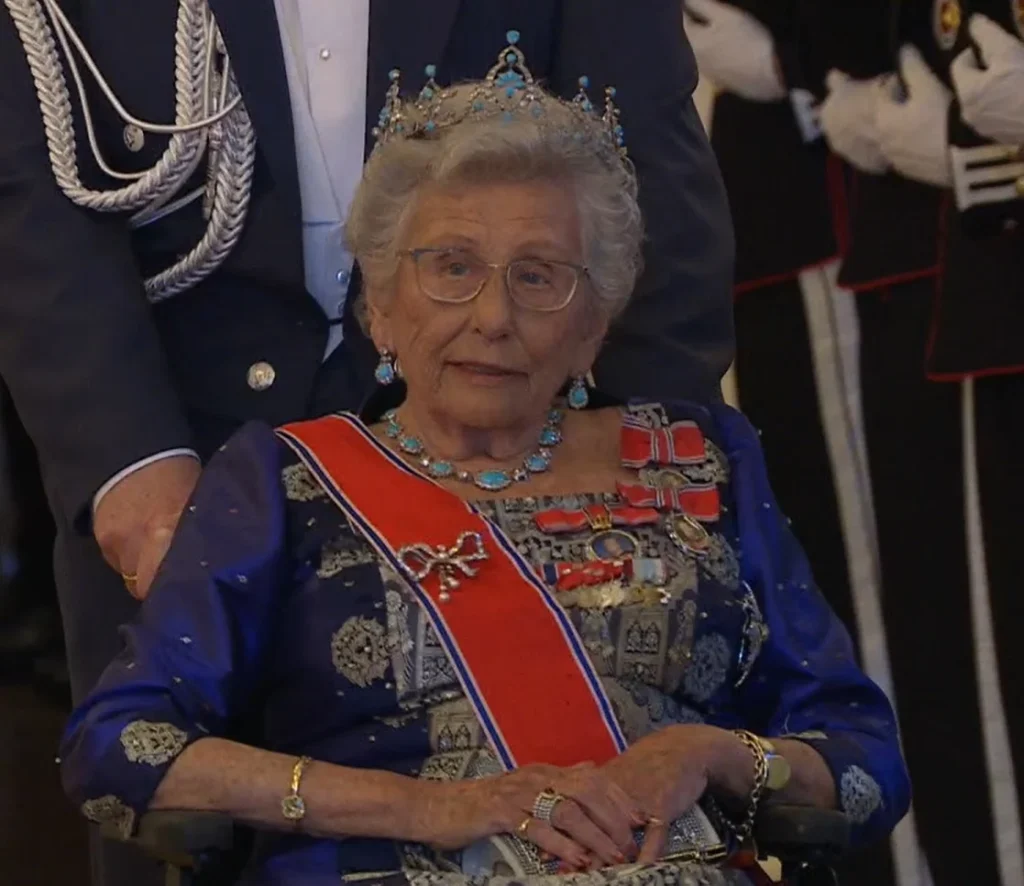

Princess Astrid of Norway, the cherished younger sister of King Harald V, has been admitted to the Rikshospitalet in Oslo for surgery to address heart complications. The 94-year-old royal underwent a procedure to receive a temporary pacemaker, a critical intervention following a diagnosis of heart failure. The Norwegian Royal Court confirmed the news, issuing a brief statement to the public that acknowledged the Princess’s hospitalization and the subsequent surgical intervention. While specific details regarding the exact nature of her heart failure remain undisclosed, the palace indicated that Princess Astrid is expected to remain under medical care for an extended period. In a testament to her resilience and characteristic spirit, the Princess conveyed that she is "in the best of hands," a sentiment that has offered reassurance to many following the announcement.
This latest health concern marks the second time Princess Astrid has required hospital admission this year. In March, she was hospitalized for several days after contracting pneumonia, an illness that necessitated a period of recovery. During that time, her brother, King Harald V, and his wife, Queen Sonja, were observed visiting her at the hospital, underscoring the close familial bonds within the Norwegian Royal Family.
A Life of Service and Royal Duty
Princess Astrid’s life has been intrinsically linked to the Norwegian monarchy and its public service. Born in 1932, she was the second daughter of King Olav V and Crown Princess Märtha. Her early years were marked by a significant shift in her public role. Following the untimely death of her mother in 1954 and with her elder sister, Princess Ragnhild, having moved abroad after her marriage, Princess Astrid stepped into a prominent position as the de facto "first lady" of Norway. During the nascent years of her father’s reign, she assumed a leading role in representing the Crown at official engagements, a responsibility she carried with grace and dedication.
This significant period of royal duty continued until 1968, the year her brother, then Crown Prince Harald, married Sonja Haraldsen. Upon their wedding, Sonja became Crown Princess, subsequently assuming the role of the primary female representative of the Royal House. Despite this transition, Princess Astrid has remained an active and engaged member of the Royal Family. Throughout the ensuing decades, she has continued to fulfill a wide array of royal engagements, attending major state occasions, hosting dignitaries, and actively participating in events that highlight her numerous patronages. Her enduring commitment to public service remains a hallmark of her long and distinguished royal career.
Navigating Royal Succession and Modern Monarchy
Princess Astrid’s position within the Norwegian Royal Family is also shaped by historical shifts in royal succession laws. At the time of her birth, women were not eligible to inherit the throne, meaning she was never in the direct line of succession. This changed with the introduction of absolute primogeniture in Norway, which grants equal succession rights to both male and female heirs. This progressive reform has paved the way for future female monarchs, with Princess Ingrid Alexandra, the eldest child of Crown Prince Haakon, currently being second in line to the Norwegian throne.
National Day Amidst Royal Health Concerns
The timing of Princess Astrid’s hospitalization is particularly poignant as Norway prepares to celebrate its National Day on May 17th. It is anticipated that the Princess will still be recuperating in hospital during the national festivities. While Princess Ingrid Alexandra is expected to participate in events, her current location in Sydney, Australia, where she is pursuing her studies, means her involvement will be remote.
The health of other prominent members of the Royal Family has also been a subject of public concern. Crown Princess Mette-Marit, wife of Crown Prince Haakon, has been managing serious health issues. She is currently undergoing assessment for a potential future lung transplant, a procedure to treat the pulmonary fibrosis she suffers from. The Crown Princess has maintained a lower public profile in recent months, a decision that has been further amplified by her name appearing in the Epstein files, which revealed she had stayed at the convicted sex offender’s home. Adding to the family’s recent difficulties, her son from a previous relationship, Marius Borg Høiby, is currently facing trial on multiple charges, including rape, allegations he denies.
Supporting Data and Historical Context
Princess Astrid’s surgery for heart failure underscores the commonality of cardiovascular issues in aging populations, particularly among those who have experienced significant public stress and scrutiny throughout their lives. Heart failure is a chronic condition where the heart muscle doesn’t pump blood as well as it should. It can be caused by a variety of factors, including coronary artery disease, high blood pressure, and other heart conditions. The implantation of a temporary pacemaker is a common medical intervention to help regulate the heart’s rhythm and ensure adequate blood flow during recovery or as a bridge to more definitive treatment. The Rikshospitalet in Oslo is a leading medical institution in Norway, renowned for its advanced cardiac care and surgical expertise, providing a high level of medical attention for the Princess.
Princess Astrid’s long and active public life began at a young age. She was born on February 12, 1932, and her father, King Olav V, ascended to the throne in 1957. Her role as the leading royal lady commenced shortly thereafter and continued until her brother’s marriage in 1968. This period, spanning over a decade, involved numerous state visits, diplomatic engagements, and representation of the Norwegian Crown both domestically and internationally. Her continued engagement in royal duties well into her nineties is a testament to her dedication and the importance placed on her presence within the Royal Family.
Broader Implications and Royal Continuity
The health of senior royals inevitably draws public attention and can have broader implications for the perception and continuity of a monarchy. Princess Astrid’s hospitalization, alongside the ongoing health challenges faced by Crown Princess Mette-Marit, highlights the human element of royal life and the inherent vulnerabilities that come with age and illness. However, the established protocols and the presence of younger generations, such as Princess Ingrid Alexandra, signal a clear pathway for the continuation of the monarchy. The Norwegian Royal Family has consistently demonstrated a commitment to transparency regarding the health of its members, fostering public understanding and empathy.
The public’s enduring affection for Princess Astrid, a sentiment built over decades of devoted service, is likely to translate into widespread well wishes for her recovery. Her role has evolved significantly over her lifetime, from acting as a young regent’s representative to becoming a beloved elder stateswoman of the Royal House. Her continued presence at important national events, even in her advanced years, has served as a symbol of continuity and tradition for the Norwegian people. The current situation, while concerning, is being managed by a robust healthcare system and a supportive family, underscoring the resilience of both the Princess and the institution she represents. The focus now remains on her recuperation and her eventual return to public life when her health permits.