

In the meticulously curated landscape of the South Korean entertainment industry, the "official profile" has long served as the primary blueprint for an idol’s public persona. These documents, typically released by major agencies like SM Entertainment, YG Entertainment, JYP Entertainment, and HYBE—collectively known as the "Big 4"—detail everything from a performer’s blood type and hobbies to their physical dimensions. However, the accuracy of these statistics has frequently been a point of contention among fans and industry insiders alike. Recently, a candid revelation from Yuta, a prominent member of the SM Entertainment powerhouse group NCT 127, has reignited the discussion regarding the transparency of idol physical statistics.
During a recent broadcast of his long-running radio program, Yuta At Home, the Japanese-born singer and dancer addressed the topic of physical height with surprising frankness. Yuta admitted that nearly every member of NCT 127, himself included, has historically "smudged" the truth regarding their official height measurements. This admission, while delivered with Yuta’s trademark humor, offers a rare glimpse into the internal pressures and marketing strategies that dictate how idols are presented to the global public. Perhaps more interestingly, Yuta identified a single member who stands as the exception to this rule: Johnny Suh. According to Yuta, while the rest of the group might add a few centimeters to their profiles, Johnny is the only one whose listed height might actually be an understatement.
The Cultural Significance of the Idol Profile
To understand why a revelation about height carries such weight in the K-pop community, one must look at the historical role of the "Idol Profile." Since the first generation of K-pop in the late 1990s, agencies have utilized these profiles to establish a "perfect" image for their artists. Height, in particular, is a prized attribute in South Korean entertainment, often associated with "visual" appeal and stage presence.
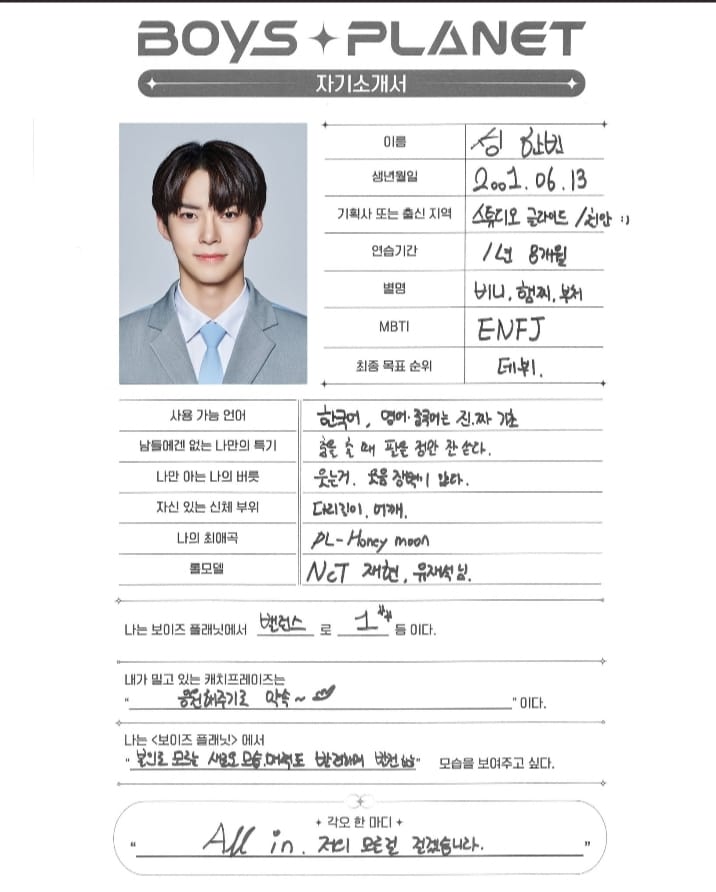
For male idols, reaching the 180cm (approximately 5’11") threshold is often seen as a significant milestone, frequently used as a marketing tool to enhance the idol’s "boyfriend material" image. Consequently, it has become an open secret within the industry that profiles are often adjusted by two to three centimeters to meet these aesthetic standards. These adjustments are not limited to veteran groups; even trainees on high-stakes survival shows, such as Mnet’s Boys Planet or Produce 101, have their physical traits scrutinized by viewers who compare official stats against real-time footage of the contestants standing next to one another.
The Specific Case of NCT 127: A Study in Proportions
NCT 127, the Seoul-based sub-unit of the massive NCT brand, is known for its diverse lineup and experimental concepts. The group consists of members from various backgrounds, including Korea, Japan, the United States, and Canada. This diversity extends to their physical builds. Yuta’s confession on Yuta At Home came in response to a listener’s message admitting to exaggerating their own height.
"In NCT 127, everyone exaggerates their height a little," Yuta stated during the broadcast, effectively "exposing" the group’s collective secret. He noted that in an industry where every centimeter counts toward a "towering" stage presence, the group members—including leader Taeyong, vocalists Doyoung and Jaehyun, and rappers Mark and Haechan—have participated in the common practice of rounding up their measurements.
However, the focus quickly shifted to Johnny Suh. Johnny, the Chicago-born member of the group, is officially listed in many databases as being 180cm tall. Yet, fans (collectively known as NCTzens) have long speculated that this number is significantly lower than reality. When standing next to other idols who claim to be 180cm, Johnny consistently appears much taller, leading to the widespread belief that he is closer to 188cm (approximately 6’2").

The "Johnny Exception": Why Understate Height?
The revelation that Johnny might be the only member telling the truth—or even underreporting his height—presents a fascinating anomaly. In a market where being tall is an advantage, why would an agency or an artist choose to list a shorter height?
Industry analysts suggest several reasons for this phenomenon. First, there is the issue of "group harmony." When a single member is significantly taller than the rest of the group, it can create visual imbalances during synchronized choreography. By listing a member as 180cm instead of 188cm, agencies can bridge the perceived gap between members on paper, even if the visual reality remains obvious.
Second, there is the "giant" narrative. In many K-pop groups, the tallest member is often nicknamed the "Giant Maknae" (if they are the youngest) or simply the group’s "pillar." If an idol is exceptionally tall, it can sometimes overshadow their other talents, such as dancing or singing. By keeping the official stat within a "standard" range of tallness, the focus remains on the group as a cohesive unit.
Chronology of Height Revelations in K-Pop
Yuta’s admission is part of a growing trend of idols being more transparent about their physical stats, a shift from the more rigid and secretive era of the early 2000s.
- Early 2010s: Fans began using "airport photos" (unfiltered photos of idols in flat shoes) to debunk official profile heights. This led to a period of skepticism where fans would "measure" idols against known objects like doorways or suitcases.
- The "Insole" Era: Many male idols began jokingly admitting to using "height-increasing insoles" (kkichang) in their shoes during variety show appearances, turning a point of insecurity into a comedic relatability factor.
- 2020-Present: A new wave of transparency has emerged. Idols like those in Tomorrow X Together (TXT) or Stray Kids have occasionally corrected their official profiles during live streams, citing that they have either grown since debut or that the original numbers were slightly off.
Yuta’s comment on May 14, 2026 (as per the recent broadcast schedule), marks one of the most direct "group-wide" exposures from a Big 4 group member. By including himself in the "lie," Yuta softened the blow, turning what could have been a scandalous revelation into a moment of lighthearted connection with his audience.
Fan Reactions and Social Media Impact
The reaction from the NCTzen community was immediate and largely humorous. Within hours of the broadcast, social media platforms like X (formerly Twitter) and TikTok were flooded with memes comparing Johnny’s height to his group mates. One viral post noted, "We’ve known for years that Johnny is a skyscraper and the rest of them are just standing on their tiptoes."
Another fan commented, "Yuta is so chaotic for this. He didn’t just expose his members; he exposed the whole industry’s marketing strategy." The sentiment among fans seems to be one of appreciation for the honesty. In an era where "authenticity" is a highly valued currency in idol-fan relationships, Yuta’s willingness to joke about the artifice of idol profiles reinforces his image as a candid and trustworthy figure.
The Broader Implications for the K-Pop Industry
Yuta’s revelation touches on a broader conversation about the physical expectations placed on K-pop performers. While height may seem like a trivial detail, it is symptomatic of the high standards of beauty and "perfection" that the industry maintains.

From a professional standpoint, this level of transparency could signal a shift in how agencies manage their artists’ profiles in the future. As the global audience for K-pop grows more sophisticated, the "manufactured" aspects of the industry are being met with more scrutiny. Agencies may find that providing accurate data—or at least allowing idols to speak freely about these topics—builds more long-term brand loyalty than maintaining a facade of perfection.
Furthermore, this incident highlights the importance of idol-led media, such as radio shows and personal live streams. These platforms allow artists to bypass the official PR filters of their agencies, providing a more "human" look at the people behind the performances. Yuta’s Yuta At Home has consistently been a source of such moments, cementing his role as a bridge between the group and their international fanbase.
Conclusion: Reality vs. The Profile
As NCT 127 continues its global activities, the "height scandal" (as fans jokingly call it) serves as a reminder that the world of K-pop is often a blend of reality and carefully managed fiction. While the official profiles may say one thing, the reality—seen on stages, in dance practices, and through the honest words of the members themselves—is often more nuanced.
Johnny Suh may indeed be the "lone truth-teller" (or the lone under-reporter) in the group, but Yuta’s admission has leveled the playing field. By acknowledging the common practice of height exaggeration, Yuta has humanized his group mates, proving that even "Big 4" idols are subject to the same small insecurities and social pressures as everyone else. In the end, whether a member is 175cm or 185cm matters little to the fans who support them for their music and personality, but the honesty required to admit the difference is what truly stands tall.