
The Kentucky Derby, often referred to as "The Greatest Two Minutes in Sports," has evolved far beyond a mere horse race at Churchill Downs. It has become a global cultural phenomenon, synonymous with Southern elegance, high fashion, and rigorous hospitality standards. As the first leg of the American Triple Crown, the Derby attracts an international audience of millions, many of whom celebrate through curated "Derby Day" parties. According to Charleston-based event designer Tara Guérard, who has orchestrated high-profile celebrations for celebrities such as Blake Lively and Ryan Reynolds, the event represents the quintessential Southern occasion. Guérard notes that the Derby provides a unique excuse for entertaining, regardless of one’s geographic location, by blending historical tradition with creative, modern hospitality.
The Foundation of Derby Tradition: Historical Context and Significance
To understand the requirements of a stylish Derby soiree, one must first look at the event’s deep-seated history. The Kentucky Derby was established in 1875 by Meriwether Lewis Clark Jr., the grandson of William Clark of the Lewis and Clark Expedition. Inspired by the Epsom Derby in England, Clark sought to create a premier racing event in the United States. Since its inception, the race has been held annually on the first Saturday in May, surviving even through world wars and economic depressions.
The event’s nickname, "The Run for the Roses," originated in 1883 when New York socialite E. Berry Wall presented roses to ladies at a post-Derby party. This gesture inspired Clark to make the rose the race’s official flower. By 1896, the tradition of draping the winning horse in a garland of roses was solidified. Today, the garland consists of exactly 554 red roses, weighing approximately 40 pounds. This floral motif remains the primary design element for any authentic Derby celebration.
Strategic Decor: Balancing Equestrian Theme with Sophistication
Designing a Derby-themed environment requires a delicate balance between thematic loyalty and aesthetic restraint. Guérard emphasizes that the objective is to evoke the spirit of Churchill Downs without veering into kitsch. The primary decorative engine of the party is the rose. Guérard suggests using "sweetheart roses" as a cost-effective yet impactful variety. To achieve a professional look, she recommends varying the heights of floral arrangements and incorporating ample greenery to maintain an understated, loose feel.
"When lots of the same flower is used, it makes a bigger and better impact," Guérard states, suggesting that quantity often trumps complexity in floral design. Beyond the centerpieces, scattering rose petals across serving stations can provide a cohesive visual thread.
The equestrian elements of the decor should be handled with subtlety. Professional event planners suggest using materials that reference the sport of racing—such as leather, brass, and silk—rather than literal horse motifs. Guérard recommends tying napkins with leather strings to mimic bridles or affixing silk ribbons in various "stable colors" to printed menus. Incorporating trophy-gold rims on glassware and utilizing brass trays for service adds a layer of "Winner’s Circle" luxury. A well-placed horseshoe is also a traditional touch, intended to bring luck to the guests’ wagers.

The Mixology of the Mint Julep: A 200-Year Legacy
No Kentucky Derby party is complete without the Mint Julep, a drink that has been the official cocktail of the race since 1938. However, the drink’s history in the American South dates back to the late 18th century, originally used for medicinal purposes before becoming a staple of high society. Each year, nearly 120,000 Mint Juleps are served at Churchill Downs over the two-day period of the Kentucky Oaks and the Derby, requiring over 10,000 pounds of ice and 1,000 pounds of fresh mint.
For a home-based soiree, Guérard suggests a "make-your-own-julep" station. This interactive element allows guests to explore different varieties of bourbon—the soul of the cocktail. A standard station should include:
- High-quality Kentucky Bourbon (such as Old Forester or Woodford Reserve)
- Freshly made simple syrup or muddled sugar cubes
- A surplus of crushed ice (essential for the proper frost on the cup)
- An abundance of fresh mint
- Optional modern toppings: fresh peaches, blueberries, and ginger
For guests who prefer alternatives to the bourbon-heavy julep, Guérard recommends "The Run for the Roses," a lighter cocktail consisting of one part vodka, two to three parts pink lemonade, and a teaspoon of rose syrup, garnished with mint. Naming cocktails after race-day milestones—such as "The Triple Crown" or "The Final Stretch"—adds a festive, thematic layer to the bar service.
Culinary Excellence: A Southern-Inspired Menu
The menu for a Derby party should focus on Southern comfort food that is substantial enough to balance the potent cocktails being served. The goal is "easy yet substantial" finger foods that allow guests to mingle while watching the undercard races leading up to the main event.
Key menu items often include:
- Pimento Cheese Crostini: A staple of Southern hospitality, often referred to as the "pate of the South."
- Chicken and Biscuits: Small-format versions of this classic provide a savory, filling option.
- Kentucky Hot Brown Sliders: A miniature take on the famous open-faced turkey sandwich created at Louisville’s Brown Hotel in 1926.
- Mac and Cheese Cups: Individual servings that provide comfort while maintaining a clean presentation.
The Dress Code: Fashion as a Performance Art
The Kentucky Derby is as much a fashion show as it is a sporting event. Historically, the Derby was a high-society event where men and women dressed in their "Sunday best." In the 1960s, the fashion took a turn toward the flamboyant, specifically regarding headwear. Today, the "Derby Hat" is a mandatory element of the experience.
For a stylish home party, the dress code should remain "festive yet comfortable." Guérard advises hosts to encourage guests to wear fascinators and hats, but also suggests having a few extra on hand for those who may arrive without one. The fashion serves a functional purpose at the track—protection from the sun—but at a private party, it serves as the primary tool for guest engagement and atmosphere.

Chronology of Derby Day: Timing the Event
A successful host must manage the timeline of the day to build anticipation for the "Two Minutes in Sports." The typical Derby Day schedule follows a specific rhythm:
- Early Afternoon (1:00 PM – 3:00 PM): Guests arrive; the bar is opened; light appetizers are served. This is the time for the "make-your-own-julep" station to shine.
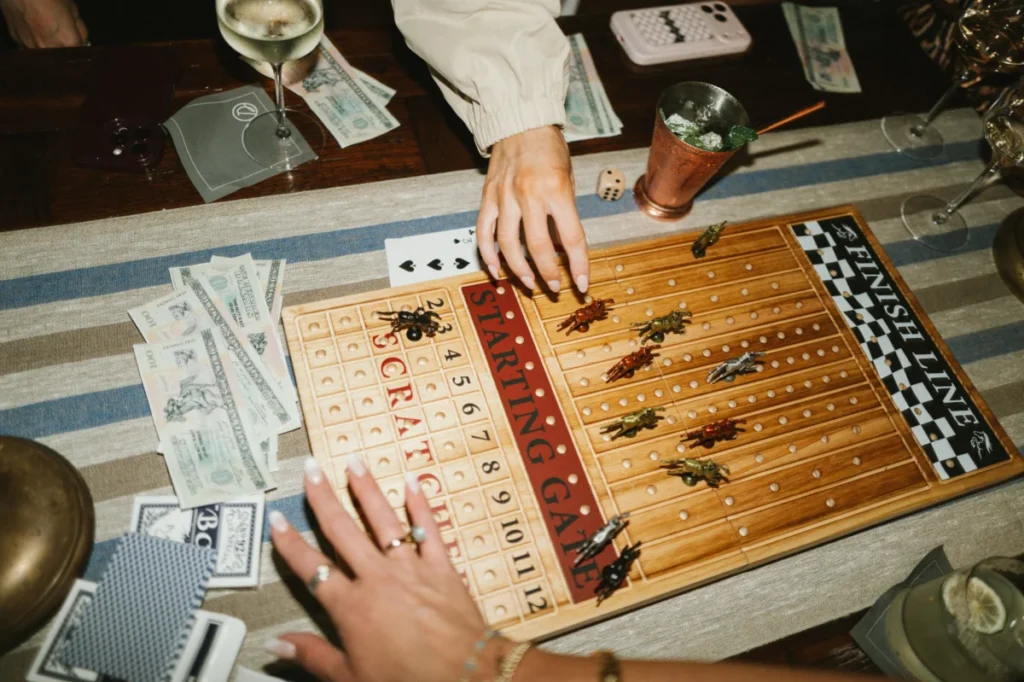
- Mid-Afternoon (3:00 PM – 5:30 PM): Heavier food is served. Guests view the undercard races and participate in "friendly wagering" or hat contests.
- Pre-Race (6:00 PM – 6:45 PM): Focus shifts to the television. This is the time for the singing of "My Old Kentucky Home," a tradition that began in 1921.
- Post-Race (7:00 PM onwards): The winner is declared; a final round of drinks or a "Winner’s Circle" dessert is served.
Economic and Cultural Impact: The Broader View
The Kentucky Derby is a significant economic driver. In 2023, Churchill Downs reported a record-breaking wagering handle of $288.7 million on the Derby Day program. The hospitality industry across the United States sees a measurable "Derby bump" as liquor stores report increased bourbon sales and florists see a surge in rose orders.
Beyond the numbers, the Derby represents a preservation of American regional culture. By hosting a Derby party, individuals participate in a ritual that bridges the gap between the rural traditions of horse breeding and the urban traditions of high-end entertaining. Guérard notes that at the heart of the event is the concept of "Southern Care." "It’s most important to take care of your guests," she says. "A drink in hand and something to eat helps make guests happy."
Professional Analysis: The Evolution of Modern Entertaining
The shift toward boutique, home-based Derby parties reflects a broader trend in the event planning industry. Consumers are increasingly moving away from generic gatherings in favor of "experience-based" entertaining. The Kentucky Derby provides a perfect template for this, as it offers a built-in narrative, a specific aesthetic, and a clear climax (the race itself).
By following the expert advice of designers like Tara Guérard, hosts can elevate a standard afternoon gathering into a sophisticated social event. The combination of historical reverence—seen in the use of silver julep cups and red roses—and modern flexibility—seen in DIY bars and casual-chic dress codes—ensures that the spirit of Kentucky remains vibrant, no matter the zip code. As the horses line up at the starting gate in Louisville, thousands of miles away, the clink of ice in a silver cup remains the universal signal that Derby Day has officially begun.