
The Foundation of Collaborative Hosting
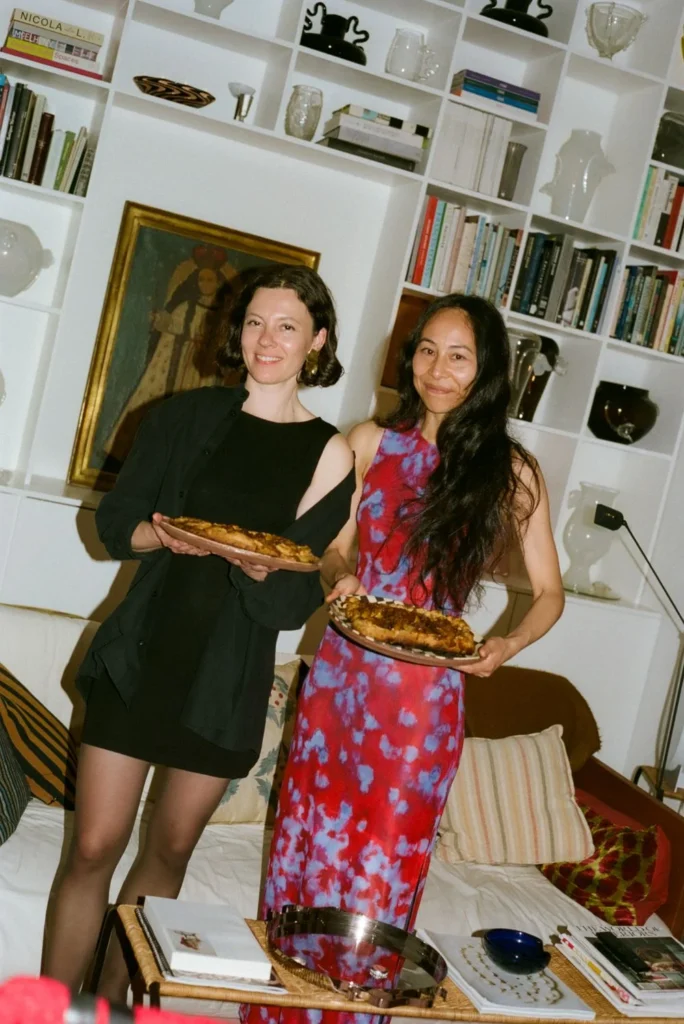
The partnership between Sophie Lou Jacobsen and Megumi Shauna Arai is built upon a long-standing personal and professional rapport. Jacobsen, a French-American designer renowned for her whimsical yet functional borosilicate glassware, brings a structured aesthetic eye to their gatherings. Her work, which often features "squiggle" motifs and vibrant color palettes, has become a staple in modern tablescaping. Arai, a multidisciplinary artist whose work often explores textile and tactile experiences, complements this with a focus on sensory atmosphere and culinary spontaneity.
Their collaboration is not merely about the final event but the process of preparation. Every Saturday, the duo visits the Union Square Greenmarket, a landmark of New York City’s local food movement since its inception in 1976. This ritual serves as both a social "download" of their respective weeks and a creative brainstorming session for their next "dream soirée." By allowing the season’s peak produce—whether it be roasted rhubarb in the spring or caramelized pears in the autumn—to dictate the menu, they ensure that each gathering is a unique reflection of a specific moment in time.

A Chronology of the Modern Soirée: From Market to Cleanup
The timeline of a Jacobsen-Arai dinner party follows a distinct rhythm that challenges conventional hosting norms. It begins on Saturday morning with the market visit, where the menu is finalized based on visual and tactile appeal. "We buy what looks especially scrumptious," Arai notes, emphasizing a "farm-to-table" philosophy that removes the stress of rigid meal planning.
The afternoon is dedicated to the "tablescape," a term that has seen a 45% increase in search interest over the last five years as home entertaining becomes a form of self-expression. Jacobsen takes the lead on the visual arrangement, utilizing her own collection alongside eclectic finds. The transition from the preparation phase to the hosting phase is intentionally blurred. Unlike traditional hosts who may feel overwhelmed if guests arrive early, Jacobsen and Arai have a unique pet peeve: guests who arrive exactly on time. This preference for "fashionably late" arrivals provides a buffer for the hosts to finalize the styling and creates a relaxed atmosphere where the "wiggle room" becomes part of the evening’s charm.
The evening concludes not when the meal ends, but when the final cleaning ritual is complete. Both artists agree on a "dishes that night" policy, often accompanied by a late-night "after-party" in the living room involving digestifs, music, and continued conversation. This commitment to finishing the night together reinforces the "cleanup accomplice" role that is central to their co-hosting philosophy.

Design Analysis: The Aesthetics of the Tablescape
The visual identity of the Jacobsen-Arai table is a masterclass in "maximalist cohesion." For their late March gathering, the table was anchored by a Nina Rose Mint tablecloth by Lisa Corti, a brand known for its hand-blocked textile designs that blend traditional Indian techniques with contemporary Italian aesthetics. The choice of a vibrant, patterned base allows for a playful interaction with the serveware.
The Resurgence of Cabbageware
A standout feature of the table is the extensive use of Bordallo Pinheiro cabbageware. Founded in 1884 by Raphael Bordallo Pinheiro, the Portuguese brand has seen a massive resurgence in the 21st century. Market data suggests that "nature-inspired" ceramics have seen a 30% uptick in sales among millennial and Gen Z consumers who value heritage brands with a quirky, artisanal feel. The mismatched cabbage plates provide a textural, organic element that contrasts with the sleek lines of Jacobsen’s glassware.
Glassware as Functional Art
Jacobsen’s own contributions to the table include her signature "Tulip" wine glasses and the "Squiggle" pitcher. The use of borosilicate glass—traditionally used in laboratory settings—allows for delicate forms that are surprisingly durable. By mixing these modern pieces with Alessi stemware and Jasper Morrison’s "Glass Family" goblets, the hosts create a dialogue between different eras of industrial design.

Grounding Elements
To prevent the vibrant colors and organic shapes from becoming overwhelming, the duo utilized matte black Sabre Bistro flatware. The inclusion of dark, modernist cutlery acts as a visual "anchor," grounding the lighter pink and green tones of the tablecloth and ceramics.
The Culinary Philosophy: "Tart Club" and Seasonal Savories
The menu for a Jacobsen-Arai gathering is less about formal courses and more about "family-style" sharing. Arai highlights their "Tart Club," a years-long tradition of experimenting with both sweet and savory tarts. This format is ideal for hosting as it allows for significant advance preparation, freeing the hosts to mingle with guests rather than being "tied to the kitchen."
A typical menu might include:

- Starters: Radishes served with high-quality butter, a classic French pairing that reflects Jacobsen’s heritage.
- Main: A seasonal seafood dish, often accompanied by a "big salad" served family-style.
- The Debate: A constant feature of their kitchen is the ongoing quest for the perfect cacio e pepe. This simple Roman pasta dish—consisting of black pepper, Pecorino Romano, and pasta water—serves as a benchmark for their culinary experimentation.
The choice of family-style serving is a deliberate social strategy. According to sociologists studying communal dining, passing platters and sharing from a central bowl encourages "prosocial behavior" and breaks down the barriers often found in pre-plated, formal dinners.
Hosting Rituals and Social Dynamics
The most critical element of the dinner table, according to both Jacobsen and Arai, is the guest list. Their strategy involves a "mix-and-match" approach: inviting a group where everyone knows at least one person, but not everyone knows each other. This "friends of friends" model is designed to spark new conversations while maintaining a baseline of comfort and laughter.
Arai’s seating strategy is notably direct. She often challenges guests to speak with someone they don’t know immediately, using humor to bridge the initial awkwardness of a new social setting. This "short-term awkwardness for long-term gain" approach ensures that the dinner party functions as a true social catalyst rather than a closed loop of existing friendships.

The atmosphere is further curated through a sophisticated musical backdrop. The playlist for their ideal Saturday night leans heavily into avant-garde and free jazz, featuring artists like Andrew Cyrille, Pharoah Sanders, and Don Cherry. This choice of music provides a rhythmic, intellectual energy that complements the "organized chaos" of the evening.
Broader Impact and Implications for Modern Entertaining
The "Table Mates" model presented by Jacobsen and Arai reflects a broader cultural shift in how urban dwellers approach hospitality. In a post-pandemic world, there is a heightened value placed on "the home as a sanctuary" and the dinner party as a primary venue for meaningful connection.
The Economic Influence of the "Artisan Home"
The success of designers like Jacobsen and the resurgence of brands like Bordallo Pinheiro indicate a robust market for "investment pieces" for the home. Consumers are increasingly moving away from disposable, mass-produced tableware in favor of items with a narrative or artistic pedigree. This shift supports a growing economy of independent designers and heritage manufacturers.

The Rise of Collaborative Consumption
The concept of "co-hosting" also reflects a pragmatic response to the challenges of modern urban living. By sharing the costs, labor, and creative input, hosts can execute more ambitious gatherings without the burnout associated with solo entertaining. This collaborative spirit extends to the guests, who are encouraged to bring bottles of wine or "something lovely for the kitchen," such as premium olive oil, further distributing the responsibility of the event.
Conclusion: The Ethics of the "Late" Party
The Jacobsen-Arai philosophy of "Arrive Late, Stay Late" is ultimately an argument for a more human-centric approach to hosting. It rejects the "Instagram-perfect" pressure of having everything ready the moment the clock strikes seven, acknowledging instead that the most memorable moments often occur during the "wiggle room" of preparation or the late-night cleanup.
By prioritizing the people, the season, and the "partner in crime" over rigid rules, Sophie Lou Jacobsen and Megumi Shauna Arai have redefined the dinner party for a new generation of creatives. Their Saturday ritual at the Union Square Greenmarket and their eclectic, art-filled tables serve as a reminder that the best soirées are those where the conversation flows as freely as the wine, and the night doesn’t truly end until the dishwasher dings. This approach not only fosters deeper friendships but also turns the act of hosting into a sustainable and deeply rewarding form of artistic expression.