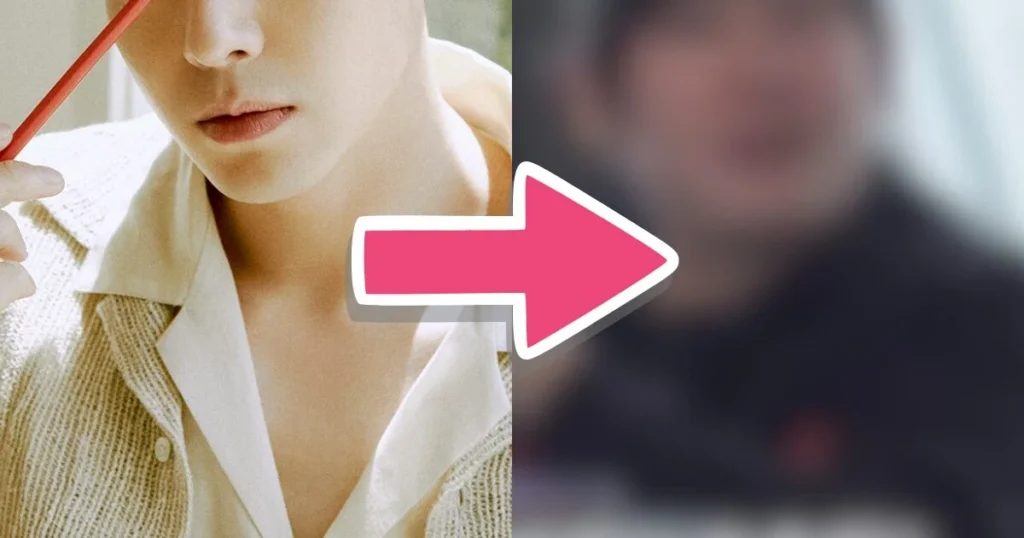

As a cornerstone of the second-generation K-pop movement, Nichkhun has long been held to a rigorous standard of physical perfection. However, the recent discourse highlights a shifting landscape in how the public perceives veteran celebrities who have transitioned from the hyper-maintained lifestyle of an active idol to the more varied career of an actor and television personality.
Historical Context: The "Thai Prince" and the 2PM Legacy
To understand the weight of the current discourse, one must examine Nichkhun’s historical standing within the K-pop hierarchy. Debuting in 2008 under JYP Entertainment, 2PM revolutionized the industry with their "beastly idol" (짐승돌) concept. Unlike the "flower boy" aesthetic prevalent in the mid-2000s, 2PM emphasized masculinity, athleticism, and raw physicality. Nichkhun, despite the group’s rugged image, was often singled out for his "prince-like" visuals—characterized by a small face, large eyes, and a lean, toned frame.

For the better part of a decade, Nichkhun served as a cultural bridge, being one of the first non-Korean idols to achieve massive mainstream success in South Korea. His image was meticulously managed, appearing in high-fashion editorials and serving as the face of numerous luxury brands. This established a psychological baseline for the public; for many, Nichkhun was frozen in time as the pinnacle of youthful, idealized beauty.
The Recent Appearance and Digital Reaction
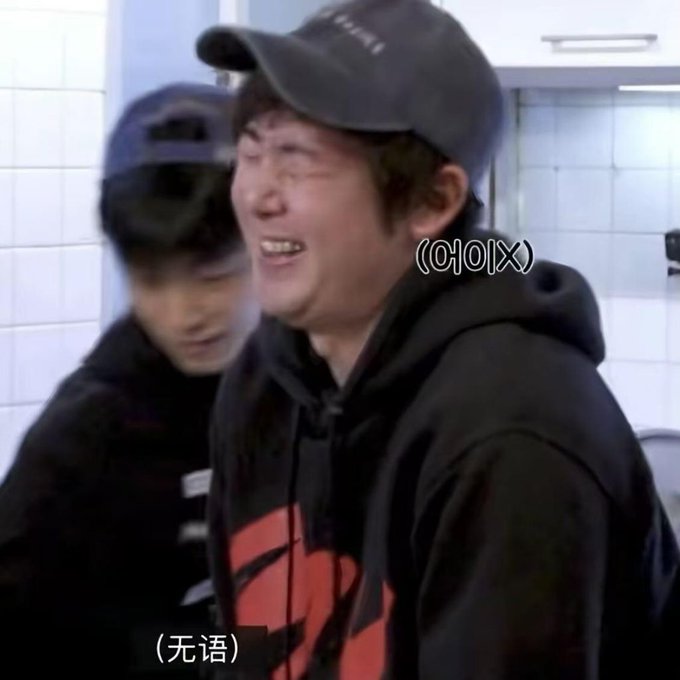
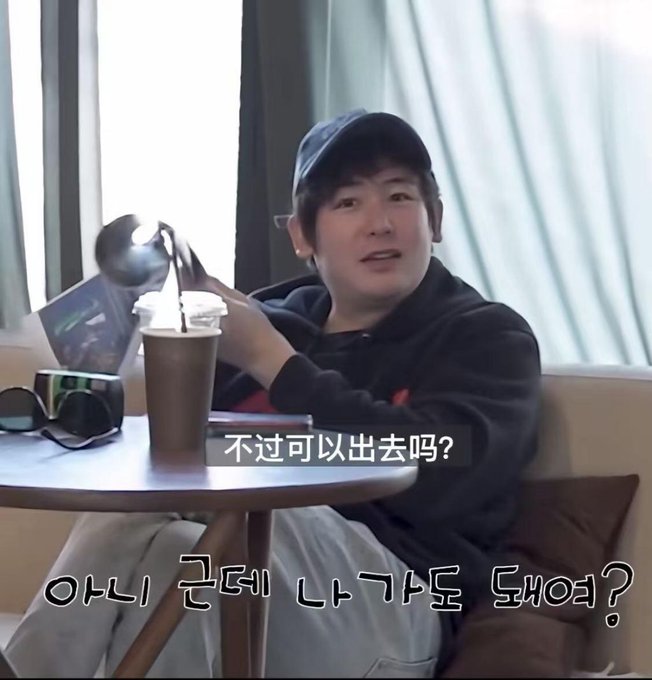
The current discussion was sparked following Nichkhun’s participation in a recent broadcast on May 12, 2026. Screenshots from the program quickly migrated to major Korean online forums such as Pann, the Qoo, and various social media platforms. In these images, the 2PM member appeared with a fuller face and a more relaxed posture compared to his days of intensive choreography and restrictive dieting.
Netizen reactions were swift and divided into three distinct camps. The first group expressed shock, with some users employing harsh rhetoric to describe his physical change. Comments surfaced comparing him to veteran character actor Sung Dong Il, a comparison that suggests a transition from "leading man" visuals to "ahjussi" (middle-aged man) territory. One viral post on a microblogging platform stated that the observer found it "scary" that no one had criticized the idol’s weight gain earlier, reflecting a segment of the audience that still demands strict adherence to idol-era aesthetics.

The second camp, largely consisting of long-term fans (Hottest) and more empathetic observers, came to Nichkhun’s defense. They pointed out that the idol, born in 1988, is now in his late 30s. This group argued that expecting a man nearing 40 to maintain the body of a 20-year-old athlete is both unrealistic and unhealthy. They praised his "comfortable" appearance, suggesting that his current look reflects a person who is at peace with his career and personal life.
The third camp took a more analytical approach, noting that the "Sung Dong Il" comparison, while intended by some as a slight, actually speaks to Nichkhun’s longevity. Sung Dong Il is one of South Korea’s most respected actors; being compared to him—even physically—indicates that Nichkhun is being perceived as a permanent fixture in the entertainment industry rather than a fleeting pop star.
Timeline of Nichkhun’s Visual Evolution
- 2008–2012: The Peak Visual Era. During 2PM’s "Heartbeat" and "Hands Up" eras, Nichkhun was consistently voted as a top visual in K-pop. His physique was defined by extreme leanness and muscularity required for acrobatic performances.
- 2013–2017: Transition to Global Acting. As 2PM began to focus more on individual activities and Japanese promotions, Nichkhun expanded his portfolio into Chinese and Thai cinema. His look remained consistent with the "leading man" archetype.
- 2018–2022: Military Service Era and Group Hiatus. While Nichkhun did not serve in the Korean military due to his Thai citizenship (and his exemption via the lottery system), the group’s hiatus during other members’ enlistments saw him taking on more mature, sophisticated roles.
- 2023–2026: The Veteran Status. Returning to the screen as a mentor and seasoned actor, Nichkhun began to prioritize health and longevity over aesthetic maintenance, leading to the current visual state that has captured public attention.
Analysis of Body Shaming and Industry Standards
The scrutiny faced by Nichkhun is not an isolated incident but a reflection of the intense pressure placed on male idols in South Korea. While female idols have historically faced more public criticism regarding their weight, "visual" male idols are increasingly subjected to similar levels of surveillance. The expectation is for these individuals to maintain a "frozen" state of youth, where any sign of aging or weight fluctuation is viewed as a lapse in professional discipline.
Industry experts suggest that this phenomenon is a byproduct of the "parasocial relationship" fostered by the idol industry. Fans invest emotionally and financially in a specific image of a celebrity. When that image changes due to the natural biological process of aging, it can create a sense of "broken promise" for certain consumers. However, as the second-generation idols enter their late 30s and early 40s, the industry is seeing a slow but steady pushback against these rigid standards.
Broader Implications for the K-pop Industry
Nichkhun’s situation serves as a case study for the "aging idol" problem. As the K-pop industry matures, it must grapple with how to market and maintain its veteran stars. The transition from "Idol" to "Artist" or "Actor" often requires a shift in physical branding. For Nichkhun, appearing more relatable and "mature" could potentially open doors to a wider range of acting roles that were previously unavailable to him when he was strictly viewed as a "pretty boy."
Furthermore, the defense of Nichkhun by a large portion of the public indicates a growing maturity among K-pop fans. The "natural aging" movement, which encourages celebrities to forgo excessive plastic surgery or dangerous dieting in favor of aging gracefully, is gaining traction. By appearing on television without attempting to hide his weight gain or facial changes, Nichkhun is inadvertently participating in this movement.
Official Stance and Future Outlook
While JYP Entertainment and Nichkhun himself have not issued formal statements regarding the netizen commentary—as is typical for minor social media trends—his continued active schedule suggests that his professional standing remains unaffected. Nichkhun remains one of the most bankable stars in Southeast Asia and continues to hold significant influence in the South Korean variety and acting circuits.
The discourse surrounding his weight gain is likely to subside as the public becomes accustomed to his new "mature" image. Historically, veteran idols who undergo physical changes eventually see a shift in public perception where they are respected for their talent and longevity rather than just their appearance.
In conclusion, the attention garnered by Nichkhun’s weight gain is a testament to his enduring relevance. While the initial reaction from some corners of the internet was critical, the broader conversation has shifted toward a more nuanced understanding of aging in the limelight. Nichkhun’s journey from the "Thai Prince" of 2008 to the comfortable, seasoned professional of 2026 mirrors the evolution of K-pop itself—a genre that is learning to value the person behind the persona, even as the "visual" standards of the past begin to fade. As 2PM continues to be a respected name in the industry, the focus remains on their contribution to the Hallyu wave and their ability to navigate the complexities of a career that spans decades.