
The 2026 Metropolitan Museum of Art’s Costume Institute Benefit, colloquially known as the Met Gala, once again solidified its position as the premier event on the global fashion calendar. Held annually on the first Monday in May, the gala serves as the primary source of funding for the Costume Institute and marks the opening of its spring exhibition. This year, a distinct and pervasive trend emerged among the invited guests: the resurgence of the monochromatic white gown. While white has long been a staple of formal wear, the 2026 red carpet saw a diverse array of interpretations, ranging from classical "goddess" silhouettes to avant-garde conceptual pieces. However, the prevalence of the color also sparked significant debate among fashion historians and critics regarding the thin line between high-fashion couture and traditional bridal aesthetics.
The Strategic Shift Toward Monochromatic Minimalism
The 2026 Met Gala theme invited attendees to explore the intersection of nature, technology, and timelessness. For many designers, white served as the ideal canvas to express these concepts, offering a sense of purity and clinical precision. The choice of white is rarely accidental at an event of this magnitude; it is a color that demands perfection in tailoring, as every seam and shadow is visible under the high-intensity flashes of the international press corps.
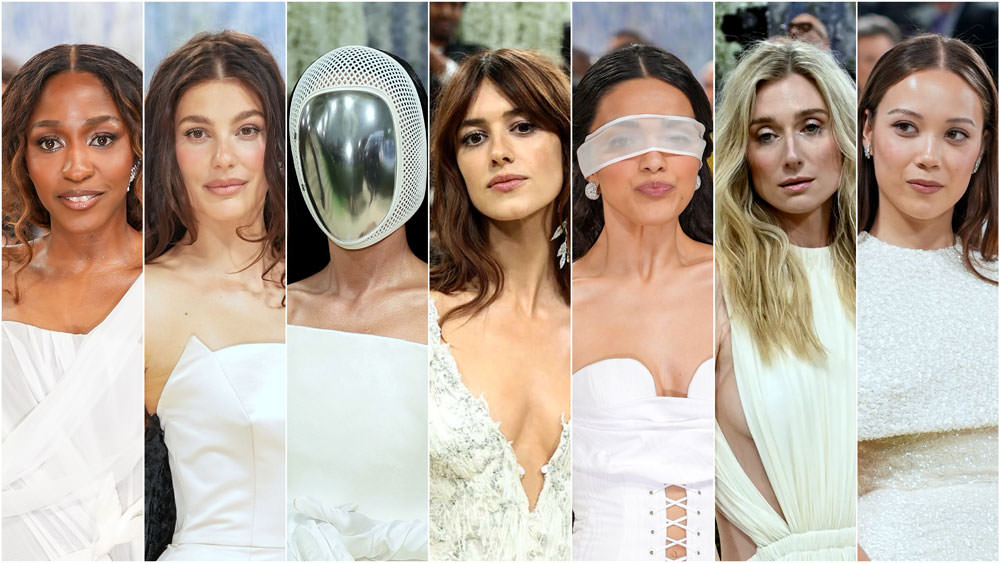
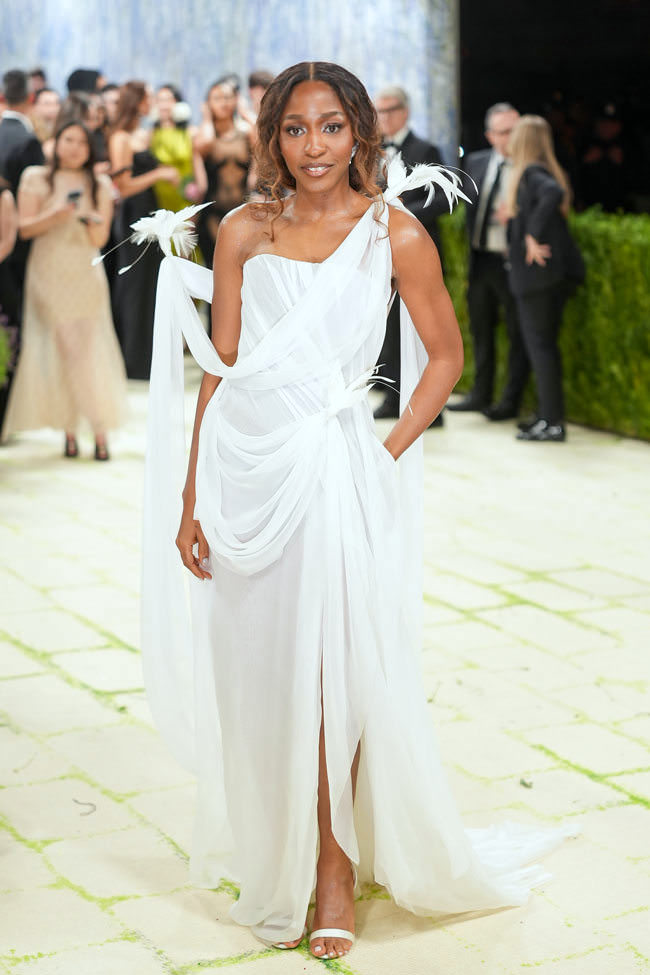
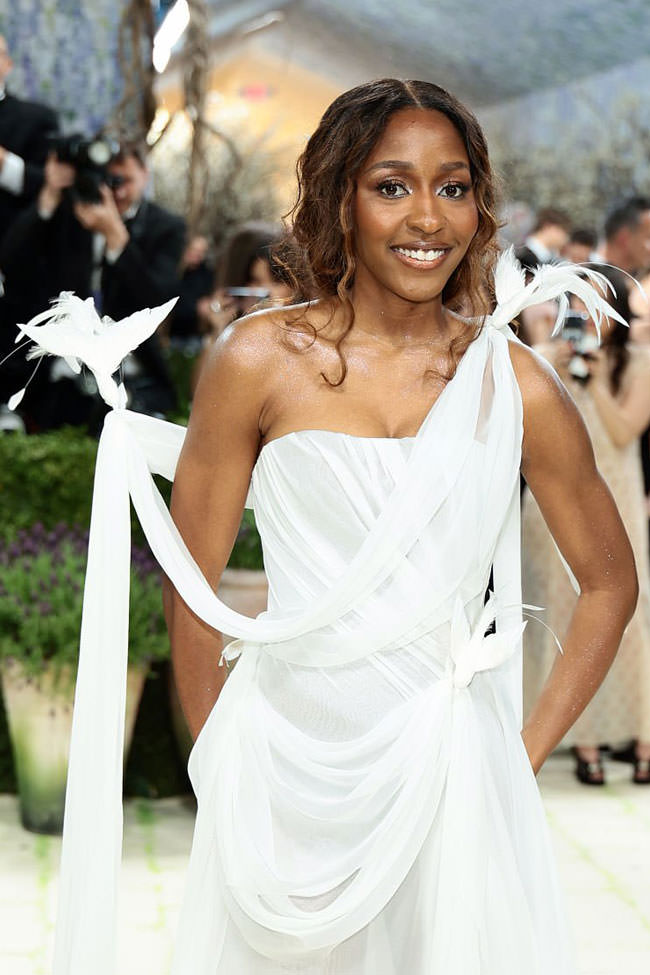
Among the notable figures who adopted this palette was Ayo Edebiri, who appeared in a custom creation by Chanel. The garment featured a relatively traditional foundation but was elevated by intricate, three-dimensional bird motifs. Industry analysts noted that while the base design leaned toward minimalism, the "gimmick" of the avian embellishments provided the necessary thematic link to the evening’s exhibition. Chanel, under its current creative direction, has increasingly leaned into these whimsical yet technically demanding details to appeal to a younger, more digitally savvy audience.
Analyzing the "Bridal" Critique in High Fashion
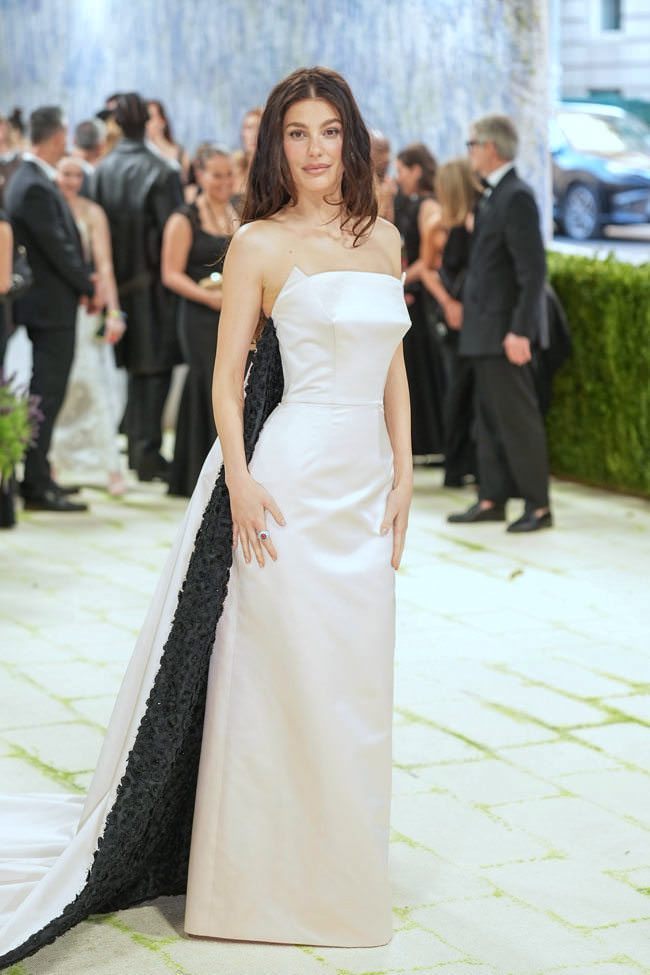
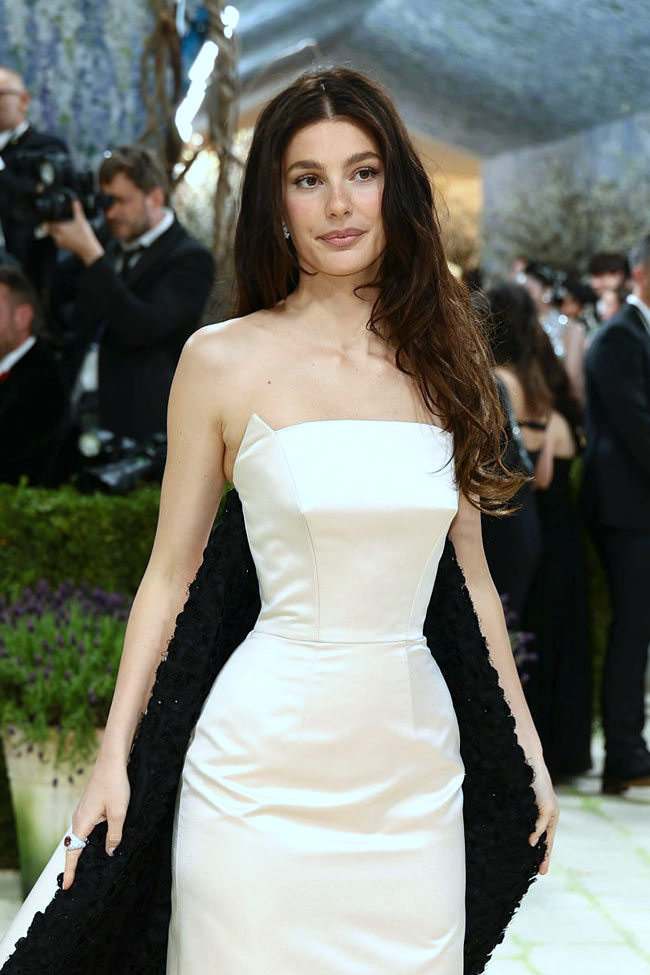
A recurring point of contention during the 2026 red carpet coverage was the "bridal" quality of several high-profile looks. In the context of the Met Gala, being labeled "bridal" is often a critique of a lack of innovation or an over-reliance on conventional silhouettes. Camila Morrone, wearing Tory Burch, became a focal point of this discussion. Her ensemble consisted of a tiered white gown paired with a contrasting black cape. While the cape was intended to provide a modern, incongruous edge to the look, some critics argued the juxtaposition felt unresolved, leaving the underlying gown to be viewed through a wedding-industry lens rather than as a piece of museum-quality couture.
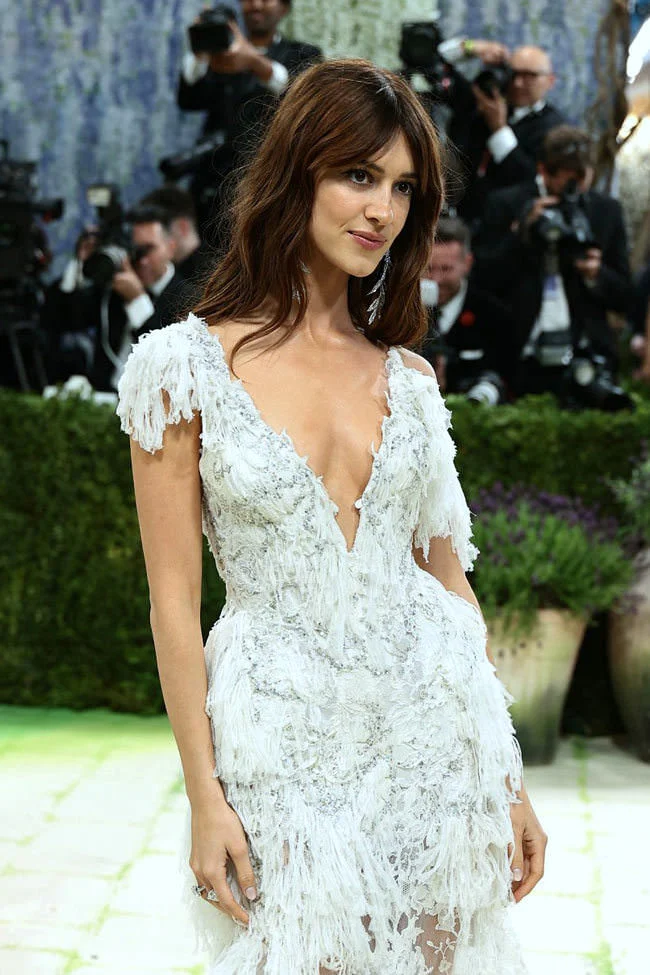
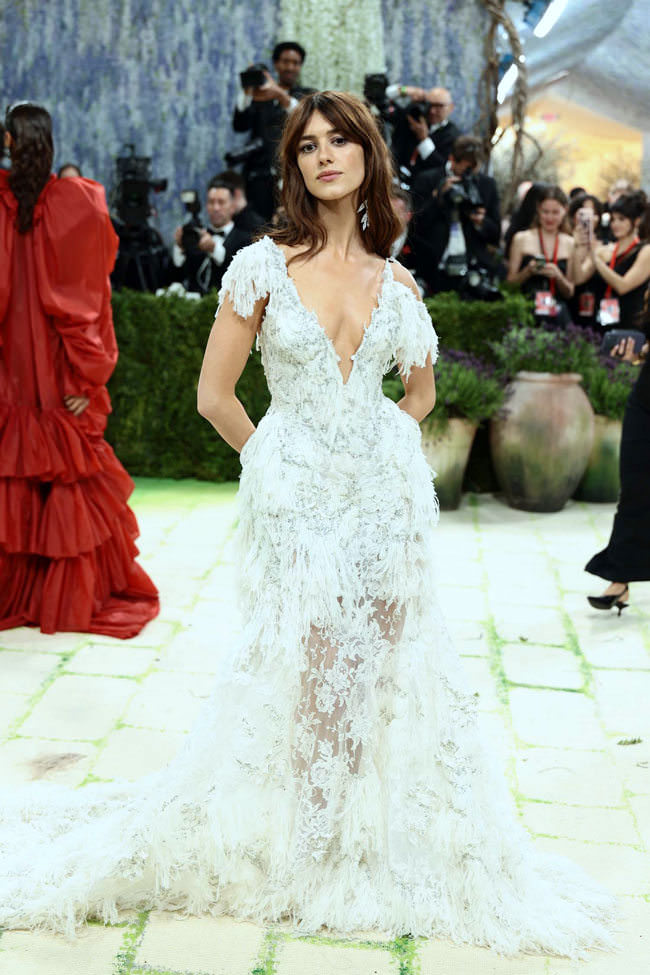
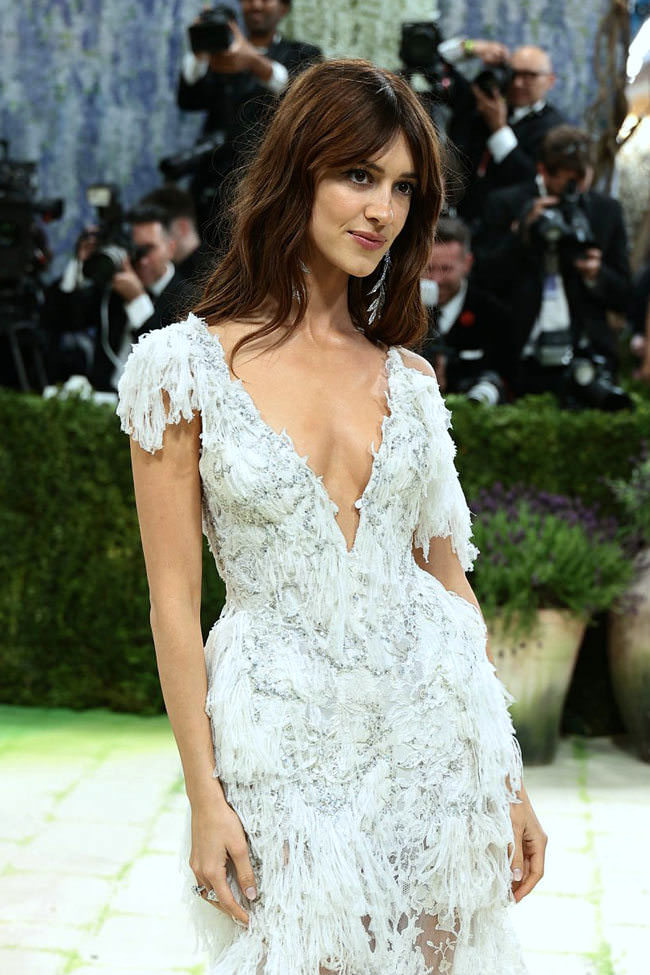
Similarly, Daisy Edgar-Jones arrived in a McQueen ensemble that leaned heavily into traditional femininity. Since the transition in creative leadership at McQueen, the house has explored a softer, more ethereal aesthetic, a departure from the starker, more architectural designs of the past. For Edgar-Jones, the result was a gown that, while technically flawless, was described by some observers as lacking the "theatrical grit" typically expected at the Met Gala.
Conceptual Risks and Avant-Garde Interpretations
While some attendees opted for safety, others used the white palette to take significant conceptual risks. Katy Perry, a perennial favorite for her commitment to the gala’s themes, wore a Stella McCartney piece that polarized onlookers. McCartney, known for her commitment to sustainable luxury, utilized innovative materials to create a structure that challenged the traditional definition of a "gown." The reception was mixed, with some labeling the look as overly conceptual or "dumb" in its impracticality, while others praised it as a necessary disruption of the evening’s more conservative trends.
Rachel Zegler’s appearance in Prabal Gurung further pushed the boundaries of red carpet attire. Her look incorporated a "blindfold" motif, applied both to the facial styling and the bodice of the gown. This choice was interpreted by fashion scholars as a commentary on the "blindness" of society toward environmental or social issues—a common subtext in Gurung’s work. However, from a purely aesthetic standpoint, the design was criticized for being "stale," suggesting that the provocative accessories were unable to mask a lack of innovation in the garment’s structural design.
The Role of Traditional Houses: Vera Wang and Tory Burch
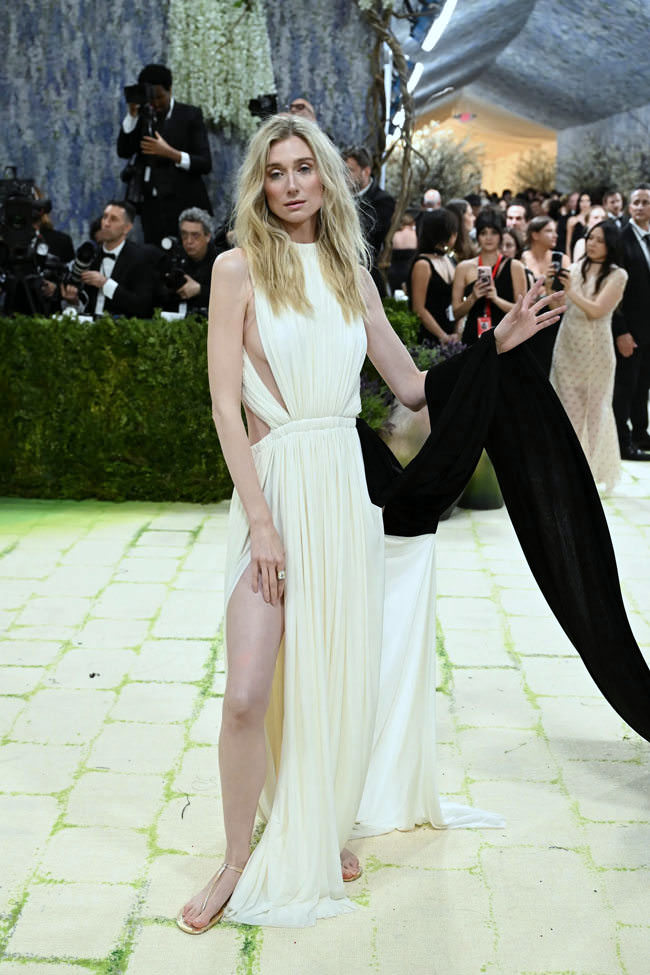
The presence of Vera Wang and Tory Burch on the 2026 red carpet highlighted the different ways American houses approach the Met Gala. Elizabeth Debicki, known for her statuesque presence, wore a Vera Wang design that was met with lukewarm reviews. Critics noted that the garment appeared "drab" and "unflattering," a surprising outcome given Wang’s expertise in draping and Debicki’s experience with high-fashion silhouettes. This underscored a broader trend at the 2026 gala: the difficulty of making a minimalist white gown stand out in a sea of increasingly complex and colorful competitors.
In contrast, Laufey’s appearance in Tory Burch represented the "demure" trend that has gained traction among Gen Z fashion icons. The look was praised for its prettiness and restraint, though it faced the same "bridal" comparisons as Morrone’s ensemble. The consensus among analysts was that these looks would have benefited from more aggressive or contrasting accessories to firmly move them out of the realm of wedding attire and into the sphere of editorial fashion.
Chronology of the 2026 Met Gala Arrivals
The flow of the red carpet is a carefully choreographed event, managed by a team of publicists and Vogue staffers. The chronology of the 2026 arrivals followed a specific pattern designed to build momentum throughout the evening:
- The Early Arrivals (5:30 PM – 6:30 PM): This window featured rising stars and brand ambassadors, including Laufey and Rachel Zegler. These arrivals set the tone for the "white gown" trend that would dominate the night.
- The Established Icons (6:30 PM – 7:30 PM): Actors like Ayo Edebiri and Daisy Edgar-Jones arrived during this peak period, showcasing the mid-tier luxury houses and established couture brands.
- The High-Concept Closers (7:30 PM – 8:30 PM): Katy Perry and other "performance" dressers arrived toward the end of the red carpet walk, ensuring maximum social media impact before the guests entered the museum for the private viewing and dinner.
Economic and Social Media Impact Data
The 2026 Met Gala was not only a cultural event but also a significant economic driver. According to initial data from Launchmetrics, the "Media Impact Value" (MIV) of the white gown trend alone exceeded $120 million within the first 24 hours of the event.
- Ayo Edebiri/Chanel: Generated the highest engagement among the white gown cohort, largely due to the "bird" gimmick which became a viral sensation on platforms like TikTok and Instagram.
- Ticket Prices: For the 2026 gala, individual tickets were reported to cost $75,000, with tables starting at $350,000, typically paid for by fashion houses sponsoring celebrities.
- Sustainability Metrics: Stella McCartney’s gown, though polarizing, was cited in over 400 articles focusing on the use of "bio-fabricated" silk, marking a record for sustainable fashion mentions at the gala.
Official Responses and Editorial Sentiment
In the days following the event, the editorial team at Vogue defended the abundance of white on the red carpet. In a post-gala wrap-up, editors noted that "white is the ultimate expression of the ‘Sleeping Beauties’ sub-theme—a color that represents both the beginning of a garment’s life and its eventual preservation in a museum archive."
However, independent critics were less forgiving. The New York Fashion Review stated, "While the technical execution of the gowns by Wang, Burch, and Gurung cannot be faulted, the lack of imagination in color and silhouette resulted in a red carpet that felt more like a high-end bridal salon than a celebration of the avant-garde."
Broader Implications for the Fashion Industry
The 2026 Met Gala’s focus on white gowns is expected to have a ripple effect across the retail and bridal industries for the 2027 season. Market analysts predict a 15% increase in the demand for "non-traditional bridal" looks—dresses that incorporate the bird motifs seen on Edebiri or the architectural capes seen on Morrone.
Furthermore, the critique of "stale" designs at the Met Gala serves as a warning to major fashion houses. As the cost of attendance and the pressure for viral moments continue to rise, the traditional "pretty" gown may no longer be enough to secure a brand’s relevance. The 2026 event demonstrated that in the absence of color, a garment must rely on extreme structural innovation or provocative storytelling to succeed on the world’s most scrutinized red carpet.
The legacy of the 2026 "white gown" gala will likely be remembered as a year of transition—a moment when the industry grappled with the balance between commercial viability (the "bridal" look) and the artistic mission of the Costume Institute. As the museum prepares for its 2027 exhibition, designers will undoubtedly be looking for ways to move beyond the monochromatic safety of this year’s choices.