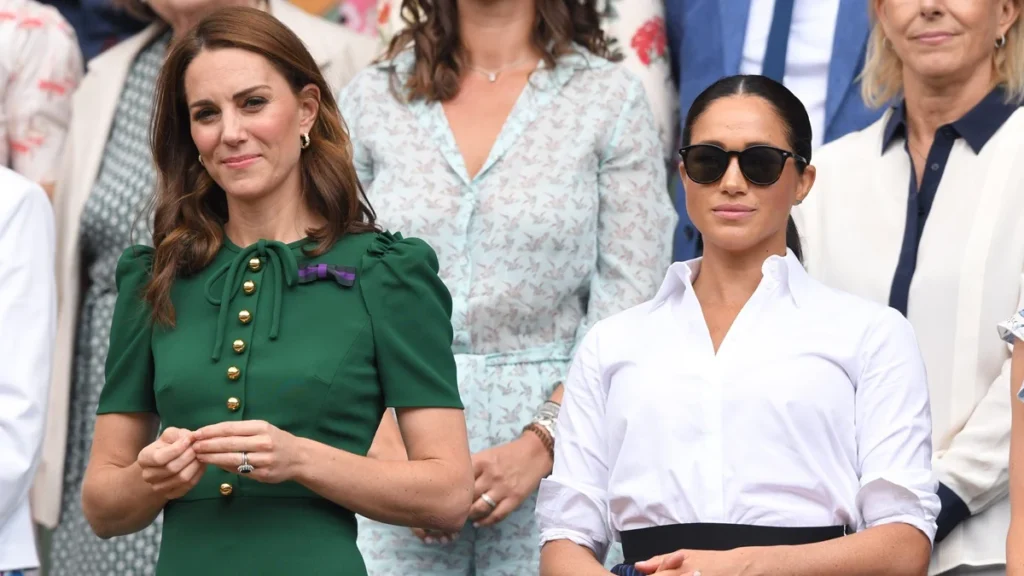

The Duchess of Sussex, Meghan Markle, has reportedly concluded a high-profile four-day visit to Australia alongside her husband, Prince Harry, with a renewed sense of confidence regarding her global influence and her standing relative to the Princess of Wales, Catherine. Following a series of public appearances and philanthropic engagements across the continent, sources close to the Duchess indicate that the trip has served as a pivotal moment in her post-royal career, reinforcing her belief that her personal brand can operate successfully independent of the British Monarchy’s institutional framework. This development comes amid a period of heightened scrutiny for both the California-based Sussexes and the working members of the Royal Family in London, as both factions navigate the complexities of modern public relations and international diplomacy.
The four-day excursion, which saw the Duke and Duchess engage with various local communities and charitable organizations, has been characterized by insiders as a resounding success for the couple’s public image. Reports suggest that Meghan Markle is "absolutely buzzing" following the positive reception they received, viewing the trip as empirical evidence that her "authentic" and "modern" approach to public service resonates more effectively with contemporary audiences than the traditional, protocol-heavy methods employed by the Palace. This sentiment highlights a burgeoning strategy within the Sussex camp to establish a "quasi-royal" presence that mirrors the impact of official state visits while maintaining total autonomy over their narrative and partnerships.
Strategic Significance of the Australian Tour
The choice of Australia for this recent visit is historically and strategically significant. Australia has long been a critical territory for the British Monarchy, often serving as a litmus test for the popularity of royal figures. It was during their first official tour of Australia in 2018, shortly after their wedding, that the Duke and Duchess of Sussex first experienced a massive surge in global popularity, a period often cited as the peak of their time as working royals. Returning to this landscape in an independent capacity appears to have been a calculated move to reclaim that momentum.
During the four-day visit, the couple focused on themes that have become central to their brand: mental health awareness, veterans’ support through the lens of the Invictus Games, and female empowerment. By engaging directly with grassroots organizations rather than strictly adhering to the diplomatic guest lists typical of a Palace-led tour, the Duchess reportedly felt she was able to forge more genuine connections. Sources indicate that this "human-centric" approach is what Meghan believes sets her apart from the Princess of Wales, whose public appearances are often viewed through the prism of centuries-old tradition and institutional constraint.
The Rivalry Narrative and the "Queen of Hearts" Ambition
Central to the reporting surrounding the Australia trip is the perceived competitive dynamic between Meghan Markle and Catherine, Princess of Wales. The source of the current discourse suggests that Meghan views her success in Australia as a "reinforcement" of her ability to "best" Kate in terms of public engagement and global appeal. This internal competition, while often dismissed by official spokespeople, remains a dominant theme in the analysis of the two women’s public roles.
The Duchess is reportedly aiming for the moniker of the "new Queen of Hearts," a title famously associated with her late mother-in-law, Diana, Princess of Wales. Diana’s legacy was built on her perceived ability to bypass royal coldness in favor of emotional vulnerability and direct connection with the marginalized. Insiders claim that the "outpouring of love" received in Australia has convinced Meghan that she is the natural successor to this legacy. For Meghan, the Australia trip was not merely a philanthropic endeavor but a proof of concept: that her star power does not require the "Palace machine" to shine and that, in a head-to-head comparison of modern relatability, she believes she holds the advantage.
Historical Context: From the 2018 Tour to Independent Engagements
To understand the weight of this recent trip, one must look at the chronology of the Sussexes’ relationship with Australia. In 2018, their 16-day tour of Australia, Fiji, Tonga, and New Zealand saw them undertake 76 engagements. It was during this tour that the couple announced Meghan’s first pregnancy, sparking a "Sussex-mania" that dominated global headlines. However, as detailed in Prince Harry’s memoir Spare, that very success allegedly caused friction within the Royal Family, as the couple’s popularity reportedly eclipsed that of more senior members.
The 2024/2025 context is markedly different. Now operating through Archewell Productions and their various media ventures, the Sussexes are no longer funded by the Sovereign Grant or protected by the Buckingham Palace communications team. This recent four-day trip was a lean, targeted operation designed to maximize social media impact and reinforce their status as global icons. The shift from "Royal Tour" to "Independent Global Engagement" represents a new chapter in how public figures can exert "soft power" without the backing of a nation-state or a crown.
Comparative Analysis of Public Perception and Data
While internal sources suggest a high level of confidence within the Sussex camp, public opinion data presents a more nuanced picture. According to recent YouGov polling in the United Kingdom, the Princess of Wales remains one of the most popular members of the Royal Family, frequently maintaining an approval rating above 70%. In contrast, the Duke and Duchess of Sussex have seen their popularity fluctuate significantly since their move to the United States in 2020.
However, the "Sussex brand" often performs differently in international markets compared to the UK. In the United States and parts of the Commonwealth, Meghan’s "modern" and "activist" approach to royalty finds a more receptive audience among younger demographics (Gen Z and Millennials). The Australia trip appears to have targeted these specific cohorts. Data from social media engagement during the four-day tour showed a significant spike in positive sentiment across platforms like TikTok and Instagram, where the Duchess’s fashion choices and candid interactions were widely shared. This "digital-first" royalty is where Meghan believes she can outperform the traditional institutional model.
The "Quasi-Royal" Future and Prince Harry’s Role
While the Duchess is focused on her multi-faceted career—ranging from media production to lifestyle branding—Prince Harry reportedly views these international visits through a different lens. Sources suggest that the Duke sees this "quasi-royal" life as his "destiny." Despite his estrangement from the core of the British Monarchy, Harry remains a prince by birth and appears committed to a life of service that mirrors the duties he once performed, albeit on his own terms.
The Australia trip showcased a synergy between the couple’s goals: Harry’s desire to maintain his status as a global humanitarian and Meghan’s ambition to build a powerhouse personal brand. The source noted that for Meghan, the Australia trip is just "one of many irons she has in the fire," including her upcoming lifestyle brand, American Riviera Orchard, and various Netflix projects. The success of the tour provides a halo effect that benefits all her commercial and philanthropic ventures simultaneously.
Broader Implications for the British Monarchy
The success of independent tours by the Sussexes poses a unique challenge to Buckingham Palace. If a non-working royal can generate the same level of international media coverage and public excitement as an official state visit, it raises questions about the necessity of the institutional "machine" that Meghan reportedly feels she has outgrown.
Furthermore, the timing of this confidence boost for the Duchess coincides with a period of transition for the Royal Family in London. With King Charles III and the Princess of Wales both managing health challenges in recent months, the "working" royal roster has been thinned. The Sussexes’ ability to step into the international spotlight and command attention creates a competing narrative of what the monarchy—or its offshoots—should look like in the 21st century.
Conclusion and Future Outlook
As the Duke and Duchess of Sussex return to their home in Montecito, the fallout from the Australia trip is likely to influence their strategy for the coming year. Insiders indicate that there are "plenty of places to travel to next," suggesting that the "quasi-royal" tour model will become a staple of their public life.
The belief that Meghan can "best" the Princess of Wales is a high-stakes gamble in the court of public opinion. While Catherine remains the quintessential symbol of the British state and its enduring traditions, Meghan is positioning herself as the symbol of a new, borderless celebrity-royalty. Whether the "Queen of Hearts" mantle can truly be claimed in the modern era remains to be seen, but the Australia trip has clearly provided the Duchess of Sussex with the momentum she believes is necessary to pursue that goal. The "fire" that has been lit under her suggests that the competition for global influence between the houses of Montecito and Windsor is far from over; it has merely entered a more assertive and independent phase.