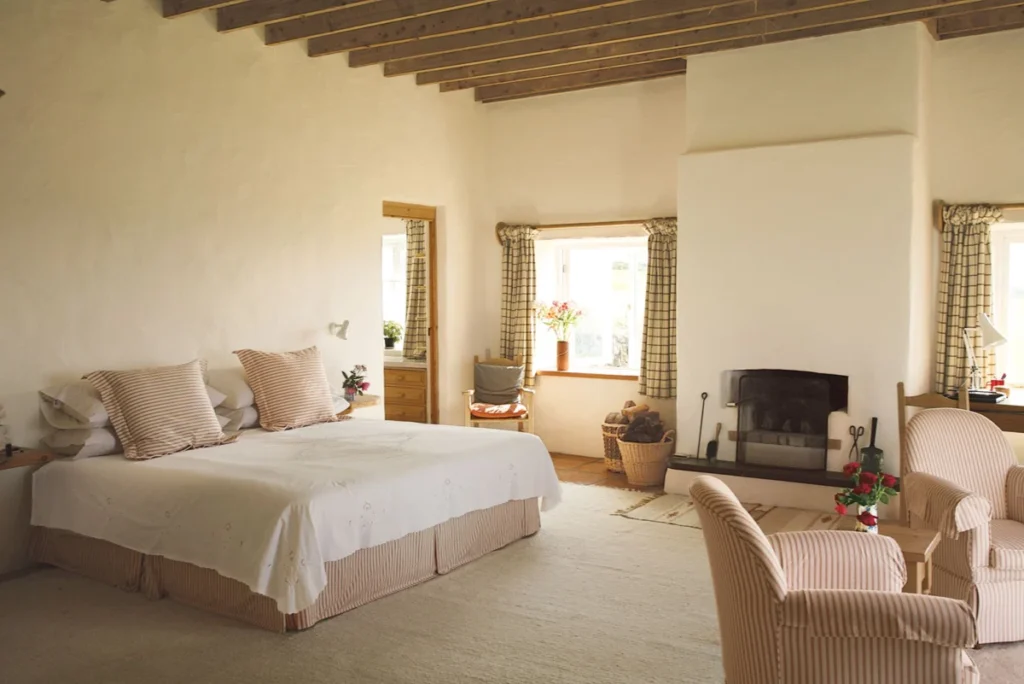

The contemporary interior design landscape is currently witnessing a significant pivot toward "soft minimalism," a movement characterized by the prioritization of tactile comfort, muted palettes, and functional versatility. Central to this shift is the resurgence of the slipcovered bed frame, a piece of furniture that bridges the gap between the structured formality of traditional upholstery and the effortless, "undone" look of high-end linen bedding. While often confused with standard upholstered beds, the slipcovered variant distinguishes itself through a specific design ethos: it typically features a low-profile silhouette, a tightly tailored fabric cover that reaches the floor, and a focus on natural textiles like linen or high-performance blends. This aesthetic choice reflects a broader societal trend toward reengineering the bedroom as a "sleep sanctuary," where visual noise is minimized to promote rest and recovery.
The Evolution of the Bedroom Aesthetic: From Architecture to Atmosphere
Historically, the bed frame served as a statement of architectural dominance within the home. Solid wood frames, towering wingback headboards, and intricate wrought iron designs were intended to declare the importance of the room and the status of its occupants. However, as the global sleep economy—now valued at over $500 billion—continues to expand, consumer preferences are moving away from "showmanship" and toward "cocooning."
Industry analysts note that the modern consumer views the bedroom not as a showroom, but as a recovery zone. This has led to the decline of hard-edged furniture in favor of pieces that invite physical contact. Slipcovered beds, with their padded frames and soft fabric edges, remove the literal and metaphorical "hard corners" of the room. By extending the fabric to the floor, these beds also mimic the appearance of a continuous soft surface, which psychologists suggest can lower stress levels and signal to the brain that the environment is safe for rest.

Market Trends and the Direct-to-Consumer Influence
The proliferation of high-quality slipcovered beds has been accelerated by the rise of direct-to-consumer (DTC) furniture brands. Companies such as Quince and Lulu & Georgia have disrupted the traditional furniture retail model by offering premium materials—such as 100% European flax linen—at price points that were previously inaccessible to the average shopper. This democratization of luxury materials has made the "relaxed elegance" aesthetic a staple of modern middle-class interior design.
Data from retail market reports indicate a 15% year-over-year increase in searches for "performance linen" and "washable upholstery" as of late 2023. This suggests that while consumers desire the look of natural fibers, they are also prioritizing longevity and ease of maintenance—two hallmarks of the modern slipcovered bed.
Comparative Analysis of Leading Slipcovered Bed Models
To understand the diversity within this category, it is essential to examine the specific models currently leading the market. Each represents a different segment of the consumer base, from budget-conscious minimalists to those seeking "farmhouse chic" or urban storage solutions.
1. The Entry-Level Minimalist: Quince Slipcover Bed
The Quince Slipcover Bed represents the "Budget Shopper" segment, utilizing a 100% linen performance fabric. Its design is intentionally understated, featuring a 48-inch headboard and a hardwood frame. The primary appeal here is the removable nature of the slipcover, which addresses a long-standing grievance with traditional upholstered beds: the difficulty of cleaning. For consumers who enjoy the ritual of coffee in bed, the ability to remove and wash the entire exterior of the bed frame is a significant functional upgrade.
.jpeg)
2. The Maximalist Departure: Lulu and Georgia Westmont Platform Bed
Contradicting the notion that slipcovered beds must be neutral, the Lulu and Georgia Westmont Platform Bed introduces pattern and texture. With ruffled linings and bold prints, this model targets the "Grandmillennial" or maximalist demographic. Unlike its minimalist counterparts, this model often features non-removable upholstery, positioning it more as a permanent piece of "soft architecture" rather than a utilitarian sleep tool.
3. The High-End Traditionalist: McGee & Co. Henrietta Bed
Representing the "Modern Farmhouse" aesthetic popularized by designers like Shea McGee, the Henrietta Bed focuses on structural quality. Utilizing eucalyptus and ash wood—materials known for their durability and grain consistency—this model targets the luxury tier. The inclusion of traditional patterns like oxford stripes and gingham suggests a nostalgia for heritage design, updated with the soft edges of contemporary slipcovering.
4. The Urban Utility Solution: West Elm Torin Storage Bed
In metropolitan markets where square footage is at a premium, the slipcovered bed has evolved to include hidden storage. The West Elm Torin model utilizes a hydraulic lift mechanism, allowing the mattress to be raised to reveal storage space. This model often uses polyester blends to keep costs down and durability up, though it sacrifices some of the breathability associated with natural linen.
5. The "New Traditional" Detail: Kathy Kuo Home Marie Pleated Bed
The Marie Pleated Bed highlights the "pleated detail" trend, which draws inspiration from 1970s luxury hotel aesthetics. By using textured fabrics that evoke tweed or heavy wool, this design caters to consumers looking for "minimalism with personality." The precision of the pleating demonstrates that slipcovering can be as formal and disciplined as traditional upholstery when executed with high-level craftsmanship.

Material Science: The Shift to Performance Linen
The popularity of slipcovered beds is inextricably linked to advancements in textile science. Traditionally, linen was considered too fragile for heavy-use upholstery. However, the development of "performance linen"—which often involves treating natural fibers with a stain-resistant coating or blending them with small amounts of synthetic fibers—has changed the landscape.
Linen is prized in the bedroom for its thermoregulating properties and its lower environmental footprint compared to cotton. Flax, the plant from which linen is derived, requires significantly less water and fewer pesticides than cotton. Furthermore, the "wabi-sabi" nature of linen—the idea that it looks better with slight wrinkles and age—aligns perfectly with the casual elegance that slipcovered beds aim to achieve.
The Practical Advantage: Under-Bed Storage and Maintenance
Beyond aesthetics, the slipcovered bed offers a unique solution to the perennial problem of under-bed clutter. Because the upholstery reaches the floor, it acts as a built-in bed skirt. This allows users to utilize the space under the bed for storage without the visual mess typically associated with plastic bins or boxes.
Maintenance remains the strongest selling point for the slipcovered category. In a traditional upholstered bed, a spill often requires professional steam cleaning, which can be costly and inconvenient. With a slipcovered frame, the "skin" of the bed can be removed. While some manufacturers recommend dry cleaning to prevent shrinkage—particularly with 100% linen—the ability to refresh the bed’s exterior extends the life of the furniture by years, if not decades.
.jpeg)
Implications for the Future of Interior Design
The rise of the slipcovered bed frame is more than a fleeting trend; it is an indication of a fundamental shift in how people inhabit their homes. As the boundaries between work and life continue to blur, the bedroom has become the final frontier of true privacy and relaxation. The move toward low-impact, high-comfort furniture suggests that consumers are increasingly prioritizing their internal well-being over external display.
From a manufacturing perspective, the success of these models is likely to lead to more modular furniture designs. We can expect to see a future where consumers purchase a high-quality "core" frame and swap out slipcovers seasonally—using heavy velvets in the winter and breathable linens in the summer.
Conclusion
The slipcovered bed frame successfully synthesizes the demands of modern living: the need for aesthetic beauty, the requirement for functional maintenance, and the psychological desire for a soft, inviting environment. By moving away from the "dominance" of traditional wood and metal frames and embracing the "undone" luxury of textiles, the interior design industry is providing a blueprint for a more restful, lived-in home. Whether through the budget-friendly linen of DTC brands or the high-design pleats of luxury houses, the slipcovered bed has established itself as a cornerstone of the contemporary sleep sanctuary.