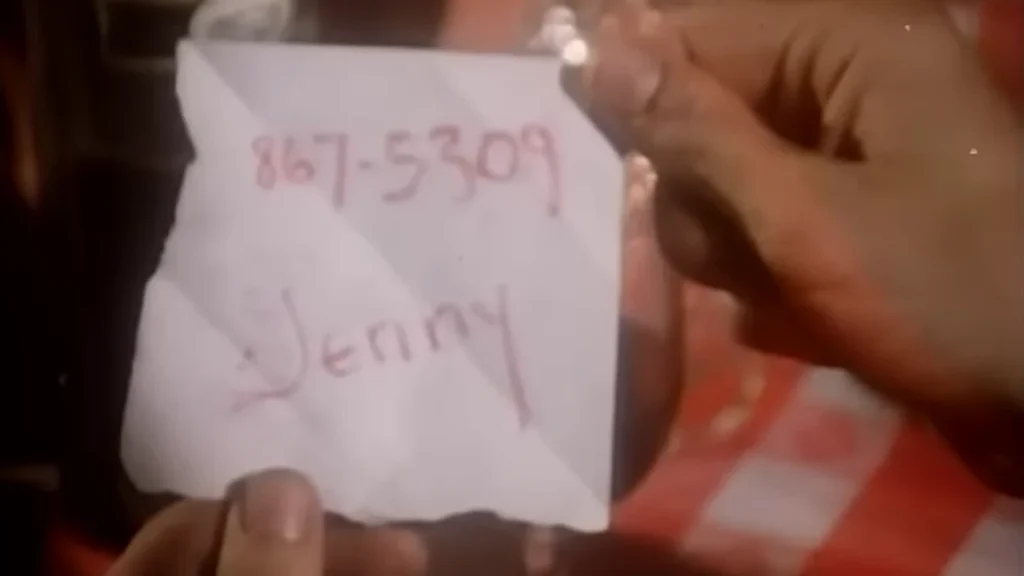

The globally recognized nonprofit organization Cancer Support Community (CSC) has strategically repurposed one of the most famous and culturally ingrained phone numbers in music history, 867-5309, transforming it into a vital lifeline for individuals affected by cancer. Effective this month, anyone seeking immediate support, personalized guidance from trained specialists, or trusted information related to cancer can dial CSC-867-5309 (272-867-5309) and be connected directly to the Cancer Support Community’s helpline. This innovative initiative, spearheaded by CSC in collaboration with Gilda’s Club locations and various healthcare partner sites, leverages the indelible mark left by Tommy Tutone’s 1981 hit "867-5309/Jenny" to create an unforgettable access point for crucial assistance.
The Genesis of a New Purpose: Leveraging Pop Culture for Critical Support
The decision by the Cancer Support Community to adopt the iconic 867-5309 number represents a groundbreaking approach to public health outreach. Rather than inventing a new, potentially forgettable number, CSC recognized the unique opportunity to harness the pervasive cultural memory associated with the song. For decades, the digits 8-6-7-5-3-0-9 have been spontaneously sung, dialed, or referenced in popular discourse, often leading to prank calls or encounters with bewildered private individuals and businesses who inadvertently held the number. Now, this ubiquitous sequence is imbued with a profound new meaning, shifting from a pop culture novelty to a beacon of hope and practical assistance for millions.
The strategic brilliance of this move lies in its inherent memorability. In moments of crisis, such as a new cancer diagnosis or a challenging phase of treatment, individuals and their families are often overwhelmed. Remembering a complex phone number can be an added burden. By associating their helpline with a number already deeply embedded in the collective consciousness, CSC aims to simplify access to support services, making it a natural, almost instinctive recall for those in need. This is particularly vital in a landscape where accessible, reliable information and emotional support are paramount for navigating the complexities of a cancer journey.
A Number Etched in Pop Culture: The Enduring Legacy of "867-5309/Jenny"
To fully appreciate the significance of this transformation, one must delve into the remarkable history of the number’s pop culture origins. Tommy Tutone’s "867-5309/Jenny" was released in November 1981, emerging during an era of new wave and power pop music. The song, with its catchy guitar riff and insistent, unforgettable chorus, quickly captivated audiences. It soared on the charts, peaking at an impressive No. 4 on the Billboard Hot 100 on May 22nd, 1982, cementing its place as one of the decade’s defining one-hit wonders.
The song’s immediate and lasting impact was largely due to the titular phone number. Almost instantly, "867-5309" transcended its musical context, becoming a nationwide phenomenon. Thousands, if not millions, of calls were made daily to the number across various area codes, driven by curiosity, amusement, or a genuine (if misguided) attempt to connect with the elusive "Jenny." This surge in calls led to widespread confusion, annoyance for unsuspecting individuals and businesses who happened to possess the number, and even reports of phone lines being overwhelmed. Local phone companies and individual subscribers faced an unprecedented deluge of inquiries, turning a simple set of digits into a cultural touchstone and, for some, a persistent nuisance.
The origins of "Jenny" herself and the number have been a subject of debate for decades. While lead singer Tommy Heath and lead guitarist Jim Keller have at various times suggested Jenny was a real person they knew, the song’s co-writer, Alex Call, famously debunked this myth. In a 2004 interview with Songfacts, Call stated unequivocally, "There was no Jenny. I don’t know where the number came from, I was just trying to write a 4-chord rock song and it just kind of came out." Regardless of its fictional genesis, the number’s profound cultural penetration is undeniable. It became a piece of shared American folklore, a jingle that everyone knew, a piece of musical trivia that resonated across generations. This deep cultural embedding is precisely what the Cancer Support Community is now harnessing for a higher purpose.
The Voices Behind the Transition: Official Statements and Perspectives
The transition of 867-5309 into a cancer helpline has been met with enthusiasm from all parties involved, underscoring the potential for significant positive impact.
Tommy Heath, the lead singer of Tommy Tutone, expressed profound satisfaction with the number’s new, meaningful role. "When we recorded ‘Jenny/867-5309,’ none of us imagined that number would still be stuck in people’s heads decades later," Heath remarked in a statement. His sentiment reflects a common experience for artists whose work takes on a life far beyond their initial intentions. He continued, "If that little piece of pop culture can now help someone remember Cancer Support Community’s and Gilda’s Club’s Helpline and connect them to real people, real community, and real support, that’s incredibly meaningful to us." This statement highlights a touching evolution for the band, seeing their playful creation repurposed for genuine societal good. It transforms a legacy of catchy pop into one of tangible aid and compassion.
Sally Werner, CEO of the Cancer Support Community, articulated the critical need that the helpline addresses. Werner stated that the CSC helpline already receives over 20,000 calls annually from individuals impacted by cancer who are seeking connection and support during incredibly difficult times. The sheer volume of these calls underscores the immense demand for accessible, expert guidance. "By anchoring CSC-867-5309 into the public consciousness," Werner explained, "we’re ensuring that when someone is impacted by cancer, Cancer Support Community and Gilda’s Clubs are the first place they turn to." This strategic move aims not just to provide a number, but to engrain CSC as the go-to resource, reducing the time and effort individuals spend searching for help during an already stressful period.
Beyond the direct statements, the initiative likely resonates deeply within the broader healthcare community. Healthcare professionals and partner organizations are continuously seeking innovative ways to improve patient outcomes, which extend beyond medical treatment to holistic psychosocial support. An easily remembered helpline could be invaluable in ensuring patients and caregivers receive timely emotional and practical assistance, preventing isolation and improving quality of life. The collaboration with Gilda’s Club locations, which provide free social and emotional support to those living with cancer, further strengthens the network of care accessible through this new number. This partnership exemplifies a unified front in tackling the comprehensive needs of cancer patients.
Supporting Data: The Critical Need for Accessible Cancer Support
The repurposing of 867-5309 comes at a time when the demand for comprehensive cancer support services is higher than ever. Cancer remains a leading cause of morbidity and mortality worldwide. According to the World Health Organization (WHO), cancer is the second leading cause of death globally, responsible for an estimated 9.6 million deaths in 2018. In the United States, the American Cancer Society projects over 2 million new cancer cases in 2024, with millions more living as survivors or caring for loved ones with the disease. These statistics underscore the vast number of individuals whose lives are touched by cancer annually.
Beyond the clinical diagnosis and treatment, the psychosocial impact of cancer is profound. Patients and their families frequently experience significant emotional distress, including anxiety, depression, fear of recurrence, and feelings of isolation. Financial burdens, navigating complex healthcare systems, and managing treatment side effects add further layers of stress. A 2018 study published in JAMA Oncology found that nearly half of all cancer patients experience psychological distress, emphasizing the critical need for mental health and support services. Caregivers, too, often face immense strain, requiring their own networks of support and information.
Helplines like the one offered by CSC play a crucial role in addressing these multifaceted challenges. They provide immediate access to trained specialists who can offer empathetic listening, evidence-based information, and referrals to local resources such as support groups, financial assistance programs, and counseling services. Data consistently shows that psychosocial support improves patients’ quality of life, reduces distress, and can even enhance adherence to medical treatments. For instance, a report by the National Cancer Institute highlights that comprehensive supportive care, including psychological interventions, can significantly mitigate the negative impacts of cancer. The Cancer Support Community, through its network of over 175 locations and digital resources, serves as a vital hub for this essential support, making the 20,000 annual calls to their helpline a clear indicator of the existing, unmet need.
Timeline of an Iconic Number’s Transformation
The journey of 867-5309 from pop culture phenomenon to critical support line is a unique chronology:
- November 1981: Tommy Tutone releases "867-5309/Jenny" as a single. Its infectious melody and memorable phone number immediately capture public attention.
- May 22, 1982: The song peaks at No. 4 on the Billboard Hot 100, solidifying its status as a major hit and further embedding the number into American cultural consciousness.
- 1980s-2000s: The number 867-5309 becomes a subject of widespread prank calls, a cultural reference in movies and TV, and a persistent source of amusement and frustration for those who unwittingly held the number in various area codes. Businesses occasionally attempt to acquire the number for marketing stunts.
- Mid-2000s onward: The Cancer Support Community, an organization with roots dating back to the formation of the Wellness Community and Gilda’s Club in the 1980s and 1990s, continues to expand its reach, offering vital support programs for cancer patients and their families. Their existing helpline becomes a critical service, handling thousands of calls annually.
- Recent Past (Leading up to announcement): CSC leadership and strategic partners identify the unique opportunity to leverage the cultural ubiquity of 867-5309. Extensive planning, legal considerations, and logistical arrangements are undertaken to acquire and designate the number for the helpline. Discussions likely involve Tommy Tutone representatives to secure their endorsement and ensure a respectful transition.
- This Month (Effective Date): The Cancer Support Community officially launches CSC-867-5309 (272-867-5309) as its dedicated cancer helpline. The announcement marks a significant moment where a piece of pop culture history is repurposed for a profound humanitarian cause.
Broader Implications and Future Outlook
The adoption of 867-5309 by the Cancer Support Community carries several broader implications, setting a potential precedent for how non-profit organizations might engage with popular culture for social good.
Innovation in Non-Profit Marketing: This initiative represents a highly innovative and cost-effective marketing strategy. Instead of investing heavily in traditional advertising to brand a new helpline number, CSC has tapped into an existing, universally recognized cultural artifact. This approach can significantly enhance brand recognition and call volume for minimal marketing expenditure, proving the power of creative cultural engagement. It challenges traditional notions of how non-profits can reach their target audiences, encouraging a fresh look at leveraging shared cultural touchstones.
Leveraging Pop Culture for Social Good: The transformation of 867-5309 exemplifies the potential of pop culture to serve a purpose far beyond entertainment. By imbuing a lighthearted, almost whimsical, piece of music history with a serious, life-affirming function, CSC demonstrates how cultural artifacts can be recontextualized to address critical societal needs. This could inspire other organizations to explore similar avenues, finding new ways to connect with the public using shared cultural references.
Enhanced Accessibility and Awareness: The sheer memorability of the number is expected to dramatically increase awareness of CSC’s helpline. In moments of stress and vulnerability, the ability to recall a number instantly can be life-changing. This enhanced accessibility is not just about ease of dialing; it’s about reducing barriers to seeking help, fostering a sense of immediate availability, and potentially reaching individuals who might otherwise struggle to find support. It also helps to normalize the conversation around cancer support, integrating it into everyday cultural knowledge.
Potential Challenges and Continued Vigilance: While the initiative is largely positive, it will present certain challenges. The expected increase in call volume will necessitate robust infrastructure and sufficient staffing of trained specialists to ensure every caller receives timely, high-quality support. Maintaining the integrity of the service and ensuring that the cultural novelty does not overshadow the serious nature of the helpline’s purpose will be crucial. CSC will need to monitor public perception and adjust its outreach as needed.
The Enduring Legacy: Ultimately, the story of 867-5309 has evolved from a catchy tune and a prank call magnet to a symbol of compassionate outreach. This transformation solidifies the number’s place in history, not just as a pop culture relic, but as a beacon of hope for millions. It underscores the profound impact that creative thinking and strategic vision can have in bridging the gap between those in need and the vital resources available to support them through life’s most challenging journeys. The legacy of "Jenny" is no longer just about a fictional girl and a catchy melody; it’s about real people, real struggles, and the very real support that is now just a phone call away.