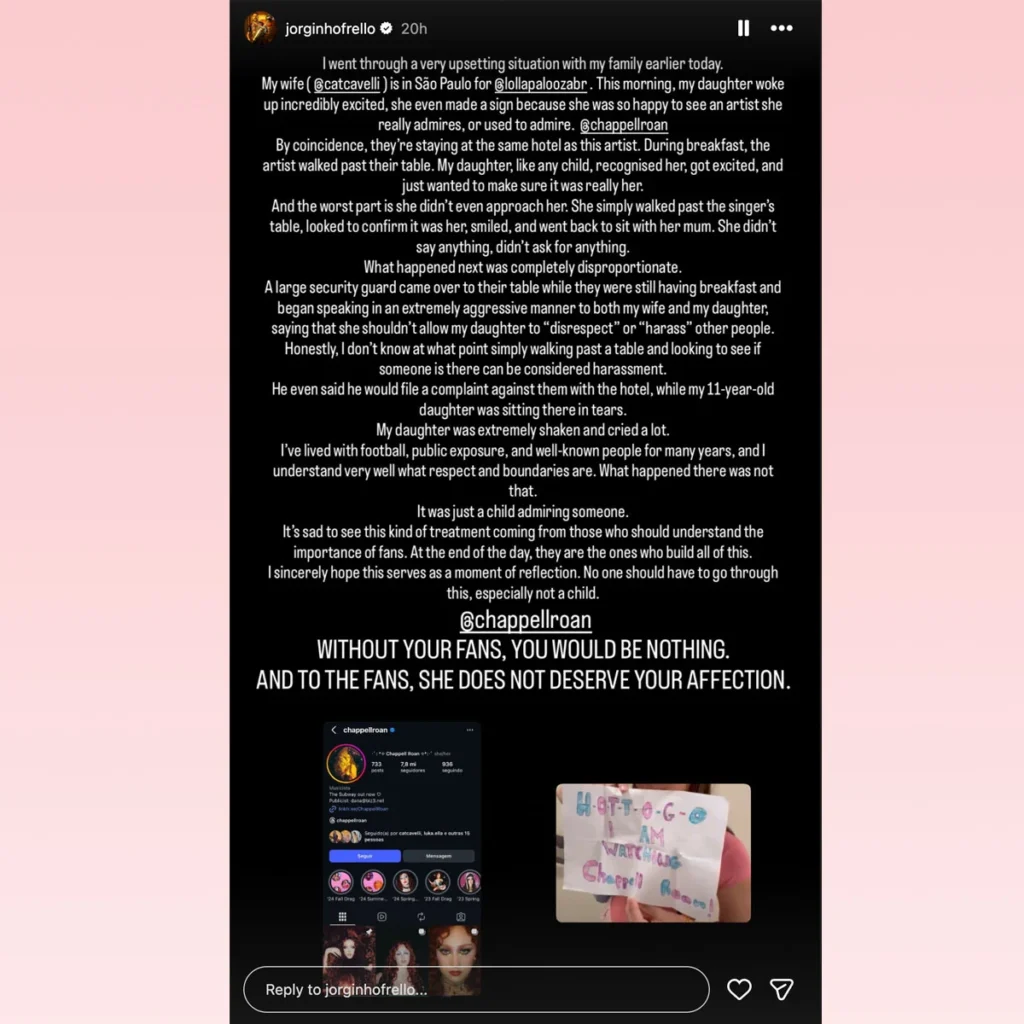

Pop sensation Chappell Roan, known for her vibrant stage persona and rising fan base, has found herself at the center of a significant public relations firestorm following an alleged incident involving her security team and the 11-year-old daughter of professional soccer player Jorginho Frello. The controversy, which unfolded during Lollapalooza Brazil, rapidly escalated from a personal grievance shared on social media to a broader debate on celebrity-fan interactions, security protocols, and public responsibility, even drawing an official response from a prominent Brazilian politician.
The Accusation: Jorginho Frello’s Instagram Outcry
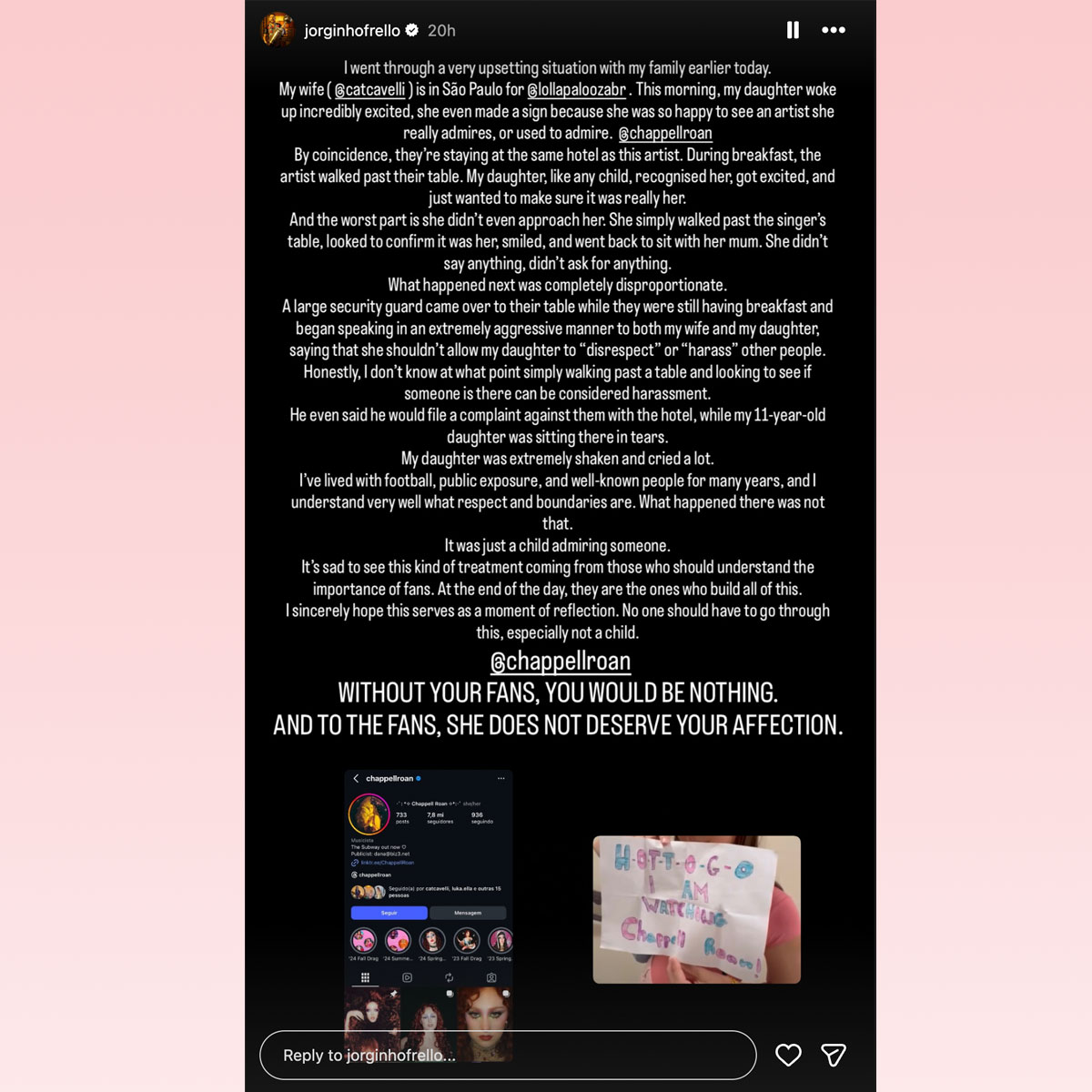
The saga began on a recent Saturday when Jorginho Frello, a celebrated midfielder for Arsenal and the Italy national team, took to Instagram to voice a "major grievance" against the "Pink Pony Club" singer. In a detailed, impassioned message posted to his Story in both Portuguese and English, the 34-year-old athlete recounted a distressing encounter involving his wife, Catherine Harding (also known as Cat Cavelli), and their daughter, who was attending Lollapalooza Brazil.
According to Frello, his daughter, an ardent admirer of Chappell Roan, was "incredibly excited" to potentially see the artist. The family’s stay at the same São Paulo hotel as Roan proved to be a fateful coincidence. During breakfast, as Roan walked past their table, Frello’s daughter, "like any child," recognized her idol. Frello emphasized that the child did not approach Roan, nor did she utter a word or request anything. Her interaction was limited to simply walking past Roan’s table, looking to confirm her identity, smiling, and then returning to her mother. "She didn’t say anything, didn’t ask for anything," Frello asserted, describing the subsequent events as "completely disproportionate."
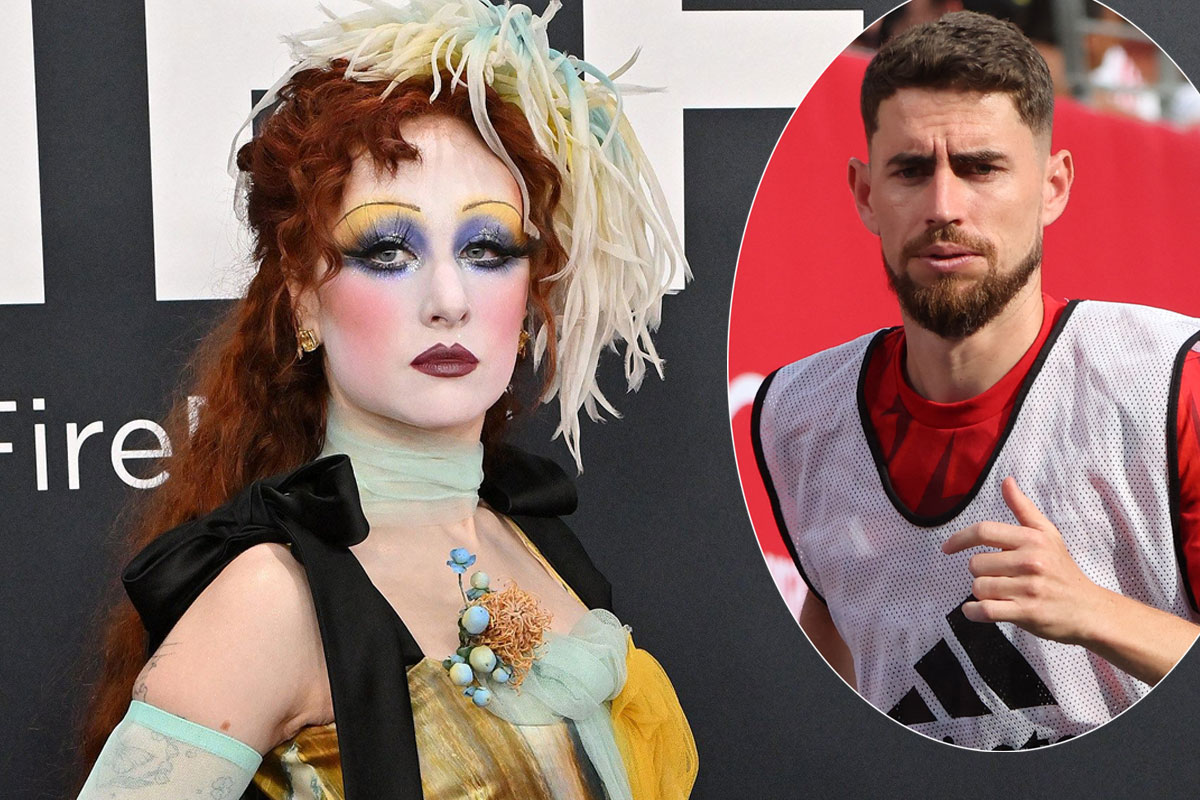
The distressing turn came when, moments after this innocent exchange, a "large security guard" allegedly approached their table. Frello claimed the guard spoke "in an extremely aggressive manner" to both his wife and daughter, accusing the pre-teen of "disrespecting" or "harassing" Roan. The situation escalated further as the security guard reportedly threatened to file a complaint with the hotel against the family. Frello painted a vivid picture of his 11-year-old daughter sitting in tears, "extremely shaken," as a direct result of the confrontation.
Drawing on his extensive experience with public life as a professional footballer, Frello highlighted his understanding of "respect and boundaries." He vehemently argued that his daughter’s actions did not cross any such lines, but rather represented the innocent admiration of a child for an artist. His message culminated in a scathing rebuke of Roan, stating, "@chappellroan WITHOUT YOUR FANS, YOU WOULD BE NOTHING. AND TO THE FANS, SHE DOES NOT DESERVE YOUR AFFECTION," a stark condemnation that resonated widely across social media. While Jorginho did not explicitly name his daughter, it is widely believed he was referring to the child Cat Cavelli shares with actor Jude Law.
Immediate Fallout and Political Intervention
The repercussions of Frello’s widely circulated post were swift and severe. Within hours, the incident garnered significant attention, particularly in Brazil, where both Jorginho and Lollapalooza hold considerable prominence. The most notable official response came from Eduardo Cavaliere, the Mayor of Rio de Janeiro. Taking to X (formerly Twitter), Mayor Cavaliere publicly declared that as long as he remained "in charge" of the city, Chappell Roan "will never perform at Todo Mundo no Rio!" He contrasted Roan’s alleged behavior with that of global superstar Shakira, implying that a true artist would not treat fans in such a manner. Further extending his support to Frello’s family, Cavaliere announced that Jorginho’s daughter was "already the guest of honor" for an upcoming event in May, a gesture underscoring the severity with which the incident was perceived by local authorities.
This political condemnation elevated the controversy from a celebrity spat to a matter of public policy and national pride, particularly regarding how foreign artists interact with Brazilian fans. The mayor’s swift and decisive action highlighted the power of social media in influencing public discourse and even government decisions, especially when a beloved national figure like Jorginho is involved.
Chappell Roan’s Initial and Direct Responses
As the controversy raged, Chappell Roan took the stage at Lollapalooza Brazil. Fan footage circulating online captured her addressing the crowd, stating, "I do not know when I’ll be going on tour again, so this is the last one. I’m so grateful it’s here. I’m so grateful, so thank you, and thank you to my crew and my security and my band, and everyone behind the scenes. This takes a lot of people, so thank you." While these comments, made amidst a large-scale festival performance, could be interpreted as a general expression of gratitude, their timing, directly following the intense backlash, led some to perceive them as a subtle acknowledgment or even a defense of her security team.
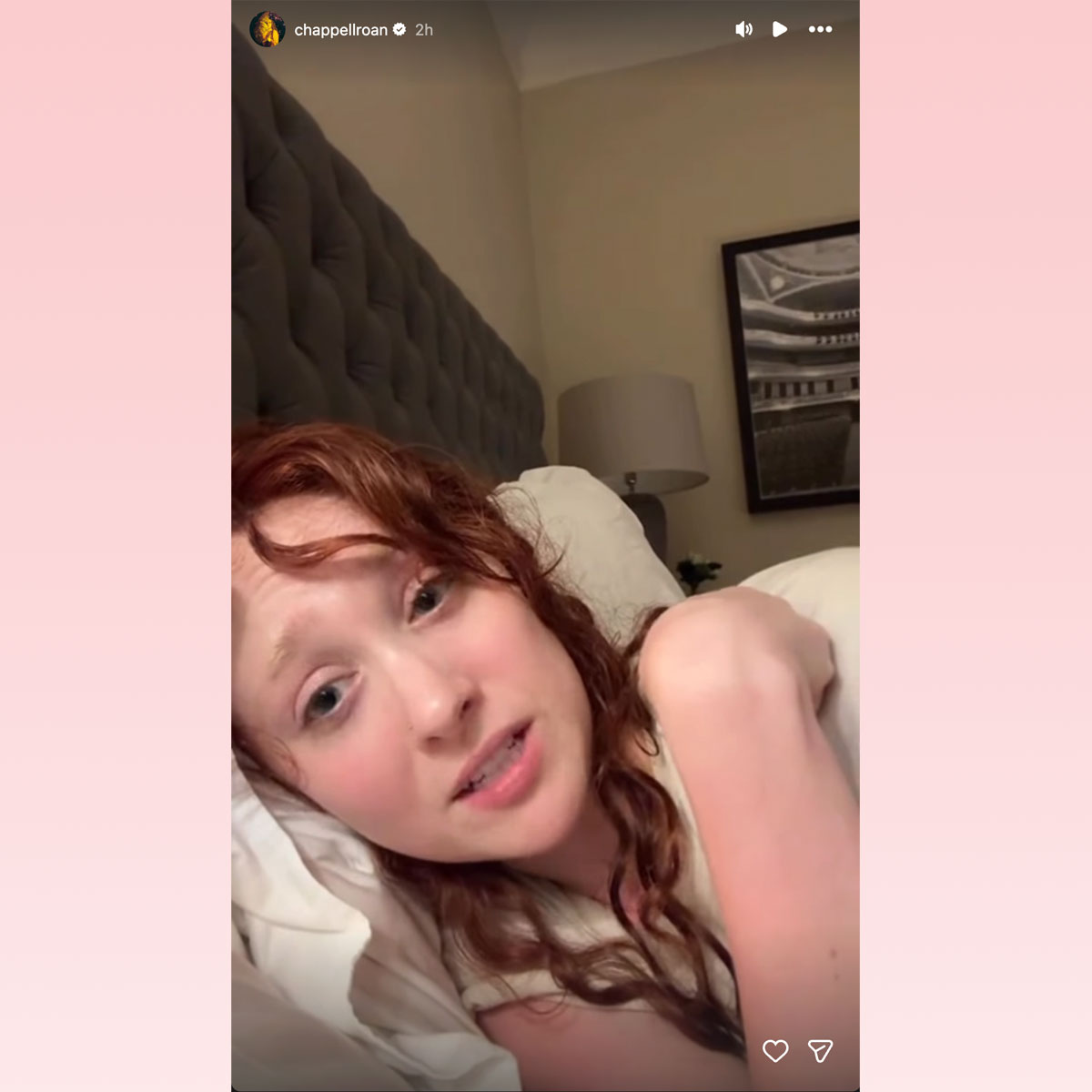
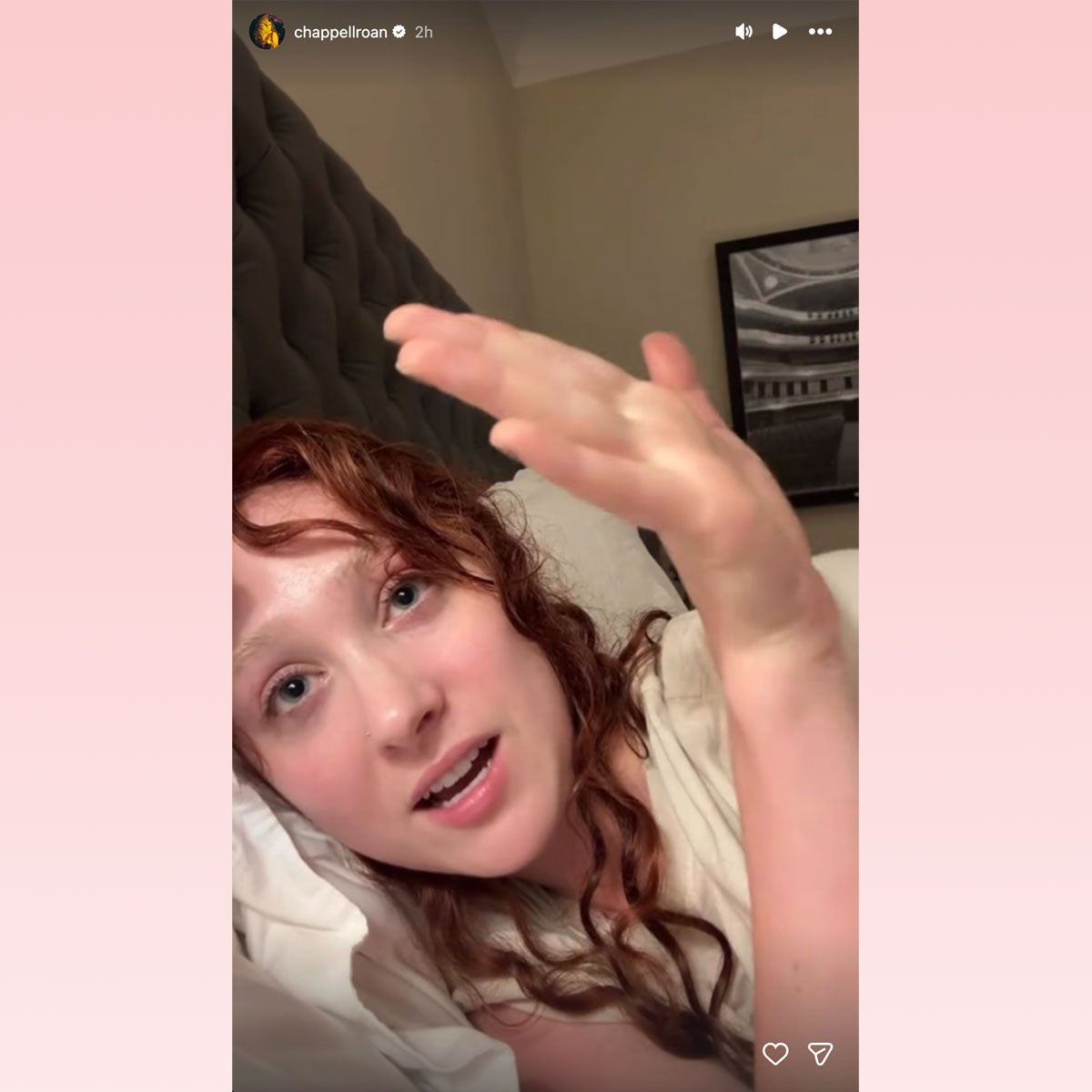
However, the "Red Wine Supernova" singer provided a more direct and detailed response the following Sunday morning. In a candid selfie video shared on her Instagram Story, the 28-year-old artist offered her "half of the story." She vehemently denied having any direct knowledge of the incident at the time it occurred. "I didn’t even see, I didn’t even see a woman and a child. Like, I did not – no one came up to me. No one bothered me. Like, I was just sitting at breakfast in my hotel," Roan stated, asserting her complete unawareness of the interaction between the security guard and Frello’s family.
Crucially, Roan clarified that the security guard involved was "not my personal security." She emphasized, "I did not ask the security guard to go up and talk to this mother and child. I did not." She criticized the guard’s actions, stating, "It’s unfair for security to just assume someone doesn’t have good intentions when they have no reason to believe because there’s no action even taken." Addressing the emotional core of Frello’s complaint, Roan directly apologized to the mother and child: "I’m sorry to the mother and child that someone was assuming something that you would do something and that if you felt uncomfortable, that makes me really sad. You did not deserve that." She also explicitly refuted any notion that she dislikes her fans or children, calling such claims "crazy."
Background Context: Chappell Roan’s History with Fan Interactions and Security
This incident, while explosive, is not an isolated event in Chappell Roan’s burgeoning career. The artist has previously been vocal about the complexities and challenges of navigating fame and maintaining personal boundaries in an increasingly public sphere. In 2024, she openly discussed what she described as "predatory behavior" she endured while attempting to establish firm boundaries with fans. This included instances where fans might overstep personal space, disregard privacy, or exhibit an intensity that feels invasive.
The rise of social media and the "stan culture" phenomenon have blurred the lines between public and private life for celebrities. Artists like Roan, who cultivate a persona of accessibility and connection with their audience, often face unique challenges in managing these interactions. The expectation of constant availability and the belief that fans are entitled to a piece of their idol’s time can lead to difficult situations. Roan’s previous comments underscored a broader industry issue where security teams are often tasked with protecting artists from perceived threats, which can sometimes manifest as overzealous fans.
Most recently, Roan publicly called out a group of people for "harassing" her in public during Paris Fashion Week, highlighting a pattern of experiences where she felt her personal space and privacy were being violated. These prior incidents provide a crucial lens through which to view the São Paulo hotel controversy. They illustrate an artist grappling with the rapid ascent to fame, the intense scrutiny that comes with it, and the difficult balance between appreciating fan support and safeguarding personal well-being. Security protocols, while essential for celebrity safety, can sometimes lead to misinterpretations or overreactions, especially when the artist themselves is not directly involved in the decision-making process for every fan interaction. The inherent tension lies in the need for protection versus the desire to foster a positive relationship with the very audience that fuels a career.
Analysis of Implications and Broader Impact
The Chappell Roan-Jorginho Frello controversy carries several significant implications for all parties involved and for the wider entertainment industry:
- For Chappell Roan’s Public Image: While Roan issued a swift apology and clarification, the incident could potentially tarnish her carefully cultivated image as a vibrant, inclusive, and fan-friendly artist. Her denial of direct involvement and her apology are crucial steps, but the initial narrative, heavily amplified by Jorginho’s celebrity status and the Mayor’s condemnation, created a strong negative impression. Managing such crises effectively is paramount for artists, especially those whose careers are rapidly ascending and who rely heavily on grassroots fan support. The incident underscores the difficulty for celebrities to control every aspect of their public interactions, particularly when third-party security is involved.
- For Jorginho Frello and Celebrity Advocacy: Jorginho’s decision to publicly air his grievance, leveraging his considerable platform, highlights the increasing trend of celebrities using social media to advocate for personal causes or expose perceived injustices. His passionate defense of his daughter resonated with many parents and fans who feel protective of children’s innocence. The immediate political response from Mayor Cavaliere demonstrates the significant influence public figures can wield, potentially affecting an artist’s future opportunities in certain regions.
- Re-evaluating Fan-Celebrity Dynamics: The incident reignites the perennial debate about the boundaries between fans and celebrities. While fan admiration is the lifeblood of the entertainment industry, the expectation of constant accessibility can lead to uncomfortable or even harmful situations for artists. Conversely, overly aggressive security measures can alienate the very audience artists depend on. This delicate balance requires clear communication, training for security personnel, and a nuanced understanding of varying cultural norms regarding public interaction. The incident serves as a stark reminder that even seemingly innocent gestures can be misconstrued, leading to disproportionate responses from security teams operating under a mandate to protect.
- The Role of Social Media in Crisis Management: The rapid dissemination of Jorginho’s initial post and the subsequent responses from Roan and Mayor Cavaliere underscore the irreversible impact of social media in modern crisis management. Narratives can form and harden within hours, making swift, transparent, and empathetic communication essential for public figures. The ability of individual posts to trigger widespread outrage, official condemnation, and policy decisions demonstrates the powerful, sometimes chaotic, nature of digital platforms.
- Ethical Considerations for Security Personnel: The controversy also prompts a closer look at the training and discretion of security personnel assigned to protect public figures. The alleged aggressive demeanor and accusations of "harassment" against a child raise questions about appropriate protocols for de-escalation and the accurate assessment of intent in public settings. It highlights the need for security teams to understand the nuanced dynamics of fan interactions, especially those involving minors, and to act in a manner that protects the artist without unduly intimidating or harming innocent individuals.
In conclusion, the Chappell Roan-Jorginho Frello controversy at Lollapalooza Brazil is a multifaceted incident that transcends a simple misunderstanding. It encapsulates the ongoing tension between celebrity privacy and public accessibility, the powerful influence of social media, and the delicate balance required in managing fan interactions. While Chappell Roan has offered her perspective and apology, and Jorginho Frello has articulated his grievance, the incident has sparked a broader conversation about respect, boundaries, and responsibility in the complex ecosystem of modern celebrity. The full ramifications for Roan’s career and for industry practices in general remain to be seen, but the event undoubtedly serves as a potent case study in the volatile nature of public life.