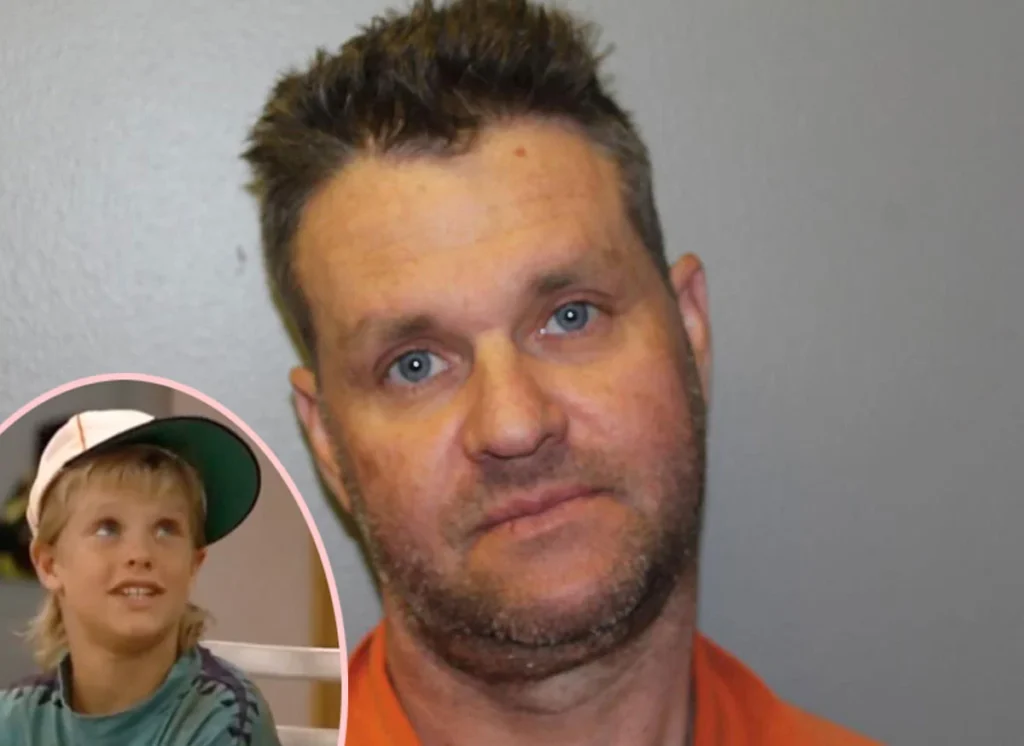

Zachery Ty Bryan, widely recognized for his portrayal of Brad Taylor in the beloved 1990s television sitcom Home Improvement, has been handed an additional 19-month prison sentence in Oregon for violating the terms of his probation. This latest legal development, which transpired during a virtual court appearance on Friday, March 20, 2026, escalates Bryan’s total incarceration period to 35 months, or nearly three years. The extended sentence is a direct consequence of a series of escalating legal issues, primarily stemming from a driving under the influence (DUI) arrest in 2024 and subsequent incidents involving his fiancée. This ruling marks a significant and public downturn in the life of the former child actor, underscoring ongoing battles with substance abuse and repeated confrontations with the criminal justice system.
The Genesis of Legal Troubles: A 2024 DUI and Initial Sentencing
Bryan’s recent legal quagmire commenced with a DUI arrest in 2024. This incident led to an initial sentencing of 16 months in jail. Driving under the influence is a grave offense universally recognized for its inherent dangers to public safety, and jurisdictions across the United States impose severe penalties. In Oregon, where Bryan’s most recent legal proceedings took place, DUI laws are particularly stringent, frequently mandating jail time, substantial financial penalties, driver’s license suspension, and compulsory participation in alcohol education or treatment programs, even for first-time offenders. The initial 16-month sentence received by Bryan for his 2024 DUI was a substantial legal consequence, suggesting either aggravating factors in the case or a pre-existing history that influenced the court’s initial decision.
Following his initial period of incarceration, Bryan was placed on probation. Probation serves as a period of supervised release, during which an offender is permitted to serve a portion of their sentence within the community, provided they adhere to a strict set of conditions. These conditions are meticulously designed to facilitate rehabilitation and deter further criminal activity. Common stipulations include regular reporting to a probation officer, absolute abstinence from alcohol and illegal substances, maintaining stable employment, and, critically, refraining from contact with specific individuals, particularly in cases involving a history of domestic disputes or protective orders. It was the flagrant violation of one such critical condition that precipitated Bryan’s most recent and extended sentence.
The Probation Violation: Reckless Endangerment and No-Contact Order Breach
The additional 19-month sentence imposed on Bryan is specifically for a probation violation. This violation reportedly arose from a reckless endangerment incident that necessitated law enforcement intervention. According to court records and preliminary reports, police were dispatched to a scene involving Bryan and his fiancée, Johnnie Faye Cartwright, who were reportedly in a truck with their three children. While the explicit details of the "reckless endangerment" have not been fully disclosed in initial public reports, the presence of minor children in a potentially volatile or dangerous situation invariably elevates the seriousness of the charges and intensifies the concern of legal authorities. In Oregon, reckless endangerment is defined as conduct that creates a substantial risk of serious physical injury to another person. The involvement of children in such an alleged incident underscores a severe lapse in judgment and parental responsibility.
However, the pivotal aspect of Bryan’s probation violation revolved around his unauthorized contact with Johnnie Faye Cartwright. Prior to the reckless endangerment incident, an undisclosed domestic violence incident involving the couple had resulted in a court-mandated no-contact order, explicitly prohibiting Bryan from interacting with Cartwright. Domestic violence restraining orders and no-contact directives are standard legal instruments implemented to safeguard alleged victims from further harm and to provide a necessary period of separation for individuals embroiled in such disputes. Bryan’s presence with Cartwright and their children in the truck directly contravened this explicit and legally binding condition of his probation. Such a breach of a court order is regarded with utmost seriousness by the justice system, as it undermines judicial authority and compromises the protective measures instituted for public and individual safety.
The Pervasive Impact of Domestic Violence and Probationary Conditions
The recurring theme of domestic violence allegations against Zachery Ty Bryan has become a central component of his recent legal tribulations. While the specific details of the earlier incident that led to the no-contact order remain largely undisclosed in public reports, the repeated involvement of law enforcement in domestic disputes concerning Bryan and Cartwright paints a troubling picture. Domestic violence is a widespread societal issue with profound consequences, impacting not only the immediate victims but also families and broader communities. Courts frequently impose stringent conditions, including no-contact orders, as a fundamental mechanism to ensure safety and prevent the escalation of violence. For an individual serving a probationary period, violating such an order demonstrates a clear disregard for legal mandates and a failure to address underlying behavioral patterns, often leading to an immediate revocation of probation and the imposition of previously suspended sentences or the assignment of new, extended terms.
The legal framework of probation is fundamentally designed to offer offenders an opportunity for rehabilitation, but this opportunity is strictly contingent upon unwavering adherence to court-mandated conditions. When these conditions are breached, particularly those pertaining to victim safety or substance abuse, the judiciary typically responds with increased severity. The decision to impose an additional 19 months for a probation violation unmistakably reflects the gravity with which the court perceived Bryan’s actions, especially given the context of his preceding DUI conviction and the alarming presence of children during the reckless endangerment incident.
Legal Representation’s Response and Broader Perspectives on Sentencing
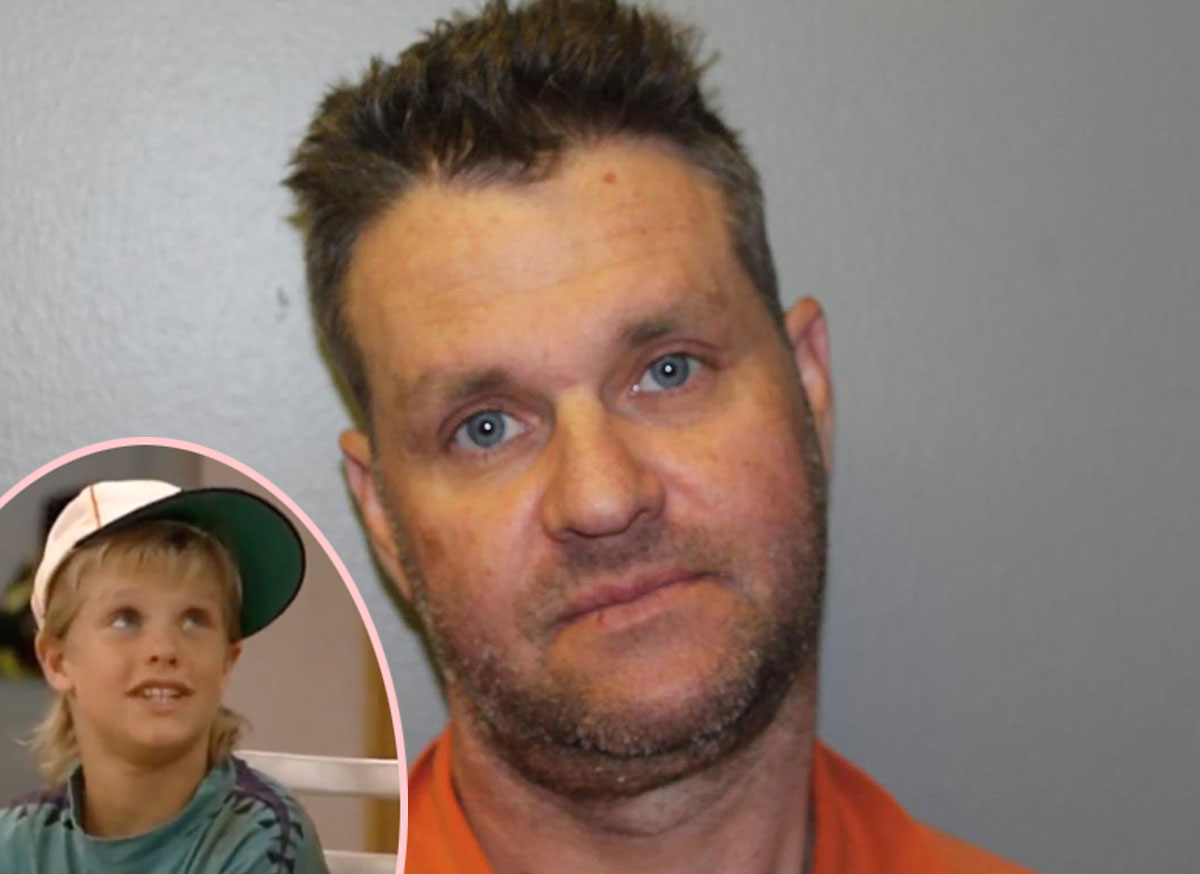
In the aftermath of the sentencing, Bryan’s legal counsel expressed significant dissatisfaction with the court’s ruling, characterizing the 19-month extension as "excessive" and "ridiculous." The attorney underscored Bryan’s personal struggles, stating, "Zachary has experienced a lot of trauma. He has an alcohol problem. Putting him in jail or prison is not going to help the situation. Poor use of resources." This statement encapsulates a persistent and critical debate within the criminal justice system regarding the most effective strategies for managing offenders who contend with addiction and underlying psychological issues. Many legal professionals and advocacy groups argue that incarceration, when applied in isolation, often fails to address the fundamental causes of criminal behavior, particularly when substance abuse or mental health disorders are significant contributing factors. These proponents often advocate for more robust rehabilitative programs, including intensive therapy, comprehensive addiction treatment, and community-based support systems, positing them as more efficacious long-term solutions.
During his virtual court appearance, Bryan reportedly offered an apology to the court, articulating a desire to become "the best father he can be" and candidly acknowledging his need for assistance with his alcohol problem. While such expressions of remorse and commitment to change are frequently considered by judges, in this specific instance, they did not sway the court towards a more lenient sentence. His attorney’s palpable disappointment highlights the inherent tension between punitive measures and rehabilitative ideals within the justice system. The assertion that incarceration constitutes a "poor use of resources" often refers to the substantial financial outlay associated with maintaining correctional facilities, suggesting that these funds could be more effectively redirected towards preventative measures and comprehensive treatment programs.
Broader Implications: The "Child Star" Narrative and Systemic Challenges
Zachery Ty Bryan’s journey from a celebrated child actor to an individual embroiled in repeated legal controversies is, regrettably, not an isolated phenomenon. The "child star curse" is a widely discussed narrative, referencing the myriad challenges many young performers face as they transition into adulthood, frequently grappling with identity crises, intense public scrutiny, immense financial pressures, and struggles with substance abuse. While it is imperative to avoid broad generalizations, Bryan’s struggles regrettably resonate with aspects of this narrative, underscoring the unique pressures and potential pitfalls associated with achieving early fame. The transition from the structured, often insulated environment of a television set to the intricate complexities of adult life, often without adequate personal or professional support systems, can prove exceptionally challenging.
The repeated nature of Bryan’s offenses, particularly those linked to alcohol and domestic disputes, also illuminates the systemic challenges inherent in addressing addiction within the legal system. For individuals grappling with substance use disorders, incarceration, without comprehensive treatment and robust aftercare planning, can sometimes exacerbate underlying problems rather than resolve them. Recidivism rates remain notably high for individuals released from prison without sufficient support, continually prompting critical discussions about the efficacy of current sentencing practices. Bryan’s attorney’s comments reflect this critical perspective, suggesting that a purely punitive approach may not ultimately yield the desired outcomes of rehabilitation and successful societal reintegration.
Public perception surrounding such cases is also multifaceted. While there is often a degree of empathy for individuals battling addiction, there is concurrently a strong societal expectation for accountability, particularly when public safety and the welfare of children are compromised. The alarming details of the reckless endangerment incident, involving his fiancée and their children in a truck, undoubtedly played a significant role in the court’s stern decision and has heavily influenced public discourse surrounding the case.
The Path Ahead: Incarceration and the Prospect of Rehabilitation
With a cumulative sentence of 35 months, Zachery Ty Bryan faces a substantial period of incarceration. During this time, depending on the correctional facilities where he serves his sentence, he will likely have access to various programs, including substance abuse treatment, educational opportunities, and counseling services. The effectiveness of these programs can vary significantly, but for individuals genuinely committed to personal transformation, they offer a crucial pathway toward rehabilitation. The paramount challenge for Bryan, as for many others in analogous circumstances, will be to leverage this period of incarceration not merely as a form of punishment, but as a critical opportunity for profound personal introspection and recovery.
Upon his eventual release, Bryan will confront the arduous task of rebuilding his life, mending his relationships, and potentially attempting to restore his public image. His stated desire to become a better father suggests an underlying motivation for change, yet the journey to sustained sobriety and responsible living after a period of incarceration is often fraught with immense difficulties. The quality and accessibility of support systems available to him post-release, encompassing family, friends, and professional services, will be absolutely critical in determining his long-term success and reintegration into society.
This latest sentencing serves as a stark and sobering reminder of the serious legal ramifications of criminal transgressions, especially when intertwined with complex issues of addiction and domestic conflict. For Zachery Ty Bryan, a recognizable figure from a bygone era of television, it marks yet another challenging chapter in a protracted public and private struggle that continues to unfold under the vigilant scrutiny of the justice system and the public alike. The immediate focus now shifts to the duration of his sentence and the crucial potential for genuine rehabilitation during his time in custody.