
The 2026 Vanity Fair Oscar Party, held at the Wallis Annenberg Center for the Performing Arts in Beverly Hills, solidified its reputation as the premier post-Academy Awards event, drawing a vast array of talent from the worlds of film, music, and high fashion. Following the conclusion of the 98th Academy Awards, the gathering served as a secondary red carpet where the constraints of the main ceremony’s formal dress code were replaced by more experimental, avant-garde, and statement-making attire. This second installment of the evening’s fashion analysis examines the stylistic choices of key attendees, the emergence of specific seasonal trends, and the strategic partnerships between global luxury houses and the entertainment industry’s most prominent figures.
The Evolution of After-Party Couture
The Vanity Fair Oscar Party has historically functioned as a platform for celebrities to debut a "second look," often characterized by higher risk and greater editorial flair than the gowns seen at the Dolby Theatre. In 2026, this trend was exemplified by a shift toward archival revivals and architectural couture. Industry data suggests that the "after-party wardrobe change" has become a significant marketing tool for luxury brands, with social media impressions for these secondary looks often rivaling or exceeding those from the main ceremony. Designers such as Schiaparelli, Gaurav Gupta, and Tamara Ralph utilized the 2026 event to showcase intricate craftsmanship that prioritized texture and silhouette over traditional glamour.
Architectural and Avant-Garde Statements
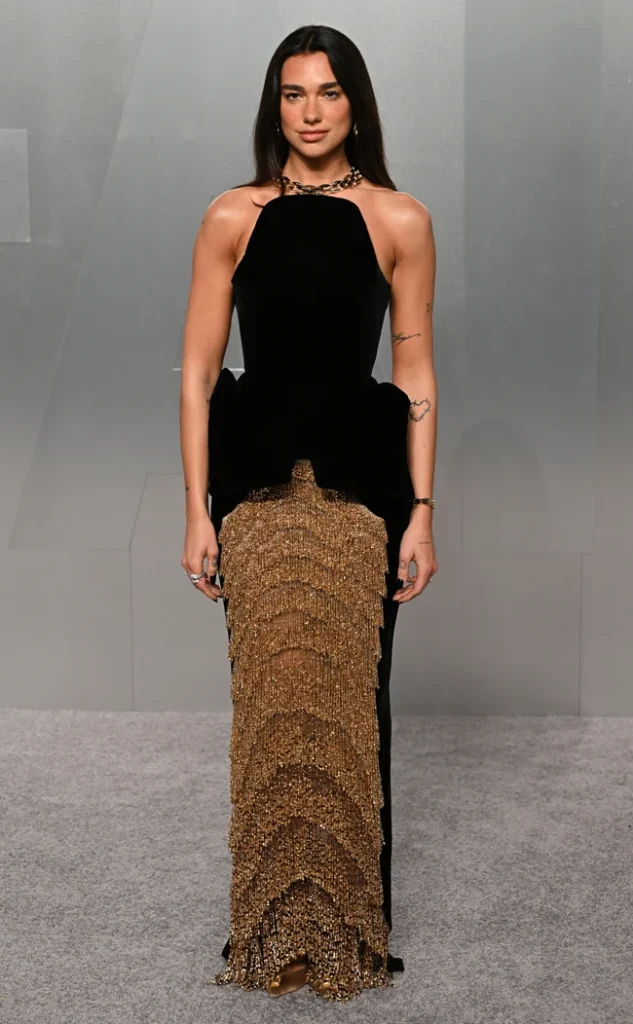
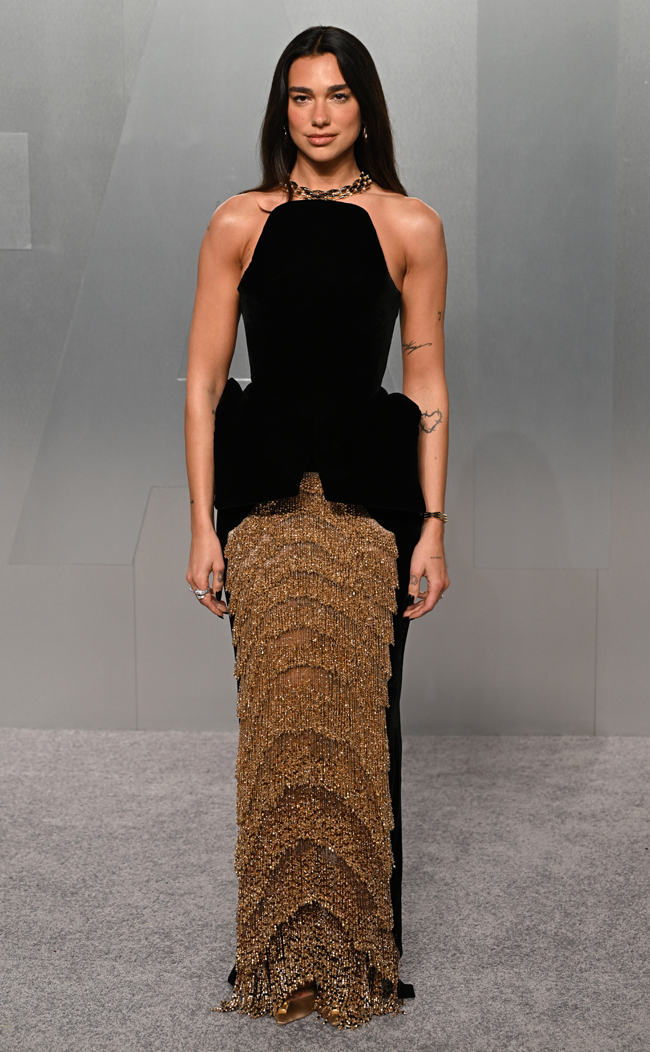
Among the most discussed appearances of the evening was Dua Lipa, who arrived in a custom Schiaparelli Couture ensemble. The design, consistent with the house’s surrealist roots, featured a structured silhouette that emphasized the intersection of art and fashion. Analysts noted that the garment’s construction likely required hundreds of hours of manual labor, reflecting a broader industry return to "hard" couture—pieces that maintain their shape through internal engineering.
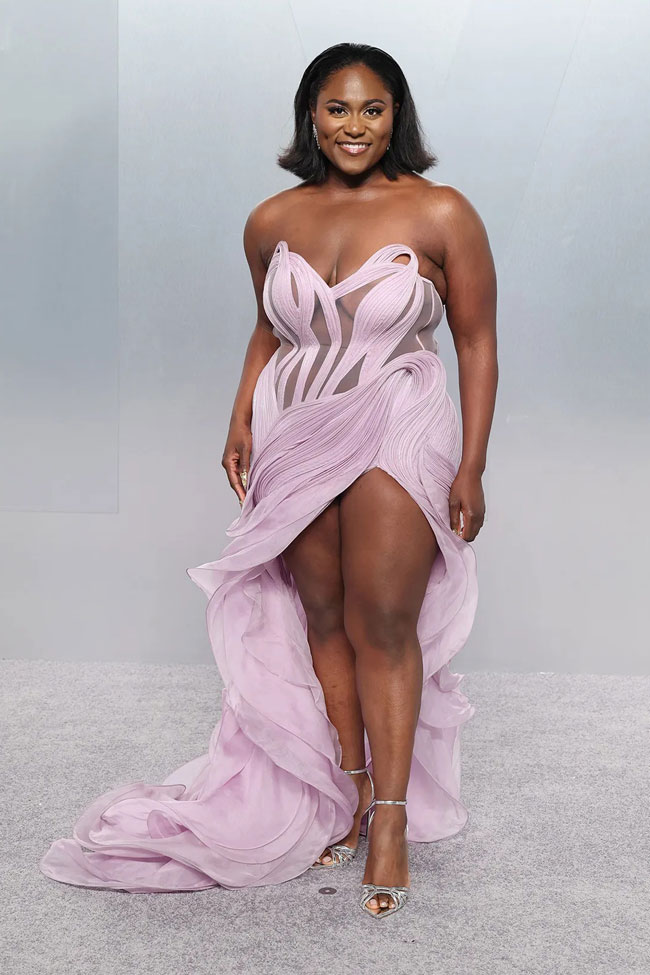
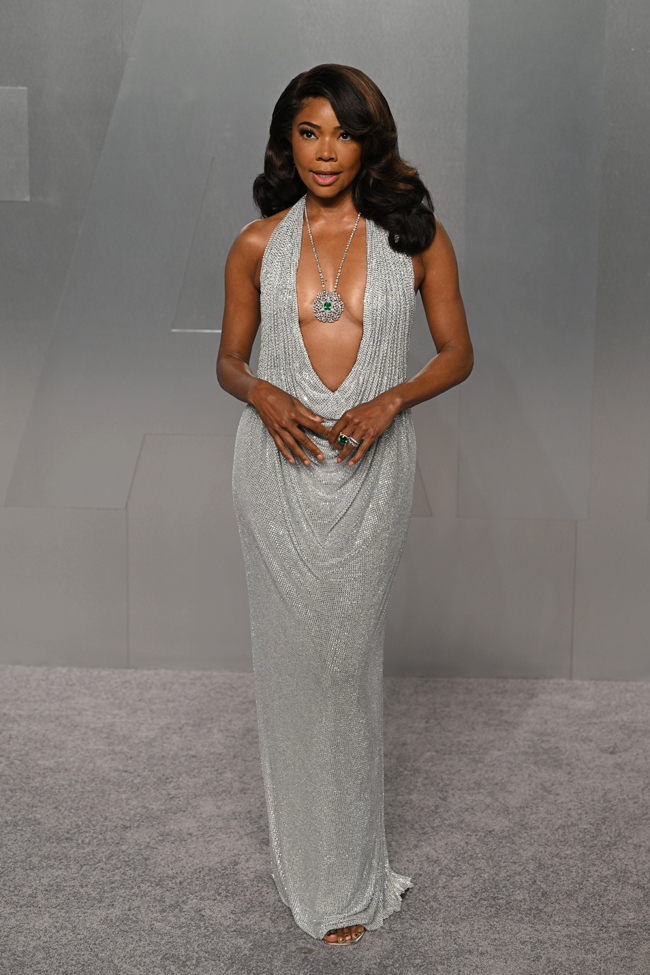
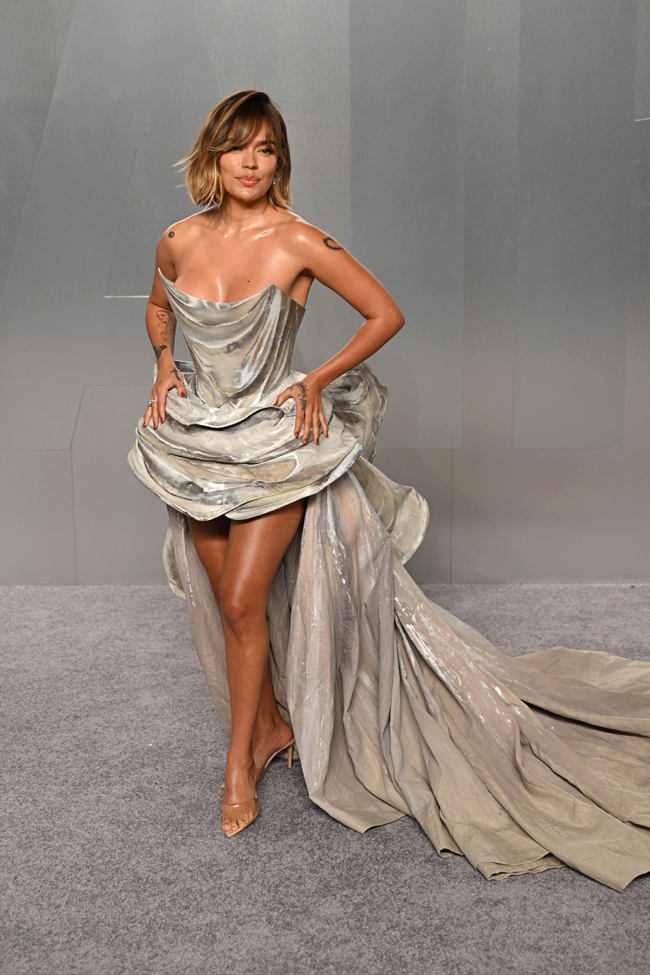
Similarly, Danielle Brooks opted for Gaurav Gupta Couture, a label that has become synonymous with "sculptural" red carpet wear. Her selection highlighted the designer’s signature swirling textures and metallic finishes, which have increasingly become a staple for celebrities looking to balance high-fashion edge with red-carpet elegance. The choice of Gupta underscores the growing influence of South Asian designers in the global luxury market, a trend that has seen a 15% increase in red carpet representation over the last three awards cycles.
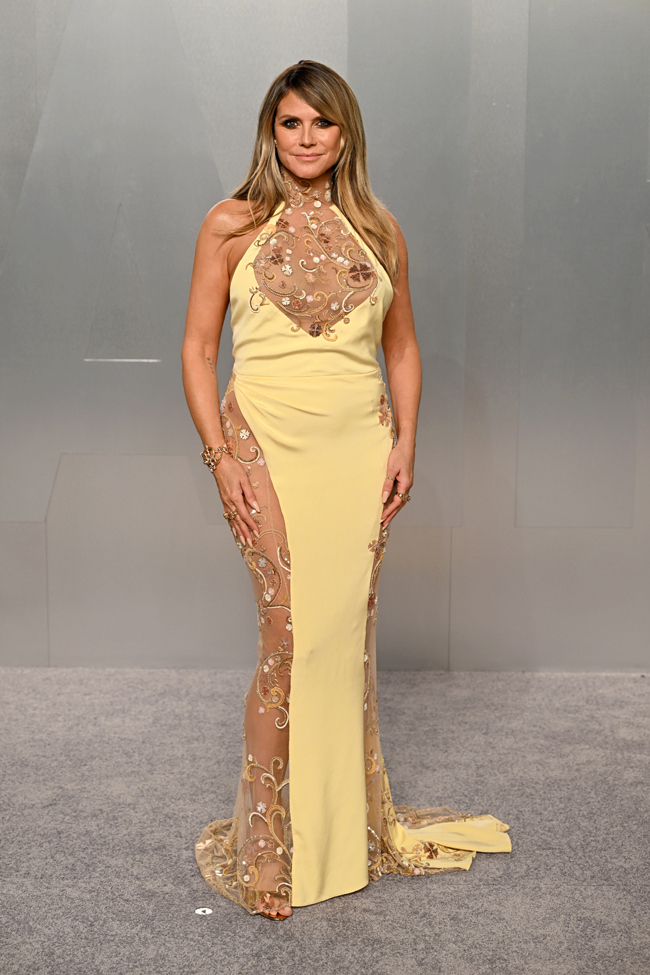
Rita Ora’s appearance in Tamara Ralph Couture offered a different interpretation of the avant-garde. Her look, which included an oversized hat and intricate embroidery, was viewed by fashion historians as a nod to the "drag" influence on high fashion—a blending of theatricality and meticulous detail. While some critics debated the practicality of such a voluminous headpiece for an indoor party, the look successfully generated significant digital engagement, a key metric for modern brand ambassadorships.
The Rise of Archival and Vintage Selections
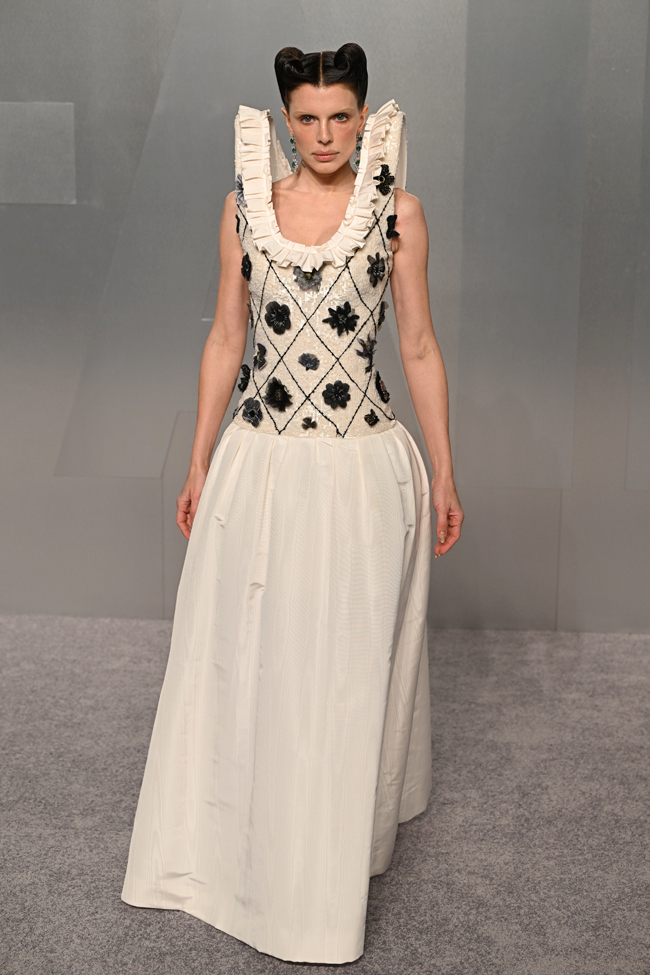
A notable sub-trend at the 2026 party was the continued reliance on archival pieces, a move driven by both a desire for uniqueness and a growing industry-wide commitment to sustainability. Julia Fox made a significant impact by wearing an archival Viktor & Rolf piece. The choice was complemented by a highly stylized hair concept that mirrored the architectural nature of the dress. The use of archival fashion at major events has seen a 22% year-over-year increase as celebrities and their stylists seek to distance themselves from the "fast fashion" cycle of new seasonal releases, instead opting for pieces with historical and artistic value.
Menswear Trends: Breaking the Black-Tie Barrier
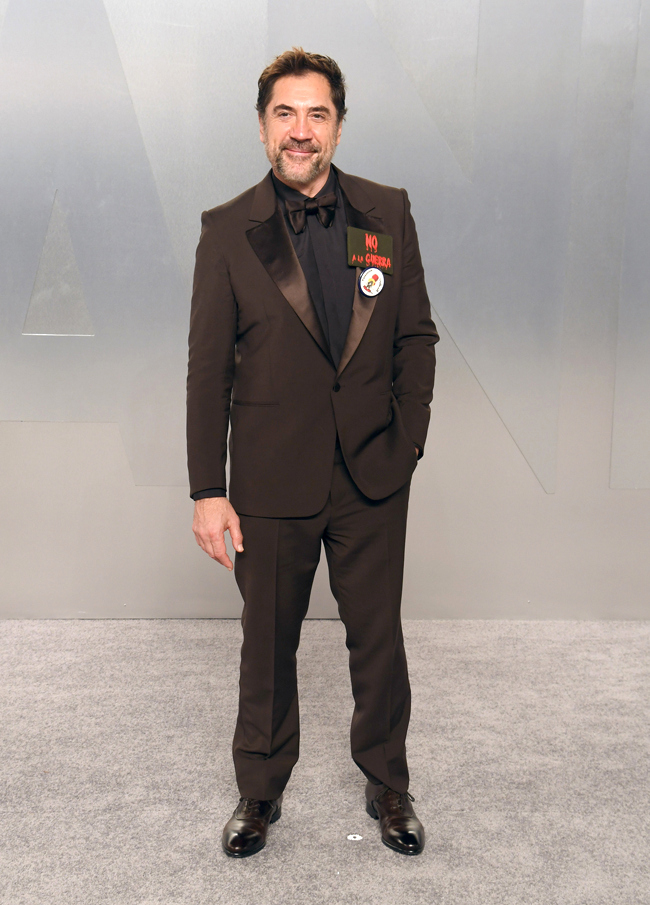
The 2026 Vanity Fair red carpet also signaled a definitive shift in the evolution of menswear. Traditional black-tie attire was frequently bypassed in favor of experimental silhouettes, varied color palettes, and unconventional accessories.
Experimental Silhouettes and Accessories
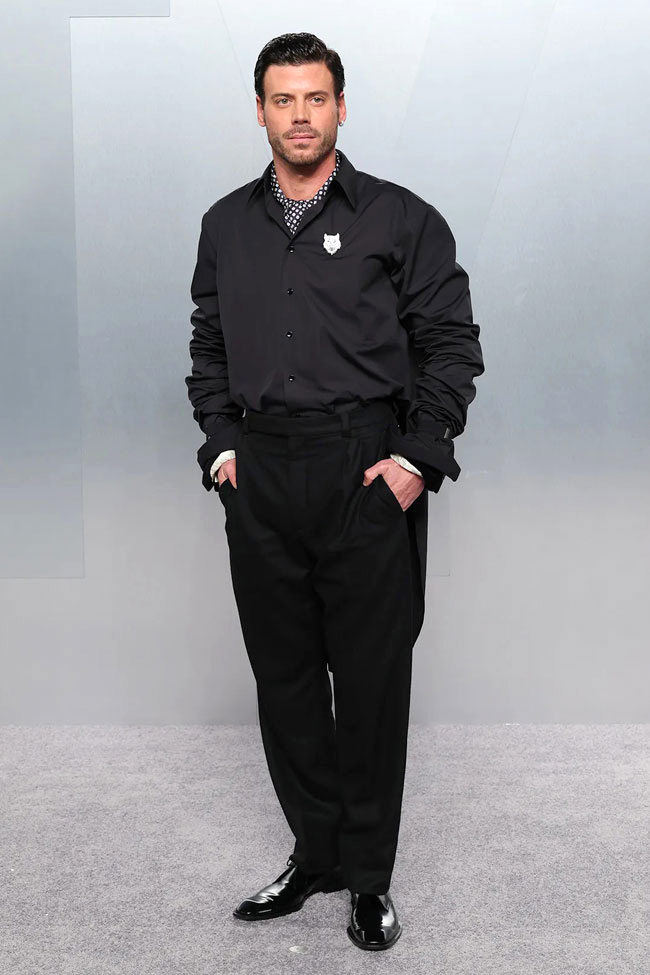
Lewis Pullman and François Arnaud, both appearing in Saint Laurent, represented a move toward a more fluid and "flamboyant" aesthetic. Their ensembles incorporated elements often reserved for feminine-coded fashion, such as trains, ascots, and soft draping. This reflects a broader cultural shift toward gender-neutral formal wear. Market research indicates that luxury menswear brands have expanded their "evening wear" categories by 30% to include these non-traditional styles, catering to a younger generation of actors who prioritize self-expression over convention.
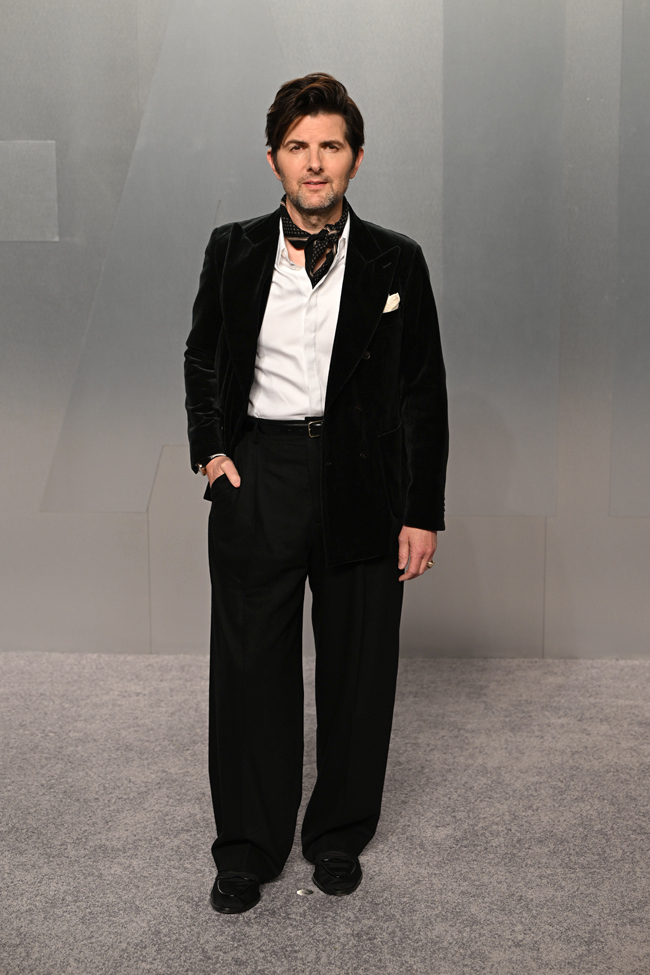
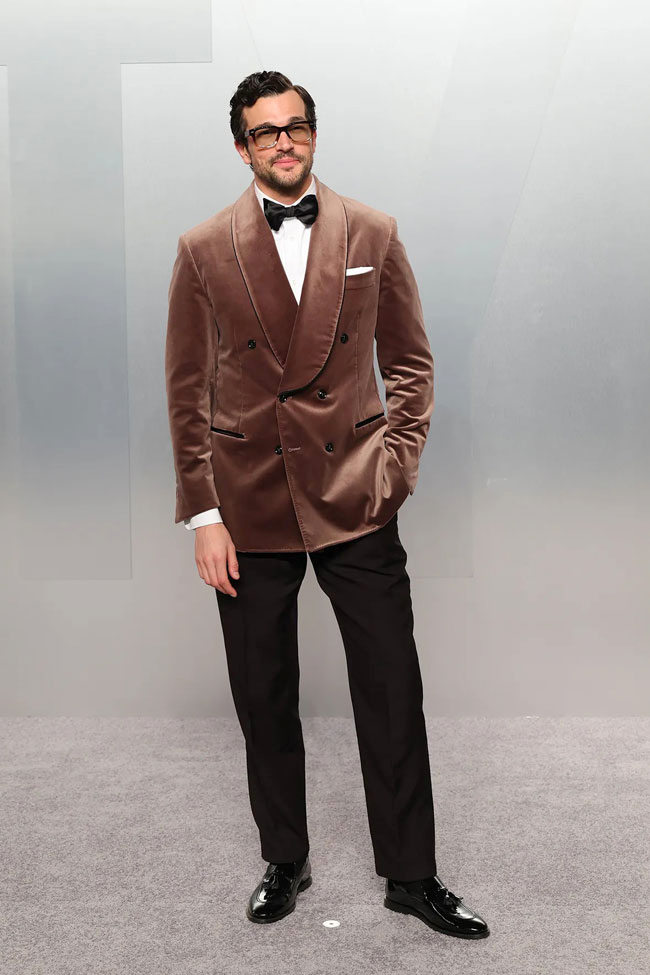
Paul Anthony Kelly, in Brunello Cucinelli, chose to highlight personal style through the integration of eyewear, demonstrating how functional accessories can be elevated to red-carpet status. Meanwhile, Adam Scott’s appearance in Octobre Éditions and Tyriq Withers in Gucci showcased the diversity of the modern "suit," ranging from European minimalism to high-swag, logo-driven aesthetics.
Political and Social Commentary
In a departure from purely aesthetic choices, Javier Bardem used his platform to integrate political messaging into his attire. While his tuxedo maintained a classic color palette, the inclusion of political signage served as a reminder of the Academy Awards’ history as a venue for social discourse. Historically, political statements on the red carpet have a polarizing effect on viewership, yet they remain a consistent element of the Vanity Fair party, where the atmosphere is slightly more conducive to individual expression than the televised ceremony.
Color Trends and Fabric Innovation
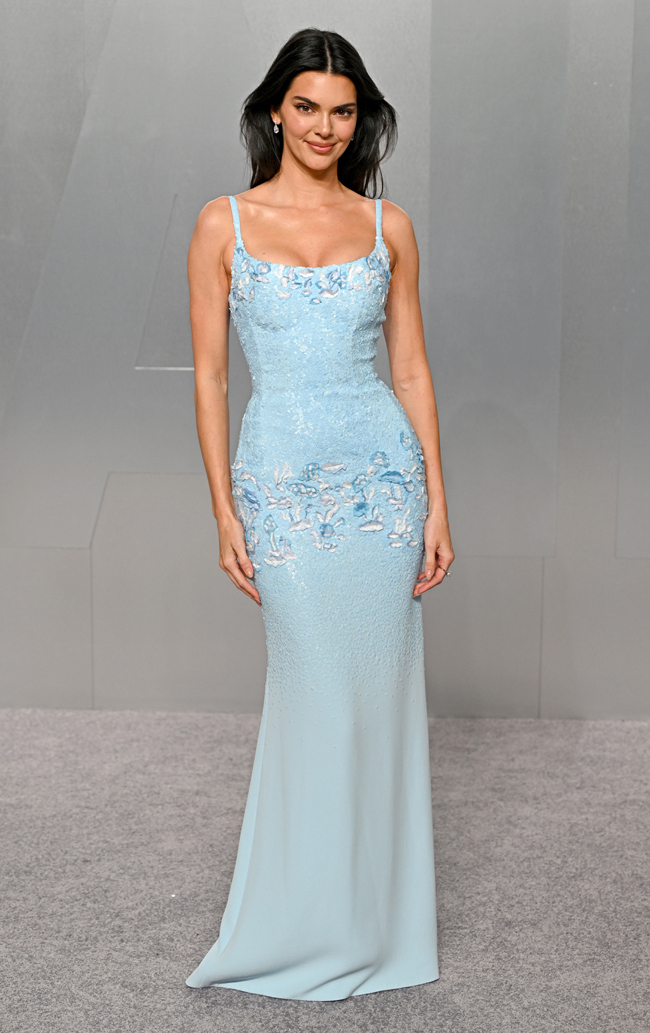
The 2026 event saw a departure from the "safe" neutrals of previous years, with purple, silver, and unconventional earth tones taking center stage.
The Power of Purple and Silver
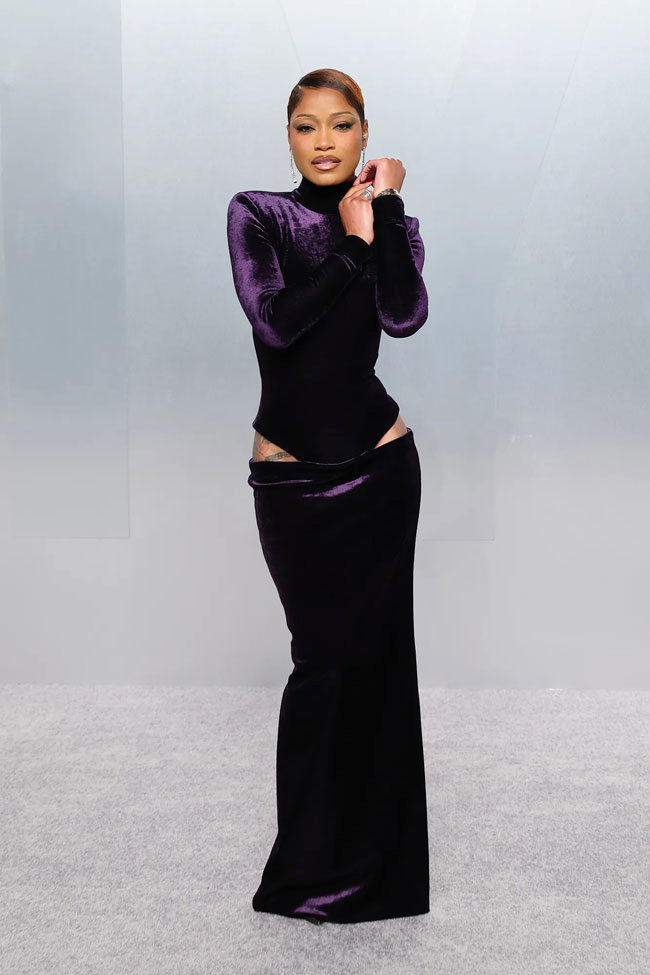
Keke Palmer’s Gucci ensemble featured a deep purple hue that became one of the evening’s standout colors. Stylists noted that the shade was particularly effective under the high-intensity flash photography characteristic of the Wallis Annenberg Center’s arrival line. In contrast, Sarah Pidgeon’s Calvin Klein look utilized shimmery silver, a choice that aligned with the "futuristic" theme seen in several spring 2026 collections. Pidgeon also carried a "flask bag," a functional yet whimsical accessory that became a viral talking point, illustrating how small, unique details can define a red-carpet appearance.
Texture and "Fuzzy" Frocks
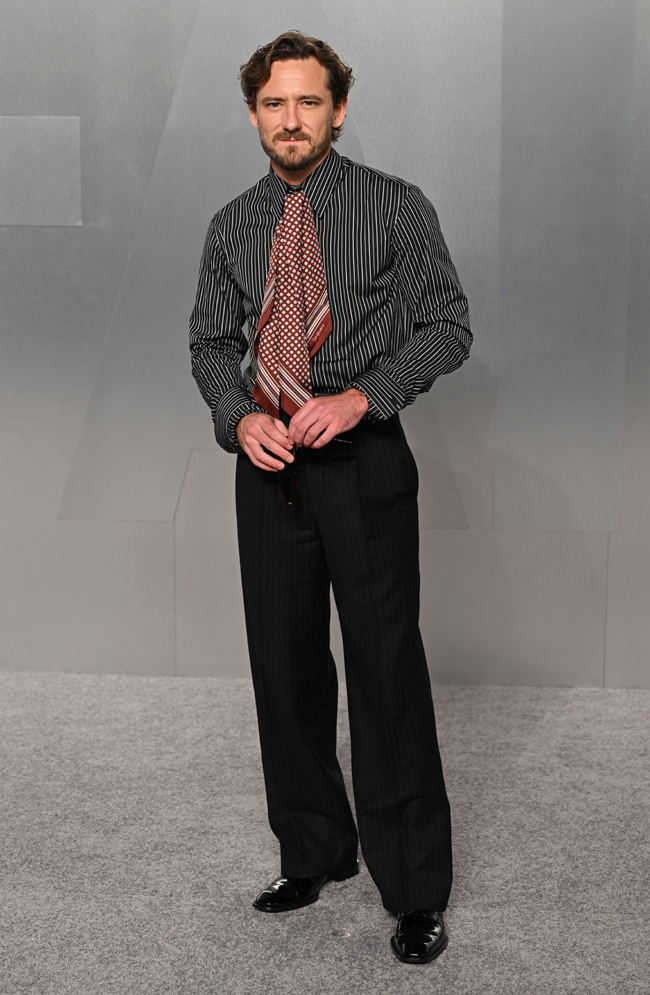
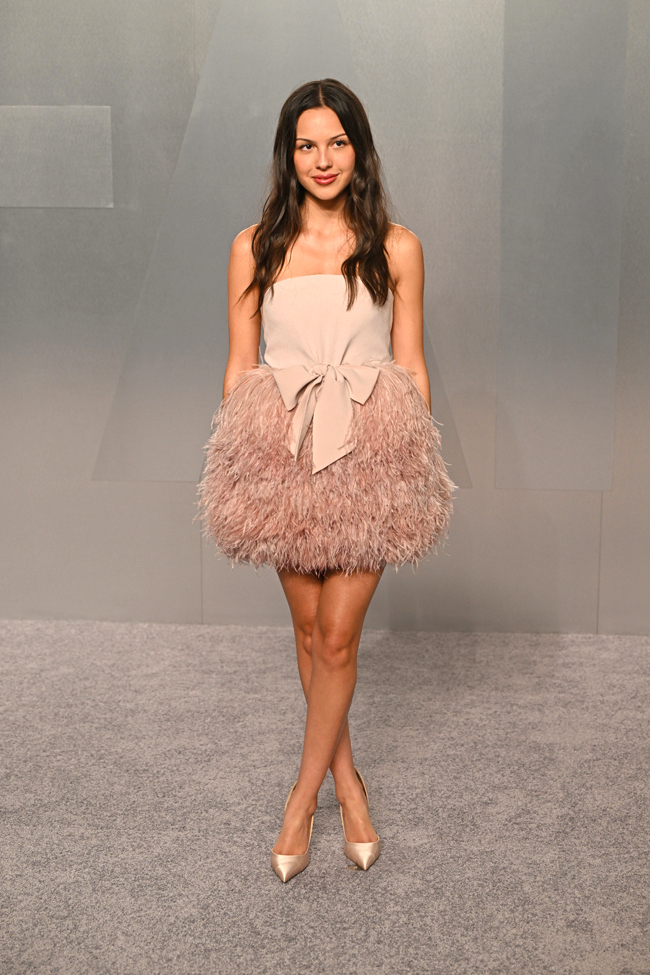
Olivia Rodrigo’s Saint Laurent look introduced a tactile element to the carpet with its "fuzzy" texture. While the color was understated, the material innovation provided a visual contrast to the silk and satin gowns that dominated the rest of the event. Industry insiders suggest that fabric technology—specifically the development of sustainable faux-fur and high-tech knits—is allowing designers to experiment with volume and texture without the weight or environmental impact of traditional materials.
The Influence of Established Luxury Houses
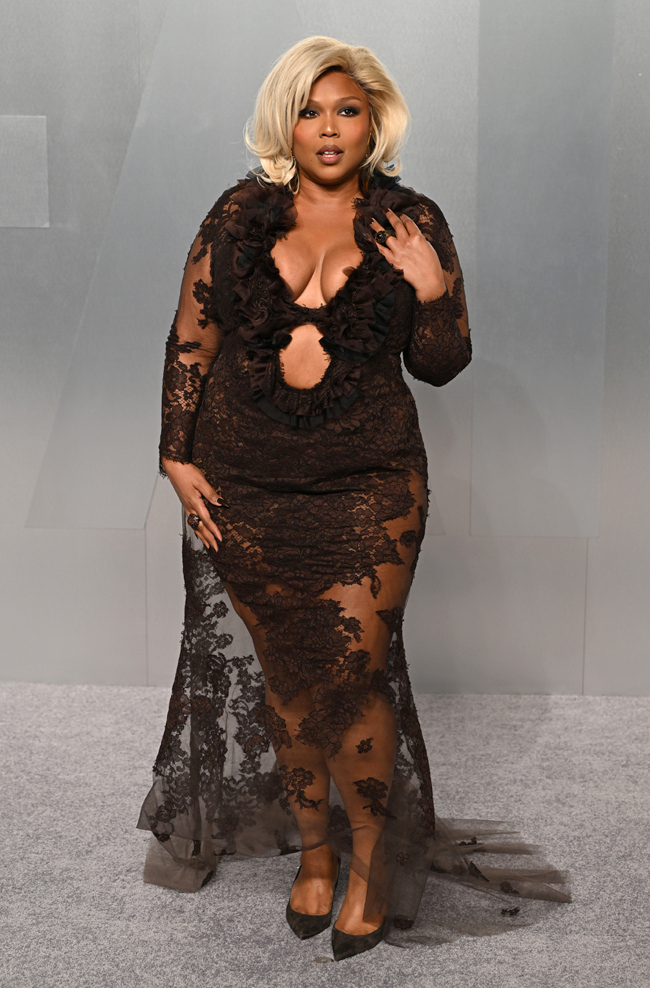
The 2026 Vanity Fair party served as a showcase for the enduring power of legacy brands like Chanel, Dior, and Tom Ford.
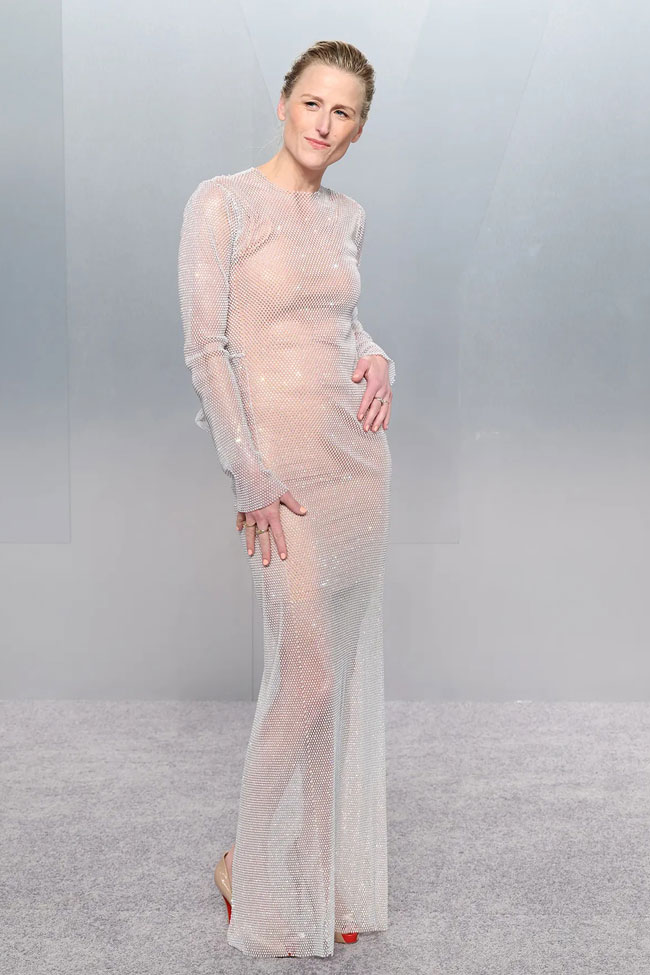
- Kendall Jenner in Chanel: Jenner’s choice of a Chanel gown with a bathing-suit-inspired neckline highlighted the brand’s efforts to modernize its classic image for a younger, social-media-savvy audience.
- Quinta Brunson in Tom Ford: Brunson’s appearance in a sleek, sexy Tom Ford design emphasized silhouette and confidence. The lack of heavy jewelry allowed the craftsmanship of the garment to remain the focal point.
- Robert Pattinson in Dior Homme: Pattinson’s understated Dior look reinforced the "cool-girl/cool-guy" aesthetic that the house has cultivated under its current creative direction, proving that simplicity can be as effective as extravagance.
- Queen Latifah in Jean-Louis Sabaji: Her look, featuring a floaty opera coat, was praised for its elegance and the absence of feathers, a move that some interpreted as a nod toward more ethical fashion choices.
Analysis of Implications and Industry Impact
The fashion choices at the 2026 Vanity Fair Oscar Party reflect a complex interplay between personal branding, designer marketing, and cultural shifts. The high volume of "risky" looks indicates that the event has become a safe harbor for experimentation, allowing celebrities to test the waters for future stylistic directions.
Economic and Brand Value
For designers, having a celebrity wear a custom or archival piece at this event can result in an "earned media value" (EMV) in the millions. According to data from fashion analytics firms, a single high-profile appearance at the Vanity Fair party can increase brand searches by up to 400% in the 24 hours following the event. This economic reality has led to increasingly competitive "dressing" wars among the top luxury conglomerates—LVMH, Kering, and Richemont.
Sustainability and the Archival Shift
The prevalence of archival pieces and the move away from animal-derived materials (such as feathers and fur) suggest that the entertainment industry is becoming more aligned with global sustainability goals. As celebrities are increasingly held accountable for their environmental footprint, the red carpet serves as a visible metric of their commitment to "conscious" luxury.
The Future of the Red Carpet
As the 2026 awards season concludes, the Vanity Fair Oscar Party remains a vital indicator of the year’s fashion trajectory. The blend of high-tech fabrics, archival revivals, and gender-fluid menswear seen this year suggests that the boundaries of formal wear will continue to expand. The event is no longer just a celebration of film; it is a primary driver of the global fashion narrative, where the "rundown" of what was worn is as significant as the awards themselves.
The 2026 red carpet rundown demonstrates that while the Oscars may provide the accolades, the Vanity Fair after-party provides the vision for the future of style. From the architectural precision of Schiaparelli to the bold commentary of Javier Bardem, the evening was a testament to the enduring power of the red carpet as a site of cultural and artistic significance.