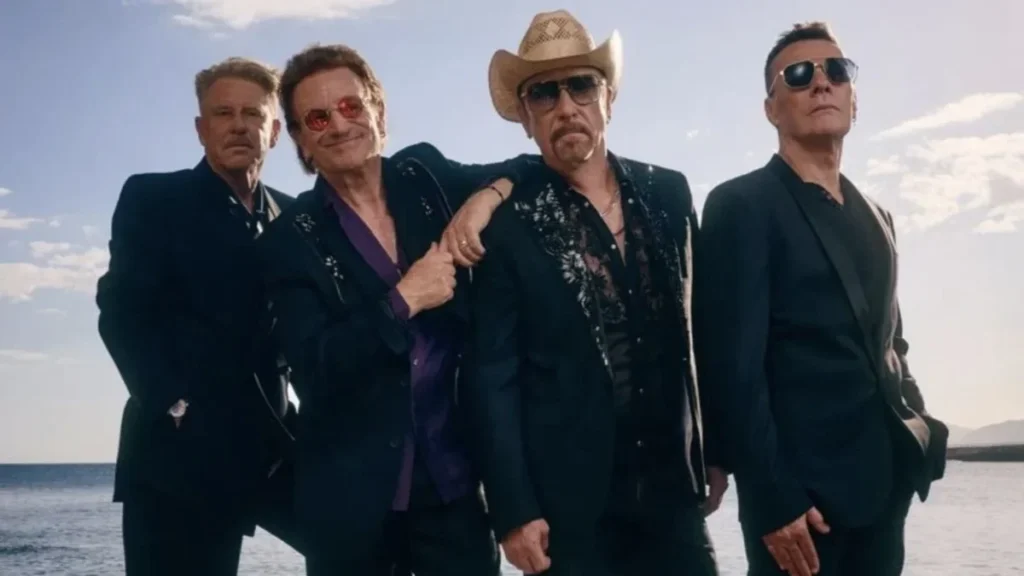

The intersection of high-profile global music tours and geopolitical advocacy has reached a flashpoint following the forced removal of rapper Macklemore from Ed Sheeran’s recent concert series. This development, which saw the Seattle-based artist dropped from the bill after expressing support for Palestine during a live performance, has prompted a rare and forceful intervention from rock legends U2. In a series of interviews with the BBC, band members The Edge and Larry Mullen Jr. addressed the incident, highlighting a growing tension between artistic expression and the corporate gatekeeping inherent in modern stadium-scale touring.
The controversy centers on the increasing influence of venue operators and private owners in dictating the content of live performances. Following Macklemore’s public comments regarding the ongoing conflict in Gaza, New England Patriots owner Robert Kraft, along with other high-profile stadium operators, reportedly exerted pressure on the tour’s management. The ultimatum was clear: remove the outspoken artist or face the potential for his exclusion from subsequent venues. While Ed Sheeran’s camp maintained that the decision was ultimately the responsibility of promoters, the fallout triggered a chain reaction of solidarity, as several opening acts and members of the backing band resigned from the tour in protest.
A Timeline of the Conflict
The friction began in September 2026, when Macklemore’s onstage rhetoric drew sharp condemnation from venue stakeholders. The move to drop him from the tour sent shockwaves through the music industry, raising fundamental questions about contractual obligations versus the constitutional right to free speech.
By late September, the situation had escalated from a localized booking dispute to a national conversation regarding censorship. Following the rapper’s removal, Ed Sheeran addressed the issue, attempting to distance himself from the administrative decision-making process. However, the subsequent departure of supporting artists signaled that the industry’s rank-and-file were unwilling to overlook the precedent being set. By October, the discourse had reached the ears of established acts like U2, who have long positioned themselves as advocates for social justice and political engagement.
U2’s Stance: Artistic Autonomy and Corporate Accountability
The Edge, U2’s guitarist, provided a nuanced perspective on the matter, balancing support for Macklemore’s right to express his views with empathy for Sheeran’s precarious position. "I don’t think Ed should be vilified," The Edge stated. "He was in a difficult situation." His commentary emphasizes the unique pressures faced by global superstars who are often caught between their personal principles and the rigid, multi-million dollar logistics of stadium tours.
Perhaps more significant was the intervention of drummer Larry Mullen Jr., whose remarks were pointedly directed at the billionaire class that controls the infrastructure of live music. Mullen Jr. framed the debate as a struggle for the soul of the live performance industry. "Artists have a right to choose whether they want to be politically active or not," he asserted. "It’s a human right. But we, as a band, will fight for the right to speak your mind, as long as it doesn’t incite violence. No billionaire, no promoter, no owner has the right to censor anybody."
This rhetoric is consistent with U2’s historical trajectory, but it takes on a renewed significance as the band prepares for their upcoming world tour, which includes high-profile dates at venues like SoFi Stadium. By drawing a line in the sand, U2 is positioning itself as a buffer against what they perceive as an encroaching culture of silence within the touring circuit.
Analyzing the Industry Impact
The removal of an artist for political speech is not unprecedented, but the scale of this incident suggests a shift in the power dynamic of the concert industry. In recent years, the consolidation of stadium ownership under private sports franchises and equity-backed groups has introduced a new layer of oversight. These entities are frequently concerned with maintaining a "neutral" brand image, often viewing any form of political expression as a risk to sponsorship deals and corporate hospitality revenue.
Industry analysts note that this trend creates a "chilling effect" on younger or mid-tier artists who lack the leverage to defy venue operators. While a band like U2—with their decades of financial independence and global influence—can afford to dictate terms to a stadium owner, a developing artist is often left with little recourse when faced with the threat of cancellation.
The data supports the idea that political engagement is increasingly becoming a lightning rod for tour viability. A 2026 report on industry trends indicated that 42% of major stadium tours now include "conduct clauses" that allow venue owners to terminate contracts based on "reputational risk," a nebulous term that is increasingly being weaponized to suppress controversial speech.
The Role of Solidarity and the "Yours Eternally" Connection
The relationship between U2 and Ed Sheeran provides a unique lens through which to view this controversy. The two parties collaborated on the track "Yours Eternally," featured on the band’s February 2026 EP, Days of Ash. Reports from the studio suggested that Sheeran was initially hesitant to engage with the song’s political undercurrents, fearing that such associations might limit his reach or invite unwanted scrutiny.
Bono and the rest of U2 ultimately navigated these concerns to complete the track, but the incident serves as a microcosm of the tension between pop-marketability and political conviction. The fact that U2 continues to support Sheeran as a friend, while simultaneously rebuking the forces that silenced his opener, suggests a desire to foster a more resilient environment for artists—one where disagreement does not necessitate the complete erasure of a voice from the stage.
Broader Implications for Global Touring
As the global music community looks toward the release of U2’s 16th studio album, Carnaval De Luz, on November 16th, the industry is bracing for a shift in touring culture. The band’s upcoming world tour, scheduled to begin in February, will be a litmus test for whether their defiance against stadium ownership is sustainable.
The implications of this standoff extend beyond the music industry. The question of whether a private venue owner has the moral or legal authority to dictate the content of a performance is one that touches on the broader principles of the First Amendment and global human rights standards. As the digital age allows for the immediate broadcasting of political views, the traditional barriers between the stage and the public square are dissolving.
Furthermore, the "solidarity exodus"—whereby other acts left the tour in support of Macklemore—represents a new form of collective bargaining. If artists begin to leverage their combined drawing power to protect one another from censorship, the balance of power could shift back toward the performers. This is a critical development for the future of live music, as it signals that the next generation of performers is increasingly prioritizing the right to dissent over the security of a paycheck.
Conclusion: A Defining Moment
The controversy involving Macklemore and the subsequent commentary from U2 serves as a watershed moment for the entertainment industry. It highlights the vulnerability of artists in a landscape increasingly governed by private interests rather than public discourse. By taking a public stand, U2 has challenged the status quo, effectively daring venue operators to enforce their restrictive policies against a band of their stature.
As the industry moves forward, the question remains whether this will result in a more equitable environment or if it will lead to an even more fragmented system where artists are forced to choose their venues based on the political leanings of the ownership. For now, the discourse remains focused on the fundamental right to expression, a principle that U2 seems determined to protect as they head into their most ambitious tour in years. The message from the band is clear: the stage belongs to the artist, not the landlord, and the conversation—no matter how uncomfortable—is an essential component of the musical experience.