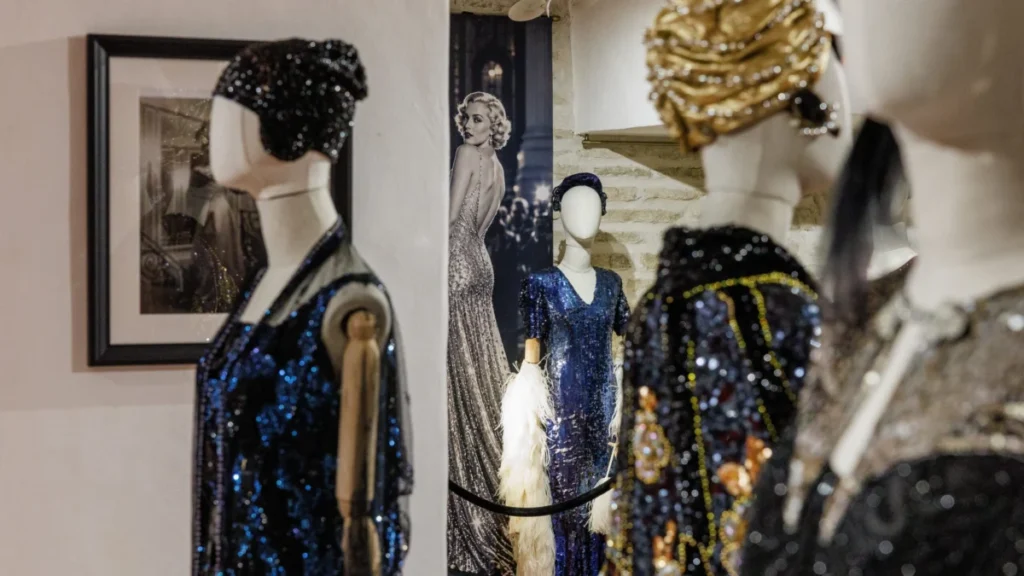

The cultural landscape of Estonia has expanded with the grand opening of the nation’s first dedicated fashion history museum, situated within the historic walls of Keila-Joa Castle, also historically known as Schloss Fall. Located just over 30 kilometers—approximately 17 miles—west of the Estonian capital of Tallinn, the museum establishes a permanent home for sartorial history in the Baltic region. To mark its debut, the institution has unveiled an ambitious inaugural exhibition titled “Red Carpet: From Ballrooms to Film Galas.” This flagship showcase explores the profound and glamorous intersection of cinema and fashion, guiding visitors on a chronological journey spanning from the exquisite haute couture of the Belle Époque to the timeless sophistication of Hollywood’s Golden Age, and forward to the modern aesthetics of today’s international film festivals.
The establishment of this museum represents a major milestone for preservationists and fashion historians in Northern Europe. Housed inside a neo-Gothic estate steeped in aristocratic heritage, the museum bridges the gap between historical garment preservation and contemporary entertainment culture. By examining how cinematic storytelling and high fashion have continually influenced one another, the venue offers international visitors and local residents alike a deeper appreciation for the artistry woven into the fabric of both film and clothing.

A Tribute to Three Decades of Cinematic Excellence
A cornerstone of the museum’s inaugural programming is a dedicated gallery celebrating the milestone 30th edition of the renowned Tallinn Black Nights Film Festival (PÖFF), scheduled to run from November 6 to 22. As one of the most prominent competitive film festivals in Northern Europe, PÖFF has spent three decades placing Estonia firmly on the global cinematic map. The festival-focused section of the exhibition captures the dynamic synergy between motion pictures, haute couture, and the distinct allure of festival culture.
Among the standout displays in this room are custom-designed red carpet gowns created by prominent Estonian fashion designer Kirill Safonov. These garments were specifically tailored for the festival’s founder and director, Tiina Lokk, to wear during opening night ceremonies over the years. Complementing the physical garments is a curated series of striking photographs captured by festival photographer Erlend Štaub. These images immortalize esteemed international guests, filmmakers, and unforgettable stylistic moments on the festival’s signature black carpet, offering a visual retrospective of PÖFF’s cultural footprint.
From Hollywood Icons to European Royalty: The Exhibition Highlights
Spanning multiple meticulously restored rooms within Keila-Joa Castle, “Red Carpet: From Ballrooms to Film Galas” features approximately 70 historical dresses, accompanied by an extensive collection of period jewelry, vintage shoes, luxury handbags, sparkling tiaras, and rare period portraits. The exhibition’s scope is truly international, drawing on pieces that tell the stories of silver-screen legends and trendsetting tastemakers.

Among the most anticipated artifacts on display are iconic garments associated with Hollywood royalty. Visitors can view authentic dresses worn by legendary screen sirens Marlene Dietrich and Gloria Swanson, alongside carefully preserved pieces linked to the enduring legacies of Marilyn Monroe and Audrey Hepburn. Furthermore, the exhibition honors the master architects of cinematic style by showcasing creations by Gilbert Adrian, the legendary Hollywood costume designer whose work defined the glamorous aesthetic of Metro-Goldwyn-Mayer during the studio system’s peak.
According to curatorial notes provided by the museum and the festival organizers, the overarching philosophy of the exhibition is rooted in the cultural significance of the red carpet itself. As stated on the official Schloss Fall website, the red carpet has consistently transcended its physical function as a mere pathway to an event. Instead, it serves as a dynamic socio-cultural space where high fashion, fine art, celebrity influence, and individual self-expression converge.
Chronology and Partnership: A Decade in the Making
The opening of Estonia’s inaugural fashion history museum is not an isolated cultural event, but rather the culmination of a decade-long collaborative partnership. For ten years, Keila-Joa Castle has maintained a fruitful institutional alliance with the prestigious Alexandre Vassiliev Foundation in Paris. This ongoing partnership has previously brought a series of highly successful, critically acclaimed fashion history exhibitions to the historic Estonian estate, steadily building public interest and laying the groundwork for a permanent museum dedicated to the discipline.

The painstaking curation process required to bring “Red Carpet: From Ballrooms to Film Galas” to life involved years of sourcing, textile conservation, and logistical coordination between French archives, Estonian cultural ministries, and private collectors. The result is a seamless exhibition timeline that moves fluidly from the corseted opulence of the late 19th and early 20th centuries to the fluid silhouettes of the 1930s Hollywood golden era, before culminating in the bold, avant-garde statements seen at contemporary film galas.
Official Perspectives and Cultural Implications
Industry leaders and cultural figures have been vocal about the broader implications of the museum’s launch. Andrei Dvorjaninov, the owner and custodian of Keila-Joa Castle, emphasized the museum’s educational and cultural mission during the opening ceremonies.
"Over three decades, PÖFF has brought world cinema, intimate encounters with visionary filmmakers, and the distinct glamour of the red carpet to Estonia," Dvorjaninov remarked, noting how the institution seeks to expand public engagement with the arts. "The museum explores how fashion faithfully reflects political and social history, and how clothes, visionary designers, and film stars collectively shape our modern understanding of beauty, elegance, and the splendor of special occasions."

Dvorjaninov further elaborated on the significance of the PÖFF-dedicated gallery, stating that the exhibition serves as a heartfelt tribute "to everyone who has helped Estonia become an integral and respected part of the international film community."
For film enthusiasts and culture seekers living in or traveling to Tallinn, the museum provides a rich intellectual and visual extension to the traditional film-watching experience. Rather than merely consuming cinema inside a dark theater, visitors are invited to examine the material culture that surrounds the industry—the textures, designs, and historical contexts that transform actors into cinematic icons.
Broader Economic and Tourism Impact
The debut of the fashion history museum at Keila-Joa Castle is expected to provide a substantial boost to regional tourism outside of Estonia’s traditional peak summer travel season. By aligning the museum’s opening with the lead-up to the Tallinn Black Nights Film Festival in November, organizers are strategically capturing the influx of international film critics, industry executives, journalists, and cinephiles who travel to the region for PÖFF.

Cultural economists note that niche museums housed in historical properties significantly enhance the competitive appeal of secondary tourist markets. By decentralizing cultural offerings away from downtown Tallinn and drawing visitors out to the picturesque Keila-Joa estate, the initiative supports local hospitality, transportation, and regional service sectors. Furthermore, the partnership with the Alexandre Vassiliev Foundation elevates Estonia’s profile within the global network of fashion heritage institutions, positioning the country as an emerging hub for textile arts and costume history scholarship.
As “Red Carpet: From Ballrooms to Film Galas” opens its doors to the public, it establishes a high standard for future exhibitions at Keila-Joa Castle. By successfully marrying the histories of European high society with the glittering mythology of global cinema, Estonia’s newest museum secures a unique and enduring place on the international cultural map.