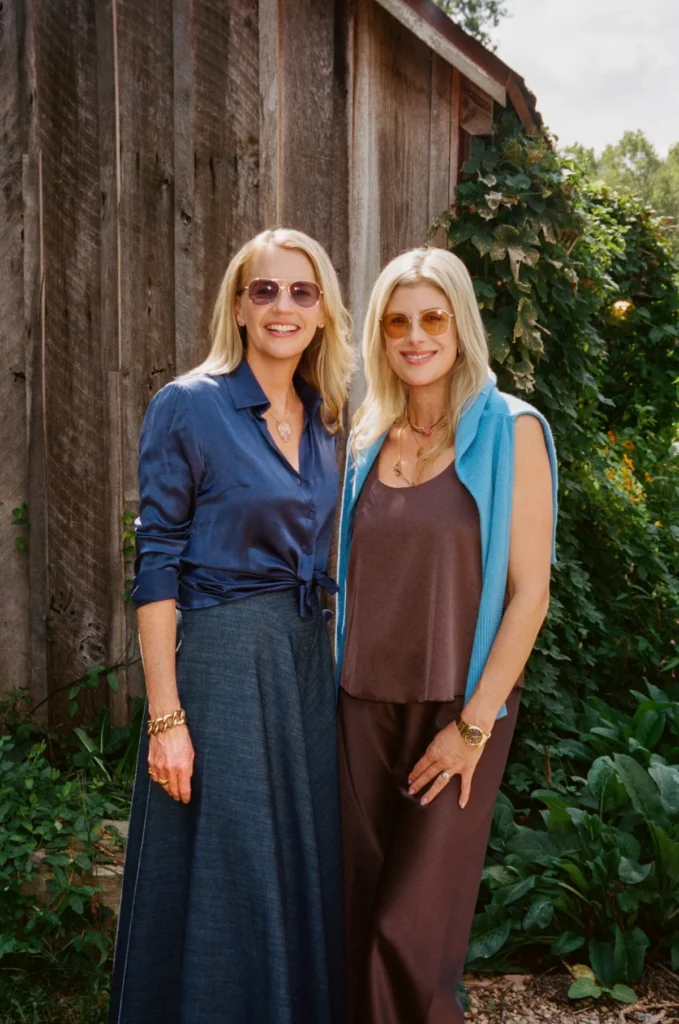

Hosting a dinner party is often viewed as a high-stakes logistical challenge, yet for those who have mastered the craft, it is an exercise in intentionality and connection. The recent collaborative dinner hosted by Mary Celeste Beall, proprietor of the renowned Blackberry Farm in Walland, Tennessee, and Nashville-based singer-songwriter Jessie Baylin, serves as a masterclass in the intersection of rural hospitality and modern elegance. By blending the farm’s artisanal production capabilities with the intimate, curated aesthetic of contemporary home entertaining, the duo has provided a blueprint for what experts call the "new era of gathering," where ease and intentionality take precedence over rigid formality.
The Evolution of the Blackberry Farm Aesthetic
Blackberry Farm, which celebrates its 50th anniversary this year, has long been a destination synonymous with Southern luxury. Located on a 4,200-acre estate in the Great Smoky Mountains, the property has transitioned from a family retreat to a global touchstone for farm-to-table culinary practices. At the core of its success is a vertically integrated supply chain, specifically its artisanal sheep’s milk cheese program.

Mary Celeste Beall’s approach to the recent dinner was rooted in this legacy. By utilizing the estate’s Grain Bin—a repurposed structure originally designed for agricultural storage—the event underscored the farm’s commitment to repurposing history for modern social experiences. The use of artisanal cheeses, including the Herbed Tomme and Singing Brook varieties, provided the foundational structure for the evening’s charcuterie service. This choice reflects a growing consumer trend toward "low-labor, high-impact" hosting, where the quality of the ingredient removes the need for overly complex preparation.
Chronology of the Collaboration
The partnership between Beall and Baylin was not a spontaneous arrangement but the culmination of a decade-long professional and personal relationship. The two met over ten years ago during a private event at the farm, where they discovered a mutual affinity for music, family values, and interior design.
The planning phase for the recent dinner began in early autumn, focusing on the sensory environment of the Grain Bin. The timeline for the event followed a structured, yet flexible, protocol:

- Late Morning: Final curation of the guest list and playlist, ensuring a balance of industry figures and personal friends.
- Early Afternoon: Coordination with the farm’s culinary team to secure small-batch provisions, including pickled okra and pumpkin and pear butter.
- Pre-Event: Setting the table, which involved the strategic placement of pewter chargers and porcelain dinnerware, underpinned by a deep blue floral tablecloth to anchor the visual field.
- The Soiree: Execution of a family-style meal, designed to encourage conversation through communal serving platters rather than the individual pre-plating common in high-end restaurant service.
Supporting Data and Industry Trends
The shift toward family-style dining is not merely a stylistic preference; it is supported by current hospitality data. According to recent surveys by the National Restaurant Association and luxury lifestyle analysts, 62% of home hosts now prefer communal dining formats because they reduce the perceived "performance pressure" on the host. Furthermore, the trend toward "batched cocktails"—a method championed by Baylin—has seen a 15% increase in popularity among urban hosts, as it allows the host to engage with guests immediately upon their arrival rather than remaining behind a bar.
The economic implications of such events are significant. The luxury home entertaining market, which encompasses everything from artisanal dinnerware to boutique food products, is projected to reach $18 billion globally by 2026. Beall’s integration of the Blackberry Farm brand—offering everything from $220 mint julep cups to $18 artisan preserves—demonstrates how high-end estates are successfully commodifying the "lifestyle experience" they curate.
The Philosophy of Seating and Atmosphere
A recurring theme throughout the discussion with both hosts was the importance of physical environment in dictating the success of an evening. Beall emphasizes "cozy seating" as a tool for inclusivity, while Baylin advocates for the strategic use of assigned seating.

From a sociological perspective, assigned seating at private dinner parties acts as a social lubricant. By removing the initial anxiety of "where to sit," hosts allow guests to transition immediately into the social phase of the evening. This professional approach to private hosting—treating a home dinner with the same organizational rigor as a commercial event—has become a hallmark of successful socialites in the post-pandemic era.
Official Perspectives on Hosting Dynamics
When asked about the balance between the "pretty" aesthetic and the "relaxed" reality of hosting, both women offered pragmatic advice. Beall noted that the key is "pre-planning," which allows for a pivot to spontaneity. "I’m not afraid of a group question if needed," Beall remarked, highlighting the host’s role as a facilitator of discourse.
Conversely, Baylin emphasizes the importance of the host’s emotional state. "I do my best to get as much done early in the day so I can really enjoy the evening," she stated. This philosophy—that the host’s enjoyment is a prerequisite for the guests’ enjoyment—is a foundational principle of the hospitality industry, often referred to as the "host-guest emotional resonance" effect.

Broader Impact and Implications
The success of the Blackberry Farm dinner series, titled Table Mates, suggests a broader societal shift toward meaningful, small-scale gatherings. As digital connectivity continues to dominate professional life, the demand for "analog" social experiences—physical, tactile, and communal—is rising.
The event also highlights the role of the "co-host." By sharing the burden of planning, playlist curation, and cleanup, Beall and Baylin have demonstrated that the traditional model of the singular, exhausted host is becoming obsolete. The "cleanup accomplice," as referred to in their collaborative strategy, serves as a safeguard against the burnout that often discourages people from hosting.
The After-Party: A Lesson in Rituals
The conclusion of the evening, characterized by the transition from dinner to digestifs like Chartreuse, serves as a ritualistic bookend to the event. This phase is critical, as it allows for the shift from structured dining to unstructured leisure. The debate regarding cleaning up—whether to do so immediately or wait until the next morning—remains a polarizing topic. Beall’s preference for leaving the remnants of the night as a "peek back" into the experience offers a romantic view of hosting, while Baylin’s insistence on a clean kitchen by morning reflects a more disciplined, efficiency-focused approach.

Ultimately, the event at Blackberry Farm was not just about the food or the drink; it was a demonstration of how personal relationships can be cultivated through the medium of a well-planned dinner. In an era where hospitality is often simplified to an Instagram aesthetic, the work of Mary Celeste Beall and Jessie Baylin reminds us that the most essential ingredient remains the human connection facilitated by an intentional, welcoming environment. Whether it is through the careful selection of a vintage wine or the simple act of lighting candles, the art of the soiree continues to be a vital component of social life.