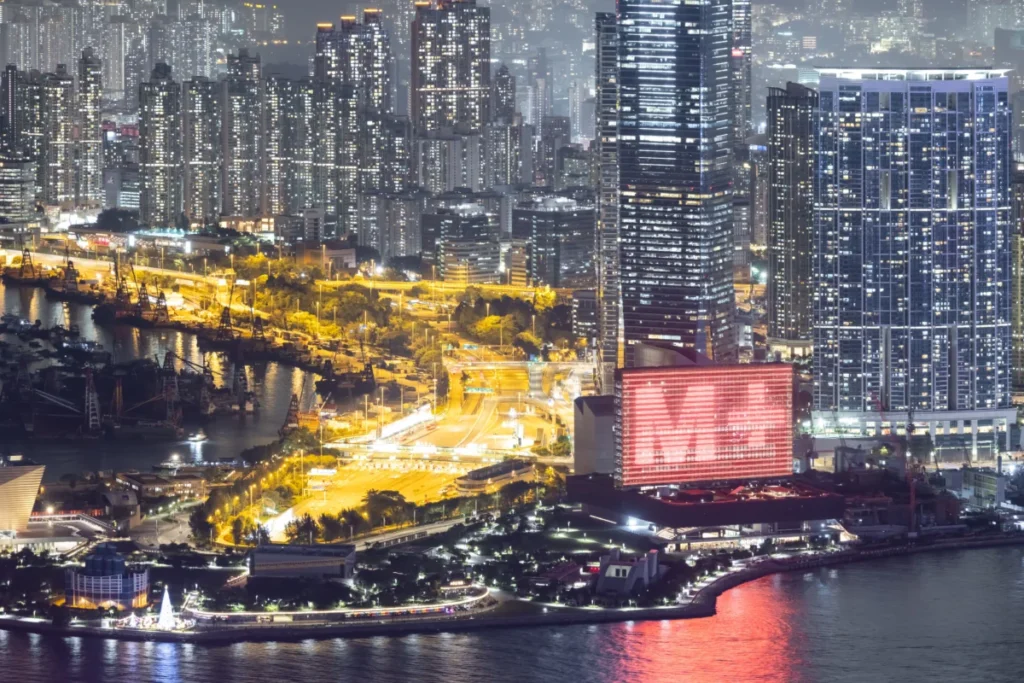

The global perception of Hong Kong as a monochromatic financial hub defined by vertical glass canyons is undergoing a profound reassessment. Over the past decade, the city has strategically repositioned itself as a preeminent cultural nexus, driven by significant capital investment in architecture, institutional arts, and the revitalization of historic districts. This evolution has been anchored by the 2021 inauguration of the M+ museum, a Herzog & de Meuron-designed landmark that catalyzed a broader shift in the city’s identity. As the international art community continues to gravitate toward events like Art Basel Hong Kong, the city’s urban fabric is increasingly characterized by a sophisticated dialogue between hyper-modern development and the preservation of traditional textures.

Chronology of a Cultural Shift

The transformation is not an overnight phenomenon but the result of a deliberate, long-term urban strategy. The following timeline illustrates the key milestones in Hong Kong’s transition into a global cultural capital:

2012: The Asia Society Hong Kong Center opens, setting a precedent for high-end adaptive reuse by transforming former military explosives magazines into a cultural hub.
2018: The revitalization of Tai Kwun, the former Central Police Station Compound, is completed, successfully integrating contemporary exhibition spaces with restored colonial-era architecture.
2021: The long-anticipated M+ museum in the West Kowloon Cultural District officially opens to the public, establishing the city as a serious player in the global contemporary art market.
2024: The completion of The Henderson, a Zaha Hadid Architects-designed tower, signals a new era of "green" corporate architecture in the Central district, housing international auction giants like Christie’s.
2025: Anticipation builds for the forthcoming WestK Performing Arts Centre, designed by UNStudio, which aims to further solidify the West Kowloon waterfront as the city’s primary cultural artery.

The Duality of Design: High-Flying Skyscrapers and Street-Level Heritage

The city’s architectural identity is currently defined by a "layered" approach, where ultra-modern, LEED-certified skyscrapers exist in proximity to traditional wet markets and cha chaan tengs—the local cafes that have served as the social backbone of the city since the colonial era.

Design experts and local practitioners, such as Vincent Lim of the interdisciplinary firm Lim + Lu, argue that this dichotomy is the city’s greatest strength. While the "hyper-efficient" narrative persists, the reality for residents and design professionals is far more textured. For instance, the coexistence of the sleek Henderson tower with humble, decades-old street-level businesses creates a unique urban metabolism. This layering is not merely aesthetic; it is a functional integration of heritage into a fast-paced, high-density environment.

Institutional Growth and the Economic Impact of the Arts

The economic implications of this cultural shift are substantial. The growth of Art Basel Hong Kong, alongside satellite fairs such as Art Central and the Edible Art Fair, has turned the city into a mandatory stop for global collectors. According to recent market reports, Hong Kong remains one of the world’s most significant art trading centers, competing directly with London and New York. The presence of major auction houses and international galleries, many of which are now concentrated in industrial-to-artistic conversions like the Wong Chuk Hang district, highlights the robust demand for premium cultural experiences.

The "hidden door" phenomenon—where world-class speakeasies and bespoke design boutiques are found behind the unassuming facades of traditional tenement buildings—reflects a market preference for exclusive, discovery-based retail experiences. This trend has supported local brands like Lala Curio, which blends traditional cloisonné and embroidery techniques with contemporary interior design, proving that there is a viable commercial path for preserving traditional craftsmanship within a modern luxury framework.

Expert Perspectives on Navigating the City

To navigate this multifaceted landscape, a consortium of design insiders—including Pak Man Lee, Frank Leung, and the team at Lim + Lu—offers a curated map of the city’s most significant touchpoints.

Hospitality and the Art of Living
The city’s hotel scene has pivoted from purely business-oriented accommodation to "design-led" luxury. The Rosewood Hong Kong is cited for its meticulous attention to detail and integration with the harbor’s landscape, while The Upper House, designed by André Fu, is noted for its ability to provide a residential, tranquil environment in the middle of a high-density urban core. The Peninsula Hong Kong remains the anchor of historical continuity, representing the fusion of British colonial elegance with modern Asian hospitality standards.

Neighborhoods of Interest
Beyond the Central business district, several neighborhoods are currently experiencing a creative resurgence:

- Sham Shui Po: Once the textile and hardware center of the city, this district is now a hub for independent cafes and creative studios. Its Tai Nan Street serves as an open-air museum of the city’s changing identity.
- Ap Lei Chau and Wong Chuk Hang: These areas represent the industrial evolution of the city, where freight elevators now transport visitors to some of the most influential contemporary galleries in Asia.
- Sheung Wan: This district remains the epicenter of the old-meets-new narrative, home to the Man Mo Temple and a dense concentration of antique shops and independent roasters.
Strategic Recommendations for Cultural Engagement

For those looking to engage with the city’s cultural pulse, the following recommendations emphasize the importance of looking beyond street level:

- Never Judge by Street Level: As noted by local experts, the most profound cultural experiences in Hong Kong—whether it be a hidden gallery, a specialized boutique, or a unique restaurant—are often located on the upper floors of high-density commercial buildings. Utilizing freight elevators is a necessary skill for the design-conscious traveler.
- The Waterfront Experience: Taking the Star Ferry remains a non-negotiable activity. It provides the most affordable and visually accurate perspective on the architectural evolution of the Victoria Harbour skyline.
- Nature as Architecture: The proximity of nature to the urban center is a defining feature of Hong Kong. Trails like the Wilson Trail or the Lo Fu Tau (Tiger’s Head) Trail offer a necessary counterpoint to the intensity of the urban environment, providing perspectives on the city’s topography that cannot be understood from the street.
- Religious and Cultural Silence: Sites like the Tsz Shan Monastery provide a glimpse into contemporary interpretations of traditional architecture. These spaces are intentionally designed to facilitate silence and reflection, a rare commodity in a city known for its density.
Implications and Future Outlook

The strategic investment in cultural infrastructure is a deliberate attempt to diversify Hong Kong’s economy beyond its traditional reliance on finance and trade. By establishing itself as a "cultural port," Hong Kong is successfully attracting a demographic of creative professionals and high-net-worth individuals who prioritize quality of life and cultural capital.

However, the rapid pace of development presents challenges, particularly regarding the preservation of "tong lau" (tenement) buildings and the displacement of smaller, family-run businesses. The success of future urban planning will depend on the city’s ability to maintain the "textural layering" that current observers prize so highly. As the WestK Performing Arts Centre nears completion, the city will face the next phase of its evolution: ensuring that its world-class cultural institutions remain connected to the organic, street-level energy that makes Hong Kong’s design scene truly distinctive.

The current trajectory suggests that Hong Kong is not merely adopting global trends in architecture and art, but is instead cultivating a unique, hybrid identity. By leveraging its history while aggressively pursuing future-facing design projects, the city is effectively rewriting its narrative from a transient financial center to a permanent cultural destination.