
The intersection of K-pop stardom, intense public scrutiny, and airport fashion became a focal point of online discourse on September 17, when BTS member Jungkook was thrust into renewed dating speculation. As the global supergroup arrived at Incheon International Airport to depart for Las Vegas ahead of their scheduled performance at the iHeartRadio Music Festival, a routine security check quickly devolved into internet speculation. Videos capturing the members passing through pre-departure screening protocols showed Jungkook keeping his outer layer of clothing on, while his fellow bandmates removed theirs. This single moment catalyzed a wave of online commentary, reviving persistent, unverified rumors linking him to aespa member Winter, specifically concerning alleged matching tattoos and synchronized styling choices.
Chronology of Events at Incheon International Airport
The sequence of events unfolded early in the morning on September 17 at Incheon International Airport. Members of BTS arrived to board a flight bound for the United States, where they were slated for a high-profile appearance at the iHeartRadio Music Festival in Las Vegas. As is customary for public figures of their stature, the group’s departure was heavily documented by both professional media outlets and devoted fans stationed at the terminal.
Footage captured the members navigating the security checkpoint area. Standard international airport security protocols generally require passengers to remove external garments such as jackets, heavy coats, or oversized outerwear to facilitate accurate scanner readings, though exact enforcement can vary by checkpoint and individual scanner technology. In the widely circulated clips, several BTS members removed their outer layers prior to passing through the screening equipment. Jungkook, however, remained fully clad in his outer garment.
Within hours, snippets of the airport footage circulated widely across platforms like X (formerly Twitter) and various online community forums. Observers immediately began dissecting his choice to keep his jacket on, connecting the incident to ongoing conspiracy theories regarding his personal life.
The Roots of the Jungkook and Winter Dating Rumors
The speculation surrounding Jungkook and aespa member Winter is not a recent development. Over the past year, various online communities have periodically generated claims that the two prominent idols are romantically involved. These assertions have primarily relied on so-called "evidence" compiled by hyper-vigilant netizens and online shippers—subsets of fandoms dedicated to pairing celebrities together romantically.
Among the primary claims driving these rumors are alleged "couple items," ranging from similar accessories to identical clothing pieces worn during non-public schedules. More prominently, online commentators have fixated on claims that the two artists share matching tattoos located on the back of their arms. While neither management agency has ever verified the existence of these tattoos or acknowledged any relationship, the rumor mill has sustained itself through continuous digital surveillance and retrospective analysis of the idols’ public appearances.
Detractors and skeptical netizens quickly seized upon the Incheon Airport footage as physical manifestation of the alleged relationship. Theorists argued that Jungkook’s refusal to remove his jacket during the security screening was a calculated move to conceal the disputed tattoo from public view, interpreting his actions through the lens of avoidance and secrecy.
Polarized Reactions Within the Fandom and General Public
The dissemination of the airport footage triggered a sharp division among social media users, reflecting the deeply polarized nature of modern K-pop fandom culture. On one side, critical netizens and vocal anti-fans utilized the moment to launch renewed attacks against the BTS vocalist. Critics accused the artist of dishonesty with his fanbase, employing derogatory language and creating trending hashtags to amplify their grievances. For this segment of online commentators, the assumption that the clothing choice was tied to a concealed tattoo was treated as absolute fact, used to fuel arguments regarding celebrity transparency and personal accountability.
Conversely, the artist’s robust global fanbase mobilized swiftly to defend him against what they characterized as intrusive surveillance and baseless harassment. Supporters pointed out the logical absurdity of expecting an individual to completely strip off weather-appropriate travel clothing simply to satisfy the demands of online spectators. Furthermore, many fans emphasized that even if the dating rumors were true, adult entertainers maintain the fundamental right to personal privacy and autonomy over their romantic lives without facing public vitriol.
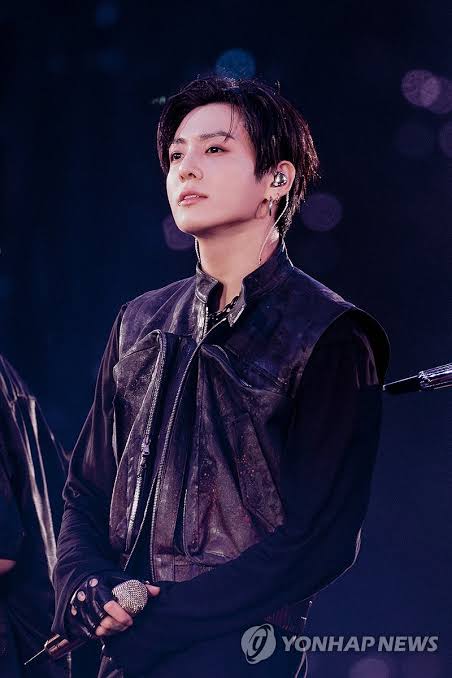
Defenders also highlighted the recurrent nature of these manufactured controversies, noting that the specific tattoo claims had been thoroughly debunked by observant supporters on multiple previous occasions. Rather than engaging with the substance of the rumors, defending fan accounts focused on condemning the invasive nature of analyzing everyday airport security procedures through a conspiratorial lens. Representatives for BigHit Music, BTS’s agency, and SM Entertainment, aespa’s agency, have consistently maintained a policy of silence regarding speculative rumors concerning their artists’ private lives, declining to issue formal statements on unverified internet claims.
Broader Implications for K-Pop Idols and Public Privacy
The incident at Incheon International Airport serves as a case study in the extreme levels of scrutiny faced by high-profile figures within the South Korean entertainment industry. Every minute action—from wardrobe choices at security checkpoints to brief interactions caught on camera—is subjected to intensive digital dissection by a global audience equipped with social media amplification tools.
This hyper-surveillance creates a precarious environment for artists operating at the pinnacle of international fame. The pressure to conform to strict industry standards regarding personal conduct often conflicts with basic human expectations of privacy. When routine travel procedures are reinterpreted as covert concealment strategies, it highlights the challenges idols face in maintaining personal boundaries amidst relentless public observation.
As K-pop continues its rapid expansion into mainstream Western markets, the cultural dynamics surrounding idol privacy, fan entitlement, and online harassment remain pressing issues for both management agencies and industry analysts. While agencies focus on logistical security and global promotional campaigns, the psychological toll of digital policing on artists underscores the ongoing tension between public consumption and private reality.