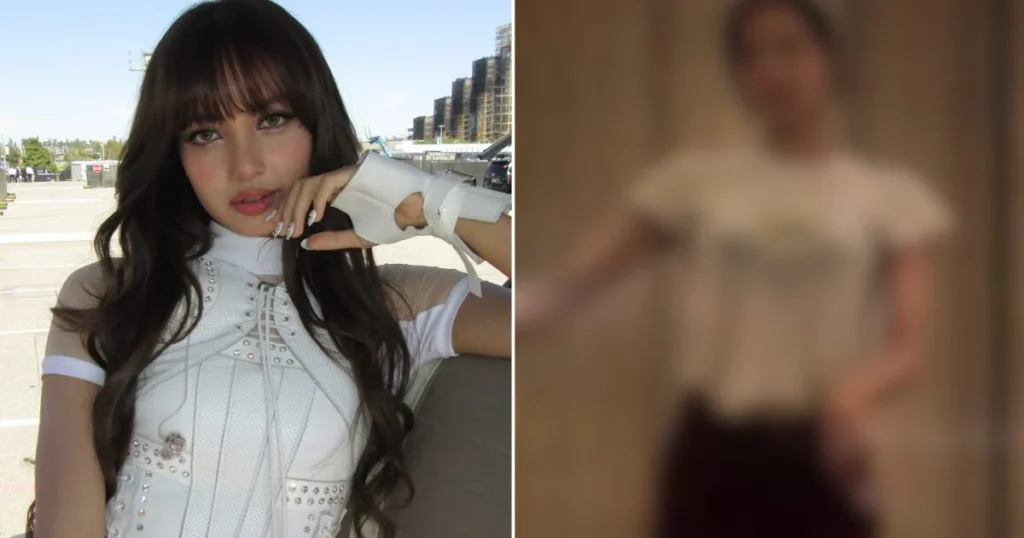

The release of the promotional teaser for BLACKPINK member Lisa’s upcoming documentary has unexpectedly ignited a heated cross-border cultural debate across multiple social media platforms. The controversy centers on a brief segment within the preview footage featuring the global superstar performing intricate, traditional hand and body movements. While the documentary aims to offer an intimate, behind-the-scenes look at the artist’s multifaceted career and personal heritage, the inclusion of these traditional movements has drawn sharp criticism from online commentators in Cambodia, who argue that the performance heavily incorporates sacred Khmer dance traditions without providing explicit cultural attribution.
The friction highlights the complex intersections of pop stardom, regional identity, and the preservation of shared or closely related Southeast Asian cultural heritage. As the digital discourse continues to expand across TikTok, X (formerly Twitter), and various fan communities, the debate has evolved from a simple dispute over credits into a broader conversation regarding historical representation, cultural appropriation, and national pride in the digital age.

Background and Context of the Controversy
The root of the disagreement lies in the deep historical and artistic connections between traditional dance forms in mainland Southeast Asia, specifically traditional Khmer classical dance and Thai classical performing arts. Classical dance traditions across the region—including Cambodia’s Royal Ballet (often associated with Apsara imagery) and Thailand’s Khon and classical court dance repertoires—share deep historical roots influenced by ancient Indian epics, religious iconography, and centuries of regional exchange. Because of these intertwined histories, specific hand gestures, postures, and costuming elements bear striking resemblances to one another.
For Lisa, who was born and raised in Thailand before achieving international stardom as a member of K-pop powerhouse BLACKPINK, incorporating elements of her heritage into her solo artistic endeavors is not a new phenomenon. Her previous solo music releases and promotional campaigns have frequently integrated subtle nods to Thai culture, aesthetics, and traditional motifs, earning her immense praise from domestic fans and cementing her status as a cultural ambassador for Thailand. However, the latest documentary teaser crossed a sensitive threshold for a segment of Cambodian netizens, who view the specific choreography and stylistic presentation as an oversight regarding the distinct origins of Khmer classical heritage.
Chronology of the Online Backlash
The controversy unfolded rapidly following the public debut of the documentary preview. Within hours of the trailer’s release, users on X began dissecting individual frames of the dance sequence. Critics argued that the specific choreography closely mirrored sacred movements preserved for centuries within Cambodian cultural institutions.

By September 12, 2026, the discussion had saturated short-form video platforms like TikTok. Numerous content creators from Cambodia posted detailed explanatory videos pointing out specific hand placements, finger extensions, and postural alignment. These creators asserted that utilizing such culturally significant movements without explicitly acknowledging their Khmer origins constitutes a form of cultural erasure or negligence. Hashtags such as #KhmerCulture, #RespectKhmerCulture, and various localized tags defending national heritage quickly trended globally, accumulating millions of views and triggering fierce comment sections.
Conversely, counter-narratives began to emerge shortly thereafter from supporters and fans defending the idol. Pro-Lisa commentators argued that the accusations were unfounded, claiming that the dance style performed in the documentary was part of a distinct traditional Thai repertoire—specifically pointing to regional forms such as the Srivijaya dance style. Furthermore, some defenders alleged that portions of the anti-Lisa campaign utilized manipulated media or artificial intelligence-generated clips designed to exacerbate regional tensions and deliberately misrepresent the choreography performed in the official teaser.
Diverse Reactions from Online Communities
The digital polarization surrounding the documentary teaser reflects broader, long-standing sensitivities regarding cultural ownership in Southeast Asia.

On one side of the digital aisle, Cambodian commentators emphasized the sacred nature of their traditional arts. Many users expressed frustration that global icons with massive international platforms do not exercise greater diligence when utilizing traditional motifs. One widely shared post on X articulated this sentiment, stating that staying silent while cultural history is seemingly obscured or misattributed is unacceptable, given the historical struggles to preserve Khmer heritage through periods of conflict and turmoil. TikTok users echoed these concerns, stressing that appreciation of a culture must always be accompanied by accurate and respectful attribution of its historical source.
On the other side, supporters of the Thai superstar accused critics of territorial overreach and historical revisionism. Defenders circulated comparative analyses of Thai and Khmer classical dance traditions, arguing that neighboring countries share broad artistic lineages due to historical migrations and royal court exchanges, making exclusive claims difficult to substantiate. Some Thai netizens expressed exasperation, suggesting that international fans were weaponizing the clip to target the idol unfairly, pointing out that Lisa has consistently used her global platform to spotlight and celebrate traditional Thai craftsmanship, textiles, and performance arts.
Broader Implications for Global K-Pop Stars and Cultural Diplomacy
The unfolding situation surrounding Lisa’s documentary teaser underscores the delicate tightrope that internationally renowned artists must walk when incorporating traditional arts into modern pop culture productions. As K-pop continues to globalize and artists increasingly draw upon their native or regional roots for artistic expression, the scrutiny over cultural representation has intensified exponentially.
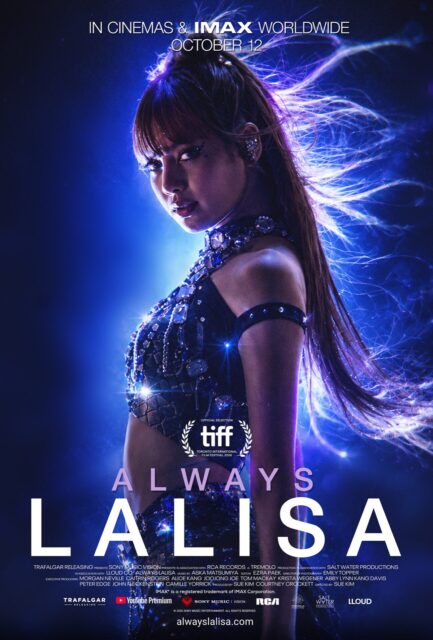
- The Demand for Contextual Attribution: In an era where digital audiences are hyper-vigilant about cultural sensitivity, the omission of clear historical context or explicit credits in promotional materials can rapidly escalate into a public relations crisis. For artists with massive cross-border fanbases, ensuring that traditional elements are properly contextualized is becoming a critical component of project management.
- The Complexity of Shared Heritage: The debate brings to light the inherent challenges of defining strict boundaries around traditional arts in regions with deep historical interconnections. Scholarly consensus often notes that mainland Southeast Asian performing arts developed through centuries of shared religious, literary, and aesthetic exchanges, making modern nationalist claims over specific gestures or costumes a recurring flashpoint for online friction.
- The Role of Fandoms in Amplifying Geopolitical Tensions: Social media algorithms frequently amplify polarized content, transforming artistic discussions into nationalistic debates. The rapid spread of unverified claims, counter-claims, and suspected AI-generated media highlights how quickly digital fan communities can fracture along national lines.
Fact-Based Analysis and Outlook
As of now, neither Lisa’s management label nor the documentary’s production team has issued a formal statement addressing the specific cultural attribution concerns raised by online critics. Given the swift pace of modern social media cycles, industry analysts suggest that the controversy may either subside as more details of the documentary are revealed or necessitate a clarifying statement from the production crew regarding the specific choreographic lineage featured in the disputed scene.
The incident serves as a prominent case study in the responsibilities accompanying global stardom. While artists retain the creative freedom to explore and celebrate traditional performance arts, the globalized nature of modern media ensures that every cultural reference is subject to intense, cross-border analysis. Whether this controversy will impact the commercial reception or streaming numbers of the documentary remains to be seen, but it has indisputably added a complex layer of cultural debate to one of the year’s most anticipated entertainment releases.