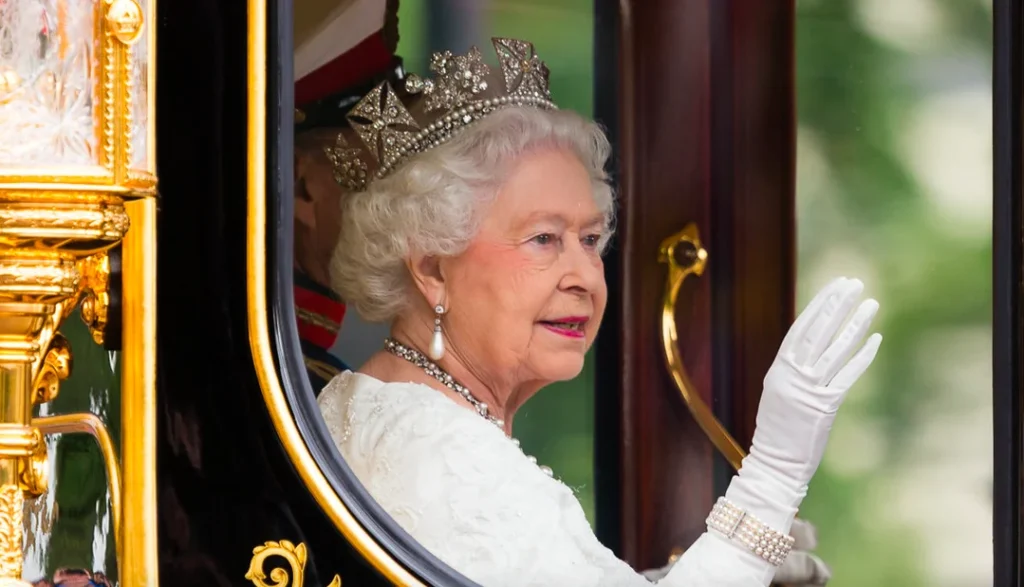

One of the most radiant and historically significant pieces within the British Crown Jewels, the George IV State Diadem, is poised to make a prominent reappearance at the upcoming State Opening of Parliament, an occasion that will also mark the first such ceremony overseen by the nation’s new Prime Minister. This exquisite creation, originally conceived for a male monarch, has, for nearly two centuries, graced the heads of queens, and now, its wear is exclusively reserved for Queen Camilla. The diadem, a breathtaking testament to Georgian-era craftsmanship, is not merely a collection of precious stones but a symbol interwoven with the intricate tapestry of royal succession, political power, and evolving monarchical traditions.
A Royal Commission: George IV’s Vision and Its Glittering Realisation
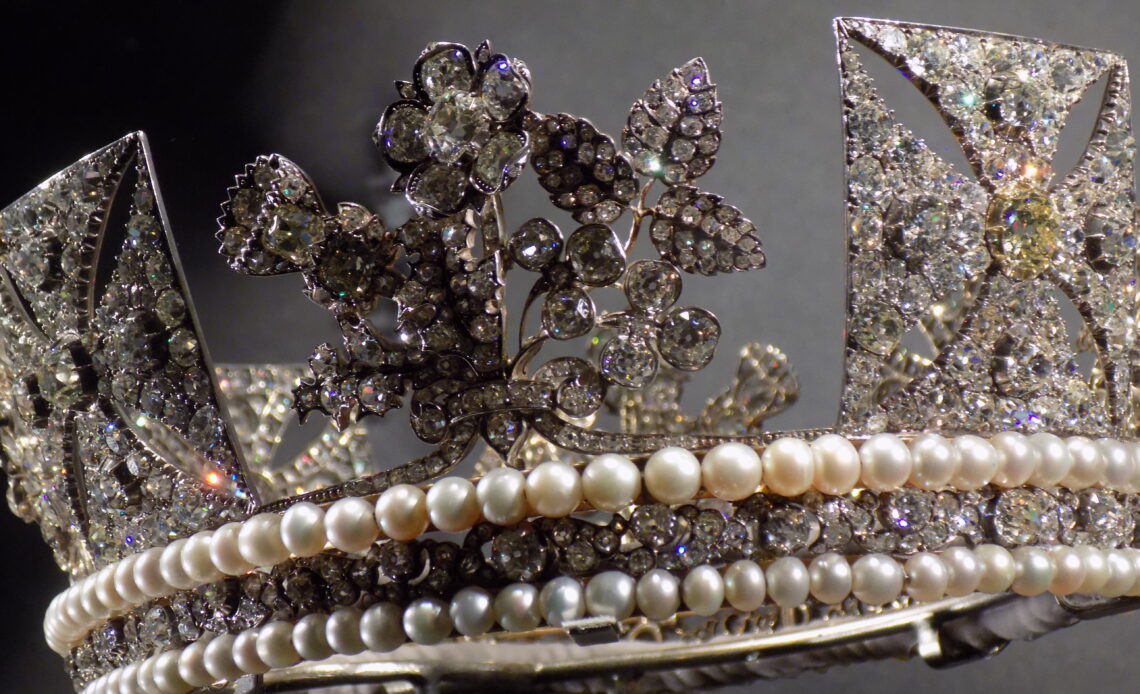
The genesis of the George IV State Diadem can be traced back to 1820, a pivotal year that saw George IV finally ascend the throne after a protracted period of over fifty years as heir apparent and a decade serving as Prince Regent. The diadem, a masterpiece of its time, was commissioned to reflect his new status. Its intricate frame, crafted from gold and silver, is encrusted with over 1,300 diamonds, a dazzling display designed to impress and assert royal authority. The diadem’s design was considered remarkably modern for the era. Instead of adhering to purely traditional heraldic motifs, George IV opted for a more inclusive representation of his realm. Around the central cross, he incorporated gemstones meticulously arranged to form the four national symbols of England, Ireland, Wales, and Scotland. This symbolic gesture was intended to acknowledge the unity of the United Kingdom, even though, historically, the relationship between the monarch and these constituent nations was often complex and far from secure.
George IV himself was not a universally popular monarch. His reign was marred by extravagant spending and a lifestyle that often drew public criticism and ridicule. The immense cost of his coronation and subsequent lavish expenditures contributed significantly to his unpopularity, making the grandeur of the diadem a focal point of both admiration and disdain.
A Tumultuous Personal Life and the Diadem’s First Exclusion
The personal life of George IV was as turbulent as his public image. His animosity towards his wife, Caroline of Brunswick, was palpable from their very first meeting, a sentiment she reciprocated with equal measure. Their ill-fated marriage in 1795, famously conducted with the groom reportedly intoxicated and the bride deeply unhappy, produced only one child, Princess Charlotte, in 1796. Following Charlotte’s birth, the royal couple largely estranged themselves, engaging in a highly public and acrimonious spat that would dwarf any modern-day celebrity feud. Even the tragic deaths of Princess Charlotte and her infant son in childbirth failed to reconcile the deeply divided couple.
In a particularly poignant and symbolic act of his disdain, George IV, adorned in his newly commissioned diadem, decreed that Queen Caroline be barred from attending his coronation. Despite this exclusion, Caroline famously arrived at Westminster Abbey and vociferously demanded entry, her pleas ultimately falling on deaf ears. Though Queen Caroline died shortly after, uncrowned, George IV never remarried. Consequently, the diadem remained exclusively his possession, a potent symbol of his singular reign.
The Diadem’s Transition: From King to Queen Consort
George IV was succeeded by his brother, King William IV, a monarch who harboured a distinct aversion to the ostentatious displays of wealth that had characterised his elder brother’s reign. William IV was so disinclined towards royal pageantry that he initially resisted having a coronation altogether. Eventually persuaded, his ceremony was notably understated, earning it the moniker "The Penny Coronation." Crucially, William IV made no attempt to wear his brother’s diamond-encrusted diadem, and it was during this period that the jewel began its transformation into a piece primarily associated with queens.
A Legacy of Queens: Victoria and Elizabeth II
The George IV State Diadem truly cemented its status as a queen’s jewel under the reigns of two of Britain’s longest-serving monarchs: Queen Victoria and Queen Elizabeth II. The diadem, now over two centuries old, has spent the vast majority of its existence adorning the heads of the Sovereign or their consort. However, when the reigning monarch has been male, the diadem has been passed to the Queen Consort. This tradition has seen it worn by notable consorts such as Queen Alexandra, Queen Mary, Queen Elizabeth (later the Queen Mother), and most recently, Queen Camilla. Its most frequent and significant appearances have invariably been at the State Opening of Parliament, a cornerstone event in the nation’s political calendar.
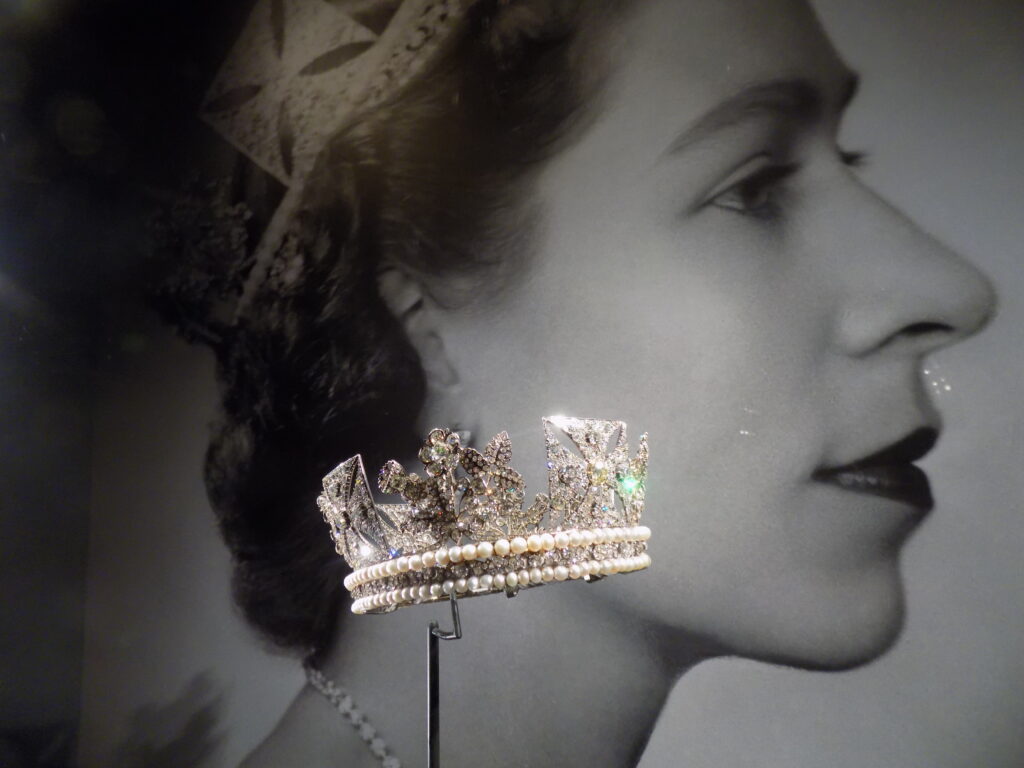
Queen Victoria, a young monarch at the time of her accession, regularly wore the George IV State Diadem for the State Opening of Parliament. This practice continued throughout much of her reign, establishing a precedent for its use by female sovereigns. The diadem became synonymous with her image, appearing on numerous official portraits and becoming a recognisable symbol of her authority and the Victorian era.
Similarly, Queen Elizabeth II, who ascended the throne in 1952, made the George IV State Diadem a central element of her ceremonial attire for the State Opening of Parliament. In 1952, the Imperial State Crown was not yet available for her use as her coronation had not yet occurred. Thus, the George IV State Diadem served as her primary headwear for this crucial constitutional event. Over the years, Queen Elizabeth II continued to favour the diadem, often wearing it during the procession to and from the Palace of Westminster. In the later years of her reign, she made a notable shift: she chose to wear the lighter George IV State Diadem throughout the State Opening ceremony itself, while the heavier Imperial State Crown was carried before her and placed beside the throne, signifying its symbolic weight and the ultimate authority it represents. This practice underscored the diadem’s symbolic importance and its personal resonance for the Queen.
The Diadem’s Enduring Significance: More Than Just Sparkle
Beyond its monetary value, which is substantial given its estimated 1,333 diamonds weighing approximately 320 carats, the George IV State Diadem holds profound symbolic meaning. It has been a constant presence in the visual iconography of the British monarchy for generations. For Queen Elizabeth II, it was particularly iconic, frequently appearing on the portraits used on British stamps and coinage, thereby embedding its image in the daily lives of millions across Britain and the Commonwealth. Its enduring presence on these everyday items cemented its status as a familiar and enduring symbol of royal continuity.
A New Chapter for the Diadem: Queen Camilla and the Modern Monarchy
In the contemporary era, the George IV State Diadem’s custodianship has passed to Queen Camilla. She has worn the diadem for every State Opening of Parliament since King Charles III’s accession to the throne in September 2022. This marks a significant continuation of the tradition, with the diadem, originally intended for a king, now being worn by a Queen Consort. As King Charles III navigates his reign, which has already seen the appointment of four Prime Ministers in a relatively short period, the diadem’s reappearance at the upcoming State Opening of Parliament, coinciding with the new Prime Minister’s first such ceremony, underscores its enduring relevance.
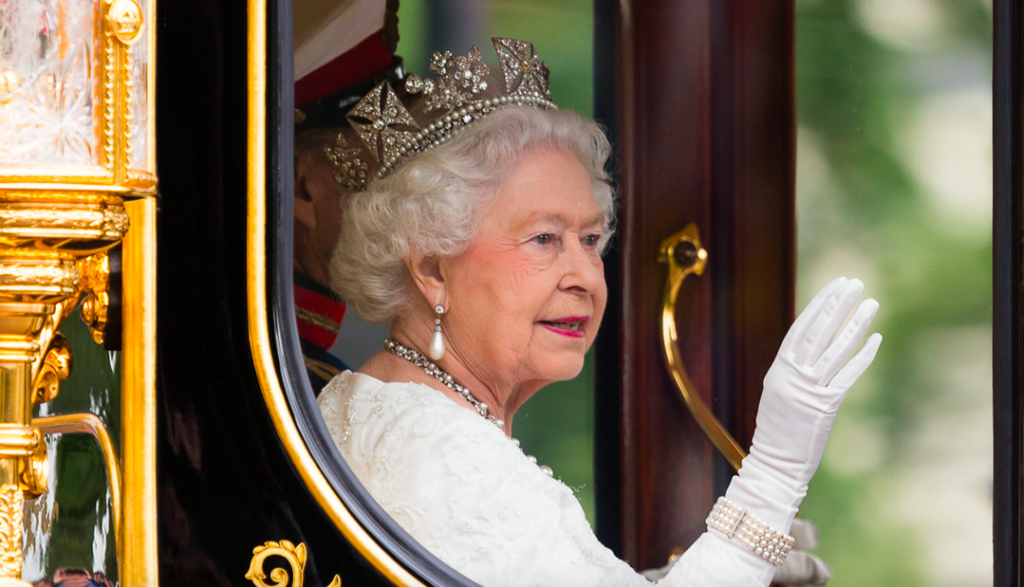
The State Opening of Parliament is a deeply symbolic event in the United Kingdom’s constitutional framework. It is the ceremony where the Sovereign formally opens a new session of Parliament, typically delivering the "King’s Speech" (or Queen’s Speech) which outlines the government’s legislative agenda for the coming year. This event is steeped in tradition, with historical roots stretching back to the 16th century. The Sovereign’s procession to Parliament, accompanied by regalia including the Imperial State Crown and other symbols of authority, is a powerful visual representation of the monarch’s role as Head of State and the continuity of governance. The diadem, while not the primary symbol of sovereign power like the Imperial State Crown, plays a crucial role in this ceremonial theatre, particularly for the Queen Consort, highlighting her position within the royal family and her support of the monarch.
Analysis: The Diadem as a Symbol of Evolving Royal Roles
The journey of the George IV State Diadem from a male sovereign’s intended adornment to a queen consort’s ceremonial staple offers a compelling lens through which to view the evolution of the British monarchy. Originally conceived by a king to project his personal authority and the unity of his kingdom, its subsequent adoption by queens and queen consorts has imbued it with new layers of meaning. It now symbolises female power within the royal sphere, the continuity of the Crown through different monarchs, and the established traditions that underpin the constitutional monarchy.
The fact that the diadem, crafted over 200 years ago for a king, is now exclusively worn by Queen Camilla, particularly for such a significant constitutional event, speaks volumes about the adaptive nature of royal symbolism. It demonstrates how historical artefacts can transcend their original intent and acquire new significance in the context of changing societal norms and the evolving roles of royal figures. Queen Camilla’s wearing of the diadem at the State Opening of Parliament, alongside the Prime Minister’s presence, serves as a visual reminder of the interconnectedness of the Crown, Parliament, and the government, and the enduring traditions that shape British political life. The diadem, therefore, is not merely a treasure of immense material value, but a living artefact that continues to narrate the story of the British monarchy and its place in the modern world.