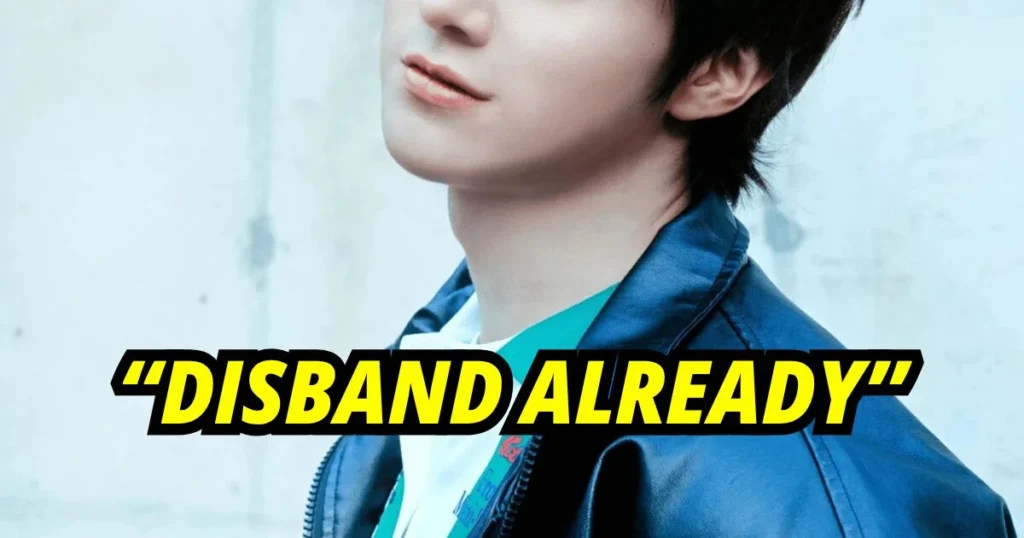

The emerging boy group 1VERSE has found itself at the center of a significant public relations crisis following the publication of a social media video that appeared to trivialize child abuse. On July 21, 2026, the group’s official TikTok account uploaded a video featuring three of its members that immediately sparked outrage across various social media platforms. The video, which has since been deleted, contained a caption that read, “I’ll show you how to tell when a child is being abused.” In the footage, one member of the group was seen opening his hands in a sudden movement toward another member, who then performed an exaggerated flinch. This "flinch test" is often discussed in psychological and social work contexts as a potential indicator of physical trauma or a history of abuse in children, and the group’s decision to present it in a comedic or lighthearted format was met with swift and severe condemnation from fans and the general public alike.
The controversy comes at a precarious time for 1VERSE, as the group is currently promoting with only three of its five members. The absence of the remaining two members has been a point of contention and concern for the group’s dedicated fanbase, known as 5TARZ, for several months. The decision to post content that made light of abuse—specifically when fans had already expressed concerns regarding the group’s internal management and the treatment of its members—was viewed by many as a tone-deaf response to legitimate community anxieties.
Chronology of the Incident and Immediate Response
The timeline of the event began late on July 21, when the TikTok video was first shared. Within hours, the clip was mirrored on X (formerly Twitter) and other platforms, where it garnered thousands of views and a wave of critical commentary. Fans pointed out that child abuse is a global crisis and that using the suffering of vulnerable children as a punchline for social media engagement is a violation of ethical standards for public figures.
By July 22, the backlash had reached a level that necessitated a response from the group’s management. The controversial video was removed from all official channels. Shortly thereafter, the official 1VERSE X account released a written statement. The statement acknowledged that the video was removed following "concerns from members of our community." The management recognized that presenting situations associated with abuse in a comedic format is inherently hurtful and admitted that the content had caused significant distress within the 5TARZ fandom.
Following the official statement, the member Kenny took to the fan communication platform B.stage to offer a more personal explanation. His apology was initially delivered in an audio format, which was then followed by a second audio message. In these recordings, Kenny attempted to provide context for the video, stating that the members were "poking at the idea" that people thought their management company was abusing them. This explanation, however, seemed to exacerbate the situation rather than resolve it. Critics argued that by framing the video as a joke about their own rumored mistreatment, the group was essentially mocking the concerns of their fans while simultaneously making light of the broader, very real issue of domestic violence and child endangerment.
Detailed Analysis of the Fanbase Fallout
The reaction from the 5TARZ community has been characterized by a mixture of disappointment, anger, and a sense of betrayal. Historically, K-pop and idol fanbases are known for their fierce loyalty, but the nature of this controversy has led to a notable "fan exodus." Several prominent fan-run update accounts, which serve as the primary source of news and promotion for the group, announced an immediate cessation of activities.
One major account, @1verseupdates, posted a notice of a permanent hiatus, stating that while they hoped for positive change, it would be "wrong to pretend" that the group’s actions were acceptable. Another significant fan-base, @1versepopbase, announced its indefinite closure, citing "recent events over the last few months" as the catalyst for their departure. These closures are particularly damaging for a group like 1VERSE, which relies heavily on grassroots digital promotion to build its brand identity in a crowded market.
Furthermore, the financial impact of the controversy became apparent as fans began sharing screenshots of their canceled subscriptions to the group’s premium content services. One fan’s viral post expressed a sentiment shared by many: "As much as I love them, I won’t give you money if you can’t even say ‘We’re sorry’ after hurting me and many others." The prevailing sentiment among the departing fans is that the group’s apologies felt insincere and lacked a genuine acknowledgement of the gravity of the topic they had satirized.
Contextualizing the Controversy Within Group History
To understand the intensity of the backlash, it is necessary to look at the broader context of 1VERSE’s career. Critics and fans have noted a troubling pattern where the group appears to prioritize "influencer-style" social media content over musical output. Social media commentary highlighted a growing frustration that the group has "released more apologies than songs." This perception of 1VERSE as a group of influencers rather than musical artists has weakened their professional standing.
The current lineup issues also play a significant role in the community’s sensitivity. With two members missing from recent promotions and no clear explanation provided by the agency, rumors of internal strife and mismanagement have been rampant. When Kenny explained that the TikTok was a joke about these very rumors, it was interpreted by many as gaslighting. Fans who were genuinely worried about the well-being of the missing members felt that their empathy was being used as the basis for a crude joke.
Broader Implications for the K-Pop Industry
The 1VERSE incident serves as a cautionary tale for the K-pop industry regarding the risks of social media "challenges" and the pursuit of viral content. In an era where idols are encouraged to be "relatable" and "edgy" on platforms like TikTok and Reels, the line between humor and insensitivity can become blurred. However, the use of trauma-based "trends"—such as the flinch test—crosses a clear ethical boundary.

Child abuse experts and social advocates have long criticized the "flinch test" trend on social media, noting that it trivializes a diagnostic tool used to identify victims of violence. When public figures with global reaches participate in such trends, they contribute to the normalization of trauma as entertainment. For 1VERSE, a group seeking to establish a foothold in the international market, this lack of cultural and social awareness has caused significant brand damage that may be difficult to repair.
The situation also highlights the evolving power dynamic between idols and their fans. Modern fanbases are increasingly socially conscious and are willing to hold their favorite artists accountable for ethical lapses. The mass closure of fan accounts suggests that "blind loyalty" is no longer a guaranteed safety net for K-pop groups. Agencies must now navigate a landscape where social responsibility is just as important as talent and aesthetics.
Conclusion and Future Outlook
As of late July 2026, the future of 1VERSE remains uncertain. While the group and its management have attempted to mitigate the damage through deletions and apologies, the loss of major fan-led promotional infrastructure represents a significant hurdle. For the group to move forward, industry analysts suggest that a fundamental shift in strategy is required. This would likely involve a move away from controversial social media tactics and a renewed focus on musical production and transparent communication regarding the group’s lineup.
The 1VERSE controversy is more than just a localized social media blunder; it is a reflection of the tensions between digital engagement and ethical responsibility in the modern entertainment era. Whether the group can regain the trust of the 5TARZ community will depend on their ability to demonstrate genuine growth and an understanding of why their actions were perceived as a trivialization of a serious social issue. For now, the group remains under heavy scrutiny, with their every move being watched by a community that is no longer willing to overlook the cost of a joke.