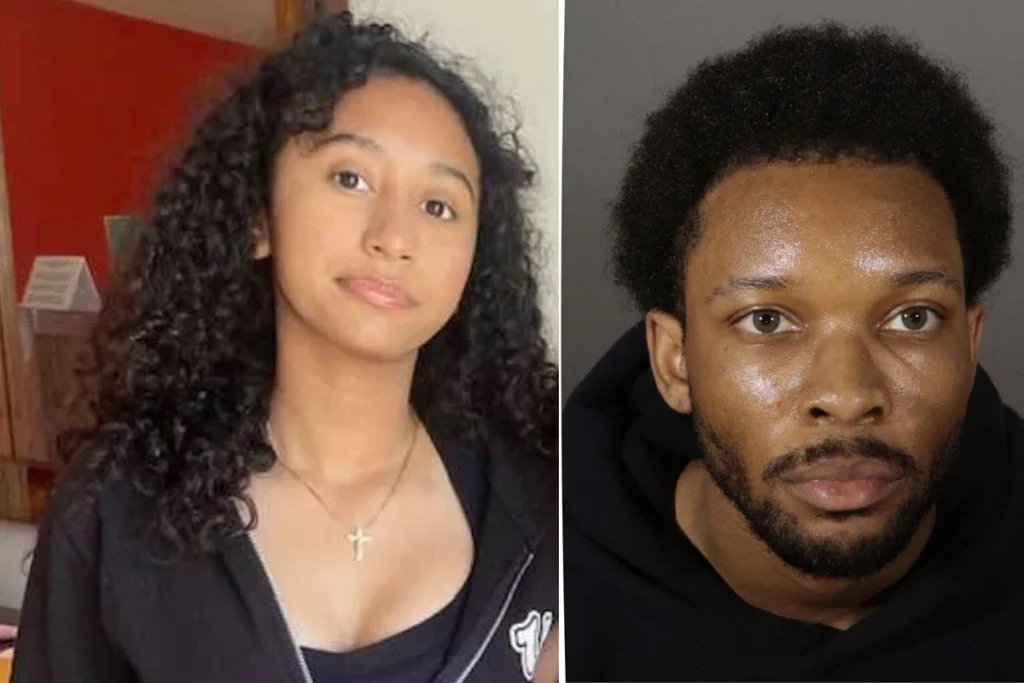

In a case that has gripped public attention due to the horrific nature of the alleged crimes and the involvement of a rising musical artist, a recent status hearing in Los Angeles has provided a brief but poignant update on the well-being of Celeste Rivas’s family. As legal proceedings against David Anthony Burke, better known by his stage name D4vd, move closer to a pivotal hearing, the family of the slain teenager continues to navigate an unimaginable ordeal. Prosecutor Beth Silverman, a key figure in the pursuit of justice, offered a rare glimpse into the family’s resilience, stating they are "doing as well as possible" under the circumstances. This update comes amidst a backdrop of intense public scrutiny and the somber anticipation of a complex trial set to delve into the grave allegations of first-degree murder, continuous sexual abuse of a child under 14, and unlawful mutilation of human remains. The legal battle, unfolding in the Los Angeles court system, represents a critical juncture for both the Rivas family seeking closure and the judicial system confronting a case of profound gravity.
The Heart of the Matter: Charges Against D4vd
The allegations against David Anthony Burke, the 21-year-old artist who found viral fame as D4vd, have sent shockwaves through the music industry and beyond. Burke was formally charged in April 2026 with three exceedingly serious felonies in connection with the death of Celeste Rivas: first-degree murder, continuous sexual abuse of a child under 14, and unlawful mutilation of human remains. These charges paint a chilling picture, suggesting a premeditated and brutal act compounded by additional heinous crimes. The accusation of first-degree murder implies a deliberate and intentional killing, potentially with premeditation or during the commission of another felony. The charge of continuous sexual abuse of a child under 14 is particularly distressing, indicating multiple instances of abuse over a period, targeting a highly vulnerable victim. Finally, the charge of unlawful mutilation of human remains speaks to an attempt to obscure or disrespect the victim, adding another layer of depravity to the allegations. Each of these charges carries substantial legal penalties, including the possibility of life imprisonment, reflecting the severe nature of the alleged offenses under California law. The combination of these charges underscores the prosecution’s belief in a deeply disturbing series of events, leading them to pursue the most serious legal avenues available.
Background and Initial Incident
While specific details surrounding Celeste Rivas’s life prior to her tragic death remain largely private out of respect for her family, it is understood that she was a teenager whose life was cut short under horrific circumstances. The exact date of her disappearance or death has not been widely disclosed in public records, but the timeline suggests the incident occurred sometime before April 2026, when charges were officially filed against Burke. The case gained significant public traction not only due to its inherent tragedy but also because of the high-profile nature of the accused. David Anthony Burke, known as D4vd, had rapidly ascended in the music scene with his unique blend of indie rock and bedroom pop, notably with his hit song "Romantic Homicide" released in 2022. His sudden rise to prominence made the accusations against him all the more shocking, creating a stark and disturbing contrast between his public persona and the gravity of the crimes he is alleged to have committed. The initial investigation, which led to Burke’s arrest and subsequent charges, was likely extensive, involving law enforcement agencies dedicated to uncovering the truth behind Celeste Rivas’s death. While the specifics of how Burke became a suspect have not been fully revealed, the depth of the charges implies a strong evidentiary basis collected by investigators. The discovery of Celeste Rivas’s remains and the subsequent forensic analysis would have played a critical role in establishing the foundation for the charges, particularly those related to the mutilation of human remains, which often requires specialized forensic expertise.
Chronology of Events Leading to Trial
The legal journey in the Celeste Rivas murder case has been a methodical, albeit agonizing, process for all parties involved. The precise date of Celeste Rivas’s death or disappearance is understood to precede the formal charges.
- Pre-April 2026: The tragic events leading to Celeste Rivas’s death are believed to have occurred. Law enforcement initiates an investigation following the discovery of her body or her disappearance.
- April 2026: David Anthony Burke, known as D4vd, is arrested. Following a thorough investigation by law enforcement agencies, prosecutors formally file charges against Burke. These charges include first-degree murder, continuous sexual abuse of a child under 14, and unlawful mutilation of human remains. The filing of these charges marks a significant turning point, officially bringing the case into the public legal sphere and setting the stage for a protracted judicial battle.
- Tuesday, July 7, 2026: Defense attorneys representing Burke and prosecutors, including leading prosecutor Beth Silverman, convene in a Los Angeles courtroom for a status hearing. These hearings are standard procedural steps in complex criminal cases, allowing both sides to discuss the progression of the case, address any preliminary motions, and prepare for upcoming trial phases. It was during this hearing that prosecutor Silverman provided the update on the Rivas family’s condition.
- July 21, 2026: A crucial hearing is scheduled to commence. While the exact nature of this hearing has not been fully detailed, it could involve pre-trial motions, evidence presentations, or further discussions concerning the trial timeline. This date marks the next significant milestone in the legal process, drawing closer to the full-scale trial.
This chronology highlights the measured pace of the justice system, where each step, from initial investigation to pre-trial hearings, is carefully executed to ensure due process and thorough examination of evidence. For the Rivas family, each date represents a renewed confrontation with their grief and a step closer to potentially finding justice for Celeste.
Legal Proceedings and the Weight of the Charges
The Los Angeles County Superior Court system is now the arena where the fate of David Anthony Burke will be determined. The charges he faces are among the most severe under California penal code, carrying profound implications for both the accused and the victim’s family.
- First-Degree Murder (California Penal Code § 187(a)): This charge is levied when a killing is determined to be willful, deliberate, and premeditated, or committed during the commission of certain inherently dangerous felonies (felony murder rule). A conviction for first-degree murder in California can result in a sentence of 25 years to life in state prison. If special circumstances are found (e.g., murder committed during sexual assault or torture), the penalty can be life imprisonment without the possibility of parole or even the death penalty, although the death penalty in California is subject to a gubernatorial moratorium.
- Continuous Sexual Abuse of a Child Under 14 (California Penal Code § 288.5): This specific statute addresses situations where a person commits three or more acts of sexual abuse, as defined by other sections of the penal code, with a child under the age of 14 over a period of three months or more. This is an extremely serious felony, designed to punish repeated and systematic abuse. A conviction for this offense typically carries a sentence of 15 years to life in state prison.
- Unlawful Mutilation of Human Remains (California Health and Safety Code § 7052): This charge pertains to the unlawful disinterment, removal, or mutilation of human remains. The intent behind such an act could range from attempting to conceal the identity of the victim, destroying evidence, or simply showing extreme disrespect. While the penalties are less severe than those for murder or child abuse, typically ranging up to three years in state prison, it underscores the gruesome nature of the alleged crime and can also serve as an aggravating factor in sentencing for other offenses.
The combination of these charges suggests a multifaceted and deeply disturbing criminal act. The prosecution’s strategy will undoubtedly involve presenting a comprehensive case linking Burke to each of these allegations, utilizing forensic evidence, witness testimonies (if any), and other investigative findings. For the defense, the challenge will be substantial, requiring a meticulous examination of the prosecution’s evidence, challenging its validity, and presenting an alternative narrative or mitigating factors. The legal process is designed to be rigorous, ensuring that every piece of evidence is scrutinized and every legal right of the accused is protected, even in the face of such grave accusations.
Impact on the Rivas Family and Community Support
The statement from lead prosecutor Beth Silverman, that Celeste Rivas’s family is "doing as well as possible," offers a somber reflection on the immense grief and trauma they are undoubtedly enduring. In cases involving such violent and heinous crimes, the victim’s family is thrust into an unimaginable journey of sorrow, anger, and the arduous pursuit of justice. The phrase "as well as possible" speaks volumes, acknowledging that true "well-being" is likely unattainable in the wake of losing a child under such brutal circumstances. Families like Celeste’s often experience a prolonged period of mourning compounded by the stress and emotional toll of legal proceedings. Each court date, each news report, and each mention of the accused can reopen wounds, making the healing process incredibly complex and lengthy.
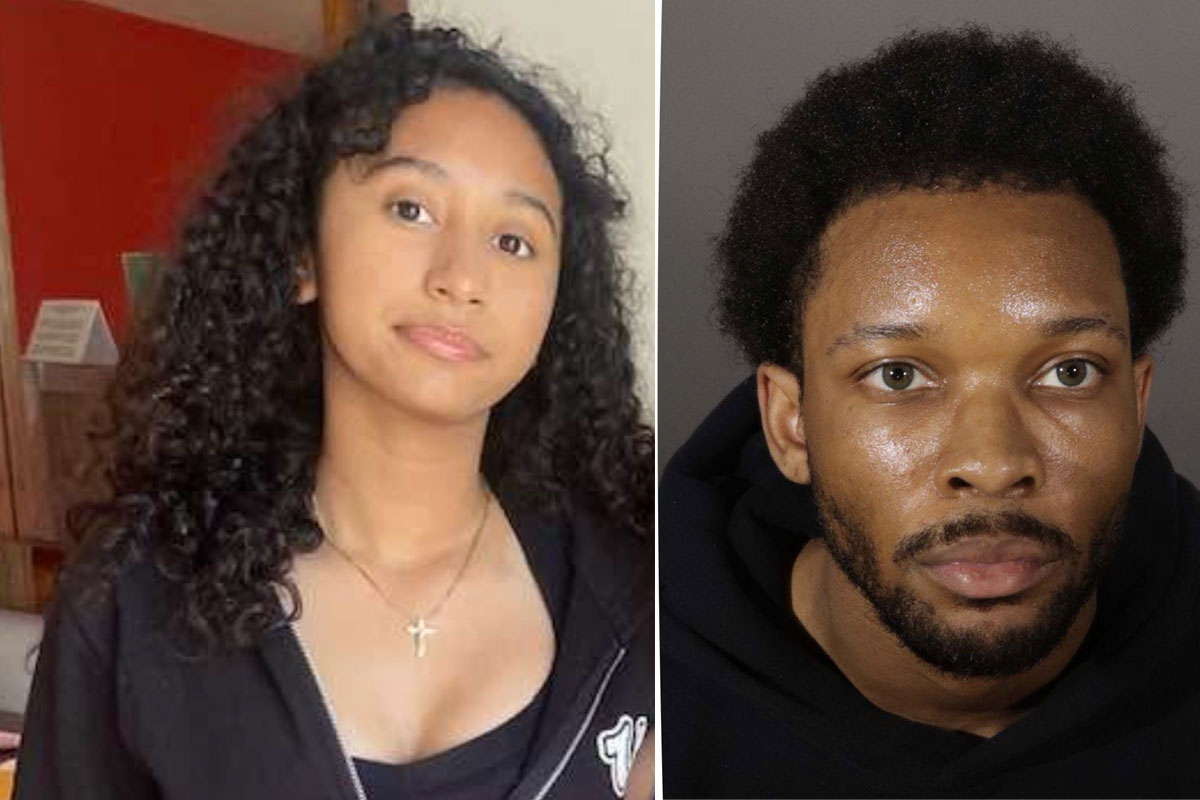
In moments of profound tragedy, communities often rally to provide support. The mention of Esmeralda Lozano and a GoFundMe campaign in the original article’s image caption suggests that the Rivas family has likely received an outpouring of financial and emotional assistance from concerned individuals. These crowdfunding efforts often serve as a lifeline, helping families cope with unexpected funeral expenses, legal fees, or the financial strain of taking time off work to attend court hearings. Such community solidarity, while unable to alleviate the core grief, can provide a vital sense of being seen and supported during an isolating time. The collective heartbreak and desire for justice from the wider community can also act as a powerful force, ensuring that Celeste Rivas’s memory is honored and that her family feels less alone in their fight. The prosecutor’s brief update, while limited in detail, serves as a crucial reminder that behind the legal jargon and procedural steps, there is a family grappling with an irreparable loss, patiently awaiting the resolution of a case that defines their future.
Broader Implications and Societal Reflections
The case against David Anthony Burke, or D4vd, transcends the immediate legal proceedings, raising significant broader implications for society, the entertainment industry, and the discourse around violence and child protection.
Firstly, the juxtaposition of a popular, emerging musician facing such severe charges highlights the often-unseen complexities and potential dangers within the public sphere. D4vd’s rapid ascent to fame created a public image that now stands in stark contrast to the horrific allegations. This case serves as a stark reminder that talent and public admiration do not equate to moral integrity or immunity from criminal behavior. It forces a re-evaluation of how society perceives public figures and the inherent trust (or lack thereof) placed in them. For the music industry, particularly, such accusations against a rising star can trigger introspection regarding vetting processes, the support systems available to young artists, and the industry’s responsibility in addressing serious allegations.
Secondly, the charges of continuous sexual abuse of a child under 14 and unlawful mutilation of human remains bring to the forefront the persistent and disturbing issue of violence against children. This aspect of the case resonates deeply, sparking conversations about child safety, the mechanisms in place to protect vulnerable minors, and the need for heightened vigilance in communities. The emotional distress and trauma inflicted by such crimes extend far beyond the immediate victim and their family, impacting the collective consciousness and fostering a renewed demand for stringent laws and effective enforcement. The specifics of this case may contribute to discussions about strengthening child protection legislation or improving investigative techniques for cases involving minors.
Furthermore, the high-profile nature of the trial ensures intense media scrutiny. While crucial for transparency and public awareness, the media’s role in such cases also presents challenges. The need to balance reporting the facts with avoiding sensationalism and protecting the privacy of the victim and their family becomes paramount. The narrative surrounding the trial will inevitably shape public perception, influencing conversations about justice, accountability, and the consequences of alleged criminal actions, particularly when the accused is a known personality.
Finally, the case underscores the arduous and often emotionally draining nature of the justice system for victims’ families. The slow pace of legal proceedings, while necessary for due process, can prolong the suffering of those seeking closure. It serves as a stark reminder of the long-term psychological and emotional toll that such crimes exact, highlighting the critical need for robust support systems for victims’ families throughout the entire legal journey and beyond. The Rivas family’s resilience, as noted by Prosecutor Silverman, becomes a testament to the enduring human spirit in the face of unimaginable adversity, but also a poignant symbol of the collective hope for justice and accountability.
The Path Forward: Anticipating the Trial
As the July 21, 2026, hearing approaches, all eyes will be on the Los Angeles courtroom where the next chapter in this tragic saga is set to unfold. While the specific agenda for this upcoming hearing remains undisclosed, it is expected to be another procedural step, potentially addressing further pre-trial motions, evidence discovery disputes, or confirming the readiness for a full trial. The legal process for a case of this magnitude is typically protracted, often spanning many months, if not years, from the initial charges to a final verdict.
The prosecution, led by Beth Silverman, will be meticulously preparing their case, assembling all available evidence – including forensic reports, potential witness testimonies, digital evidence, and any other material that could substantiate the grave charges against David Anthony Burke. Their objective will be to convince a jury beyond a reasonable doubt that Burke is guilty of first-degree murder, continuous sexual abuse of a child under 14, and unlawful mutilation of human remains.
Conversely, Burke’s defense team will be equally engaged in strategizing, challenging the prosecution’s evidence, potentially presenting alibis, questioning the reliability of witnesses, or arguing for alternative interpretations of the facts. The cornerstone of the American legal system is the presumption of innocence until proven guilty, and the defense will be tasked with ensuring Burke’s rights are upheld throughout the process.
For the Rivas family, the path forward is one of continued vigilance and immense emotional fortitude. Each court appearance, each legal development, brings them closer to a resolution, but also forces them to relive the trauma of Celeste’s loss. Their quiet strength, as conveyed through the prosecutor, is a powerful testament to their unwavering determination to see justice served. The broader community, having been deeply affected by the allegations, will also be closely watching, hoping for a fair and just outcome that honors Celeste Rivas’s memory and holds those responsible accountable for their actions. The trial, when it eventually begins, will not only be a legal proceeding but a profound societal moment, reflecting on the sanctity of life, the protection of the vulnerable, and the unwavering pursuit of truth and justice.